


COPYRIGHT © 2022 COFF International Co., ltd. ALL RIGHTS RESERVED


A multi-tiered maintenance schedule is the foundation for your oil heated brewhouse. Consistent upkeep protects your investment. It ensures batch-to-batch quality and prevents catastrophic failures.
Did You Know? Unplanned brewhouse downtime can cost a brewery between $3,000 and $12,000 daily.
Implementing a proactive plan for your brewery equipment is crucial. Studies show that focusing on maintenance can boost machine availability by over 10%. This simple care extends the operational life of your entire brewhouse, safeguarding your production and profits.

Consistency is your best tool for maintenance. Daily and weekly checks are the first line of defense for your oil heated brewhouse. They help you spot small issues before they become major problems. You can perform these simple tasks in just a few minutes each day.
Your daily walk-around is a powerful diagnostic tool. It allows you to use your senses to detect potential trouble. Get into the habit of performing a quick visual scan of the entire system before your first brew of the day.
Pro Tip: A clean brewhouse makes spotting new problems like leaks or soot much easier. Keep the area around your burner and tank tidy.
What should you look for?
Also, check the temperature and pressure gauges on the boiler. Normal pressure for a cold system is about 12 psi. The pressure should stay below 30 psi during operation. The temperature should be 200°F or less. Readings outside these ranges signal a problem.
The burner flame is the heart of your heating system. Its color and shape tell you a story about combustion efficiency and safety. You can observe the flame through the burner’s inspection port.
A healthy, efficient flame has a distinct appearance. You should see a yellow-orange flame with a bright, steady shape. This indicates the oil is atomizing and burning correctly. Poor atomization can create instability and inefficient heating for your brewhouse.
An unhealthy flame is a clear warning sign. It wastes fuel and can produce dangerous byproducts.
| Flame Characteristic | What It Means |
|---|---|
| Flickering or Sputtering | The flame is unstable. This could be due to a clogged nozzle or air in the fuel line. |
| Dark Orange or Red | The system is not getting enough oxygen. This leads to incomplete combustion. |
| Visible Soot or Smoke | Fuel is not burning completely. Soot can build up and create a fire hazard. |
| Mostly Blue Flame | While blue indicates high oxygen, a mostly blue flame in an oil system can signal an issue. |
If you notice these signs, your system needs professional attention.
The sounds your system makes during startup and shutdown provide valuable clues about its health. A normal cycle should be smooth and predictable.
A typical startup sequence follows these steps:
Listen for any unusual noises. Popping or rumbling sounds at ignition can indicate the burner is having trouble lighting immediately. A loud pulsation, where the flame seems to jump or vibrate, can be severe enough to damage the combustion chamber. A sputtery sound, like the burner is coughing, often points to a fuel delivery problem. These sounds mean your oil heated brewhouse requires service.
You must check for leaks daily. A small drip can create a serious safety hazard and waste expensive fuel. Your senses of sight and smell are your best tools for this task. A proactive approach to leak detection protects your staff, your equipment, and your bottom line.
Safety First! ⚠️ Never ignore the smell of fuel oil. If you detect a strong odor or see a puddle of fuel, shut down the system immediately. Ventilate the area and call a qualified service technician. Do not operate the brewhouse until the leak is professionally repaired.
Fuel and fluid leaks can appear in many places. You should develop a routine for inspecting the entire system. Pay close attention to connections and seals, as these are common failure points. Your daily inspection should cover these key areas:
Look for visible signs of trouble. An active drip is obvious, but you should also search for darker, stained areas on pipes or the floor. An oily sheen on any surface indicates a past or present leak. These signs show that your oil heated brewhouse needs attention. A clean brewhouse makes spotting these issues much easier. Finding and fixing leaks promptly is essential for maintaining a safe and efficient brewhouse operation.
While daily checks catch immediate issues, monthly tasks dig deeper. These more thorough inspections help maintain the long-term health and efficiency of your oil heated brewhouse. Dedicating a few hours each month to these steps will protect your system from premature wear and tear.
Clean, uninterrupted fuel flow is vital for your brewhouse. Clogged filters or cracked lines can starve the burner of oil, leading to shutdowns and inconsistent heating. A careful monthly inspection helps you prevent these fuel delivery problems.
Follow these steps to check your fuel system:
Your burner works by turning liquid oil into a fine mist, a process called atomization. The fuel pump creates high pressure to force oil through the nozzle, creating this mist for a clean burn. Incorrect pressure leads to poor combustion, smoke, and wasted fuel.
Know the Signs! ⚠️ While a qualified technician must test and set the final pressure with a gauge, you can spot the warning signs of a failing pump. Watch for a big puff of black smoke at startup or an unstable, pulsing flame. These symptoms indicate your brewhouse needs professional service.
Proper maintenance of the nozzle and ignitor is critical for reliable ignition. However, their care requirements are very different.
For burner nozzles, replacement is better than cleaning. Attempting to clean a nozzle is difficult and can damage it. You should plan to replace the nozzle annually during professional service. You can simply wipe the exterior dry with a clean cloth if needed.
The ignitor, on the other hand, requires regular cleaning. Carbon buildup can prevent it from creating a strong spark.
This simple task ensures your oil heated brewhouse starts up reliably every time.
Your boiler’s low-water cutoff (LWCO) is one of its most important safety devices. It acts as a fail-safe, shutting down the burner if the water level drops too low. This action prevents the boiler from dry-firing, which can cause catastrophic damage to your brewhouse. You must test this control monthly to ensure it functions correctly. A faulty LWCO creates a significant safety risk.
There are two primary methods for testing this control. The standard test is quick and effective for a routine monthly check.
Follow these steps for the standard low-water test:
A more thorough method is the slow cutoff test. For this, you turn off the feedwater pump instead of opening the blowdown valve. This allows the water level to drop slowly as it turns to steam, closely mimicking a real-world scenario.
Critical Safety Alert ⚠️ If the burner does not shut off during either test, you have a serious problem. Immediately shut down the boiler manually. Do not operate the brewhouse until a qualified technician has inspected and repaired the LWCO control. Protecting your equipment and staff is the top priority.
Your annual service is the most intensive part of your maintenance schedule. This deep clean goes beyond daily and monthly checks. It restores your system’s efficiency and addresses wear and tear from a year of production. You should schedule this service during a planned shutdown. Proper annual cleaning the brewhouse ensures your equipment runs safely and effectively for the year ahead.
Over time, soot and carbon build up inside your boiler. This buildup acts like insulation, forcing your burner to work harder and use more fuel. A thorough annual cleaning removes this layer of soot. This process restores heat transfer and improves efficiency. This task requires care and attention to safety.
Safety First! ⚠️ Soot removal can be a messy and hazardous job. Always wear appropriate personal protective equipment (PPE), including safety glasses, gloves, and a respirator.
Before you begin, you must follow important safety precautions.
Your heat exchanger is critical for cooling wort quickly and efficiently. Organic matter and mineral scale (beerstone) can build up inside, slowing down transfers and creating sanitation risks. Annual servicing keeps it clean and effective.
A key part of maintenance is a backflush. You should perform this after every brew day. You connect a hot water hose to the heat exchanger’s outlet. Then you run hot water in reverse through the unit for 5-10 minutes. This process removes solids and keeps your transfer speeds high.
For a deeper annual clean, you will use a Clean-In-Place (CIP) method. This is one of the most effective cleaning processes. It uses chemical solutions to dissolve buildup without taking the unit apart. The goal is to remove deposits and passivate the stainless steel to reduce corrosion.
A typical CIP cycle involves four main steps:
While you can handle many maintenance tasks, annual burner service requires a qualified technician. A professional has the specialized tools and knowledge to tune your burner for peak safety and efficiency. This service is a critical investment in the long-term health of your brewhouse.
During a professional tuning, a technician uses a flue gas analyzer. This tool provides precise data about the combustion process. They will take several key measurements to optimize your system.
The technician uses this information to make fine adjustments to the burner. A properly tuned burner uses less fuel, produces fewer emissions, and provides consistent heat for your brewhouse. This annual service pays for itself in fuel savings and reliable operation.
The combustion chamber is where the intense heat from your burner is contained. It is lined with a special material called refractory, which protects the boiler’s metal shell from extreme temperatures. A yearly inspection of this chamber is essential for the safety and efficiency of your entire brewhouse. Damage to the refractory can lead to serious problems.
Safety Alert! ⚠️ Always ensure the boiler is completely cool before opening and inspecting the combustion chamber. A hot chamber can cause severe burns.
Your annual inspection helps you find damage before it causes a major failure. You should carefully check the entire refractory lining for any signs of wear and tear. Improperly sized nozzles or careless use of cleaning tools during service can also damage the refractory.
Look for these general signs of refractory damage:
During your visual check, pay close attention to specific types of damage. Finding these issues early can prevent more expensive repairs down the line.
What should you look for inside the chamber?
If you discover significant damage, you must contact a qualified technician. Repairing or replacing the refractory is a specialized job. A healthy combustion chamber ensures your oil heated brewhouse operates safely and efficiently, protecting your investment for years to come.
Regular optimization keeps your brewhouse safe and running at its best. These checks focus on safety systems, accurate measurements, and energy efficiency. You protect your staff and improve your bottom line by paying attention to these critical areas.
Your safety shut-off valves are non-negotiable safety features. They automatically stop the flow of fuel in an emergency. You should test these valves at least twice a year. To perform a test, you can simulate a failure condition, like a loss of flame signal or high pressure. The valve should close instantly and securely. If a valve is slow to respond or does not close completely, you must replace it immediately.
Accurate gauges are essential for product quality and safety. Mechanical instruments can drift over time, giving you false readings. You should calibrate your gauges regularly to ensure they are correct.
Pro Tip: A trusted, NIST-certified digital thermometer is an excellent tool for checking the accuracy of your other gauges.
Follow these best practices for calibration:
Damaged insulation on pipes and vessels wastes a tremendous amount of energy. Water from wash-downs can soak into the insulation, making it far less effective. This forces your system to work harder and can also lead to dangerous corrosion.
According to industry expert Steve Oslica, breweries once overlooked this issue. He notes, “Up until 10 years ago, the brewery contingent didn’t realize the serious effect of corrosion on pipes and vessels. It has become a significant factor now when choosing a system.”
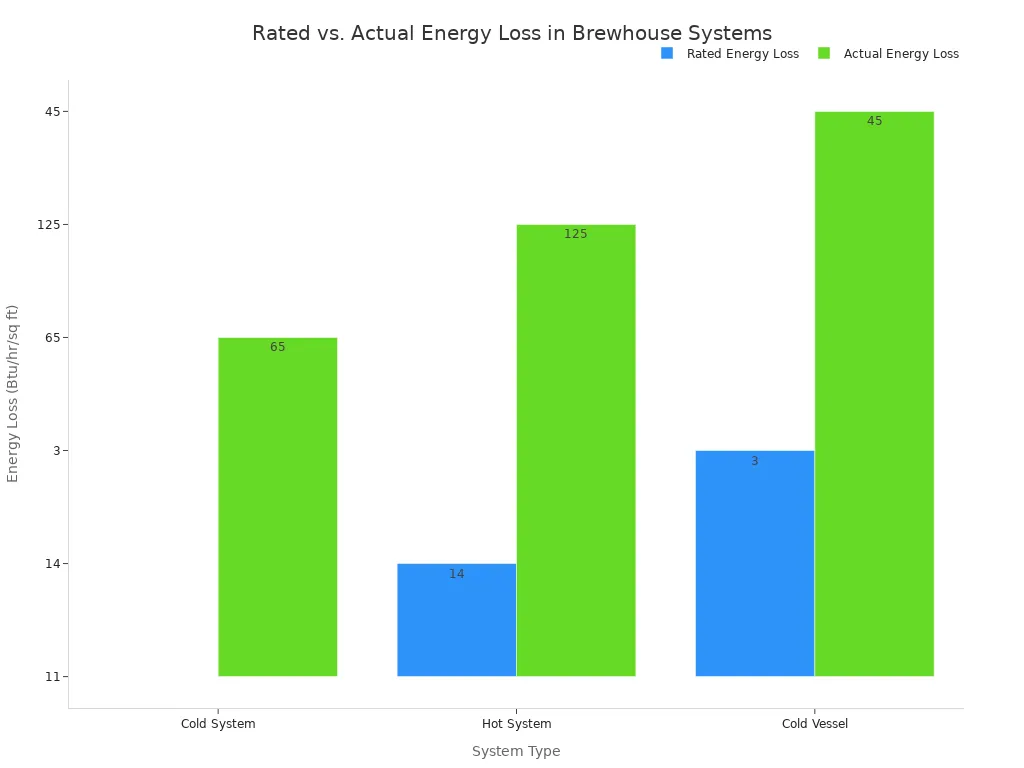
Water intrusion dramatically increases energy loss, as shown in real-world case studies.
| System Type | Operating Temp | Rated Energy Loss (Btu/hr/sq ft) | Actual Energy Loss (Btu/hr/sq ft) |
|---|---|---|---|
| Cold System | -20 F | 11 | 65 (nearly 6x higher) |
| Hot System | 230 F | 14 | 125 |
| Cold Vessel | -22 F | <3 | 45 (15x higher) |
The difference between expected and actual energy loss is significant.
You should regularly inspect all insulation on your brewhouse for tears, water stains, or damage. Repairing or replacing damaged sections promptly will save energy and protect your equipment from long-term harm.
In an emergency, every second counts. Knowing how to shut down your brewhouse quickly and safely can prevent disaster. You must review and practice these procedures regularly with your entire team. A clear plan ensures everyone knows their role when it matters most.
Your emergency shutdown (E-stop) buttons should be your first point of action. These are large, red buttons located in accessible areas around the brewhouse. Everyone on your staff must know where these buttons are and feel confident using them.
Safety First! 🚨 Do not wait for a real emergency to train your team. Run drills quarterly so the shutdown process becomes second nature. A well-rehearsed team is a safe team.
A complete emergency shutdown involves more than just hitting a button. You should have a clear, documented procedure. Post this checklist near the main control panel for easy reference.
Your shutdown checklist should include these critical steps:
Regularly reviewing these steps ensures your team can act decisively. A solid emergency plan is the ultimate safety feature for your facility.
Having the right tools and parts on hand makes maintenance faster and more effective. A well-stocked toolkit and a smart inventory of spares are your best defense against unexpected downtime. You can handle most routine tasks without waiting for a technician or a parts delivery.
You can build a powerful in-house toolkit with a few key items. These tools will help you perform daily, weekly, and monthly checks safely and efficiently. Your basic maintenance kit should include:
Pro Tip: Organize your tools on a dedicated cart or board. This makes them easy to find and helps you see if anything is missing after a job.
Waiting for parts to arrive can halt production. Proactively stocking essential components is a key part of preventative maintenance for your brewhouse. This strategy ensures continuous operation and prevents costly interruptions. Keep these critical spare parts on hand to minimize downtime.
| Replacement Part | Purpose | When to Replace |
|---|---|---|
| Gaskets | Seal joints, prevent leaks | Upon observing oil stains |
| Valves | Regulate flow and pressure | If pressure drops |
| Sight Glasses | Monitor oil levels | If cracks are detected |
| Pumps | Circulate oil within the system | When flow rate decreases |
| Filters | Maintain oil cleanliness | If oil appears cloudy |
Your brewery equipment is a significant investment. Using high-quality replacement parts protects its value and performance. As the founder of the oil heated brewhouse, COFF possesses deep knowledge of every component. We focus on customer-oriented research and aim to provide high-quality products and considerable service. Sourcing your parts directly from a trusted manufacturer like COFF ensures you get components that are designed for a perfect fit and reliable operation. This commitment to quality helps you maintain the integrity of your entire system.
Good records are a powerful tool for managing your brewhouse. A detailed log helps you track maintenance history, spot recurring issues, and plan for future needs. It turns guesswork into a data-driven strategy, ensuring your equipment stays reliable.
A maintenance logbook is the official story of your equipment. It provides a clear record of every check, repair, and service performed. This history is invaluable for troubleshooting problems and proving compliance with safety standards. When you document your work, you create a guide for your entire team. It ensures everyone follows the same procedures and understands the system’s condition.
Pro Tip: Use a digital logbook or a cloud-based spreadsheet. This makes it easy to search for past entries, share information with technicians, and analyze data over time.
Your logbook is only as good as the information you put in it. You should track specific details for every maintenance task. Consistent data entry helps you identify trends and make smarter decisions for your brewhouse.
| Data Point | Description |
|---|---|
| Date and Time | When the task was performed. |
| Task Performed | A clear description of the work (e.g., “Cleaned ignitor”). |
| Technician Name | Who completed the work. |
| Parts Used | Any replacement parts installed, including model numbers. |
| System Readings | Key metrics like pressure or temperature before and after service. |
| Observations | Any unusual sounds, leaks, or other issues noted. |
You can use your maintenance data to predict future problems. This approach, called predictive maintenance, helps you fix issues before they cause a shutdown. Real-time monitoring is central to this strategy. Modern systems can use sensors to capture data on factors like vibration and temperature shifts. This information feeds into analytics models that spot warning signs.
This data-driven approach offers major benefits for your brewery:
By analyzing historical data and real-time sensor inputs, you can move from a reactive to a predictive maintenance schedule. This process turns raw data into smarter decisions, keeping your operations running smoothly.
Your oil heated brewhouse is a reliable and efficient asset when properly maintained. You can ensure long-term success by making these checks part of your daily routine. Proactive care protects your equipment, your staff, and the quality of every beer you produce. A well-managed brewhouse is a safe and productive brewhouse.
Breweries like 3 Floyds Brewing Company saw a 90% drop in equipment breakdowns after improving their maintenance plan. This shows how a strong system protects your entire brewhouse operation.
You should schedule a professional service for your oil heated brewhouse at least once a year. A qualified technician tunes the burner and inspects safety systems. This annual service is vital for maintaining peak efficiency and operational safety.
Your most important daily task is checking for fuel and fluid leaks. Use your senses of sight and smell around the burner and fuel lines. Finding a small leak early prevents major safety hazards and costly fuel waste.
You should not attempt to clean the burner nozzle. Cleaning can easily damage its precise opening, which leads to poor combustion. It is best to replace the nozzle annually during your professional service. You can simply wipe the exterior clean.
A logbook creates a complete history of your brewhouse. It helps you track repairs, spot recurring problems, and prove safety compliance. This data allows you to predict future issues and prevent unexpected downtime, saving you time and money.