


COPYRIGHT © 2022 COFF International Co., ltd. ALL RIGHTS RESERVED


Inconsistent maintenance is the primary cause of brewhouse downtime. You can prevent breakdowns in your oil heated brewhouse with a simple daily and weekly routine. This guide provides a practical checklist for your brewhouse. You can use it immediately to control equipment reliability and operational costs. Proper brewing equipment maintenance is your best tool. It protects your investment, beer quality, and production schedule.
A consistent maintenance routine is the most powerful way to manage your oil heated brewhouse. This brewhouse maintenance ensures your safety. Always remember to wear your ppe. Following this routine protects your brewhouse and your team’s safety. Your ppe is essential.
Your daily walk-through is the most important part of your brewhouse maintenance. This simple routine takes only a few minutes. It provides powerful insights into your equipment’s health. Consistent daily monitoring helps you spot small issues before they cause a major shutdown.
You should start your day with visual inspections. Your eyes are a great tool for catching early warning signs. These routine inspections help you protect your oil heated brewhouse. Look for the common problems listed in the table below.
| Issue | What to Look For |
|---|---|
| Leaks in Pipes and Valves | Drips, rust, discoloration |
| Corrosion in Tanks | Spots, flakes, dents |
| Leaks in Oil Lines | Wet spots, stains |
| Issues with Fittings and Seals | Moisture, loose parts |
| General Corrosion (Metal Parts) | Discolored patches, flaking surfaces, weak spots |
Next, check your thermal fluid. Proper oil quality and levels are critical for efficient heating. Your daily routine must include checking the oil level in the expansion tank. You should also confirm that the system pressure is within the manufacturer’s recommended range. This simple step ensures your brewhouse heats evenly and prevents damage to the pump and heater. This type of monitoring is a key part of your maintenance plan. Having a reliable manufacture is equally important to ensure long-term performance and consistent system efficiency.
Your brewhouse should have a consistent, familiar sound during operation. Changes in sound often signal a mechanical problem. During your daily inspections, listen carefully for anything unusual.
Pay Attention to These Sounds:
- Whistling: This sound can mean trapped air in the system or a blockage in a fuel line or filter.
- Rumbling: A low rumbling might point to sediment in the boiler. A loud boom or rumble can also indicate a dangerous delayed ignition issue with your burner.
This auditory monitoring is a simple yet effective part of your daily routine. It helps you keep your brewhouse safe and operational.
Beyond your daily checks, a weekly maintenance schedule is essential. These deeper inspections target critical components of your oil heated brewhouse. This routine prevents poor performance and protects your equipment from long-term damage. Consistent maintenance is key to a reliable brewhouse.
Your burner nozzle atomizes fuel oil into a fine mist for clean combustion. Soot and carbon can build up on the nozzle over time. This buildup disrupts the spray pattern, leading to poor heating, smoke, and wasted fuel. You should clean the nozzle weekly. A clean nozzle ensures your brewhouse operates at peak efficiency. This simple task is a vital part of your maintenance plan.
Your fuel filter is the guardian of your burner system. It stops debris from clogging sensitive components. Clogged filters cause many heating problems. During your weekly inspections, check the filter for signs of a blockage.
Spotting a Clogged Filter 🔍
Some systems have a pressure gauge that shows a filter’s condition. A red light or a high-pressure reading often means it is time for a change. You may also notice dirty exhaust smoke or a burnt oil smell.
A clogged filter will strain your entire system. You might hear whining noises or see a drop in system pressure. Proper filter and pump maintenance is crucial for the health of your oil heated brewhouse.
Your brewhouse has several safety sensors. These include flame sensors and high-temperature limit switches. They are designed to shut the system down during unsafe conditions. You must test these sensors regularly to ensure they work correctly. A failed sensor creates a major safety hazard. Testing these functions protects your equipment, your facility, and your team. Always follow the manufacturer’s guide to test each safety device. This step is a non-negotiable part of your brewhouse safety protocol.
Proper burner system maintenance is crucial for the safety and efficiency of your brewhouse. The burner is the heart of your heating system. Regular attention to its components ensures consistent performance and prevents costly failures. This focused maintenance routine keeps your brewhouse running smoothly.
You should perform a combustion analysis to measure your burner’s performance. This test uses a special analyzer to check the exhaust gases. It tells you if your brewhouse is burning fuel correctly. The stack temperature is a key reading. A lower stack temperature means your system transfers heat effectively. Proper combustion analysis is a vital maintenance step for peak efficiency.
An expert should check these levels during professional maintenance. The ideal readings for your brewhouse are:
| Parameter | Ideal Range/Value |
|---|---|
| CO2 | 10%-12% (max 12% with ZERO smoke) |
| O2 | 5% to 7% |
| Stack Temperature | 450-600°F (normal) |
Your burner has electrodes that create a spark for ignition. These electrodes must be perfectly aligned. Poor alignment can cause ignition failures or an unstable flame. You should check the electrode gap and position during your maintenance checks.
Pro Tip: 📝 Always refer to your manufacturer’s manual for the exact alignment specifications. Incorrect spacing can damage the electrodes or prevent your oil heated brewhouse from starting.
Proper alignment ensures a reliable spark every time. This simple check keeps your brewhouse operational.
Soot and carbon can build up inside the combustion chamber over time. This buildup acts like an insulator. It reduces heat transfer to your thermal fluid. A dirty chamber forces your burner to work harder, wasting fuel and money. You should clean the chamber as part of your annual maintenance schedule. A clean chamber allows your brewhouse to heat up quickly and maintain temperature with less effort.
Your heat exchanger and fluid pathways are the circulatory system of your oil heated brewhouse. Proper maintenance in this area ensures efficient heating and prevents catastrophic failures. Regular inspections are essential for the health of your brewhouse. This routine maintenance protects your equipment from leaks and fluid contamination.
You must inspect for leaks every day. Small leaks can lead to big problems, including fluid loss and safety hazards. Your daily checks should focus on finding any signs of leaks. Rust spots often indicate slow, hidden leaks. Finding leaks early is a critical maintenance task. Pay close attention to these common problem areas for leaks:
When you inspect for leaks, you are protecting your entire brewhouse. Unchecked leaks can damage your equipment and compromise your production schedule. These frequent checks for leaks are your best defense.
Visual checks alone cannot determine your thermal fluid’s health. You need periodic thermal fluid analysis to assess its condition. This analysis checks for chemical breakdown and contamination. Poor oil quality and levels can lead to inefficient heating and sludge buildup. This contamination can clog the narrow pathways in your brewhouse. Preventing oil contamination is key to long-term reliability. A lab test can measure fluid viscosity, acidity, and solids contamination, giving you a clear picture of its quality. This monitoring helps you decide when to filter or replace the fluid before serious contamination occurs.
Operating your brewhouse outside the recommended temperature range causes serious damage. Both high and low temperatures create problems for your system. Proper temperature monitoring is a non-negotiable part of your maintenance plan. Exceeding the maximum temperature degrades the fluid, while low temperatures can starve the pump.
Temperature’s Impact on Your Brewhouse 🌡️
The manufacturer’s temperature guidelines are there for a reason. Exceeding them can cause fouling and coking, while operating at too low a temperature creates intense mechanical friction.
| Temperature Condition | Consequences |
|---|---|
| Too High | • Accelerates fluid breakdown and sludge formation • Reduces fluid viscosity and lubrication • Creates safety risks by lowering the fluid’s flash point |
| Too Low | • Fluid thickens and may not flow • Can starve the pump, causing cavitation and damage • Leads to high friction and wear on internal parts |
The fuel system is the lifeline of your oil heated brewhouse. Proper maintenance of this system prevents fuel contamination and dangerous leaks. These routine inspections are critical for the safety and reliability of your entire brewhouse. A healthy fuel system ensures your brewhouse has a steady supply of clean fuel.
Water is the enemy of your fuel tank. It causes sludge buildup and microbial contamination. This contamination can clog your oil lines and damage your burner. You must check your tank for water regularly. This is a key part of your maintenance routine.
How to Check for Water and Sludge 💧
You can easily check for water contamination. Use a special water-finding paste on a gauge stick. If water is present, you must have it removed by a professional. Water contamination can lead to serious operational issues for your brewhouse.
Follow these steps to prevent fuel contamination:
You must inspect your fuel oil lines for signs of wear. Damaged oil lines can cause fuel leaks. These leaks create a serious fire hazard. Your daily inspections should include a close look at all oil lines and fittings. Finding potential leaks early is one of the most important fire prevention measures for your brewhouse. Look for any signs of leaks on the oil lines. Even small leaks can lead to a big fire.
Signs of failing oil lines include:
Any sign of a fuel leak requires immediate attention. Do not operate your brewhouse if you suspect any leaks from the oil lines. A fire can destroy your brewhouse.
The fuel pump delivers oil to the burner. A failing pump can starve your brewhouse of fuel, causing ignition problems or shutdowns. You should listen for unusual noises from the pump, like whining or grinding. These sounds often signal internal wear. A drop in fuel pressure can also point to a pump issue. Regular maintenance helps you catch these problems early. A healthy pump is essential for a reliable brewhouse.
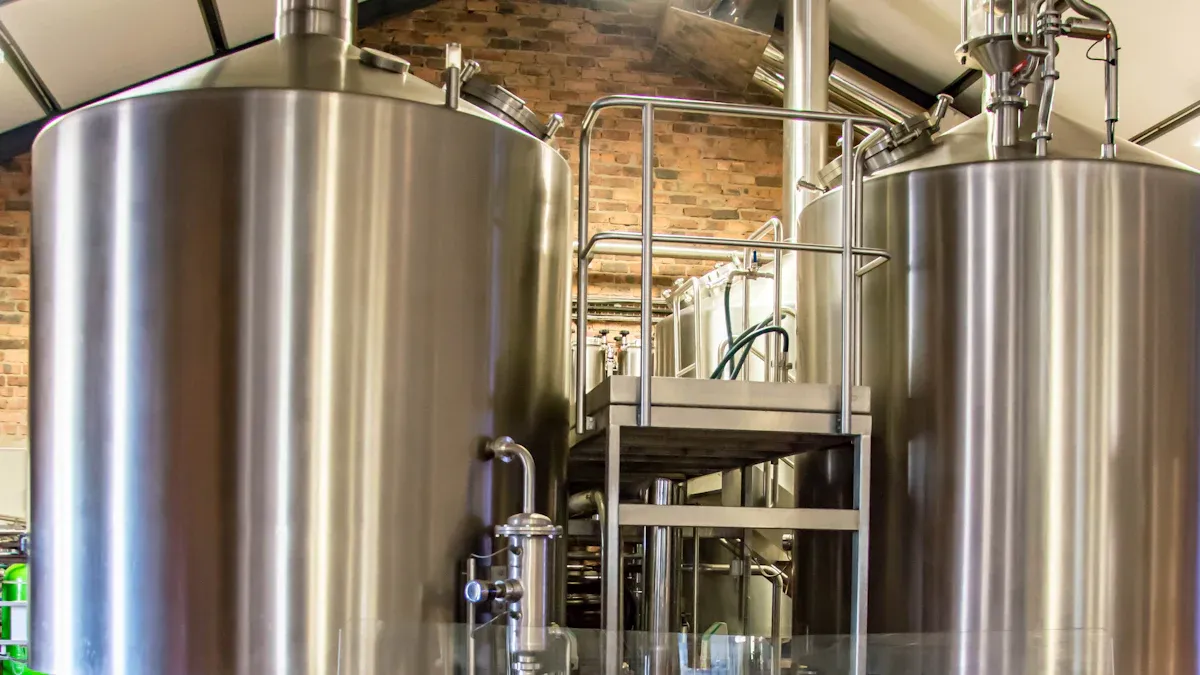
Your core brewing equipment maintenance extends beyond the heating system. The electrical and control components are the brains of your brewhouse. Regular maintenance in these areas ensures operational safety and accuracy. These simple inspections protect your entire brewhouse from unexpected electrical failures.
You must treat your electrical panel with extreme care. A faulty panel is a major fire risk. Your routine brewing equipment maintenance should include a visual check of the panel’s exterior. For internal inspections, you must turn off the main power supply. A qualified electrician should perform any complex work.
Your electrical safety checks should include looking for:
These checks are a critical part of your brewhouse safety plan.
Your brewhouse control panel displays vital information. It shows temperatures, pressures, and pump speeds. You need to trust these readings to make quality beer. You should cross-reference the panel readings with manual gauges. For example, compare the temperature on the screen to a calibrated handheld thermometer. If the readings do not match, your sensors may need calibration or replacement. This simple maintenance step ensures your oil heated brewhouse operates precisely as you intend.
Your brewhouse has emergency stop buttons for immediate safety. These buttons must work perfectly every time. You should test all emergency shut-off systems monthly. This test is a key part of your emergency shutoff procedures.
Safety First! 🚨
Always inform your team before testing. A test of the emergency shutoff procedures will halt all brewhouse operations. This ensures no one is caught by surprise.
Confirming these safety features function correctly gives you peace of mind. It ensures you can stop the brewhouse instantly in a real emergency.
A clean brewhouse is a reliable brewhouse. Proper cleaning and sanitation best practices protect your equipment from damage and your beer from contamination. This routine maintenance is just as important as any mechanical check. It ensures your system operates safely and efficiently.
You should wipe down the exterior surfaces of your brewhouse daily. Dust, grain, and other debris can build up on your equipment. This buildup can hide small leaks or become a fire hazard near hot components. A clean exterior also prevents airborne contamination from entering your process.
Daily Wipe-Down Tip 🧽
Use a damp cloth with a mild, non-corrosive cleaner. Pay special attention to areas around the burner, pumps, and control panels. A clean surface makes it easier to spot oil drips or other warning signs.
Your brewhouse work area must be clean and organized. Clutter creates tripping hazards and makes it difficult to access equipment for inspections. Spilled grain or liquids can attract pests, leading to another source of contamination. You should implement daily cleaning routines for the floors and surrounding spaces. A tidy environment improves safety and workflow for everyone on your team. Keeping the area clear ensures you can respond quickly in an emergency.
Moisture is a primary cause of corrosion on your brewhouse. You must clean up spills immediately, especially those containing acidic or caustic chemicals. Water left on stainless steel can lead to rust and pitting over time. This type of damage weakens the equipment and can create hard-to-clean spots where microbial contamination can thrive.
Follow these steps to stop corrosion:
Even with a great maintenance plan, you might face operational issues. Knowing how to identify common problems helps you make faster, safer repairs. This knowledge minimizes downtime and keeps your brewhouse running. Prompt troubleshooting can prevent small issues from requiring major repairs.
Your burner might fail to ignite for several reasons. This is a common issue that often requires simple repairs. Before you call a technician, you can check for these frequent causes of ignition failure. A quick diagnosis can save you time and prevent a potential fire.
Poor heating performance is a common problem. Your brewhouse may take too long to reach temperature, or it might struggle to maintain it. Inefficient heating wastes fuel and can affect your beer’s quality. These heating issues often point to underlying problems that need repairs. Check for fluid leaks, as low fluid levels severely impact heating. These repairs are critical for efficiency.
Is Your Brewhouse Heating Slowly? 🌡️
Slow heating is often a symptom of poor heat transfer. This can be caused by a dirty combustion chamber, degraded thermal fluid, or hidden fluid leaks. Addressing these issues quickly will improve your heating and reduce the need for extensive repairs.
Smoke from your exhaust is a clear warning sign. It means your fuel is not burning completely. This condition creates soot, wastes fuel, and can become a serious fire hazard. Soot buildup acts as an insulator, which reduces heating efficiency and can damage your brewhouse. Fuel leaks can also contribute to a smoky, inefficient burn.
Smoke Signals Danger 💨
Black or gray smoke indicates a problem with the fuel-to-air ratio. This requires immediate repairs to prevent a fire. Never ignore smoke, as it points to unsafe operating conditions. Small fuel leaks can also create smoke and a significant fire risk. Addressing leaks and making necessary repairs is essential for safety.
Your daily and weekly routines are vital, but professional annual maintenance is non-negotiable. A certified technician performs deep inspections and tuning that go beyond your daily checks. This yearly service is your ultimate guarantee of brewhouse safety, efficiency, and longevity. It ensures your equipment operates at the highest standards.
Professional inspections cover every critical system of your oil heated brewhouse. A technician performs tasks that require specialized tools and expertise. This comprehensive brewing equipment maintenance ensures every component functions correctly. A typical service includes:
This level of maintenance ensures your brewhouse meets strict safety and quality standards, like ASME and AS1210.
Investing in annual maintenance saves you money in the long run. A professionally tuned brewhouse burns fuel more efficiently, which lowers your utility bills. Technicians can spot developing issues before they become major failures.
Preventative vs. Reactive Costs 💰
The cost of an annual service is small compared to the expense of emergency repairs and lost production. Proactive maintenance protects your revenue and prevents unexpected downtime.
Catching a worn-out part early avoids a catastrophic breakdown. This protects your production schedule and your bottom line.
You need a partner who understands the unique demands of an oil heated brewhouse. As the founder of oil heated brewhouse technology, COFF offers unparalleled expertise. Our team includes top engineers with over 15 years of experience and ASME-certified welders. We know this equipment better than anyone. Choosing COFF for your annual maintenance means you are trusting the creators of the technology. We ensure your system delivers peak performance, safety, and quality.
A well-maintained brewhouse relies on clear records and a well-trained team. You must document your maintenance activities and train your staff properly. This creates a culture of safety and responsibility. Your team is your first line of defense against downtime.
You need a maintenance logbook to track your work. This logbook creates a complete history of your brewhouse. It helps you spot recurring problems and prove compliance with safety standards. Your routine checks become powerful data points.
Your maintenance log should include:
Your team must understand the daily routine. Proper staff training for safety ensures everyone can spot issues early. This training must cover the daily walk-through and visual checks. Every team member must know how to perform this routine correctly. They must also understand the importance of wearing their ppe. Your ppe is essential for their safety. Consistent training reinforces the importance of this daily routine. Always wear your ppe.
Your PPE is Non-Negotiable 🦺
Your team’s safety is the top priority. Everyone in the brewhouse must wear the correct ppe at all times. This includes safety glasses, gloves, and proper footwear. Your ppe protects you from heat, chemicals, and other hazards. Never skip your ppe. Your ppe is your personal armor. Your ppe keeps you safe.
You must create clear, written safety protocols. These rules guide your team during normal operations and emergencies. Everyone must know the location of emergency shut-offs and fire extinguishers. Your protocols should detail the mandatory use of ppe for every task. This ensures a consistent approach to safety. Your ppe is a critical part of these protocols. Good safety rules protect your people and your equipment.
Consistent maintenance is an investment in your brewhouse. This routine is not a cost. It protects your uptime, ensures better beer quality, and improves brewery safety. You should treat your maintenance routine like a critical recipe. It is essential for your production process. Taking control of your oil heated brewhouse maintenance empowers your team and boosts efficiency.
This proactive approach to brewhouse care delivers powerful results:
- It improves equipment reliability and overall quality.
- It minimizes downtime and enhances operational safety.
- It increases productivity for long-term success.
You hold the key to your oil heated brewhouse’s destiny. A consistent routine guarantees peace of mind and lasting profitability.
You should test all emergency shut-off buttons monthly. This regular check ensures your most important safety features work correctly. Always tell your team before you start the test, as it will stop all brewhouse operations. This practice keeps everyone safe.
Black smoke signals a serious problem. It means your fuel is not burning completely. This condition wastes fuel and creates a dangerous fire hazard. You must stop operations and fix the issue immediately to ensure your brewhouse is safe.
You can handle daily and weekly checks. However, you need a certified technician for annual service.
A professional performs complex tasks like combustion analysis and deep system cleaning. This expert service guarantees safety and efficiency for your oil heated brewhouse.
Your thermal fluid transfers heat throughout the brewhouse. Low fluid levels cause poor heating and can damage your pump. You must check the oil level daily. This simple step prevents major equipment failure and keeps your production on schedule.