


COPYRIGHT © 2022 COFF International Co., ltd. ALL RIGHTS RESERVED


Your brewing equipment maintenance plan is crucial for success. Critical errors in maintenance often involve neglecting key areas like cleaning, ignoring oil quality, skipping safety checks, overlooking leaks, and providing poor staff training. Your approach to maintenance for the oil heated brewhouse directly impacts operational safety and brewing efficiency.
Note: Mastering this brewing equipment maintenance is non-negotiable. Proper regular maintenance protects your investment, your staff, and every single batch you brew.
Proper brewing equipment maintenance starts with cleanliness. Skipping or delaying cleaning is one of the most common and costly errors in brewery operations. This simple oversight can lead to a cascade of problems, affecting everything from your energy bills to the quality of your final product. Effective maintenance requires a commitment to a strict cleaning schedule.
Your oil heated brewhouse relies on efficient heat transfer to perform its job. Over time, organic matter like proteins and sugars can bake onto the heating surfaces, creating a layer of insulating buildup. This forces your system to work harder and consume more energy to reach target temperatures. This inefficiency slows down your brew day and increases operational costs. Consistent brewing equipment maintenance is the key to preventing this. Proper maintenance ensures your system operates at peak performance. This regular maintenance is a core part of your overall maintenance plan.
Neglecting cleaning creates serious safety and quality risks. The buildup on heating elements can become a significant fire hazard. Beyond the fire risk, poor sanitation invites contamination that can ruin your beer. Inadequate cleaning processes can lead to:
Safety Tip: Always disconnect power to the heating elements before performing any hands-on maintenance or cleaning to prevent accidents. Your team’s safety is the top priority in all maintenance tasks.
You need a clear and repeatable protocol for cleaning the brewhouse. This routine should be a non-negotiable part of your brewing equipment maintenance. A good protocol includes a caustic wash to dissolve organic soils, followed by a thorough rinse. After rinsing, you should use a sanitizing acid solution to neutralize any remaining caustic and sanitize the surfaces. This two-step cleaning and sanitizing process is fundamental maintenance for any brewery. Documenting these steps ensures every team member performs this critical maintenance correctly every time. This is the foundation of good maintenance.
Many brewers overlook the thermal transfer fluid in their oil heated brewhouse. This is a critical error in brewing equipment maintenance. You must treat the oil as a vital component that requires consistent attention and maintenance. Ignoring it is like ignoring the engine oil in your car—it will eventually lead to a catastrophic breakdown.
Think of the thermal oil as the circulatory system for your brewhouse. It absorbs heat from the burner and efficiently transports it to your mash tun and kettle. The health of this oil directly dictates your system’s heating efficiency and responsiveness. Proper oil condition ensures you hit your mash temperatures accurately and achieve a rolling boil quickly. This simple aspect of maintenance is fundamental to both brew day consistency and energy savings.
Over time, high temperatures and exposure to air will degrade your thermal oil. This is not just a minor issue; it creates serious operational and safety hazards. The chemical breakdown of the oil leads to several problems that impact your system’s performance and safety.
| Chemical Change | Impact on Your Brewhouse |
|---|---|
| Thermal Cracking | Breaks down oil into volatile “light ends” and heavy sludge. Sludge coats surfaces, ruins heat transfer, and can block pipes. |
| Oxidation | Occurs when oil reacts with air, forming corrosive acids and more sludge. This damages metal components and thickens the fluid. |
| Contamination | Water or other fluids entering the system can cause pressure spikes, pump damage, and accelerated oil degradation. |
Fire Safety Alert: ⚠️ As oil degrades, it creates volatile “light ends.” These lighter molecules lower the oil’s flash point, which is the temperature at which it can ignite. This means fluid that was once safe at operating temperatures can become a significant fire hazard over time, putting your staff and facility at risk. This is a crucial safety aspect of your maintenance plan.
You can prevent these dangers with a simple, proactive step: a routine oil checkup. This is a cornerstone of effective brewing equipment maintenance. Just like you check your wort, you need to check your oil. Regular maintenance and analysis will tell you everything you need to know about its condition. Your routine maintenance check should include:
This essential maintenance gives you a clear picture of your oil’s health, allowing you to replace it before it causes damage or becomes a safety liability.
Your oil heated brewhouse has built-in safety systems. These are not optional features; they are your final protection against disaster. Skipping checks on these systems is a dangerous gamble. Proper brewing equipment maintenance means you verify these controls regularly. This essential maintenance protects your people, your property, and your business.
Think of your brewhouse’s safety controls like the airbags in a car. You hope you never need them, but you must be certain they will work if an emergency happens. These systems include high-temperature shutoffs, pressure relief valves, and flame sensors. They are designed to automatically stop the system before a critical failure occurs. This part of your maintenance is not about efficiency; it is purely about preventing a catastrophe. Ignoring this maintenance is a serious oversight.
A safety system failure is not a minor inconvenience. It can lead to equipment damage, fire, or even an explosion. The financial consequences of such an event are devastating and can reach millions of dollars. A major failure forces you to deal with:
This is why proactive maintenance is so critical. The cost of proper maintenance is tiny compared to the cost of a failure.
You must integrate safety checks into your brewing equipment maintenance schedule. This is a non-negotiable part of your regular maintenance. Good safety procedures create a secure work environment. This maintenance ensures every safety layer is functional.
Actionable Tip: Create a simple, documented checklist for your team. This turns good intentions into a consistent maintenance habit.
Your weekly safety maintenance checklist should include:
This simple maintenance routine for your oil heated brewhouse is a powerful tool for risk prevention.
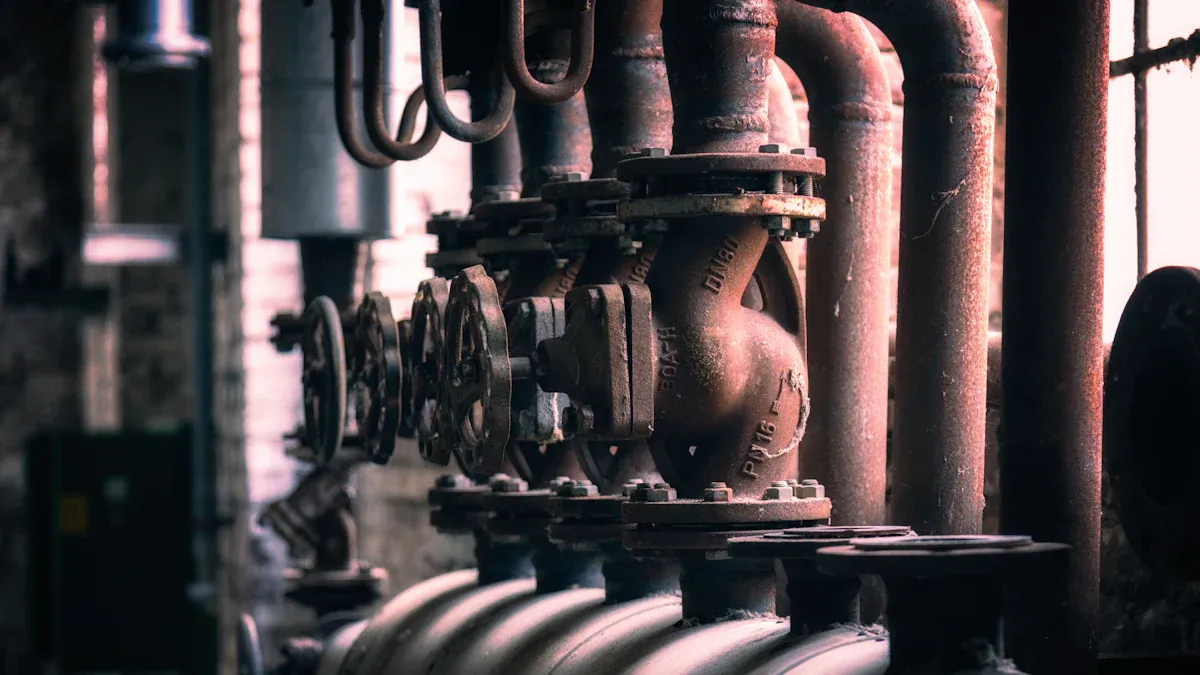
You might think a tiny drip or a small rust spot is no big deal. This is a dangerous assumption in brewing equipment maintenance. Overlooking leaks and corrosion allows small, fixable issues to grow into catastrophic failures. Diligent maintenance is your best defense against these silent threats.
A small leak of thermal fluid is a serious fire hazard. Your system uses thermal oils at temperatures that can be near their autoignition point. This means the oil can ignite on its own without a spark. A leak from a failed gasket or seal can seep into porous insulation. Once inside, the oil can heat up and spontaneously ignite when exposed to air. This is a major risk during maintenance.
Safety Alert: ⚠️ If you see darkened or stained insulation, it indicates a leak. You must handle this with extreme care. A sudden rush of oxygen during removal can cause the soaked insulation to burst into flames. This is a critical safety aspect of your maintenance.
Corrosion quietly weakens your oil heated brewhouse from the inside out. It often starts where you can’t easily see it. Water mixing with your thermal oil is a common cause of rust, which eats away at metal components. Your brewing equipment maintenance must include looking for these hidden threats.
You should focus your maintenance inspections on these common trouble spots:
Finding these issues early during regular maintenance prevents leaks and extends the life of your equipment. This proactive maintenance saves you from costly future repairs.
You can prevent major problems with a simple daily walk-around. This visual maintenance check takes only a few minutes but is incredibly effective. Use this guide to know what to look for.
| Problem Area | Visual Cues to Look For |
|---|---|
| Leaks | Dripping liquid, oil stains on the floor, sudden pressure drops on gauges, smoke near hot parts. |
| Corrosion | Discolored patches on metal, peeling or flaking surfaces, rust spots around fittings. |
| Oil Lines | Wet spots, visible cracks or bulges, strong fuel odors, loose fittings. |
Making this inspection a daily habit is the easiest and most effective maintenance you can perform to ensure system integrity and safety.
Your team is your most important resource in the brewery. Proper training turns them into a powerful asset for your brewing equipment maintenance program. Without it, they can become your biggest liability. Good maintenance depends on knowledgeable people. Your investment in training is an investment in the safety and longevity of your oil heated brewhouse. This maintenance is essential.
You can have the best maintenance checklists in the world. They are useless if your team does not know how to follow them. A well-trained operator understands the “why” behind each maintenance task. They can spot problems before they become disasters. This proactive approach to maintenance protects your equipment. An untrained operator, however, puts everything at risk. Their lack of knowledge can lead to costly errors and dangerous situations. Your maintenance plan must include comprehensive training.
An untrained operator can make simple mistakes with severe consequences. Their actions can directly damage your system. Common operational errors include:
These mistakes create immediate dangers for your facility and your team. The potential outcomes of poor maintenance are serious. They can lead to:
This is why consistent training is a non-negotiable part of your regular maintenance.
You can build a strong team by making training a priority. Your goal is to create a culture of safety and competence around your oil heated brewhouse. This involves more than just handing someone a manual. Effective brewing equipment maintenance requires hands-on learning and clear documentation.
Actionable Tip: 📝 Develop a formal training program. Document every procedure for your oil heated brewhouse. Have experienced staff mentor new hires. Schedule annual refresher courses to keep skills sharp. This maintenance training ensures everyone operates the system safely and correctly.
You can avoid the common mistakes by creating a proactive schedule. Good brewing equipment maintenance is not a one-time fix. It is an ongoing commitment. This structured approach turns random checks into a powerful system. This system protects your oil heated brewhouse and ensures consistent performance. This maintenance is your best strategy for long-term success.
A checklist is the first step. You must turn that list into a daily habit for your team. Consistent action is the key to effective maintenance. Document every task and assign clear responsibilities. This creates accountability. Your goal is to make regular maintenance as routine as mashing in.
Pro Tip: 🗓️ Use a digital calendar or a physical logbook in the brewhouse. Have your team initial each completed task daily or weekly. This simple action builds a strong maintenance culture and provides a clear record of all work performed.
You need the right tools to perform proper maintenance. Having these items on hand makes the job easier and more effective. Your toolkit should include basic hand tools, cleaning chemicals, and personal protective equipment (PPE). You also need a sharp eye for potential problems. Use this checklist during your regular maintenance inspections:
Sometimes, brewing equipment maintenance requires an expert. Partnering with a professional service like COFF gives you access to specialized knowledge. This partnership allows you to focus on brewing great beer. Experts handle complex maintenance, ensuring your system runs efficiently and safely. Outsourcing can be more cost-effective than hiring a full-time maintenance specialist. Professional firms offer structured preventive maintenance plans. They are also experts in safety regulations, which protects your business. You should schedule regular inspections with a professional. They help you maintain detailed records of all repairs and upgrades. This expert support gives you peace of mind, knowing your equipment is in good hands.
Your proactive brewing equipment maintenance is a direct investment in your brewery’s safety and quality. The five common maintenance mistakes—poor cleaning, bad oil, skipped safety checks, ignored leaks, and untrained staff—are entirely preventable. You should implement a comprehensive maintenance checklist for your oil heated brewhouse today. This regular maintenance protects your team and your bottom line.
Take control of your brewing equipment maintenance now to prevent catastrophic failure tomorrow. This final maintenance step is crucial.
You must perform a full clean-in-place (CIP) cycle after every single brew day. This practice prevents organic buildup and ensures efficient heating. Consistent cleaning protects your beer quality and is a non-negotiable part of your maintenance routine.
Visually inspect your oil regularly. Dark color, sludge, or a burnt smell are clear warning signs. For a definitive answer, you should send an oil sample to a lab for analysis annually. This test checks for degradation and potential fire risks.
You should test your high-temperature limit controller weekly. This device is your primary defense against overheating and fire. Confirming it functions correctly is a critical step. This simple check ensures your system can shut down safely in an emergency.
Yes, you can train your own team. You must create a formal training program with documented procedures.
Actionable Tip: 📝 Use your experienced staff to mentor new hires. Schedule regular refresher courses to keep everyone’s skills sharp and ensure safe operation.