


COPYRIGHT © 2022 COFF International Co., ltd. ALL RIGHTS RESERVED


You must ensure your oil heated brewhouse operates safely and efficiently. A structured annual maintenance plan helps your brewhouse perform at its best. This routine combines your own inspections with professional servicing. Proper maintenance for your brewhouse involves several key annual tasks.
Key Annual Tasks Include:
- Inspecting for leaks and corrosion
- Checking oil quality
- Cleaning heat exchangers
- Verifying safety systems
This guide helps you perform smart brewing equipment maintenance. You will understand which tasks you can handle for your oil heated brewhouse and when to call an expert for your brewhouse.
Your annual maintenance starts with your own two eyes. A careful self-inspection helps you spot small problems before they become major failures. This checklist guides you through the essential checks for your brewhouse.
Walk around your entire oil heated brewhouse system. You should look for anything that seems out of place. Pay close attention to leaks and signs of metal decay.
Start by searching for oil or water leaks. Even a small drip can signal a bigger issue. Check these common trouble spots carefully:
Next, inspect all metal surfaces for corrosion. Corrosion weakens the structure of your brewhouse equipment.
Heads Up: What Corrosion Looks Like 🔍
You can spot corrosion by looking for specific visual signs. Watch for dirty or rusty water, which means metal is breaking down inside the system. On the surfaces of pipes and tanks, look for orange or brown rust, small pits, or uneven metal where it should be smooth. Flaking metal on the outside of a tank is a clear warning sign.
The thermal fluid in your system is vital for efficient heating. The quality of your oil directly impacts the performance and safety of your brewhouse. Your annual maintenance must include an oil check.
Good quality oil has specific features. Food-grade systems require oils with an H1 or HT1 certification. These oils are also thermally stable, which means they resist breaking down at high temperatures. A high flash point is another key feature, as it reduces fire risk.
You must also look for signs of old or dirty oil. This check is crucial for preventing oil contamination. Look for these warning signs:
Checking the oil is a key part of your brewhouse maintenance. It protects your equipment and ensures a safe brewing environment.
Your oil heated brewhouse relies on many parts working together. A simple function test can confirm that key components are operating correctly. This proactive check helps keep your brewhouse running smoothly.
| Component | What to Check | Action to Take |
|---|---|---|
| Pumps | Listen for unusual noises. | A grinding or whining sound can indicate a bearing failure or other internal problem. |
| Valves | Check for smooth operation. | Open and close key valves to ensure they are not stuck or difficult to turn. |
| Control Panel | Verify display readings. | Confirm that temperature and pressure readings on the panel seem normal and match any manual gauges. |
Performing these simple tests gives you confidence in your system’s daily operation. Regular checks are a cornerstone of good equipment maintenance.
Your boiler is the heart of your oil heated brewhouse. Its pressure and flame are two vital signs of its health. This part of your annual maintenance routine helps you ensure the boiler is running safely and efficiently.
First, you need to check the boiler’s pressure gauge. This gauge tells you the pressure level inside the system. A stable pressure is essential for the proper operation of your brewhouse.
Boiler Pressure at a Glance 📊
- The best operating pressure for your oil-heated brewhouse is typically between 1 to 1.5 bar.
- When the boiler is actively heating, the pressure should be around 20 PSI.
- A safe general range for most industrial boilers is between 12 and 30 PSI.
- Pressure above 30 PSI is a danger sign. It can cause seals to fail and lead to serious equipment damage.
Regularly monitoring this pressure is a key maintenance task. It protects the long-term health of your entire brewhouse.
Next, you must inspect the burner flame. The color of the flame is a direct indicator of combustion efficiency. A healthy flame means your brewhouse is using fuel effectively. An unhealthy flame wastes fuel and creates other problems. A strong, steady blue flame shows complete combustion. This means your burner is working at peak efficiency, generating maximum heat from the fuel.
A yellow or red flame, however, signals a problem. This color indicates incomplete combustion. The fuel is not burning completely, which leads to wasted energy and higher fuel bills. This inefficient burn also produces soot. Soot can build up inside your brewhouse equipment, reducing its effectiveness and creating more work for future maintenance. If you see a yellow, sooty, or flickering flame, it is a clear sign that your burner needs professional attention.
A deep clean is a vital part of your annual maintenance. It keeps your oil heated brewhouse running efficiently and safely. This process targets areas that build up residue over time. Proper cleaning restores your brewhouse to peak condition.
Your heat exchangers and oil lines need regular attention. Clean components ensure consistent heat transfer for your brewhouse. You can use an acid mix to remove mineral deposits. A 1% acid solution circulated for 15 minutes works well. Non-caustic cleaners are another safe option for stainless steel. They protect the metal while removing buildup. For flushing oil lines, you can use higher capacity pumps to increase flow and dislodge blockages. This brewing equipment maintenance step is crucial for preventing contamination in your brewhouse.
Your boiler and burner require careful maintenance for safety and performance. Before you begin, you must follow strict safety rules. Always shut off and lock out all power to the boiler. This prevents any accidental startup.
Safety First: Boiler Cleaning Prep ⚠️
- Isolate the boiler from all steam and water lines.
- Depressurize the system slowly and completely.
- Wear proper safety gear, including gloves and goggles.
Once the boiler is safe, you can clean the fire tubes. Use a steel or nylon firetube brush to scrub away loose deposits. You should then inspect the combustion chamber for any debris. This focused maintenance keeps your brewhouse heart healthy.
Soot and carbon are enemies of efficiency in your oil heated brewhouse. Buildup on heat transfer surfaces acts like insulation. This forces your system to work harder and burn more fuel. The impact is significant.
A soot layer just 1/8 of an inch thick can cause a 47% heat loss. This can increase your fuel use by over 8%. Removing this buildup is one of the most effective ways to lower operating costs for your brewhouse. A clean brewhouse is an efficient brewhouse. Regular cleaning ensures you get the most heat from every drop of fuel.
A clean brewhouse is the foundation of great beer. Your annual maintenance must include strict sanitation protocols. This process goes beyond a simple rinse. It ensures every part of your brewhouse is free from contaminants that could spoil your product. Proper sanitation is a key part of your equipment maintenance.
You should understand that different parts of your brewhouse have different sanitation needs. The required level of cleaning depends on whether the equipment is used before or after the wort boil.
Sanitation: Hot Side vs. Cold Side 🧼
- Boil Kettle: This part of your brewhouse only needs a superficial cleaning during the mash. The boiling process itself sterilizes the equipment.
- Post-Boil Equipment: You must thoroughly sanitize anything that touches the wort after it boils. This includes your wort chiller, fermenters, and transfer hoses.
Before you sanitize, you must perform a deep clean. A standard cleaning process prepares your brewhouse surfaces for sanitization. First, you rinse everything with high-pressure hot water to remove loose soil. Next, you clean with an alkali-based detergent. For a piece of complex equipment like a plate heat exchanger, heat sanitation is the best method. You can achieve this by recirculating hot water at 180°F (82°C) for 30 minutes. This thorough maintenance step is essential for the long-term health of your brewhouse.
Following these sanitation rules protects your investment. This careful work prevents off-flavors and ensures consistent, better beer quality. A well-maintained brewhouse produces a superior product every time. Your commitment to a clean brewhouse defines your craft.
A safe brewhouse is a productive brewhouse. Your annual maintenance plan must prioritize the systems that protect your equipment and your team. This involves checking hardware and ensuring your staff is prepared for any situation.
You must test your safety relief valves and emergency shutoffs. These components are your first line of defense against dangerous over-pressurization. Your testing schedule should follow manufacturer guidelines and local safety codes.
Organizations like the American Society of Mechanical Engineers (ASME) set testing standards. For a low-pressure brewhouse boiler (15 PSI or less), you should manually check the valve quarterly and perform a pressure test annually. A valve functions correctly if it tests within 3% of its set pressure. You should also test your emergency fuel shutoff buttons to confirm they work instantly. This simple maintenance step is critical for a safe brewhouse.
Proper airflow is essential for your oil heated brewhouse. Good ventilation ensures complete fuel combustion and prevents the buildup of harmful gases like carbon monoxide. Your annual maintenance must include a thorough inspection of your boiler room’s ventilation.
Ventilation Checklist for Your Brewhouse 💨
- Two Openings: Your boiler room needs two unrestricted openings for air. One should be within a foot of the ceiling, and the other within a foot of the floor.
- Correct Sizing: Each opening must have at least 1 square inch of free area for every 1,000 BTUs/hr of your boiler’s input.
- Clear Exhaust: You need to check that the boiler’s exhaust flue is clear of obstructions, nests, or soot buildup.
A well-ventilated brewhouse operates more efficiently and protects your staff.
Your team is the most important safety feature in the brewhouse. Regular training minimizes human error and keeps everyone prepared. Your annual training program should cover key topics specific to your oil heated brewhouse.
You must train staff to identify hazards like steam leaks and overheating. Everyone should know the emergency shutdown procedures and evacuation plans for the brewhouse. Conduct drills to practice these responses. Your training should also cover the correct use of personal protective equipment (PPE).
| PPE Item | Purpose in the Brewhouse |
|---|---|
| Safety Goggles | Protects eyes from chemical splashes and hot liquids. |
| Heat-Resistant Gloves | Allows safe handling of hot pipes and valves. |
| Non-Slip Boots | Prevents falls on wet floors. |
This ongoing maintenance of staff knowledge ensures a safer work environment for everyone.
You must manage your fuel supply safely to protect your staff and equipment. Proper fuel storage and handling are essential for the safe operation of your oil heated brewhouse. This part of your annual maintenance prevents accidents and ensures a reliable fuel source for your brewhouse.
Your annual inspection should start at the fuel storage tank. A secure tank is the foundation of a safe fuel system for your brewhouse. Look for these key signs of trouble:
Beyond the tank, you must establish safe fuel handling procedures. A fuel spill can create a dangerous fire hazard and halt production in your brewhouse.
Pro Tip: Be Ready for Spills 🧯
You should always keep a spill containment kit near your fuel storage area. This kit should include absorbent materials, gloves, and disposal bags. A quick response to a spill protects your brewhouse environment.
The location of your fuel tank also matters. You must store fuel away from any ignition sources and ensure the area has good ventilation. Following these guidelines protects your investment and keeps your brewhouse running smoothly. A well-managed fuel system is a core component of a professional brewhouse. Your attention to these details ensures the long-term safety and success of your entire brewhouse operation.
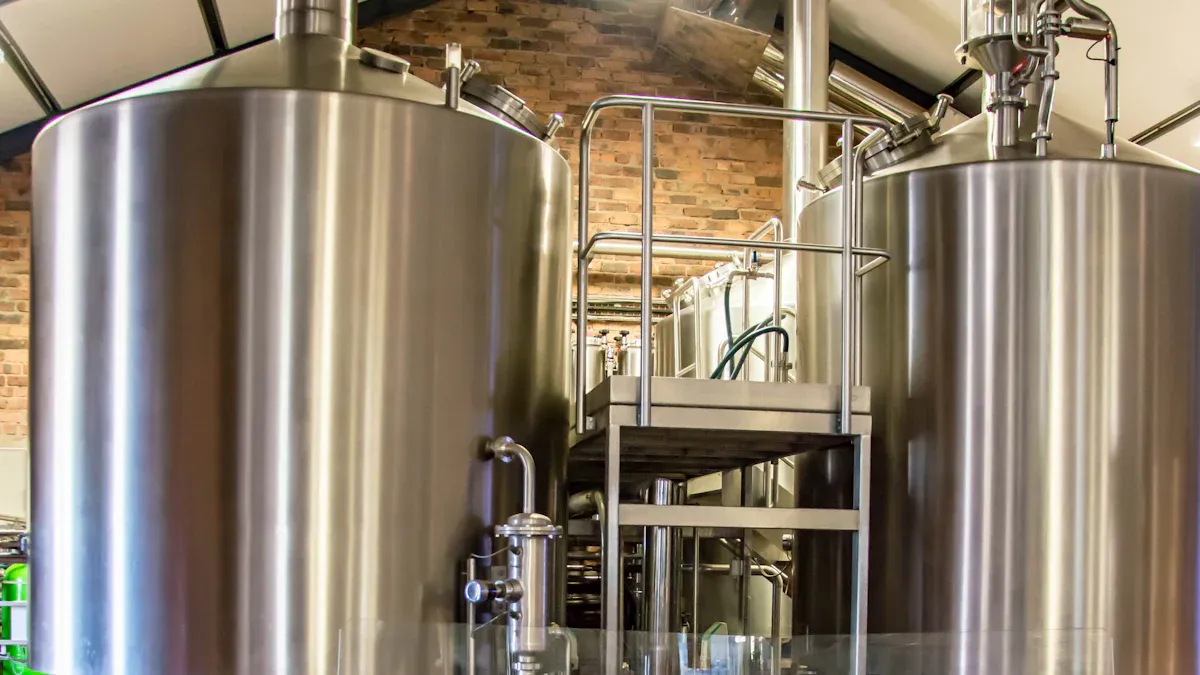
You can boost your brewhouse’s performance with a few key maintenance tasks. Better efficiency means lower energy bills and more consistent beer. This part of your annual plan focuses on fine-tuning your system for peak operation.
Accurate temperature readings are vital for a successful brewhouse. Your control panels and sensors guide your entire brewing process. Ensuring your gauges are accurate helps you maintain the quality and consistency of every batch. Mash temperature precision is especially critical. A small temperature change can alter enzyme activity, which affects your beer’s final body and alcohol content. This brewing equipment maintenance step ensures your brewhouse produces predictable results.
Pro Tip for Better Results 💡
You should calibrate your temperature sensors at least quarterly. This simple maintenance check keeps your brewhouse running accurately.
Good insulation saves you money. It keeps heat where it belongs, reducing the energy your oil heated brewhouse needs to use. Your annual maintenance should include a careful check of all insulation on your tanks, pipes, and boiler.
| Where to Look | What to Look For |
|---|---|
| Pipes | Gaps, tears, or compressed sections in the insulation wrap. |
| Tanks | Damaged or missing insulation panels, especially around fittings. |
| Boiler | Cracks or deterioration in the boiler jacket. |
Repairing damaged insulation is a simple way to improve the efficiency of your brewhouse. A well-insulated brewhouse, like one using an efficient glycol system, can lower energy bills significantly.
Clean filters are essential for your oil heated brewhouse. Clogged filters make your system work harder and can lead to damage. You should replace your air and oil filters as part of your annual maintenance schedule.
This quick and easy task protects your investment and keeps your brewhouse running smoothly.
You can significantly boost your brewhouse’s performance by upgrading key components. As technology advances, new parts can make your existing equipment more efficient and reliable. This proactive step is a smart investment in the future of your brewhouse. Choosing high-quality replacement parts ensures your system operates at its best.
COFF is a top professional designer and manufacturer of high-quality craft beer brewing equipment. They provide excellent parts that can enhance your oil heated brewhouse. Because COFF focuses on manufacturing high-end equipment, their components are built to last. Upgrading with parts from a specialized manufacturer ensures compatibility and performance for your brewhouse.
COFF’s Commitment to Quality 🏆
COFF focuses on customer-oriented research and development. They aim to highlight artistic style in every detail of their products to provide high-quality equipment and considerable service.
Consider upgrading these parts to improve your brewhouse:
Using superior components from a trusted source like COFF protects your entire brewhouse. Their deep knowledge of craft beer craftsmanship means their parts are designed for the practical needs of a modern brewer. This attention to detail helps you maintain a safe and productive brewhouse. Investing in quality upgrades is a crucial step for the long-term health of your brewhouse.
Your DIY inspections are a great first step in your annual care plan. However, some tasks require the tools and expertise of a certified professional. Knowing when to make that call protects your investment, ensures safety, and keeps your brewhouse running at its best. This professional partnership is essential for the long-term health of your oil heated brewhouse.
You should schedule a comprehensive service with a qualified technician at least once a year. This professional maintenance goes deeper than a visual check. A technician has the specialized tools to test combustion efficiency, clean internal components, and verify safety controls with precision. This service is the best way to ensure your brewhouse operates safely and efficiently for the year ahead.
When you hire an expert, you must verify their qualifications. Not all technicians have the training for commercial-grade equipment. Look for professionals with specific certifications for servicing commercial oil-fired boilers.
Technician Certifications to Look For 📜
- Combustion Specialist – I: This certification covers heating oils for boiler furnaces of any size.
- Combustion Specialist – II: This expert can service systems using natural gas, heating oils, and even biomass on large boiler furnaces.
- Combustion Technician: This certification is for technicians working on smaller boiler furnaces, typically 50-BHP or less.
Hiring a properly certified technician guarantees that your equipment receives the correct level of care. This annual service is a critical piece of your brewhouse maintenance strategy.
Some problems require immediate professional attention. You should never ignore warning signs from your oil heated brewhouse. Acting quickly can prevent costly damage and dangerous situations. You must shut down your system and call an expert if you notice any of the following issues.
Unusual noises are a clear signal that something is wrong inside your boiler. You should learn to recognize these sounds.
You must also watch for critical warnings from your control panel or the area around your brewhouse. These signs indicate an emergency.
Emergency Shutdown Required ⚠️ If you encounter any of these situations, evacuate the area and call for emergency service immediately.
- Suspected Gas or Oil Leak: A smell of rotten eggs or fuel oil means you should leave immediately and call your supplier or 911.
- Carbon Monoxide (CO) Alarm: If your CO detector goes off, treat it as a real threat.
- Repeated Boiler Lockouts: If the boiler keeps shutting down and displaying error codes, do not keep resetting it. A persistent fault needs a diagnosis.
- Burning Smells or Scorch Marks: Any smell of burning plastic or visible scorch marks points to a dangerous electrical fault.
Addressing these issues right away is the only way to prevent breakdowns and ensure the safety of your staff and brewhouse.
A detailed maintenance log is an essential tool for managing your brewhouse. Every time a professional services your equipment, you must document the visit thoroughly. This record provides a complete history of your system, helps you track recurring issues, and proves you are following safety protocols. Good records make future maintenance and troubleshooting much easier.
Your service log should be clear and comprehensive. Professionals are expected to provide this information, but you should ensure it is all recorded.
| What to Record | Why It’s Important |
|---|---|
| Date and Technician Info | Tracks who performed the work and when for future reference. |
| Scope of Work | Details the specific problems and the work undertaken to fix them. |
| Parts Replaced | Keeps an inventory of new components and their installation dates. |
| Control and Safety Tests | Documents that critical safety devices were tested and are functioning correctly. |
| Technician’s Notes | Provides valuable insights and recommendations for future care of your brewhouse. |
Maintaining this logbook protects your brewhouse. It creates an accurate and effective record for tracking every service, ensuring your system gets the consistent, high-quality care it needs to perform reliably.
A consistent annual care plan protects your oil heated brewhouse. This plan blends your own diligence with expert maintenance. This proactive maintenance guarantees the safety and peak efficiency of your brewhouse. It prevents costly downtime for your entire brewhouse. The return on this investment is significant. One brewery’s comprehensive maintenance program showed incredible results:
Secure your brewhouse production for the coming year. Contact a certified technician now to schedule your professional inspection for your oil heated brewhouse.
You should schedule a professional service at least once a year. A certified technician performs deep checks, like combustion analysis and safety control tests. This annual visit ensures your brewhouse runs safely and efficiently, preventing major issues before they start.
The flame color shows combustion health. A steady blue flame is ideal and efficient. A yellow or sooty flame indicates a problem that wastes fuel and creates buildup. You should call a professional if you see a yellow flame.
Your most important DIY tasks are visual inspections. You should regularly check for leaks, corrosion, and proper boiler pressure.
Key DIY Checks 🔍
- Look for oil or water leaks.
- Inspect for rust or metal decay.
- Listen for unusual noises from pumps.
These simple checks help you spot problems early.
Yes, you can improve efficiency. Upgrading key components with high-quality parts from a manufacturer like COFF makes a big difference. Consider new pumps, sensors, or valves. Repairing insulation also helps your brewhouse save energy and reduce costs.