


COPYRIGHT © 2022 COFF International Co., ltd. ALL RIGHTS RESERVED


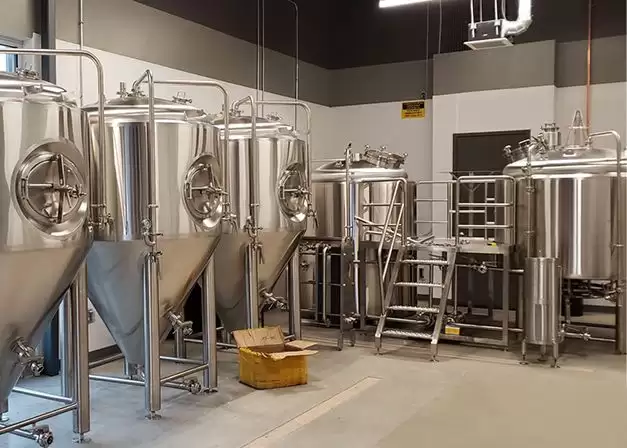
Stainless steel fermentation tanks, particularly conical fermenters, are now the most popular choice for brewers everywhere. These vessels have cone-shaped bottoms that make it easy to remove sediment. Their smooth surfaces help with fast and simple cleaning. Many brewers pick a stainless steel fermentation tank because it is strong and keeps beer sealed, which helps stop contamination. COFF is a top fermentation tank manufacturer known for quality and innovation. Brewers use a COFF fermentation tank to achieve clear results and maintain precise temperature control in every beer tank.
Stainless steel fermentation tanks are the top pick for brewers. They are tough, simple to clean, and stop germs from getting in.
Conical fermenters help brewers make beer that is clearer. They let you take out yeast and sediment easily. They also save time by doing many steps at once.
Picking the right tank size is very important. Tanks should be about 20% bigger than your batch. This gives space for the beer to expand as it ferments.
Plastic fermentation tanks work well for people just starting out. But they can keep old flavors and are harder to clean. They are best if you make small batches.
Keeping the right temperature is very important for good beer. COFF tanks have parts that help keep the temperature steady during fermentation.
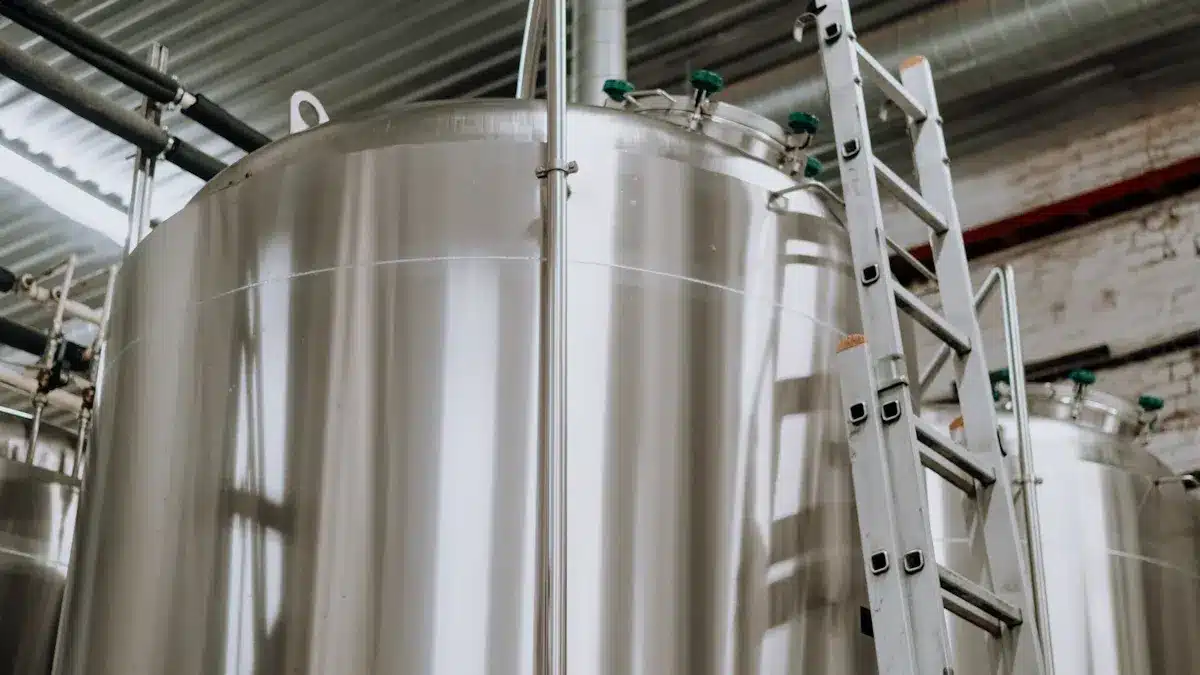
COFF is a top company for stainless steel beer fermentation tanks. The company uses strong materials and smart designs for every tank. These tanks are used in brewing, winemaking, and dairy production. COFF’s stainless steel beer fermentation tanks last a long time. They keep the fermentation process safe and clean. The tanks do not rust or break easily. This protects beer and other products inside.
COFF has many types of fermentation tanks. Each tank is made for different brewing needs. The table below lists the main types and their benefits:
Tank Type | Benefits |
|---|---|
Conical Fermenter | Makes beer clearer, keeps things clean, and lets brewers do more than one fermentation step in one tank. |
Cylindrical Fermenter | Keeps temperature steady, good for brewing that does not need yeast collection. |
Square Fermenter | Saves space, fits small areas, and still works well for fermentation. |
Horizontal Fermenter | Has more surface area, helps lager production, and improves yeast contact. |
Variable Capacity Fermenter | Can change size for different batches, good for seasonal brewing changes. |
COFF uses certified stainless steel and safe materials for every tank. This makes the tanks reliable and strong while being used. The company adds digital sensors and control systems. These help brewers watch the fermentation process and keep the product good.
Note: COFF checks every tank before sending it out. Factory Acceptance Testing looks for leaks, strength, and how well the tank works. This makes sure each tank is high quality.
COFF conical fermenters are important in brewing today. The cone-shaped bottom lets yeast and sediment settle. This makes it easy to take them out. The design helps brewers make clear beer and lowers the chance of contamination. Conical fermenters let brewers do more than one fermentation step in one tank. This saves time and work.
Temperature control is important during fermentation. COFF has jacketed and insulated conical fermenters. These tanks keep the temperature steady. This helps brewers get the right flavor and quality. Brewers can pick different sizes for their batches, from small craft to big commercial runs.
COFF helps every brewery with good customer service. The company gives each project its own engineer. They help with equipment and answer questions about the system. COFF also makes custom programs for each brewery. This helps new and old businesses do well.
COFF’s focus on smart engineering, quality, and support makes their fermentation tanks a top pick for breweries everywhere.
Plastic fermentation tanks are a common choice for beginners. They cost less and weigh less than other tanks. You can move them easily and use them without trouble. Most homebrew shops sell plastic tanks, so they are easy to get. But plastic tanks can get scratched. Scratches can hold bacteria and make cleaning tough. The plastic can soak up smells and tastes from old batches. This can change the taste of your next brew. Plastic tanks do not work well with high heat. They also do not let you control temperature as well.
Advantages of Plastic Fermenters | Disadvantages of Plastic Fermenters |
|---|---|
Cheap | Get scratched easily |
Light | Not very strong |
Simple shape | Material can soak up things |
Easy to find | Harder to clean |
Can’t handle much heat | |
Hard to keep temperature steady |
Tip: Use plastic fermentation tanks for small batches and short-term brewing.
Many people use glass carboys or PET fermenters at home. Glass carboys let you watch the fermentation happen. They do not get scratched, so they stay clean longer. But glass is heavy and can break if dropped. PET fermenters are lighter and safer to carry. They have bigger openings, so adding things or cleaning is easier. You can add extras like spigots to PET fermenters. Both types can make good beer. PET fermenters are easier for most people to use.
Glass carboys are heavy and can break.
PET fermenters are light, strong, and easy to store.
Both need careful cleaning to keep beer safe.
Stainless steel beer fermentation tanks are the best pick for many breweries. These tanks last a long time and do not rust. They are easy to clean and keep beer safe from germs. Most big breweries use conical fermenters made from stainless steel. These tanks come in many sizes, from small to huge. Some have special parts, like walls that help control temperature. Breweries can order tanks made just for them. Stainless steel tanks help keep brewing clean and steady. This helps make better beer every time.
Note: Most brewers like stainless steel fermentation tanks because they last long and are easy to clean.
Picking the right fermentation tank size is very important. The tank should fit the amount of beer you want to make. Brewers need extra space in primary fermenters for krausen to rise. This means the tank should be about 20% bigger than the batch. Secondary fermenters should be filled all the way to stop air from getting in. Breweries need to think about how much they make now and how much they might make later. Being able to change batch sizes helps with different brewing needs. Bigger beer fermentation tanks are better for big breweries. Stainless steel tanks last a long time and are simple to clean. Cooling systems help keep the temperature just right during fermentation. Breweries can pick a tank a little bigger than they need now. This lets them grow without buying new tanks.
Tip: COFF has fermentation tanks that can be changed for home, craft, or big breweries. This makes it easy for brewers to make more beer without new equipment.
How much money you have and how easy it is to clean the tank are important. The price depends on what the tank is made of, how big it is, and the brand. Stainless steel tanks cost more at first but last longer. Small tanks for beginners start at about $1,500. Special tanks can cost over $45,000. You also need to think about cleaning costs. Stainless steel tanks are simple to clean and keep safe. Plastic tanks are cheaper but harder to make really clean. Glass tanks do not hold smells but can break if dropped.
Factor | Impact on Price |
|---|---|
Stainless Steel Grade | Better steel costs more |
Tank Thickness & Design | Thicker or special shapes cost more |
Capacity | Bigger tanks are more expensive |
Special Features | Extra parts make the price go up |
Brand & Service | Famous brands charge more |
The kind of fermentation tank you use changes the taste and quality of your beer. Keeping the right temperature helps yeast work and gives good flavor. Clean tanks stop germs from ruining the beer. Stainless steel tanks do not keep old smells or tastes. Plastic tanks can hold onto old flavors and odors. Keeping out air helps beer stay fresh and good. Brewers who want the same good beer every time should pick tanks that are easy to clean and control temperature.
Note: COFF fermentation tanks help brewers make great beer every time.
Homebrewers want a fermenter tank that is simple to use and clean. They should look for features that make fermentation safe and easy. The table below lists important things to think about:
Feature | Description |
|---|---|
Temperature Control | Keeps yeast healthy and beer tasting good. Jacketed tanks are good for this. |
Design and Layout | Pick a tank shape and size that fits your space. |
Cleaning | Clean the tank often to stop contamination. You can clean by hand or use a CIP system. |
Inspection | Check for leaks or damage often. Make sure gaskets and seals are in good shape. |
A homebrewer can start with a small beer fermentation tank. Many people use plastic or glass tanks, but stainless steel tanks last longer and are easier to clean. Good temperature control helps make better beer every time.
Small breweries need tanks that balance price and how well they work. Single-wall tanks cost less and are easy to use. Double-wall tanks help control temperature better, which keeps beer quality high. Stainless steel conical fermenters are a good choice for these breweries. They make it easy to remove sediment and lower the chance of contamination. These tanks also help collect yeast and make beer clearer.
Single-wall tanks are cheap and simple to use.
Double-wall tanks keep temperature steady.
Stainless steel tanks last long and are easy to clean.
Conical tanks help with advanced brewing steps.
Small breweries can grow by picking tanks that fit what they need now and later.
Commercial brewing facilities need big fermentation tanks that match their space and how much beer they want to make. The table below shows important things to think about:
Factor | Details |
|---|---|
Capacity | Tanks can be from 1 to 1000 barrels. Pick the right size for your needs. |
Space Requirements | Vertical tanks save floor space. Horizontal tanks can be easier to clean. |
Design Features | Look for insulated walls, cooling jackets, and pressure-rated designs. |
Customization | Some tanks have extra ports, special finishes, or custom sizes for special brewing needs. |
High-end tanks, like COFF tanks, cost more at first but work better and lower the risk of contamination. These tanks help save yeast and give a better return on investment. Commercial brewers often pick conical fermenters because they are strong and give good control over fermentation.
Stainless steel conical fermenters are the best pick for brewers. The table below explains why many people like these tanks:
Benefit | Reason |
|---|---|
Durability | Tanks last a long time and do not break easily |
Easy Cleaning | Smooth surfaces make cleaning simple and stop germs |
Efficient Brewing | One tank can do both fermentation steps |
Yeast Harvesting | Brewers can use yeast again and save money |
Brewers need to choose a tank that fits their goals, batch size, and budget. Good tanks like COFF’s give strong help and are worth the money for many years.
Stainless steel does not rust or break easily. Brewers can clean it fast. It does not keep old smells or tastes. Tanks made from stainless steel last a long time. COFF uses safe stainless steel for every tank.
A conical fermenter gathers yeast and sediment at the bottom. Brewers can take these out without trouble. This shape helps make beer look clear. It also lowers the chance of germs getting in. Many breweries use conical fermenters for better beer.
Homebrewers can use COFF fermentation tanks at home. COFF has small tanks for home brewing. These tanks help keep the temperature right and beer safe. Cleaning is easy for brewers. COFF gives advice and custom choices to homebrewers.
COFF tanks have jacketed walls and insulation. These parts help keep the temperature steady. Brewers use digital sensors to check the process. Good temperature control helps yeast work and makes beer taste better.
COFF tests every tank before sending it out. Engineers check for leaks and test how strong the tank is. Each tank must pass strict rules before shipping. COFF helps customers with support and advice after they buy a tank.