


COPYRIGHT © 2022 COFF International Co., ltd. ALL RIGHTS RESERVED

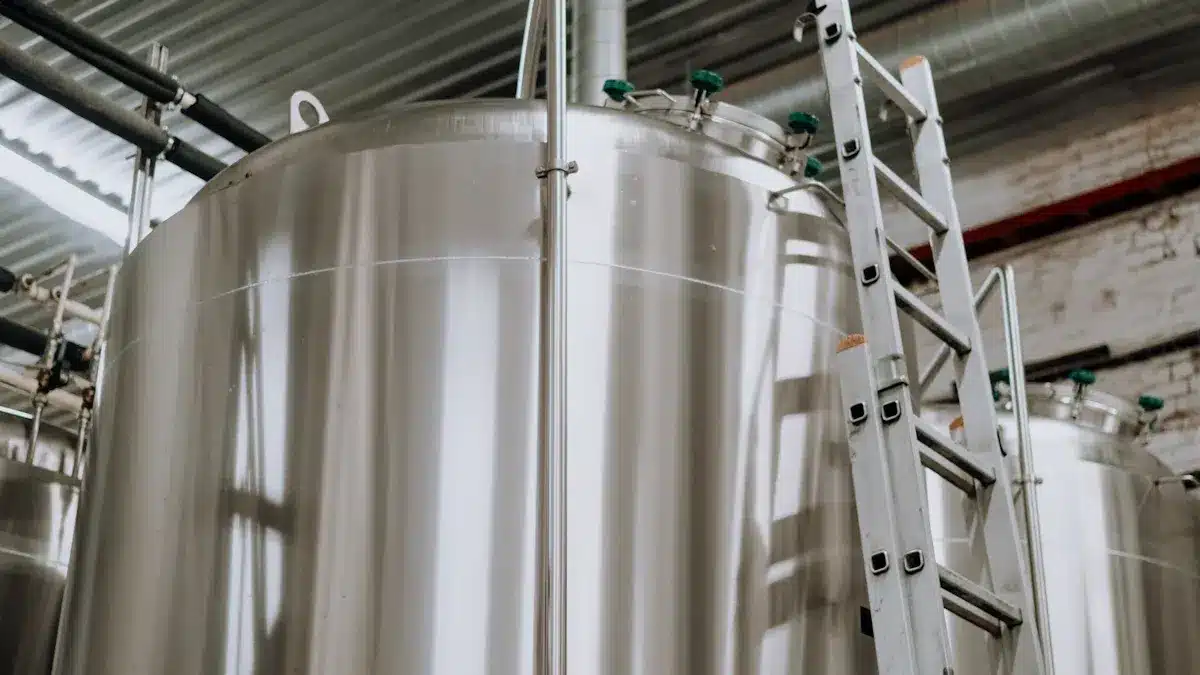
Many cider makers pick the COFF cider tank because COFF is a top stainless steel tank manufacturer. This fermenter is suitable for both home brewers and commercial producers. It is also recommended by many craft brewing equipment manufacturers for its versatility and reliability. Some people prefer other options, such as BrewBuilt X1 Uni Pro, Speidel Plastic, Fermzilla, or The Catalyst. These fermenters meet different production needs, allowing beginners and hobbyists to confidently start making cider with the right equipment.
Pick the best material for your fermenter. Stainless steel lasts a long time and is simple to clean. Plastic is light but can hold smells.
Think about how much cider you want to make. Small fermenters are good for trying new things. Big ones are better if you make a lot at once.
Make sure your fermenter has a strong airlock. This keeps your cider safe from air and germs while it ferments.
Clean your fermenter often. Use hot water, soap, and a safe sanitizer. This helps your fermenter stay in good condition.
Pick a fermenter that works for you. If you are new or make cider to sell, the right fermenter makes cider-making better.

Cidermakers need to pick the best material for their fermenter. The material changes how the cider tastes and how safe it is. It also affects the quality of the cider. Stainless steel is strong and does not rust. It keeps cider safe from germs and keeps apple flavors fresh. Plastic is light and cheap, but it can get smells stuck in it and gets scratched easily. Glass is clean but heavy and breaks easily. The table below shows how these materials are different:
Material | Pros | Cons |
|---|---|---|
Stainless Steel | Durable, easy to clean, resists corrosion | Heavier, higher initial cost |
Plastic | Lightweight, affordable, beginner-friendly | Scratches, absorbs odors, less durable |
Glass | Clean surface, does not absorb flavors | Fragile, hard to clean, heavy |
The size of the batch is important for cidermakers. People who make cider at home use small presses. These presses make 20 to 90 liters each time. Big cideries use much bigger presses. They can make thousands of liters every day. Large fermenters help make more cider at once. Small fermenters are good for trying new cider recipes or yeast mixes. This helps cidermakers make enough cider and try new ideas.
Press Type | Typical Batch Size |
|---|---|
Traditional basket / rack-and-cloth press | ≤20–90 L per cycle |
Small hydraulic basket press | ~75–90 L per batch |
Continuous belt press (commercial) | Up to 72,000 lbs daily |
A good airlock keeps cider safe while it ferments. It lets carbon dioxide out but stops oxygen and germs from getting in. This keeps the cider from going bad. Most airlocks are simple to use and clean. They fit on many fermenter lids and stoppers.
Tip: Always check the airlock to make sure it is sealed. This keeps your cider fresh.
Clean tools make better cider. Stainless steel is easiest to clean because it is smooth. Plastic can get scratched, so it is harder to clean well. Glass is hardest to clean because it is heavy and shaped oddly. To clean, wash with hot water and soap, rinse, and use a food-safe sanitizer.
Wash with hot water and soap.
Rinse well.
Sanitize with a food-safe product.
Let air dry.
Stainless steel fermenters last more than 20 years and do not need much care. Plastic lasts 5 to 10 years but needs more cleaning. Glass breaks easily and does not last as long. Stainless steel is the best choice for people who want to make cider for many years.
Material | Average Lifespan (Years) | Maintenance Needs |
|---|---|---|
Stainless Steel | Over 20 | Low |
Plastic | 5–10 | High |
Glass | Less durable | Moderate to high |
Many people who make cider at home use glass carboys. These containers keep air out, so the cider stays fresh. This helps the apple taste stay strong and stops spoilage. You can see inside the carboy without opening it. This lets you watch the yeast work and see when the cider is clear. Glass is stronger than plastic buckets, but it can break if dropped. The neck is narrow, so cleaning is harder. You need special brushes to clean inside.
Airtight seal keeps cider safe from air.
Clear glass makes it easy to watch cider.
Cleaning is hard because of the shape.
Plastic buckets are cheap and simple for making cider. Many beginners use them because they are light and easy to move. The wide top makes it easy to add juice and yeast. Cleaning is easier than with glass carboys. But plastic gets scratched easily. Scratches can trap yeast and germs, which can change the taste. Over time, plastic can also hold smells from old batches.
Stainless steel fermenters are very clean and safe. The smooth surface is easy to wash and sanitize. Stainless steel does not hold flavors or smells, so each batch tastes fresh. These fermenters do not rust and last a long time. Many big cider makers use stainless steel. It helps control temperature, so yeast works well. Stainless steel keeps the apple taste pure and makes clean cider.
Feature | Stainless Steel | Plastic | Glass |
|---|---|---|---|
Durability | Very strong | Scratches easily | Breaks easily |
Hygiene | Easy to clean, smooth | Can hold germs | Smooth, hard to clean |
Temperature Control | Very good | Not good | Not good |
Note: Stainless steel fermenters do not react with cider. This helps yeast stay healthy and keeps cider tasting good.
PET fermenters let some gas move through the walls. This can make cider drier because yeast keeps eating sugars. Glass bottles keep out air, so cider stays sweeter and keeps more apple taste. PET fermenters can cause more yeast to settle and less fizz.
PET fermenters are light and do not break as easily as glass. They are good for people who want dry cider. But they may not keep cider as sweet or fresh as other fermenters.
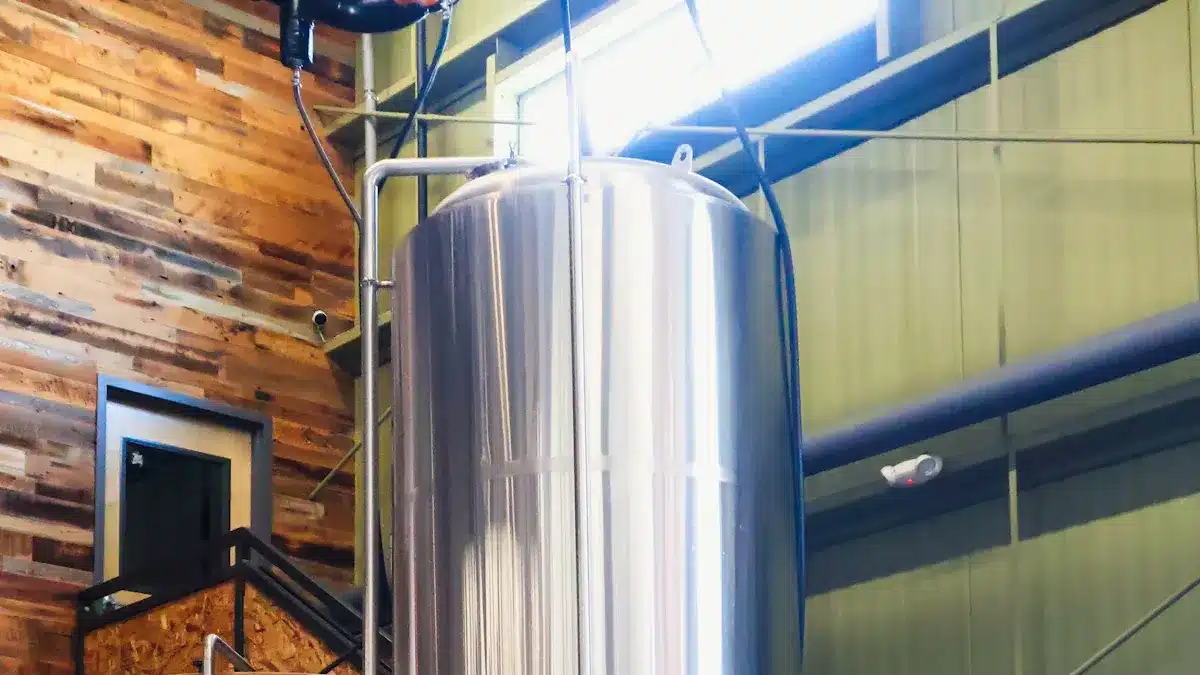
The COFF cider tank is a top pick for home and commercial cider makers. It uses SUS304 stainless steel that keeps cider safe and fresh. The inside is polished and has smooth welds to stop bacteria. This tank does not rust and lasts for many years. Cider makers can pick different sizes for their batches. The tank fits in small or big spaces because it can be changed to fit. COFF engineers help customers design tanks for their cider setup. The oil-heated system saves energy and keeps the temperature steady for yeast. Many cider makers trust this tank for its quality and support.
Customization Aspect | Description |
|---|---|
Sales Associates | Work closely with customers to create tailored solutions, providing timely quotations and guidance. |
Customized Fabrication Drawings | Engineers create precise tank drawings and a utility list for smooth integration with facilities. |
Process Flow Development | Provides a detailed Process & Instrumentation Diagram to confirm system workflow. |
On-time Delivery | Estimated shipment dates provided, with a lead time of 6-8 weeks for production. |
Project Status Updates | Dedicated Project Manager maintains regular communication and updates throughout the project. |
Post-sales Engineering Support | Worldwide engineering support, including installation and training, with a three-year warranty. |
The COFF cider tank is good for anyone who wants a reliable and clean way to make cider. It works for small craft makers and big companies. The tank keeps apple flavors pure and helps yeast grow well.
The BrewBuilt X1 Uni Pro is a strong fermenter made from 304 stainless steel. It has a shiny finish and marks inside for gallons and liters. The fermenter has a built-in 15 psi PRV and a 2″ dump valve for easy yeast removal. Four legs keep it steady, and the handles have soft silicone for comfort. The feet can be moved to make the fermenter level on uneven floors.
People like the wide top opening and smooth walls for easy cleaning.
The dump valve and racking arm help keep cider clear by lowering sediment.
Temperature control is strong, so yeast works well and cider stays high quality.
Feature | BrewBuilt X1 Uni Pro | Other Fermenters |
|---|---|---|
Production Capacity | 14 gallons | Varies |
Peltier Technology | Yes | Some models |
Flex Chamber | Yes | Limited functionality |
Pressure Pack | Yes | Not in all models |
Material | 304 stainless steel | Varies |
This fermenter is best for advanced home brewers or small cideries who want to control their cider closely.
Fermzilla All Rounder is a PET fermenter that is light and simple to use. It lets cider makers watch the fermentation process. The vessel is strong and does not break easily. The wide opening makes cleaning easy. Fermzilla All Rounder is good for people who want to try new yeast and cider recipes. It is a good choice for dry cider because it lets some gas pass through, which helps yeast finish more sugars. This fermenter is great for hobbyists and small batch cider makers who want an easy and cheap option.
The Speidel Plastic Fermenter is liked by beginners. It is light and has a wide opening, so filling and cleaning are easy. The vessel is made from heavy-duty HDPE, so it lasts longer and stops oxygen from getting in. The sealed ports with gaskets let cider be stored for a long time. Some advanced models have features like sediment separation, which keeps cider clear and helps yeast grow well.
Feature | Description |
|---|---|
Ease of Use | Lightweight and wide openings make handling and cleaning simple for beginners. |
Affordability | Cost-effective option suitable for budget-conscious brewers or small batches. |
Customizable Options | Advanced models provide features like sediment separation for improved brewing. |
Wide top port opening | Allows for easy hand cleaning without specialized brushes. |
Heavy-duty HDPE | Ensures durability and resistance to oxygen transfer, maintaining beverage quality. |
Sealed ports with gaskets | Enables the vessel to be fully sealed for long-term storage. |
This fermenter is best for new cider makers or people who want a cheap way to make cider.
The Catalyst Fermenter uses Tritan material that is medical-grade and BPA-free. This material is clear like glass and strong like plastic. The fermenter holds 6.5 gallons, which is enough for most home cider batches. The 3-inch butterfly valve is the biggest in the industry and makes it easy to remove trub and yeast. The cone shape with a 45° angle helps yeast and trub settle at the bottom. The Catalyst Fermenter lets you do all steps—primary fermentation, secondary fermentation, yeast harvesting, and bottling—in one vessel.
The vessel does not scratch and can be cleaned in the dishwasher.
The big valve makes cleaning and yeast removal easy.
The all-in-one design saves time and means you need less equipment.
This fermenter is good for home cider makers who want a clear and easy vessel for every step of making cider.
Some cider makers use other fermenters to fit their needs. Wooden vats give cider a classic look and add flavor with micro-oxygenation. Stainless steel tanks are strong and easy to care for. Fiberglass tanks are cheap and do not rust, but they need careful cleaning. Open fermenters let air in, which can boost apple flavor, but they need close watching to stop germs. Closed fermenters lower the risk of germs and give better control over fermentation. Small fermenters help with testing and custom batches, while big fermenters are good for making lots of cider.
Type of Fermenter | Strengths | Weaknesses |
|---|---|---|
Wooden Vats | Micro-oxygenation enhances flavor complexity; traditional aesthetic appeal | Requires significant maintenance; expensive compared to other materials |
Stainless Steel Tanks | Non-reactive; durable; minimal maintenance | Significant investment for smaller producers |
Fiberglass Tanks | Affordable; easy to install; corrosion-resistant | Prone to cracking; requires careful cleaning to prevent contamination |
Open Fermenters | Natural aeration enhances flavor profiles; easier to clean | Increased risk of contamination; requires careful monitoring |
Closed Fermenters | Reduces contamination risk; better control over fermentation environment | More challenging to clean; requires additional monitoring equipment |
Small-scale Fermenters | Greater experimentation and customization; affordable | Limited capacity for production; not suitable for scaling up operations |
Large-scale Fermenters | High-volume production; economies of scale; advanced control features | Significant investment and infrastructure required; cleaning challenges |
Tip: Pick a cider tank or fermenter that matches your batch size, space, and cider goals. The right vessel helps yeast work well and keeps apple flavors bright.
The COFF cider tank is tough and simple to clean. It can hold different amounts of cider. Many people pick this tank because it controls temperature well. It also has features you can change. When picking a fermenter, cider makers should think about how long it will last. They should also think about how easy it is to clean. They need to know how much cider they want to make. They should check if the tank can control temperature. They should look for features that fit their way of making cider.
Every cider maker wants something special. Choosing the best fermenter helps them make cider they are proud of. It also makes the process more fun.
Most people making cider at home use fermenters from 5 to 30 liters. This size is good for small batches. It is also easy to move and clean. Bigger fermenters are better if you want to make more cider.
You should clean your fermenter every time you use it. Clean tools stop bacteria from growing. This keeps your cider tasting good. Stainless steel tanks are the fastest and easiest to clean.
You can use a beer fermenter to make cider. Make sure to wash and sanitize it well before using. Stainless steel, glass, and food-grade plastic fermenters all work for cider.
Controlling temperature helps yeast do its job right. Keeping the temperature steady stops bad tastes and spoilage. Many stainless steel fermenters, like the COFF cider tank, let you control temperature very well.
Stainless steel lasts longer and does not scratch easily. It does not soak up smells or flavors. Plastic fermenters are cheaper but may break sooner. Stainless steel is cleaner and stronger.