


COPYRIGHT © 2022 COFF International Co., ltd. ALL RIGHTS RESERVED

Milk cooling equipment includes stainless steel milk tanks, dairy milk chillers, glycol systems, and precoolers. As a trusted stainless steel tank manufacturer, NBCOFF provides reliable solutions such as the milk tank to help cool milk quickly after collection. Fast cooling keeps milk fresh and safe to use.
Cooling milk quickly lowers bacteria risk, makes it last longer, and stops bad tastes.
Effect | Description |
|---|---|
Pathogen Risk Reduction | Cooling milk fast lowers the chance of lots of bacteria in raw milk. |
Improved Shelf-Life | Chilling milk quickly helps it last longer and stops bad tastes. |
Recommended Temperature | It is best to chill raw milk to 35-40 °F within one hour after milking. |
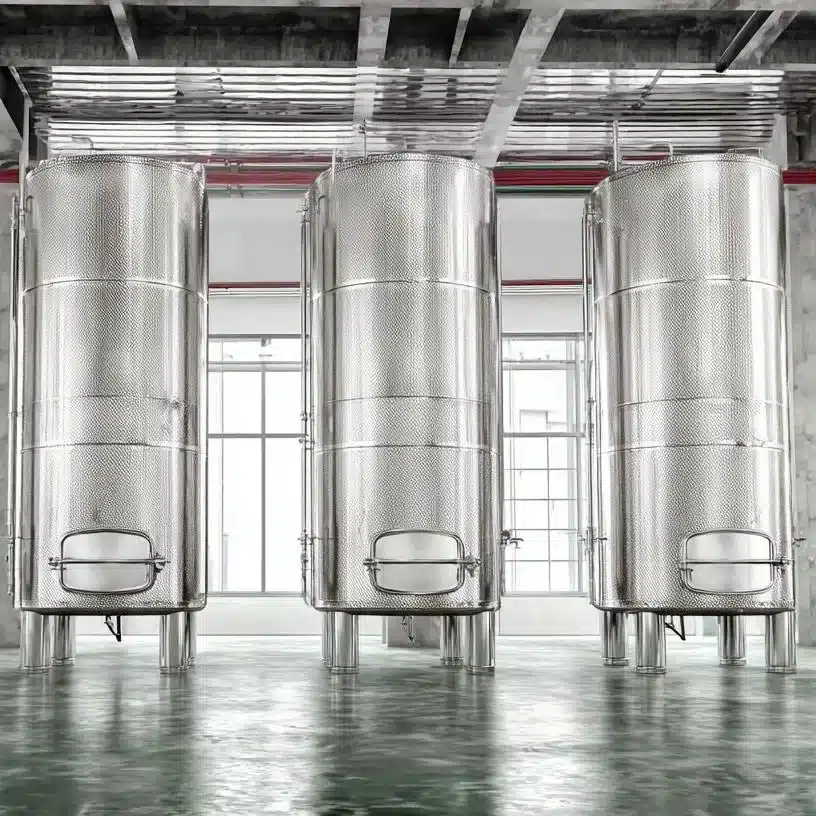
A stainless steel milk tank is a common choice for dairy farms and processing plants.
Cooling milk fast lowers bacteria risk and helps it last longer. Try to cool milk to 35-40 °F in one hour after milking.
Stainless steel milk tanks are strong and clean. They keep milk safe and fresh. These tanks are a good choice for dairy farms.
Dairy milk chillers and glycol systems cool milk quickly. Pick the best system for your farm size and milk amount. This helps your farm work well.
Taking care of cooling equipment saves money and stops problems. Clean chillers often and check refrigerant levels. This keeps everything working right.
Adding precoolers and pipe coolers to milk tanks makes cooling better. This setup keeps milk good and lowers energy costs.

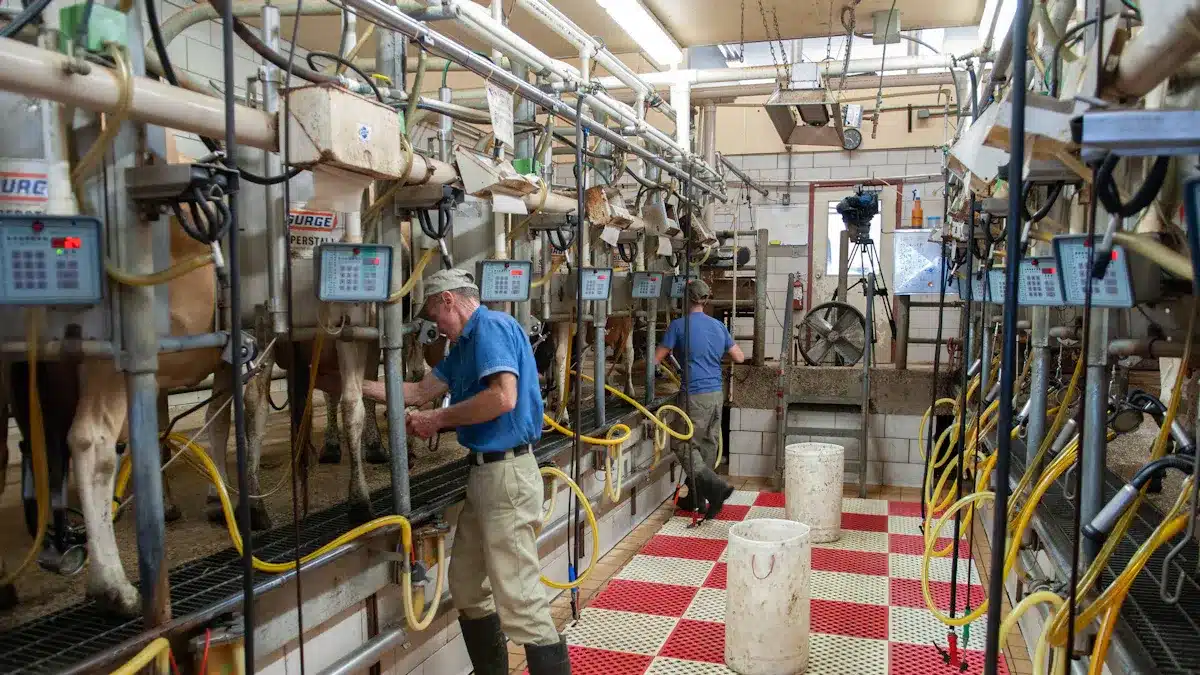
A stainless steel milk tank is very important on dairy farms. Farmers and workers use these tanks to collect, cool, and store raw milk safely. The tank cools fresh milk fast. This helps keep the milk fresh and safe for a longer time.
There are a few main types of stainless steel milk tanks:
Silo milk tank stainless: These tanks are tall and stand up straight. They hold a lot of milk and are usually outside at big dairy plants.
Horizontal milk tank stainless: These tanks are shorter and fit in places with low ceilings. They are simple to clean and take care of.
Mobile milk tank stainless: These tanks move milk from farms to other places. They have insulation and cooling systems built in.
A stainless steel milk tank stores milk at collection centers. It holds milk before pasteurization or packaging. Big tanks can hold milk from many farms. They keep it cool until it goes to the next step.
COFF is a top brand for stainless steel milk tanks. The company makes tanks with food-grade stainless steel. This keeps milk safe and makes the tanks last longer. COFF tanks have special features for all kinds of dairy farms.
Feature | Description |
|---|---|
Durability | COFF tanks last many years and work well. |
Hygiene | The stainless steel surface does not keep harmful chemicals. This keeps milk safe. |
Temperature Control | Sensors inside the tank keep milk at the right temperature, usually between 3 and 8 °C. |
Customization Options | COFF has tanks in different sizes and shapes for different needs. |
Clean-in-Place (CIP) Systems | These systems clean the tank by themselves. This saves time and keeps things clean. |
Non-reactive Material | Stainless steel does not react with milk. This keeps the taste pure and fresh. |
Stainless steel milk tanks follow strict industry rules. The table below shows some important certifications and materials:
Standard/Certification | Description |
|---|---|
FDA Certification | Materials are safe for touching milk. |
ISO 9001 | Makes sure the tanks are made well and work well. |
Material Selection | Uses strong 304 or 316 stainless steel that does not rust easily. |
Stainless steel surfaces help keep milk safe and make the tanks last longer. Clean-in-Place (CIP) systems use strong cleaning liquids to wash the tank without taking it apart. This works better than cleaning other materials. Stainless steel also does not rust easily, which makes it safer and stronger.
Picking the right stainless steel milk tank depends on a few things. Dairy workers should think about:
Capacity: The tank should hold enough milk for each day. It is smart to plan for more milk in the future.
Size: The shape and size of the tank help mix and store milk well.
Regulations: The tank should follow safety rules like ASME and UL 142.
Tank Type: Workers can pick pressure tanks or storage tanks for their needs.
Some good features to look for are:
Manholes for easy cleaning and fixing.
Level indicators to see how much milk is inside.
Temperature sensors to keep milk at the right temperature.
Clean-in-Place (CIP) systems for quick and good cleaning.
A stainless steel milk tank costs more at first than other tanks. But it lasts longer and needs less fixing. This saves money over time. Many dairy farmers get more value because of these good points.
Dairy milk chillers help keep milk fresh and safe. Workers use chillers to cool milk right after it is collected. This stops bacteria from growing and keeps the milk tasting good. There are many types and sizes of chillers. Some chillers are best for small farms. Others work better for big dairy plants.
Chillers use special parts to make milk colder. Most chillers have an air-cooled condenser, a refrigeration compressor, and a refrigerated bulk tank. These parts work together to take heat out of the milk. The milk goes into the tank, and the chiller cools it right away. Fast cooling brings the milk down to about 4°C. This helps stop the milk from going bad.
The table below shows different chillers and how they work:
Type of Chiller | Operation | Applications |
|---|---|---|
Direct Expansion (DX) Chillers | Utilize a refrigerant that directly cools the milk through an evaporator. | Perfect for small to medium-scale dairy operations. |
Glycol Chillers | Use a glycol-water mixture as a secondary coolant. | Suitable for larger dairy farms and handling facilities. |
Bulk Milk Coolers (BMC) | Large insulated tanks with an integrated cooling system. | Commonly utilized in dairy ranches for large amounts of milk. |
Instant Coolers | Utilize plate or tubular heat exchangers for immediate cooling. | Frequently used in conjunction with pasteurization. |
Dairy milk chillers help farmers follow food safety rules. They keep milk at the right temperature and stop bacteria from growing. Picking the right chiller depends on how big the dairy is and how much milk needs cooling.
Glycol milk cooling systems are common in the dairy world. These systems use a glycol-water mix to cool milk fast. Workers pump milk into cold tanks, and the glycol mix takes heat from the milk. This keeps the milk at the right temperature and lowers bacteria risk.
Plate coolers also help chill milk quickly. These coolers have plates with grooves. Milk and the cooling agent flow between the plates. Glycol is the cooling agent. It keeps the temperature steady and stops problems like rust and bacteria. Plate coolers work well with pasteurization. They are a good pick for big dairy plants.
Some good things about glycol milk cooling systems and plate coolers are:
They cool milk fast to safe temperatures
They keep the temperature steady
They are easy to clean and made with stainless steel
They are simple to take care of
Glycol milk cooling systems are not expensive and work well. They help dairy farms save money and keep milk safe.
Energy efficiency is important for dairy milk chillers. New chillers use less energy than old ones. Pre-cooling heat exchangers can cool milk before it goes into the bulk tank. This step can save up to 60% of cooling energy. Direct expansion cooling systems cool milk inside the tank. Indirect systems use heat exchangers to cool milk before it goes in the tank.
The table below shows how cooling methods save energy:
Cooling Method | Energy Savings (%) | Description |
|---|---|---|
Pre-cooling heat exchanger | 60 | Lowers milk temperatures significantly before entering the bulk tank, reducing refrigeration energy consumption. |
Direct expansion cooling system | N/A | Cools milk directly in the bulk tank using evaporator plates. |
Indirect cooling system | N/A | Relies on heat exchangers for pre-cooling before bulk tank entry. |
Regular care keeps chillers working well and saves money. Workers clean the chillers, check refrigerant, and look at door seals. Preventive care lowers repair costs and stops emergency fixes. The table below lists important care jobs and what they do:
Maintenance Task | Impact on Operational Costs |
|---|---|
Regular cleaning | Ensures food safety and equipment longevity |
Preventive maintenance checks | Reduces repair costs and avoids emergency call-outs |
Cleaning condenser coils | Prevents blockages that affect cooling efficiency |
Checking refrigerant levels | Avoids overheating and maintains proper functioning |
Inspecting door seals | Prevents temperature fluctuations and energy waste |
Ensuring thermostat calibration | Maintains desired temperature for milk quality |
Checking for leaks in refrigerant | Prevents loss of cooling performance |
Dairy milk chillers with automatic systems help workers watch the temperature and find problems early. These features make chillers more reliable and save energy. Farms and plants that use glycol milk cooling systems and plate coolers can spend less and keep milk safe.
Tip: Preventive care saves money and keeps chillers working well. Workers should check chillers often to stop problems.
Precoolers are important for cooling milk. They use plate heat exchangers to cool fresh milk fast. Workers pump milk through thin metal plates. Cold water moves on the other side of the plates. The plates move heat from the milk to the water. This cools the milk from 37°C to about 15°C before it goes into the main cooling tank. Precoolers help farms use less electricity than other coolers. For example, cooling 1,000 liters of milk with a refrigeration cooler uses about 8.5 kWh. Precoolers can lower this energy use. This means dairy producers pay less for power.
Precoolers help milk get cold faster, keep it safe, and save money.
Pipe coolers have many good points for dairy farms. They cool milk as it moves through pipes after milking. This keeps milk fresh and stops bacteria from growing. Pipe coolers also help farms work faster.
Enhanced Milk Quality: Pipe coolers drop milk temperature fast. This stops bacteria and keeps milk tasting good.
Increased Efficiency: These coolers cut down on extra cooling and speed up milk work.
Energy & Cost-Savings: Farms spend less on power because pipe coolers keep milk cool.
Space Savings: Their small size fits well in tight dairy spots.
Hygiene: Pipe coolers are easy to clean and do not lower pressure much. This helps keep milk safe.
Dairy farms often link precoolers and pipe coolers to stainless steel milk tanks. This lets milk flow from the milking parlor through the cooler and into the tank right away. The milk goes into the tank colder, so the tank’s cooling system works less. Farms get better milk, lower energy bills, and easier cleaning. Many new milk tanks, like those from COFF, can connect with precoolers and pipe coolers for smooth cooling.

Dairy farms use insulated transport tanks to move milk. These tanks keep milk cold and fresh on the way to plants. The tanks have two walls. The outside wall is stainless steel or aluminum. The inside wall is stainless steel. There is insulation between the walls. This stops heat from getting in. Some tanks use vacuum insulation. This means there is no air between the walls. It helps keep the milk cold. The inside of the tank is smooth. This makes it easy to clean and stops bacteria. Many tanks have systems to check the milk’s temperature. The tanks are shaped like cylinders. This shape helps keep the cold in and stops heat from getting inside.
Double-walled tank construction
Vacuum insulation
Seamless interior finish
Temperature monitoring and control
Cylindrical tank design
Groups like the FDA and the EU have rules for milk transport. They want milk to stay cold and safe. Canada’s National Dairy Code also has rules for moving raw milk.
Keeping milk cold when moving it is very important. It keeps milk safe and good to drink. Farms and drivers follow rules to keep milk cold. They use instant milk chillers to cool milk fast before moving it. Small farms might use insulated cans with ice packs. At the farm, milk is kept in cold tanks below 4°C. Workers do not use open containers. Clean hands and tools help stop germs. Trucks use insulated or cold tanks. Workers check the temperature with GPS and sensors. At the plant, milk stays in cold rooms at 4°C or less. Stores keep milk in cold fridges and teach people how to store it.
Best Practice | Description |
|---|---|
Instant Milk Chillers | Quickly cools milk before transportation, useful for small and medium farms. |
Insulated Milk Cans with Ice Packs | Cost-effective for small farmers without electricity. |
Proper Storage at the Dairy Farm | Store milk in chilled tanks below 4°C, avoid open containers. |
Hygienic Milking Practices | Clean hands and equipment, use stainless steel buckets, cover containers. |
Refrigerated Transportation | Use insulated or refrigerated tankers, monitor with GPS and sensors. |
Cold Storage at Processing Plants | Store milk at 4°C or below after pasteurization. |
Retail Cold Chain | Keep milk in refrigerated displays, educate consumers. |
Keeping milk cold, clean, and sealed helps keep it safe.
Tip: Sealed containers and the right temperature slow germs and keep milk good.
Bulk milk coolers are important on dairy farms. They cool big amounts of milk very fast. These coolers can hold from 500 to 8,000 gallons. They use Temp-Plate® heat transfer to cool milk quickly. Strong agitators mix the milk to keep it all the same temperature. Automatic washing systems clean the tanks after each use. Bulk milk coolers help farms follow safety rules. These coolers can chill a lot of milk and work well. Farms use them to store milk before it goes to the plant. Bulk milk coolers keep milk fresh and safe for people to drink.
Bulk milk coolers cool milk fast to stop germs.
Strong agitators keep milk at the right temperature.
Automatic washing systems help keep tanks clean.
Dairy farms use different machines to cool milk. These include bulk coolers, chillers, and refrigerated tanks. The best machine depends on how big the farm is. It also depends on how much milk needs cooling and how clean things must be.
Bulk coolers are good for big farms.
Milk chillers are better for small or medium farms.
Refrigerated tanks and silos are for very large farms.
Some important things to think about are how much milk the machine can hold, how much energy it uses, if it follows safety rules, and if it is easy to clean. New milk cooling machines help make milk better, stop it from going bad, and use less energy. Experts say farms should take care of their machines often. They should also talk to suppliers to pick the right machine for their milk.
Good machines help keep milk safe, fresh, and help farms make money.
Milk cooling means lowering the temperature of fresh milk quickly. This process keeps milk safe and fresh. Rapid cooling stops bacteria from growing. Farmers use milk cooling equipment to protect milk quality. Proper milk cooling helps meet food safety rules.
Milk cooling equipment uses special systems to remove heat from milk. Stainless steel tanks, chillers, and plate coolers all help with cooling. These machines move heat away fast. Good milk cooling keeps milk cold and safe for people to drink.
Dairy farms use several milk cooling systems. Some use bulk tanks for cooling large amounts of milk. Others use plate coolers or glycol systems. Each milk cooling method helps lower milk temperature fast. Farms choose the best cooling system for their needs.
Workers should clean milk cooling equipment every day. Clean equipment keeps milk safe. Regular cleaning removes milk residue and bacteria. Good cleaning helps cooling systems work better. Farms follow cleaning schedules to keep milk cooling equipment in top shape.
Yes, milk cooling systems can save energy. Precoolers and efficient chillers lower energy use. Farms use cooling systems that work fast and use less power. Energy-saving milk cooling helps farms spend less money and protect the environment.