


COPYRIGHT © 2022 COFF International Co., ltd. ALL RIGHTS RESERVED

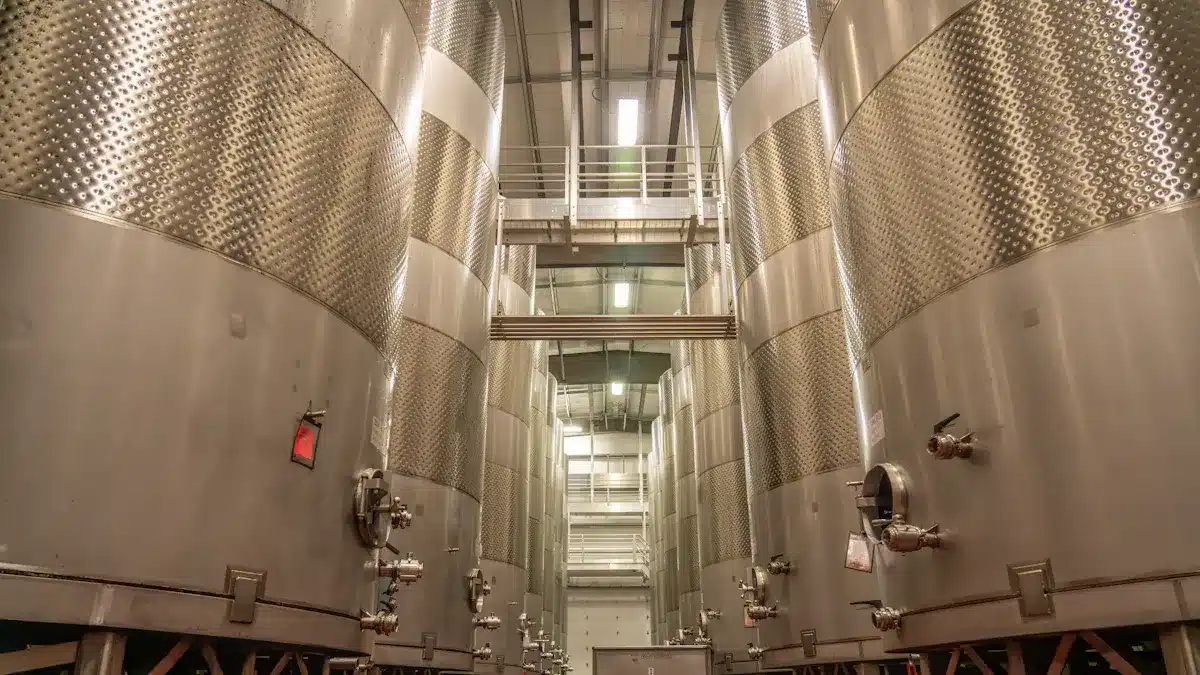
Wine stays safe and fresh in a stainless steel wine tank. Many wineries choose stainless steel tanks for wine because they do not react with the liquid. The relationship between wine and stainless steel helps protect taste and aroma. Stainless steel wine tank options from trusted brands like COFF show how popular these tanks are. Stainless steel tanks for wine offer strong protection for every batch. Winemakers use stainless steel wine tank designs to keep wine pure. Stainless steel tanks for wine give producers confidence in their products. Tanks like these help wine keep its true flavor.
Stainless steel tanks do not change the taste or smell of wine. They keep the wine’s real flavor and aroma safe. These tanks are simple to clean, so germs are less likely to grow. This helps keep the wine pure. Stainless steel tanks help control the temperature very well. This is important for keeping wine good while it ferments. These tanks are strong and last a long time. Wineries do not need to buy new ones often, so they save money and time. Stainless steel tanks are good for the environment. They can be recycled and do not harm nature as much.
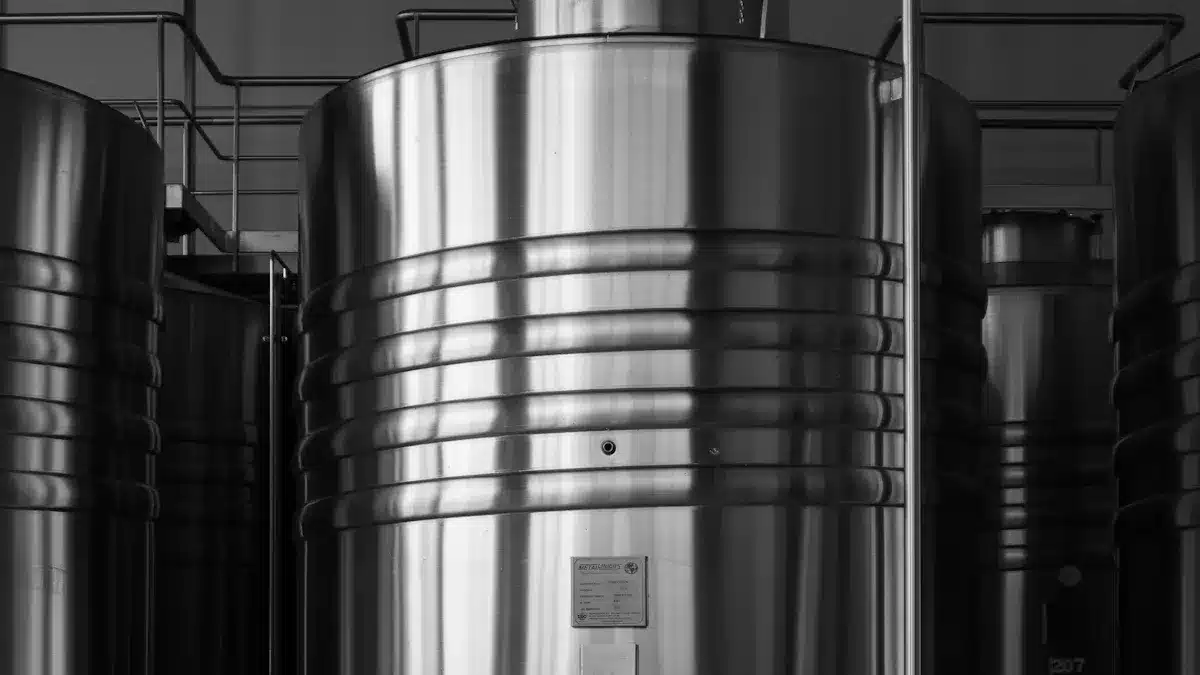
Stainless steel is special because it does not react with wine. Scientists checked how wine changes in different containers. They found that stainless steel does not let anything mix into the wine. The acids in wine stay the same in these tanks. Stainless steel stops gases from moving in or out. This helps keep wine safe from bad chemical changes.
Stainless steel does not mix with grape juice.
The taste of wine stays the same in these tanks.
Winemakers like stainless steel because it keeps wine safe. Stainless steel does not soak up smells or tastes. It does not change the wine at all. This helps keep the wine’s flavor just right. Stainless steel tanks do not rust and last a long time. They protect every batch of wine well.
Stainless steel tanks help winemakers feel sure about their wine. The wine inside does not change because of the tank, so it keeps its real taste.
Stainless steel tanks help keep wine good. Tests show these tanks let winemakers control the temperature. This is important for making fresh white wines. Stainless steel does not add any taste or smell, so wine keeps its own scent. The tanks stop too much air from getting in, which keeps wine fresh.
Stainless steel tanks keep the temperature steady for wine.
Cooling jackets or thick walls help control heat.
Tight seals stop air from getting inside.
Good yeast activity helps wine ferment smoothly.
Winemakers use stainless steel tanks to keep wine tasting right. The tanks do not take in or give out anything to the wine. This means every bottle tastes how the winemaker wants. Stainless steel tanks help keep wine fresh and full of flavor. The wine stays bright and smells good from start to finish.
Stainless steel tanks help winemakers make great wine. The tanks keep the wine’s taste, smell, and quality safe.
Stainless steel tanks help keep wine clean and safe. The tanks have smooth surfaces, so cleaning is easy. Workers can wash away dirt and germs quickly. Stainless steel does not soak up wine, so bacteria cannot hide. This keeps wine pure and fresh.
Material | Hygiene Benefits | Contamination Risk |
|---|---|---|
Stainless Steel | Easy to clean, smooth surfaces lower contamination risk, hygienic environment. | Low, less chance of spoilage. |
Oak Barrels | Absorb wine, can hold bacteria, less hygienic. | High, more risk of contamination. |
Winemakers use strong cleaners like caustic soda and soda ash. Mild acids such as citric acid help remove stains. They rinse, brush, and check the tanks. Hot water or steam kills germs and gets tanks ready for new wine. Quaternary ammonium compounds and peroxyacetic acid also help clean.
Cleaning steps for stainless steel tanks include:
Rinsing and removing solids
Taking apart valves and fittings
Brushing openings
Checking and rinsing again
Running water and cleaner through the tank
Using hot water or steam to sterilize
COFF wine tanks have polished insides for easy cleaning. Their design helps keep wine safe from germs.
Stainless steel tanks are easy to clean and keep wine safe, so many wineries use them.
Stainless steel tanks last a long time. They do not rust or break easily. Wineries do not need to buy new tanks often. The tanks keep wine safe from outside things.
Tank Material | Average Lifespan | Notes |
|---|---|---|
Stainless Steel | 30+ years | Does not rust, easy to clean, lasts long |
Mild Steel | 7 years | Rusts easily, does not last as long |
Poly Tanks | 3-5 years | Breaks down faster |
Cleaning stainless steel tanks is fast and simple. Workers spend less time fixing and cleaning these tanks than oak barrels or concrete tanks.
Type of Tank | Maintenance Activities | Average Time per Barrel | Cost per Barrel (at $20/hour) |
|---|---|---|---|
Oak Barrels | Curing, Topping off, Sulfur treatments, Emptying, Cleaning | 5 minutes | $1.66 |
Stainless Steel Tanks | Emptying, Cleaning, Sanitizing | 1 minute | $0.33 |
Oak barrels need more work and cost more.
Stainless steel tanks need less work, saving time and money.
Concrete tanks need some care but not as much as oak barrels.
COFF uses strong AISI 304 and 316 stainless steel for their tanks. This makes them last longer for wineries everywhere.
Stainless steel tanks help winemakers control temperature during fermentation. This helps make wine taste and smell good. The tanks can use cooling jackets or special tools to keep the temperature steady.
Technology | Description |
|---|---|
Johnson A421 Digital Temperature Controller | Controls the temperature of a fridge or similar device by setting a temperature and difference. |
Inkbird Digital Temperature Controller | A cheaper controller for home winemaking that manages heating and cooling with separate settings. |
The Temperature Tamer | A device that hangs from a tank and controls temperature by moving coolant or heated water. |
Keeping the temperature steady in stainless steel tanks saves wine flavors. It stops bad tastes from forming while wine ferments. This is very important for white wines, which need to keep their smells and esters.
COFF wine tanks have double-wall cooling jackets and temperature probes. These help winemakers control temperature exactly.
Stainless steel tanks help wineries be more sustainable. They last for many years and can be recycled when old. This means less waste and helps the planet. Oak barrels need to be replaced often and are harder to recycle.
Stainless steel wine tank makers often have certifications to show they care about quality and safety.
Certification | Description |
|---|---|
ISO 9001:2008 | Quality management standard |
OSHA | Occupational Safety and Health Administration standards |
BSCI | Business Social Compliance Initiative certification |
NSF 61 | Certification for materials used in drinking water systems |
Stainless steel fermentation tanks can be recycled completely. They help wineries lower their impact on nature. COFF wine tanks meet high standards and help make winemaking greener.
Feature | Description |
|---|---|
High-grade stainless steel | Tanks are made from strong AISI 304 or 316 stainless steel, so they last long. |
Variety of tank types | Tanks come in many sizes for small or big wineries. |
Customizable dimensions | Tanks can be made to fit special needs. |
Complete range of accessories | Includes valves, sampling ports, temperature probes, and more for better use. |
Dual-wall cooling jacket | Helps control temperature during fermentation and aging. |
Conical design | Cone-shaped bottom makes it easy to collect sediment and remove yeast. |
Sanitary design | Polished insides make cleaning easy and keep tanks hygienic. |
COFF gives full solutions and expert advice for wineries. Their team helps winemakers pick the best tanks and set up equipment for great results.
Stainless steel tanks give many benefits for wine, like easy cleaning, long life, good temperature control, and helping the environment.
Stainless steel tanks stand out for their flavor neutrality. These tanks do not add any extra taste or smell to the wine. This means the wine keeps the true flavor of the grapes and the winemaker’s style. Many winemakers choose stainless steel because it allows the wine to show its natural qualities. Research confirms that stainless steel tanks do not impart any flavor. This makes them ideal for wines where the winemaker wants a neutral influence. The wine inside these tanks tastes clean and pure. The flavor comes only from the grapes and the fermentation process.
Stainless steel tanks help winemakers control the final flavor. They offer a neutral influence, so the wine’s character stays true to its origin.
Freshness is very important in wine. Stainless steel tanks help keep this freshness by protecting the wine from too much air. These tanks limit oxygen, which helps the wine keep its bright fruit flavors and natural acidity. Winemakers notice that stainless steel tanks preserve freshness and enhance fruit-forward flavors. The tanks also help with the preservation of freshness, making sure the wine smells and tastes lively.
Stainless steel tanks keep the wine’s aroma strong.
The tanks help the wine keep its original fruit flavor.
Wines like Sauvignon Blanc show more freshness when made in stainless steel.
A study on Sauvignon Blanc shows that the type of tank changes the wine’s aroma and flavor. Wines in oak barrels have more woody and spicy notes. Stainless steel tanks, however, keep the wine’s natural aroma and freshness. This makes them a top choice for wines that need to stay crisp and bright.
Stainless steel tanks are important for aging wine. These tanks keep air out with a tight seal. This stops too much oxygen from getting in. Less oxygen helps the wine stay crisp and fresh. Winemakers use stainless steel to keep natural flavors strong. The tanks do not give the wine any new smells. The real taste of the grape stands out.
Stainless steel tanks have a tight seal to block oxygen.
Less oxygen keeps wine fresh while it ages.
Stainless steel keeps the wine’s taste and smell the same.
Controlling oxygen is very important for aging wine in these tanks. How much air touches the wine changes its flavor. Stainless steel tanks let winemakers choose how much oxygen gets in. This careful control helps wine stay bright as it ages.
Reports show winemakers use stainless steel tanks mostly for white wines. Sauvignon Blanc is a good example of this. The tank you use changes how the wine tastes. White wines do well in stainless steel because it keeps flavors fresh.
Aging wine in stainless steel works best for styles that need strong fruit taste and smell. Winemakers pick stainless steel for wines that should taste clean and lively. The table below shows how different tanks change wine.
Aging Vessel | Fruit Intensity | Aroma Characteristics | Other Notes |
|---|---|---|---|
Stainless Steel | High | Keeps fruit taste and smell strong | Smooth mouthfeel |
Concrete Egg | High | Keeps fruit taste and smell strong | More citrus taste |
Acacia Barrel | Low | Less fruit, more yeast smell | Cloudy look, not liked as much |
Aging Vessel | Flavor Characteristics | Other Notes |
|---|---|---|
Oak Cask | More vanilla and spice taste | Smoother feel from more air getting in |
Concrete Vat | Not much different | Fruity, but not as strong as oak |
Stainless steel tanks help winemakers age wine the best way. These tanks keep fruit flavors and smells strong. Wines from these tanks taste bright and fresh. Winemakers use stainless steel to show the true taste of the wine.
Tip: Stainless steel tanks are best for wines that need to keep fruit flavors and fresh smells. Winemakers pick these tanks for wines that should taste clean and lively.
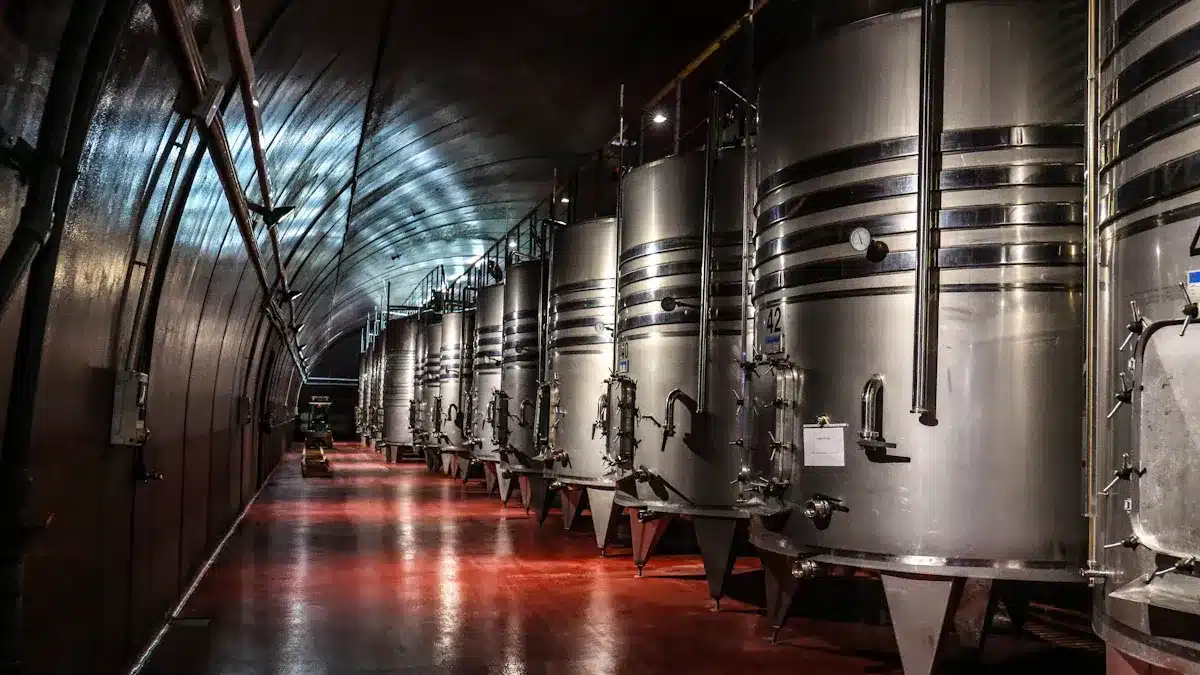
Oak barrels and stainless steel tanks change wine in different ways. Oak barrels add flavors like vanilla and spice. They let in a little air, which makes wine taste smoother. Stainless steel tanks do not add any flavors. They keep the fruit taste of the wine and stop too much air from getting in. Winemakers use oak barrels for wines like Cabernet Sauvignon and Chardonnay. Stainless steel tanks are good for Sauvignon Blanc and Pinot Grigio.
Feature | Oak Barrels | Stainless Steel Tanks |
|---|---|---|
Flavor Development | Adds vanilla, spice, toast | Keeps fruit flavors, no extra taste |
Aroma Complexity | Makes aroma stronger | Keeps fruit smell pure |
Tannin Integration | Adds tannins, helps wine age | No tannin change |
Texture | Makes wine smooth and round | Keeps wine’s real texture |
Temperature Control | Not very exact | Very exact control |
Cost | Expensive, needs more care | Cheaper, easy to clean |
Typical Wines | Cabernet Sauvignon, Chardonnay | Sauvignon Blanc, Pinot Grigio |
Oak barrels make wine taste deep and complex. Stainless steel tanks keep wine tasting fresh and clean.
Concrete tanks have been used in Europe for a long time. These tanks keep wine cool and let in a little air. This can make wine feel smooth and keep its smell fresh. Concrete does not add oak taste, but it can give a light mineral flavor. Cleaning concrete tanks is hard, and old tanks can hold old flavors. Stainless steel tanks are easy to clean and keep the wine’s fruit taste strong.
Concrete tanks let in some air and make wine smooth.
Stainless steel tanks are clean and do not change the taste.
Concrete tanks are heavy and hard to move or clean.
Winemakers pick tanks based on the wine they want to make. The table below shows the main differences:
Tank Type | Flavor Profile Imparted | Oxygen Exposure | Temperature Stability | Initial Cost | Maintenance Level |
|---|---|---|---|---|---|
Stainless Steel | Crisp, fresh, keeps fruit and flower taste | Stops air from getting in | Needs cooling jackets | Low to Medium | Easy |
Concrete | Light mineral taste, chalky feel | Lets in some air | Keeps temperature well | Medium to High | Medium |
Oak | Vanilla, spice, toast, coconut | Lets in a little air | Keeps temperature okay | High to Very High | Needs special care |
When picking a tank, wineries think about taste, price, and cleaning. Stainless steel tanks are popular because they are easy to use and keep wine fresh and fruity.
Stainless steel wine tanks are a safe choice for making wine. Experts say these tanks have many good points. The tanks do not react with wine, so the taste stays the same. Cleaning them is simple, which stops germs from spreading. The tanks have tight lids that keep the wine fresh. Winemakers can control the temperature for better fermentation. The tanks are strong and do not rust easily. They also use less energy, which is better for the planet. COFF makes strong stainless steel tanks for wineries. These tanks help make wine that tastes clean and good. Winemakers can try different wine styles and tank types to fit what they want.
Stainless steel provides a safe environment for wine. The material does not react with acids in wine. Winemakers trust stainless steel tanks to keep wine pure and uncontaminated.
Stainless steel tanks do not add any flavor or aroma to wine. The tanks help preserve the natural taste and freshness of the grapes. Many winemakers choose stainless steel for this reason.
Wineries use hot water, steam, and food-safe cleaners to wash stainless steel tanks. The smooth surface makes cleaning easy. Workers can remove all residue and germs quickly.
White wines like Sauvignon Blanc and Pinot Grigio
Rosé wines
Sparkling wines
These wines stay crisp and fresh in stainless steel tanks.