


COPYRIGHT © 2022 COFF International Co., ltd. ALL RIGHTS RESERVED

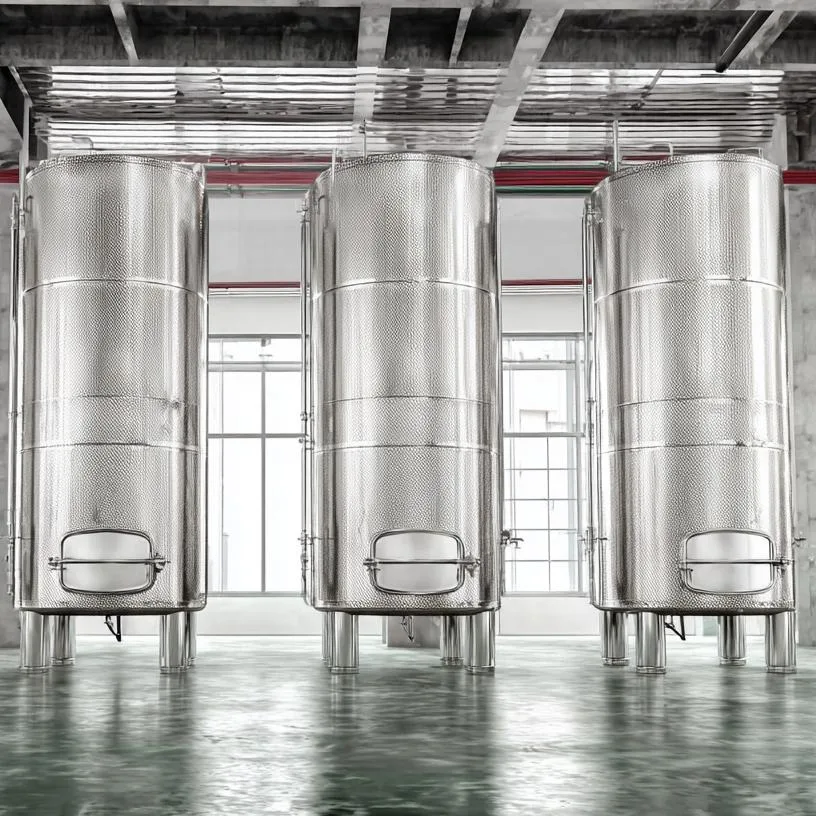
For cider brewers seeking high hygiene, durability, and ease of cleaning, stainless steel is the best choice for fermentation jars. NBC stainless steel tanks are ideal for making premium cider. While brewers sometimes use other materials like plastic and glass, stainless steel is widely popular for both home and professional use. Recent surveys show that most people use stainless steel, fiberglass resin, or plastic tanks. Wooden barrels are used less frequently, primarily for the maturation stage.
Cider enthusiasts at all levels find stainless steel tanks easy to use and clean.
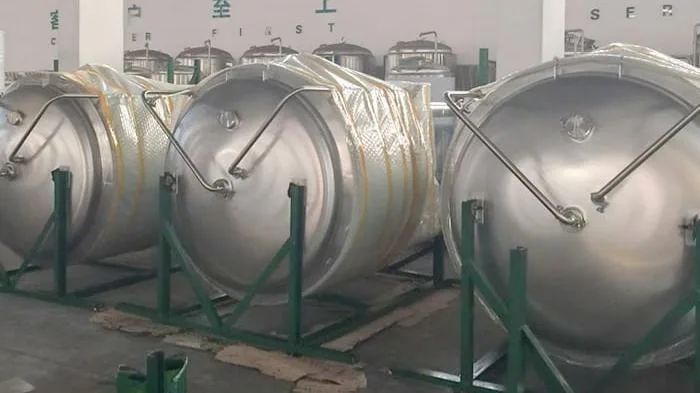
Many cider brewers desire the best fermentation tanks. Stainless steel is the preferred choice for many reasons. It helps you brew high-quality cider every time. The smooth, non-porous surface of stainless steel is easy to clean and effectively prevents bacterial growth. You don’t need to worry too much about contamination, ensuring consistent cider quality every time. Furthermore, stainless steel effectively isolates the cider from air, which is essential for brewing a fresh-tasting cider.
Winemakers love stainless steel because it is durable and resistant to breakage or scratches, meaning you can use it for multiple brewing runs. Stainless steel can withstand high pressure and extreme temperature environments without altering the cider’s flavor, ensuring exceptional taste in every batch. Many people consider stainless steel the best choice for home or commercial cider brewing.
NBC stainless steel tanks are ideal for cider brewing. These tanks are made of dairy-grade stainless steel, making them easy to clean and use. NBC tanks are suitable for both small and large batches of brewing, are easy to clean, rust-free, and durable.
NBC tanks offer a variety of features to help you better control the cider fermentation process. Some tanks have built-in temperature control systems that maintain the cider at the ideal temperature for yeast fermentation. These tanks also have excellent seals, effectively preventing air from entering and preserving the cider’s flavor.
NBC stainless steel fermentation tanks come with a three-year warranty covering their performance and appearance, giving cider brewers peace of mind.
Cider brewers compare different products before choosing a fermentation tank. Here are the reasons why many people choose stainless steel fermentation tanks:
| Reason | Explanation |
|---|---|
| Pinpoint Fermentation Control | Modern stainless steel fermentation tanks are equipped with heaters and controls, allowing you to set the temperature and control yeast movement for better flavor and aroma. |
| Durability and Longevity | Stainless steel is durable and will not be damaged by high or low temperatures or pressure. |
| Cleanliness | Stainless steel will not rust or react with cider, ensuring the cider always maintains its optimal flavor. |
Fermentation tanks made of other materials such as plastic and glass are also commonly used. Plastic scratches easily, and bacteria can grow in scratches. Glass is fragile and requires careful handling. Stainless steel is easy to maintain; regular inspection and cleaning are all that’s needed to keep it in good condition.
Those who want to brew high-quality cider often choose stainless steel fermentation tanks. It helps them brew delicious cider without worrying about cleaning or damage. NBC stainless steel tanks help both novice and experienced winemakers brew high-quality cider every time.
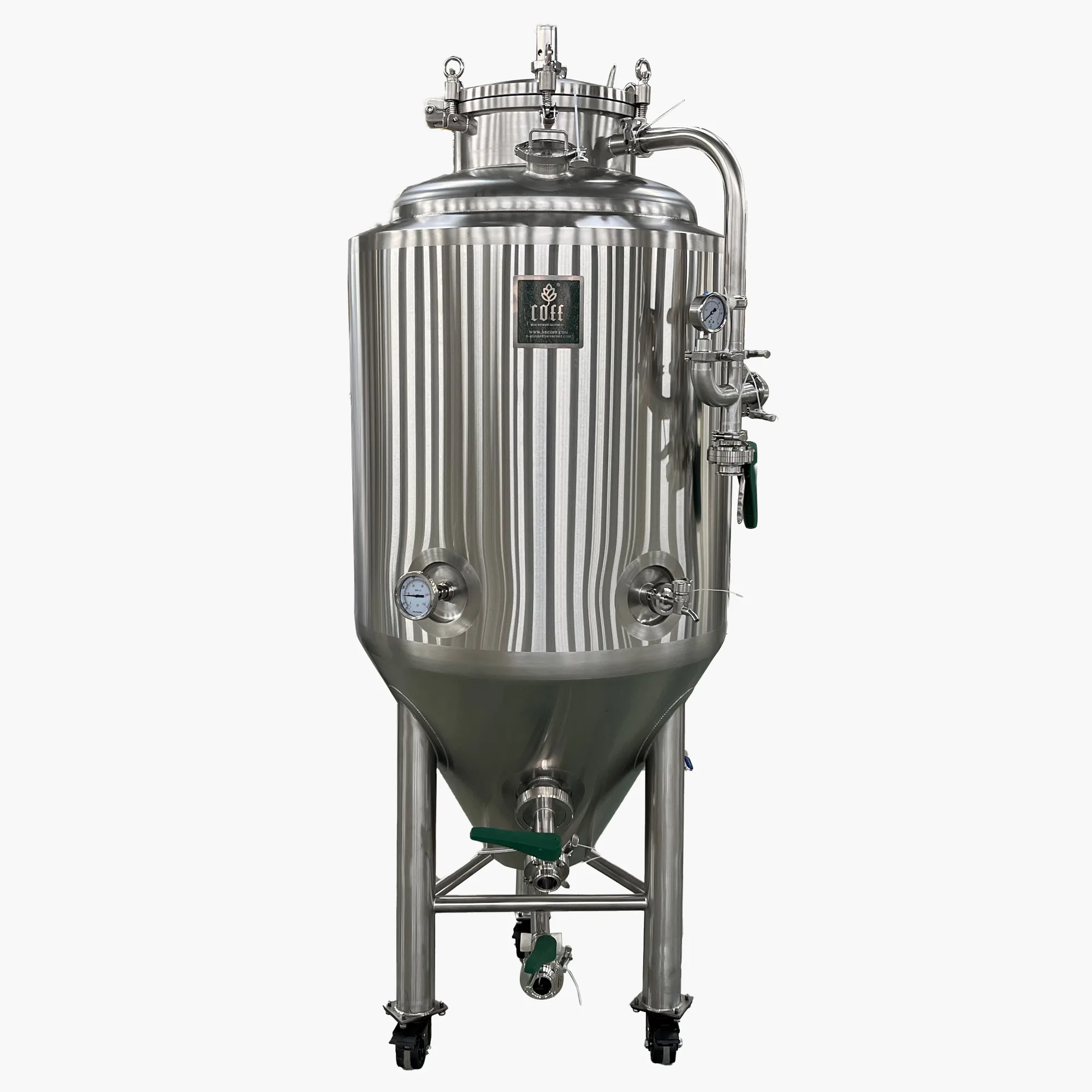
For cider brewers seeking a rich, pure flavor, stainless steel conical fermentation tanks are ideal. The NBC Stainless Steel Tank and the BrewBuilt X1 Uni Pro are two popular choices for home and commercial use. These tanks help control the fermentation process, ensuring consistent flavor every time you brew cider. The conical design helps remove yeast and sediment, resulting in a clear, transparent cider. Stainless steel is scratch-resistant and doesn’t easily harbor bacteria, making it very easy to clean. Many businesses choose these tanks because they are durable and available in various sizes.
Stainless steel conical fermentation tanks help control bubbles and prevent excessive air intake, thus maintaining the fresh, pure taste of the cider.
| Advantage | Description |
|---|---|
| Enhanced Flavor Development | Controlled fermentation conditions enhance the flavor of the cider. |
| Efficient Sediment Separation | The conical design allows brewers to easily remove yeast and sediment. |
| Hygiene and Cleanliness | Stainless steel is not prone to bacterial growth and is easy to clean. |
| Longevity and Durability | Durable, withstands high pressure, and suitable for multiple fermentations. |
| Scalability | Suitable for home use or as commercial cider fermentation tanks. |
Plastic fermentation tanks like Speidel and Fermzilla are lightweight and easy to move. Many cider novice brewers choose them because they are less expensive than stainless steel fermentation tanks. These tanks are suitable for small-batch cider production. However, plastic scratches easily, and bacteria can grow in scratches. Cleaning is more laborious, and some cider producers are concerned about bacterial issues. Larger cider producers rarely use plastic fermentation tanks because they want to maintain a high level of cleanliness.
Glass fermentation tanks and bottles allow you to observe the cider fermentation process. The clear glass makes it easy to check sediment and determine if the cider is clear. Glass does not absorb flavors, so your cider will taste crisp. However, glass is heavy and easily breaks when dropped. You must be careful, especially under high pressure. Winemakers need to allow the cider to fully ferment to prevent the bottles from exploding.
Some cider producers use fermentation tanks like the BrewBuilt X1 Uni Pro. These tanks are fully functional, easy to use, and suitable for both home and commercial cider production. They are chosen for better control of the fermentation process and ease of cleaning. While more expensive, they are durable and produce high-quality cider every batch.
| Fermentation Tank Types | Advantages | Disadvantages |
|---|---|---|
| Glass Fermentation Tanks | Non-reactive, allows visual monitoring, preserves flavor | Heavy, prone to breaking, requires careful handling |
| Plastic Fermentation Tanks | Lightweight, budget-friendly, easy to transport | Can scratch easily, potential for bacterial contamination |
| Stainless Steel | Durable, easy to clean, resistant to scratches, advanced features available | More expensive than glass or plastic, but offers long-term benefits for serious brewers |
Cider producers should choose the appropriate fermentation tank based on their needs, expected yield, and budget. For those who prefer easy-to-clean and durable tanks, stainless steel fermentation tanks are the best choice.
Airlocks are crucial in cider production. They release carbon dioxide while isolating air and bacteria. This ensures the safety of the fermentation tank and allows the yeast to function effectively. Winemakers check that the airlocks are properly sealed. They inject water or disinfectant into the airlocks to prevent bacteria from entering. A good seal keeps oxygen out, thus preserving the cider’s flavor. Winemakers also monitor the pressure to prevent the fermentation tank from bursting. These steps help ensure consistent quality and a pure taste in every batch of cider.
The material of the fermentation tank is critical to cider production. Stainless steel is durable, easy to clean, and does not alter the cider’s flavor. Oak barrels can impart new flavors to the cider but require extra care. Winemakers choose materials that help them produce high-quality cider every time. The right materials ensure the cider’s safety and deliciousness from start to finish.
| Feature | Description |
|---|---|
| Material | Stainless steel is durable and easy to clean. Oak barrels can add flavor but require careful handling. |
| Temperature Control | Maintaining stable fermentation ensures a good cider flavor. |
| Consistency of Conditions | Helping ensure the quality of every batch of cider. |
Clean fermentation tanks contribute to the production of excellent cider. Winemakers rinse the tanks after each use to remove residue. They use alkaline cleaners to remove grime and acidic cleaners to remove stubborn stains. Finally, they use disinfectants such as peracetic acid or Star-San for a thorough cleaning. Each step effectively inhibits bacterial growth, ensuring consistent brewing results. Winemakers check the fermentation tanks for cleanliness before starting brewing again. Frequent cleaning ensures the tanks are always ready for the next batch of cider.
| Cleaning Agent | Purpose | Application |
|---|---|---|
| Alkaline Cleaners | Remove dirt | Sodium hydroxide, PBW |
| Acid Cleaners | Remove hard spots | Nitric acid, citric acid |
| Sanitizers | Kill germs | Peracetic acid, iodophor, Star-San |
Tip: Always clean and sterilize the fermentation tank before brewing a new batch of cider. This helps maintain the good taste of the cider.
The size of the fermentation tank is crucial for cider brewing. Larger tanks help maintain a consistent internal environment and facilitate cleaning and sterilization. Larger tanks help control temperature, thus increasing yeast activity. Good design prevents spoilage and maintains the good taste of the cider. Brewers choose the appropriate size based on the desired cider yield.
| Benefit | Description |
|---|---|
| Consistent fermentation conditions | Large-capacity tanks help maintain consistent fermentation conditions each time. |
| Easy to Clean and Sterilize | Batch-to-batch cleaning becomes simple. |
| Temperature control | Maintaining the right temperature helps the yeast function optimally. |
| Preventing Contamination | Good design helps prevent spoilage and bacterial growth. |
Stainless steel fermentation tanks have a higher initial cost. They have a long lifespan and offer excellent temperature control. These tanks isolate oxygen, resulting in a better-tasting cider. Cleaning systems save time and effort. Winemakers consider all costs, such as cleaning and electricity costs. Some people use both stainless steel and flexible tanks simultaneously to save costs. This helps them produce high-quality cider without spending too much money.
Preparing the fermentation tank is the first step in making high-quality cider. It all starts with cleaning the fermentation tank. Here’s a simple preparation and disinfection method:
Tip: Store any remaining disinfectant in a container for later use during the cider fermentation process.
After cleaning, pour fresh juice into the fermentation tank. Pour the juice slowly, avoiding splashing to prevent the introduction of unwanted air. The fermentation tank should not be filled completely. Leaving some space helps create bubbles during fermentation. Once filled, the fermentation tank should be sealed tightly. A good seal prevents oxygen and bacteria from entering. Always check that the airlock is properly installed and that the tank is filled with water or disinfectant.
During cider fermentation, winemakers observe the signs that fermentation has begun. Here are some key observations:
They maintain the fermentation tank at a suitable temperature, 60-72°F (15-22°C). This helps the yeast function effectively and maintains the cider’s good flavor.
When fermentation slows down, winemakers prepare for decanting. Decanting involves transferring the cider from one fermentation tank to another, leaving the sediment in the original tank. They use a clean siphon to do this. After decanting, they check that fermentation is complete before bottling. Bottles and caps must be clean and sterilized. They bottle the cider, leaving some space at the top, and then seal it.
Note: Clean tools and meticulous procedures help ensure that every batch of cider has an excellent flavor.
Cider makers worry about bacteria entering the fermentation tank. They want their cider to be both safe and delicious. Spoiling yeasts like Brett’s yeast can sneak in and ruin the cider. Brett’s yeast produces unpleasant off-flavors and tastes. Fermentation tanks can become contaminated with these bacteria from apples or unclean tools.
To maintain cleanliness, they take the following measures:
Tip: Always check for residue after cleaning. Clean fermentation tanks help prevent bacterial invasion.
Sometimes, before cider fermentation is complete, the fermentation tank stops bubbling. This condition is called fermentation stagnation. Reduced or stopped yeast activity can be due to insufficient nutrients, too low a temperature, or too high a sugar content. Winemakers may notice a decrease in bubbles, but little change in taste.
Solutions to prevent fermentation stagnation include:
A healthy fermentation tank ensures continuous yeast activity, allowing the cider fermentation to proceed smoothly.
Off-flavors can be unexpected for cider producers. A faulty fermentation tank can give the cider a sour, musty, or rotten egg taste. These off-flavors may originate from bacteria, damaged yeast, or inadequate cleaning.
To prevent off-flavors, they will:
Note: Clean tools and meticulous procedures help ensure that every batch of cider tastes fresh and delicious.
Stainless steel fermentation tanks, such as NBC stainless steel tanks, help cider brewers keep their batches clean and safe. They are durable and easy to clean. Brewers should consider batch size, budget, and required features. The table below lists the most important factors when choosing a fermentation tank:
Share your cider story or ask a question in the comments!
Most home cider brewers choose 5 to 10-gallon fermentation tanks. This size can fit on a kitchen countertop and produces enough cider to share with friends. Larger tanks are suitable for those who want to brew larger batches of cider.
Fermentation tanks should be cleaned after each batch of cider is brewed. Regular cleaning effectively prevents bacterial growth and maintains the fresh taste of cider. Neglecting this step can lead to off-flavors or spoilage.
Plastic fermentation tanks can develop scratches over time. These scratches can harbor bacteria, altering the taste of the cider. Stainless steel and glass fermentation tanks do not have this problem.
Stainless steel fermentation tanks are durable, rust-resistant, and scratch-resistant. Producers find these tanks easy to clean and food-safe. These tanks help maintain the pure flavor of the cider.