


COPYRIGHT © 2022 COFF International Co., ltd. ALL RIGHTS RESERVED

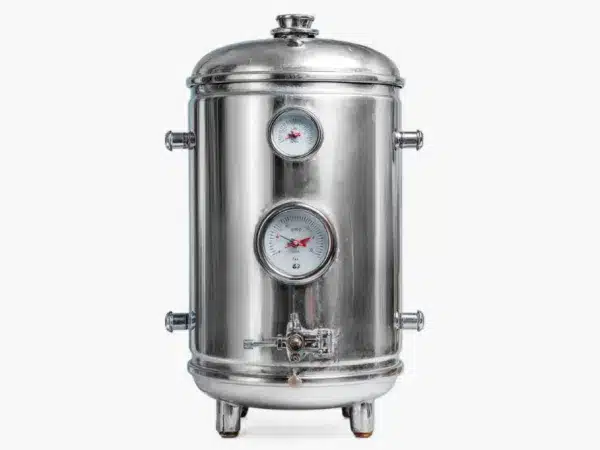
Milk in a milk tank must stay cold. The best temperature is between 34°F and 39°F.
| Reason | Description |
|---|---|
| Bacterial Growth Prevention | Cold slows bacteria. This keeps milk safe and fresh. |
| Quality Assurance | Cooling right keeps taste and texture good. |
| Regulatory Compliance | Meeting rules like HACCP and ISO 22000 keeps people safe. |
| Impact on Production | Steady cooling helps make cheese, butter, and ice cream. |
Cooling milk fast after collection is very important. COFF milk tanks use smart technology to keep milk at the right temperature.
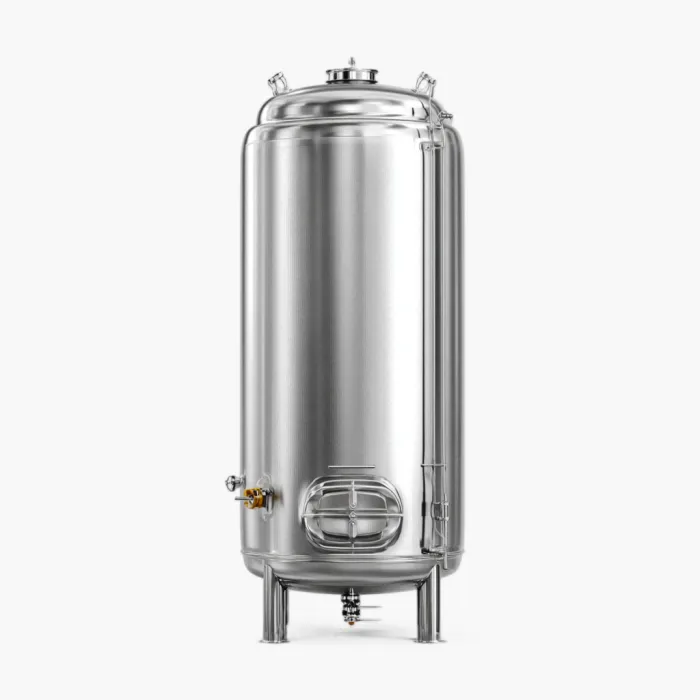
Milk quality depends on how it is stored. If dairy producers keep milk in a milk tank at the right temperature, they protect its taste and nutrition. Studies show that milk kept at lower temperatures, like 2°C or 4°C, stays fresher and has fewer germs than milk kept warmer. The table below shows what researchers found about bulk tank milk:
| Study Title | Findings |
|---|---|
| The effect of storage temperature and duration on the microbial quality of bulk tank milk | Milk stored at 6°C had more bacteria over time, but milk at 2°C and 4°C stayed better. |
| Influence of Raw Milk Quality on Fluid Milk Shelf Life | More psychrotrophic bacteria in raw milk means more heat-stable enzymes, which makes shelf life shorter after pasteurization. |
| The effect of raw milk cooling on sensory perception and shelf life of HTST-pasteurized skim milk | Cooling raw milk the right way makes the final product taste better and last longer. |
COFF milk tanks use special cooling systems to chill milk fast. This quick cooling keeps milk safe and good from the start. The tanks are made of food-grade stainless steel, so milk stays fresh and clean. These features help dairy producers give high-quality milk to people.
Bacteria can grow fast in milk if it gets too warm. For example, E.coli can double every 20 minutes at 20°C. At 30°C, one E.coli can become 4,000 in just four hours. Cooling milk to between 0 and 4°C within 30 minutes after milking stops most bacteria from growing. The table below shows how temperature changes the number of bacteria:
| Storage Temperature | Total Bacterial Count (TBC) | Psychrotrophic Bacterial Count (PBC) |
|---|---|---|
| 6°C | More bacteria over time | More bacteria over time |
| 2°C | No increase | N/A |
| 4°C | No increase | More bacteria between 0 and 96 h |
Tip: Always check the milk tank thermostat to keep milk below 4°C. This helps stop spoilage and keeps milk safe for use.
If milk gets too warm, some bacteria grow more. The chart below shows which bacteria are found in milk at higher temperatures:

Streptococcus is the most common bacteria in stored milk. Acinetobacter and Bacillus are also found often. Bacillus can live even when it is cold and can cause problems in pasteurized milk. COFF milk tanks use automatic agitators to mix milk and stop fat from separating, which also helps slow down bacteria growth.
Dairy producers must follow strict rules for storing milk. Many countries have clear rules for milk tank temperature. The table below shows what is needed in big dairy countries:
| Country | Regulatory Standards |
|---|---|
| European Union | Needs good cooling and storage, so they use advanced refrigeration. |
| United States | FDA and PMO require thermal treatment and good cooling for milk safety. |
| Germany, France, Netherlands | High milk production means they need advanced cooling to keep milk fresh and stop bacteria. |
If the temperature is wrong, milk can be rejected and money can be lost. Good cooling equipment, like COFF milk tanks, helps farms follow these rules. COFF tanks have accurate temperature controls, automatic cleaning, and food-grade materials. These things make sure milk stays safe and meets all the rules for quality and safety.
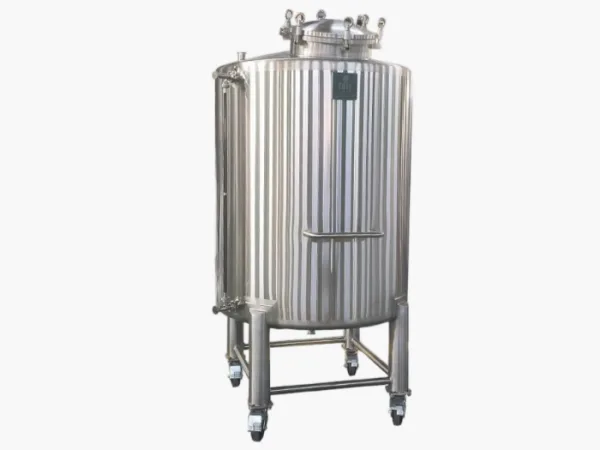
Cooling milk fast after it is collected is very important. It keeps milk safe and good. Fresh milk should get cold as soon as possible. The best way is to cool milk to between 1°C and 4°C within 30 minutes after milking. Cooling quickly slows bacteria and keeps milk fresh.
Tip: Start cooling right after milking. This keeps milk fresh and healthy.
The size of the tank changes how fast milk cools. Picking the right size helps cool milk well. It also stops overfilling or wasting space. The table below shows the best tank sizes for different farms:
| Dairy Operation Scale | Optimal Tank Size (liters) |
|---|---|
| Small farms (10–50 cows) | 500–1,500 |
| Medium operations (50–200 cows) | 3,000–6,000 |
| Large dairy farms and cooperatives | 10,000+ |
A tank that fits the farm size keeps milk cold. Small tanks cool milk faster because there is less milk. Big tanks need strong cooling to chill lots of milk. COFF has many tank sizes for all kinds of farms.
Choosing the right milk tank is important for keeping milk cold. Some things help keep the best temperature:
Different tanks have special benefits. The table below shows common tank types:
| Type of Tank | Advantages | Limitations | Best For |
|---|---|---|---|
| Vertical Milk Cooling Tanks | Saves space, mixes well, easy to set up | Needs tall space, slower cooling | Small to medium farms, mobile use |
| Horizontal Milk Cooling Tanks | Cools fast, mixes well, stops bacteria | Needs more floor space, costs more | Medium to large dairy farms |
| Insulated Milk Cooling Tanks | Keeps milk cold longer, safer | Heavier, costs more | Off-grid farms, transport units |
| Refrigerated Milk Cooling Tanks | Cools fast, keeps steady temperature | Uses more energy, harder to fix | Farms without outside cooling |
| Bulk Milk Cooling Tanks | Holds lots of milk, meets rules, has built-in systems | Costs a lot, needs its own space | Large dairies, automated farms |
COFF has many refrigerated milk tanks. Each tank uses food-grade stainless steel and smart designs. These features help keep milk safe and meet strict rules.
Note: Pick a tank that fits your farm and goals. Good equipment keeps milk quality high and makes work easier.
Many dairy producers have trouble with milk tank management. These problems can change the temperature and make milk worse. Some common mistakes are:
Surveys say most problems happen because of people making mistakes. Good management can stop these problems and keep milk quality high.
Dairy experts have some tips to keep milk safe and fresh:
| Best Practice | Description |
|---|---|
| Prompt Cooling | Cool milk fast after milking to the right temperature. |
| Proper Storage Equipment | Use tanks made from safe materials that keep milk cold. |
| Regular Maintenance | Check and fix cooling systems often so they do not break. |
COFF gives dairy operators special solutions. Their smart digital tools help watch tank performance and tell when to fix things. These tools help keep milk good and stop long breaks.
Seasons can change the milk tank temperature. Dairy producers should change their ways to keep milk safe:
Training and clear rules help workers handle temperature changes. New tanks with smart controls, like COFF tanks, make these changes easier for all dairy farms.
Scientists say raw milk should be kept between 1°C and 4°C (34°F to 39°F). This temperature keeps milk fresh and safe. It stops bad bacteria like Listeria and E. coli from growing. Dairy producers can use special milk tanks to keep milk at this temperature.
Milk warms up, and bacteria grow fast. This can spoil the milk and make it unsafe. Dairy producers must keep milk cold to protect quality and safety.
They should check the temperature at least twice a day. Regular checks help spot problems early and keep milk safe for use or sale.
Stainless steel does not rust. It keeps milk clean and safe. The material also makes cleaning easy and helps the tank last longer.
Yes, if the tank gets too cold, milk can freeze. Freezing changes the taste and texture. Dairy producers should keep milk above freezing but below 40°F (4°C).