

COPYRIGHT © 2022 COFF International Co., ltd. ALL RIGHTS RESERVED

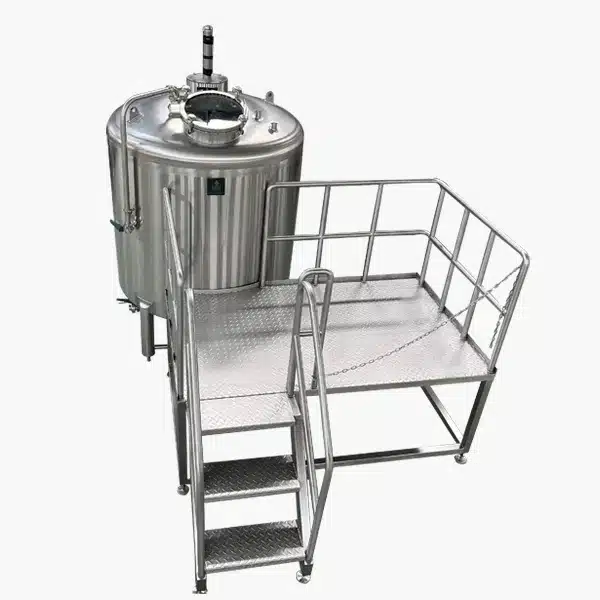
A mixing tank mixes liquids, solids, or gases together. This makes one even mixture. Many industries use mixing tanks to keep products good. Stainless steel tanks from Ningbo COFF Machinery Co., Ltd. are strong and easy to clean.
Mixing tanks mix things well with agitators and sensors. A blending tank can also mix different ingredients. Mixing tank is important in many jobs, like food and chemicals.
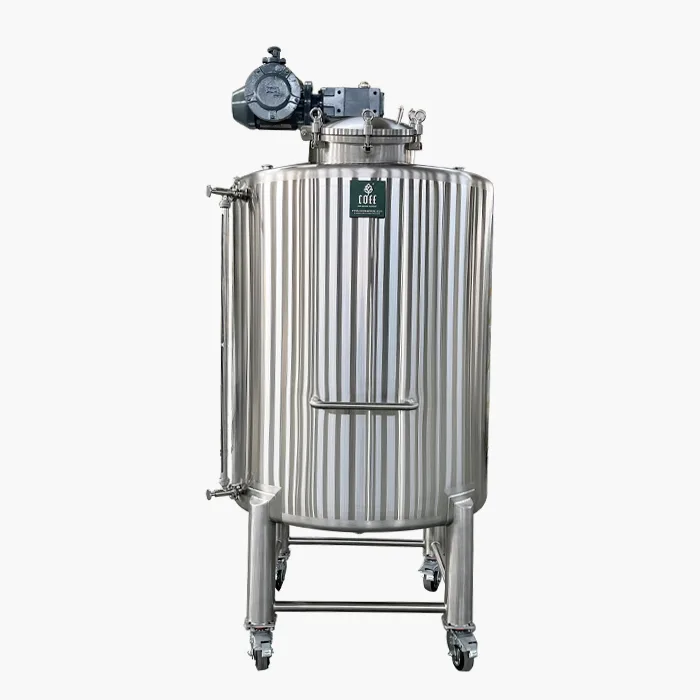
A mixing tank helps companies mix liquids, solids, or gases. The main goal is to make one smooth mixture. Mixing tanks are used for blending, homogenizing, and emulsifying. These steps help products become smooth and even.
Mixing tanks have a wide range of applications, indispensable in chemical plants, food factories, and water treatment centers. These plants rely on mixing to ensure product safety and quality. Workers can adjust the mixing speed and power to achieve the appropriate mixing ratio for each task. Mixing tanks come in a variety of designs, from small household tanks to large factory tanks.
Mixing tanks can be customized to meet different needs, and come in various sizes and shapes. The mixing process utilizes various agitators, including paddle, propeller, turbine, anchor, and spiral agitators. Each type of agitator helps to thoroughly mix materials. A suitable agitator can save energy and improve mixing efficiency. Furthermore, mixing tanks help reduce noise and extend service life.
The main parts of a mixing tank work together to make mixing easy and reliable. Each part has its own job. The table below shows some important parts and what they do:
| Component | Function |
|---|---|
| Agitators (Mixers) | Stir the contents to make a smooth mixture and stop settling. |
| Dosing Pumps | Give measured amounts of the mixed solution at controlled speeds. |
| Sensors | Check real-time conditions like pH and temperature and help with safety alerts. |
Other important parts are:
Sensors are also crucial. They measure parameters such as liquid level, temperature, and pressure. Some sensors employ ultrasonic or radar technology. These sensors do not come into contact with the liquid, thus keeping the entire process clean and safe. Sensors also help workers determine when to start or stop agitation.
Stainless steel is a common material for mixing tanks. It does not rust or stain, and its smooth surface is easy to clean. Stainless steel tanks are durable and help inhibit bacterial growth, keeping products pure. Therefore, they are ideal for the food, pharmaceutical, and chemical industries.
Ningbo Kefu Machinery Co., Ltd. manufactures mixing tanks to high standards. They use certified SUS304 stainless steel, and their products meet ASME or AS1210 standards. Skilled workers use advanced welding processes. Each mixing tank undergoes rigorous testing before leaving the factory. Kefu mixing tanks have smooth welds and excellent pressure control performance. Some mixing tanks are also equipped with insulation jackets to maintain temperature stability.
Mixing tanks use different ways to blend materials. The method depends on what is being mixed and the industry. The table below shows common mixing methods and what they do:
| Mixing Method | Description |
|---|---|
| Mechanical Mixing | Uses rotating devices like impellers and turbines to blend materials. |
| Hydraulic Mixing | Uses pumps or jets to move liquids, good for big jobs and saves energy. |
| Pneumatic Mixing | Adds air or gas to mix, good for clean places like food production. |
| Static Mixing | Uses fixed parts in pipes to make turbulence, easy to keep for continuous mixing. |
| Hybrid Mixing | Combines different methods for better results, made for special needs. |
Mixing containers are essential in many industries. They come in a variety of shapes and sizes, including jacketed, pressure, and standard tank types. Businesses use them to mix liquids, powders, and semi-solids. These containers are widely used in food, beverage, chemical, cosmetic, and pharmaceutical plants. Choosing the right mixing container can help improve efficiency and ensure that products are mixed evenly.
Homogenization refers to making the components of a mixture uniform throughout. Mixing vessels break down and disperse particles. This is crucial in the food, chemical, and pharmaceutical industries. For example, mixing tanks help make smooth yogurt or milk. Studies have shown that jet-feed mixing can increase speeds by up to 30%. This not only saves energy but also improves work efficiency.
Stirring vessels facilitate chemical reactions by thoroughly mixing various ingredients. In water treatment, stirred tanks better disperse flocculants. Cosmetic factories use stirred vessels to produce smooth creams and lotions. Good mixing can shorten processing time and increase production efficiency. Using suitable stirred vessels, businesses can process more products in less time.
Temperature control is a key feature of mixing tanks. Many mixing vessels have jackets for heating or cooling fluids. This keeps the inside temperature steady. Stable temperatures matter for products sensitive to heat, like chocolate or medicine. Baffles and agitators also help heat spread inside the tank.
Dispersion and emulsification mix ingredients that do not blend easily. Mixing vessels make stable mixtures like salad dressings or creams. In food and drinks, this improves texture and shelf life. Medicine companies use mixing tanks to make creams and gels with even doses. The table below shows how different industries benefit:
| Industry | Benefits |
|---|---|
| Food & Beverage | Better texture, flavor, and longer shelf life |
| Pharmaceutical | Even dispersions for accurate dosing in creams and gels |
Mixing vessels also store products safely until needed. Stainless steel mixing tanks are easy to clean and care for. Smooth surfaces stop bacteria from growing. Many tanks have clean-in-place systems for automatic cleaning. Regular checks for damage keep the vessel safe and lasting longer. Accessories like temperature sensors, baffles, and pH probes help control mixing.
Stainless steel is the best material for mixing vessels. It does not rust, meets hygiene rules, and is easy to clean. Ningbo COFF Machinery Co., Ltd. sells many stainless steel mixing tanks in different finishes and sizes. Each tank is tested to make sure it is safe and high quality.
Mixing vessels are needed in many industries. They help with even mixing, better reactions, temperature control, dispersion, and safe storage. The right vessel design, material, and accessories make mixing efficient and reliable for every job.
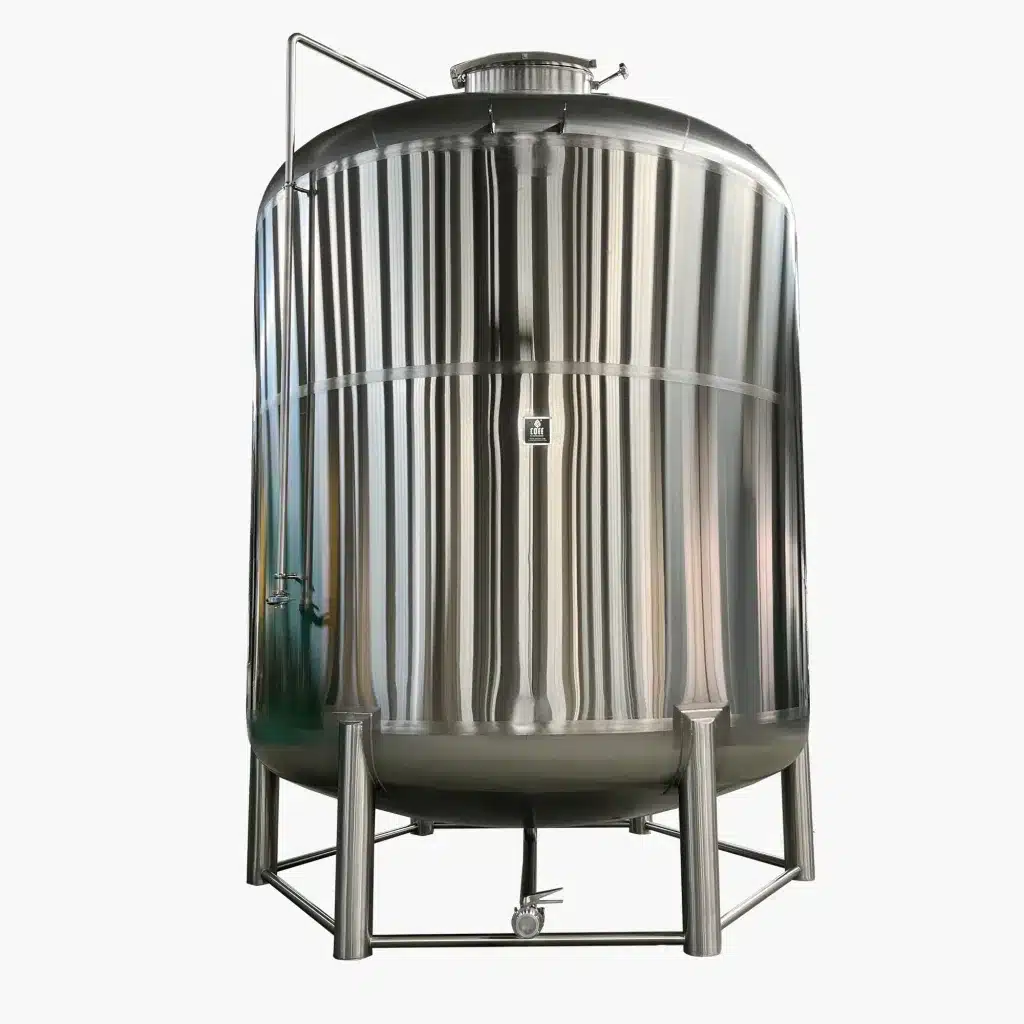
Mixing tanks are crucial in many industries. Businesses use them to mix, homogenize, and emulsify materials. Mixing tanks are widely used in industries such as food, chemicals, pharmaceuticals, cosmetics, water treatment, and mining. Each industry has different requirements for mixing tanks. Food companies need tanks that can prevent bacterial contamination of their products. Chemical plants need tanks capable of handling high-temperature and highly corrosive chemicals. Pharmaceutical companies use mixing tanks for precise control and clean mixing.
| Industry | Primary Uses |
|---|---|
| Food and Beverage | Mixing ingredients for sauces, dairy, drinks, and baked goods |
| Chemical Processing | Mixing materials, stabilizers, catalysts for resins, acids, detergents |
| Pharmaceuticals | Mixing syrups, tablet coatings, creams |
| Cosmetics | Mixing lotions, shampoos, fragrances |
| Water Treatment | Chemical dosing for coagulation, pH control, sludge treatment |
| Mining | Mixing reagents for mineral processing and slurry mixing |
COFF’s Stainless Steel Tank is strong and does not rust. The smooth surface is easy to clean and stops residue from sticking. The tank works well in big factories and small labs.
Mixing tanks help make products better and work faster. Custom tanks fit each industry and help mix things quickly. Companies get even product quality by mixing ingredients well. Tanks let workers control temperature and speed for good flavor and texture. Mixing tanks help cut waste by giving the right amount of chemicals and materials.
COFF’s Stainless Steel Tank is great for brewing and medicine. In brewing, the tank is strong and clean for making and storing drinks. In medicine, it keeps things sterile and meets strict rules. The tank does not let chemicals leak out. Its smooth surface is easy to clean and sterilize, so it is good for sensitive jobs.
Mixing tanks help companies make even products, keep things clean, and work better. Mixing tanks are used in many industries and are important for modern factories.
Mixing tanks are used in many industries. Food, beverage, chemical, pharmaceutical, and cosmetic companies use them. They help mix things together well. This makes products safe and the same every time.
A mixing tank mixes ingredients so they are even. This stops lumps from forming in the mixture. Every batch turns out the same quality. Sensors and agitators help control how things mix for better results.
Stainless steel does not rust or corrode. It keeps products clean and safe. Workers can clean the surface without trouble. Stainless steel lasts longer than most other materials.
Companies can add temperature sensors and pressure gauges. Control panels and cleaning systems are also used. These accessories help watch and care for the tank. This keeps the tank safe and working well.