


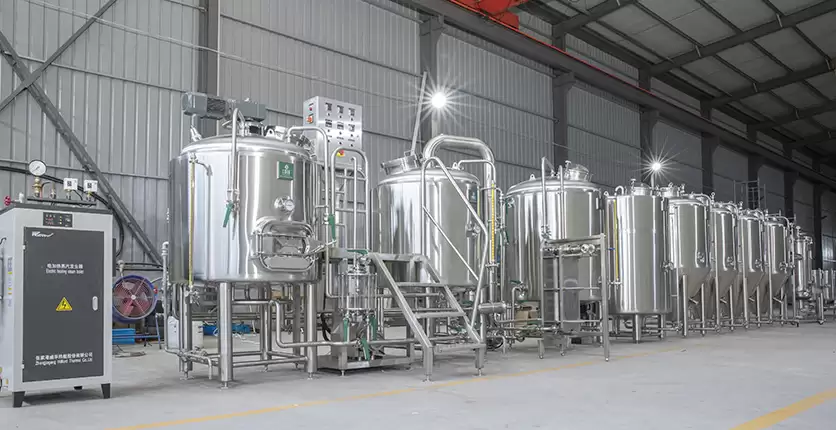
COPYRIGHT © 2022 COFF International Co., ltd. ALL RIGHTS RESERVED


Safety matters most when you care for an oil heated brewhouse. In 2024, explosions, fires, or burns caused 41% of deaths in the oil and gas sector. These accidents often happen when you neglect routine checks or skip important steps. If you want to keep your brewing equipment running smoothly, you need reliable tips to maintain brewing equipment. Regular attention helps your system work better and last longer.
| Maintenance Practice | Impact on Efficiency and Lifespan |
|---|---|
| Routine Checks | Ensures equipment operates at optimum capacity |
| Annual Servicing | Maintains fuel efficiency and adheres to safety standards |
| Emergency Repairs | Prevents costly breakdowns and extends equipment life |
You need to keep your oil heated brewhouse running smoothly. Clean heat exchangers and oil lines on a regular schedule. Monthly deep cleaning helps you spot small issues before they turn into big repairs. This routine keeps your equipment safe and reliable.
Tip: Set a reminder for monthly cleaning. This simple step can save you time and money in the long run.
Sediment and scale can slow down your brewing process. You should clean the equipment thoroughly to remove mineral sedimentation and protein deposits. Each type of buildup needs a specific cleaning method. Use detergents and caustics to dissolve proteins, fats, and oils. This practice improves the efficiency of your brewhouse and keeps your beer tasting great.
Chlorine-based detergents can cause serious problems. These cleaners release strong chemical vapors that may lead to breathing difficulties, throat irritation, and even long-term lung damage. Workers risk chemical burns, eye damage, and skin irritation from regular contact. Mixing chlorine with other chemicals can create toxic gases.
Note: Always choose cleaning products approved for brewhouse maintenance. This keeps your equipment safe and your staff healthy.
You need to test the oil in your brewhouse often. Contaminants can damage your brewing equipment and slow down your process. Water and abrasives are the most common problems. Water can mix with oil and cause rust or sludge. Abrasives like dust and dirt scratch metal surfaces and wear out parts. You can see how these contaminants affect your system in the table below:
| Contaminant | Type of Damage | Effects on System Performance |
|---|---|---|
| Water | Emulsified water leads to cloudiness and wear. Free water causes sludge and filter plugging. | Premature aging of lubricant, rust, reduced load-bearing capacity, safety hazards. |
| Abrasives | Abrasive wear and pitting of metal surfaces. | Equipment degradation, higher maintenance costs, shorter equipment lifespan. |
You should check for these issues during every scheduled brewing equipment maintenance session. Clean oil helps your oil heated brewhouse run safely and efficiently.
Tip: Use a reliable oil testing kit to spot water or dirt before they cause bigger problems.
You must check the oil level every day before you start brewing. Use a sight glass or dipstick to see if the oil is at the right level. Low oil can lead to equipment failure and costly repairs. If you notice the oil level is low, refill it right away. This simple step keeps your brewhouse safe and prevents downtime.
You should replace oil when it gets dirty or loses its quality. Always choose COFF-approved products for your brewhouse. These oils meet strict standards and help your equipment last longer. Clean oil supports better brewing and reduces the risk of breakdowns.
Note: Mark your calendar for oil changes and stick to the schedule. This habit keeps your brewing process safe and reliable.
You should inspect your oil heated brewhouse for leaks every week. Leaks often start at pipe joints, valves, seals, or gaskets. If you see oil stains or puddles near these areas, you may have a leak. Pumps and storage tanks can also show signs of trouble. Use a flashlight to check hard-to-see spots.
Here is a table that shows the most common places where leaks can happen:
| Cause/Location | Description |
|---|---|
| Pipe joints | Leaks can occur around pipe joints. |
| Valves | Inspect valves for potential leaks. |
| Seals | Common spots for leaks include seals. |
| Gaskets and connections | Check gaskets and connections for leaks. |
| Pumps | Look for leaks near pumps. |
| Storage tanks | Inspect storage tanks for signs of leaks. |
If you find a leak, fix it right away. This helps you avoid bigger problems and keeps your brewhouse safe. Regular maintenance of oil lines and connections is one of the best tips for preventing accidents.
Tip: Always check your safety valve during inspections. A working safety valve protects your equipment and your team.
Rust can weaken your tanks and fittings. You should look for rust spots or flaking metal during every inspection. Corrosion can cause pitting, leaks, and scaling. These problems can make your equipment unsafe and less efficient. If you find rust, clean the area and repair it as soon as possible.
Corrosion in tanks and fittings can lower the safety and efficiency of your brewhouse. You protect your investment when you act quickly to fix these issues.
You need to test the safety valve in your brewhouse often. This valve protects your equipment from too much pressure. If the valve does not work, pressure can build up and cause dangerous situations. You should check the safety valve at least once a month. Start by making sure the valve moves freely. Pull the test lever and listen for a clear release of air or steam. If you do not hear this, the valve may be stuck.
Tip: Always wear gloves and eye protection when you test the safety valve. This keeps you safe from hot oil or steam.
A working safety valve is a key part of brewhouse safety. You help prevent accidents and keep your brewing process running smoothly.
If you find a faulty safety valve, replace it right away. Do not try to repair a broken valve. Always use COFF-certified parts for your brewhouse. These parts meet strict safety standards and fit your equipment perfectly. Using the right parts helps you avoid leaks and keeps your system safe.
You can follow these steps for safe replacement:
A good maintenance routine includes regular checks and quick replacements. These tips help you protect your equipment and your team. You make brewhouse maintenance easier and safer when you use the right parts.
| Step | Action |
|---|---|
| 1. Turn off system | Wait for equipment to cool |
| 2. Remove old valve | Use proper tools |
| 3. Install new valve | Use COFF-certified parts |
| 4. Test new valve | Check for proper operation |
Note: Regular safety checks and using certified parts are the best ways to support brewhouse safety.
You need to make sure your boiler room has enough airflow. Good ventilation helps remove heat, moisture, and fumes from the space. When you keep air moving, you lower the risk of dangerous gases building up. You also help your equipment work better and last longer. Place vents or fans in the right spots to move fresh air in and push stale air out. Check that nothing blocks the vents or fans. If you notice a musty smell or see condensation on the walls, you may need to improve airflow.
Tip: Walk through your boiler room each week. Listen for strange noises and feel for hot spots. These signs can show you where airflow needs improvement.
You must clean and inspect your exhaust systems often. Grease and dust can build up inside the ducts and filters. This buildup can cause fires and block the flow of air. When you remove grease and dirt, you protect your brewhouse and keep your team safe.
Set a schedule for cleaning and inspections as part of your regular maintenance. Use these tips to keep your exhaust system in top shape. You make your brewhouse safer and more efficient when you pay attention to ventilation.
You need to check your thermostats and pressure gauges often. These controls help you keep your brewing process safe and accurate. If a gauge or thermostat gives the wrong reading, you might overheat your system or miss a problem. You should calibrate temperature sensors and pressure gauges at least once a year. This step keeps your brewhouse running smoothly and helps you avoid costly mistakes.
Here is a simple table to guide your calibration schedule:
| Task | How Often | Why It Matters |
|---|---|---|
| Calibrate temperature sensors | Yearly | Ensures brewing accuracy |
Tip: Mark your calendar for annual calibration. This habit supports good maintenance and keeps your equipment in top shape.
Control systems in brewing equipment keep changing. In 2025, you will see new features that make your work easier and safer. Many systems now use automation and smart technology. You can monitor your equipment from your phone or computer. Some systems help you save energy and water, which is good for the environment. Others let you expand your setup as your business grows.
Check out these key updates for 2025:
| Key Update | Description |
|---|---|
| Automation and Smart Technology | Remote monitoring and control for better efficiency. |
| Sustainable Brewing | Energy-saving equipment and water recycling. |
| Modular Systems | Flexible setups that grow with your needs. |
| Customization | Equipment designed for special brewing styles. |
| Compact Systems for Microbreweries | High performance in small spaces. |
| Smart Brewhouses | Cloud-connected controls for quality and predictive maintenance. |
| Sustainability by Design | Features like heat recovery and CO2 capture. |
| Flexible Packaging | Quick-change fillers for craft beverages. |
| Modular, Skidded Systems | Faster installation and easier operation. |
| Non-Alcoholic Capability | Tools for making non-alcoholic and ready-to-drink options. |
Note: Upgrading your control systems helps you meet new safety rules and keeps your brewing process efficient.
You should schedule annual visits from a COFF-qualified technician for your brewhouse. These experts know how to spot problems before they become serious. When you arrange yearly equipment inspections, you help your system last longer and work better. Technicians check for leaks, blockages, and hidden dangers like carbon monoxide. They also look at the chimney and vent pipe to make sure nothing blocks the airflow.
Here is a table that shows why regular inspections matter:
| Benefit | Description |
|---|---|
| Extends Equipment Lifespan | Regular inspections help prolong the life of heating systems, reducing the need for replacements. |
| Identifies Potential Issues | Technicians can detect and address problems before they escalate into costly repairs. |
| Enhances Safety | Inspections can reveal hidden dangers, such as carbon monoxide leaks, ensuring a safe environment. |
You also get energy savings and a more comfortable brewhouse. Clean air and safe equipment make your workspace better for everyone.
Tip: Annual inspections are especially important if you do not use your heating system all year. This step keeps your brewhouse safe and efficient.
You need to keep good records after every inspection. Write down what the technician finds and any repairs or changes made. This habit helps you track the health of your equipment over time. If you see the same issue more than once, you can fix it before it causes trouble.
Good documentation makes it easier to plan future maintenance. You can show proof of regular inspections if anyone asks about your safety practices. This record-keeping supports a strong brewhouse maintenance routine and helps you protect your investment.
You need to make sure your staff knows how to use oil heated brewhouse systems safely. Training helps everyone understand the right way to handle equipment and follow safety rules. When you give your team the latest information, you lower the risk of accidents and keep your brewing process smooth. Many breweries use structured courses to teach important skills. Here is a table that shows some of the most effective training methods for staff:
| Course Title | Duration | Description |
|---|---|---|
| Brewery Safety | Varies | Focuses on occupational safety and health in the craft brewing industry. |
| Brewery Safety Training Bundle | 6 hours | Offers six hours of safety training for managers and employees. |
| Safety Culture & Training | N/A | Guides you to build safe habits for every task in the brewery. |
| Keg Filling | 25 minutes | Teaches hazard controls for keg filling and using industrial trucks. |
You should choose training that matches your team’s needs. Regular sessions help staff remember the right steps and keep up with new technology. Good training supports brewhouse safety and helps you avoid costly mistakes.
You must talk about emergency procedures with your staff often. A clear plan helps everyone know what to do if something goes wrong. You should cover different emergencies, such as fires, floods, or earthquakes. Here are some tips for keeping your plan up to date:
When you review these steps, your team will feel ready to act fast. This practice supports maintenance and keeps your brewing environment safe. You protect your equipment and your people when you prepare for the unexpected.
You need to keep spare parts ready for your brewhouse. When you have COFF-approved gaskets, valves, and filters on hand, you can fix problems quickly. Gaskets seal joints and stop leaks. Valves control the flow and pressure in your system. Filters keep the oil clean so your equipment works well. If you see oil stains, replace the gasket. If the pressure drops, change the valve. When the oil looks cloudy, put in a new filter. You can use the table below to help you decide when to replace each part.
| Replacement Part | Purpose | When to Replace |
|---|---|---|
| Gaskets | Seal joints, stop leaks | If you see oil stains |
| Valves | Control flow and pressure | If pressure drops |
| Sight Glasses | Check oil levels | If you spot cracks |
| Pumps | Move oil in the system | If flow slows down |
| Filters | Keep oil clean | If oil looks cloudy |
Tip: Always choose COFF-approved parts for your brewing equipment. This helps you follow the best brewhouse maintenance practices.
You should organize your spare parts so you can find them fast. Use bins or shelves to sort gaskets, valves, and filters. Label each container with the part name and size. Store the most-used items near your work area. When you keep your parts in order, you save time during repairs. You also lower the risk of mistakes. Make a checklist of all the parts you need for regular maintenance. Review your stock every month and refill supplies before they run out.
When you follow these tips, you make your brewhouse safer and more efficient. Good organization supports smooth operations and helps you respond quickly to any issue.
You can save a lot of energy by insulating the pipes and tanks in your brewhouse. Good insulation keeps heat inside the system, so you use less fuel to keep things warm. When you stop heat from escaping, your brewing process becomes more efficient. Recent studies show that re-insulating steam pipes and fixing leaks can save thousands of liters of fuel each year. The table below shows how much energy and fuel you can save with different improvements:
| Energy Conservation Measure | Thermal Energy Saved (MJ) | Fuel Saved (L) |
|---|---|---|
| Re-insulating steam pipes with poor insulation | 1,362,638 | 35,349 |
| Addressing steam leakage from steam pipes | 1,218,660 | 31,614 |
| Adjusting air-fuel ratio for two boilers | 2,193,080 | 56,892 |
| Installing new wort pre-heaters for wort kettles | 11,092,996 | 287,770 |
| Fitting an economizer for boiler No. 1 | 1,129,460 | 29,300 |

When you focus on insulation, you lower your energy bills and help your equipment last longer. This is one of the best tips for brewhouse maintenance.
You need to check your burner settings often to keep your brewhouse running efficiently. Clean burners give you the best heat for each batch. Adjust the flame so it does not look yellow. A blue flame means better heat control. Clean up spills right away to stop buildup. Protect the regulator from dust and moisture. Check for blockages every week. Polish the air passage in the burner to help gas and air mix well. If you use a multi-jet burner, add a steel sheet metal donut to direct airflow.
These steps help you use less fuel and keep your brewing equipment in top shape. When you pay attention to energy efficiency, you support safe and reliable brewhouse operations.
You protect your brewhouse when you take care of your oil heated system. Regular cleaning and inspections help you stop bacteria and mold. You spot small problems before they grow. This keeps your equipment safe and reliable.
| Benefit | Value |
|---|---|
| Increased productivity | Up to 30% |
| Labor cost reductions | 20-40% |
| Ingredient waste reduction | 10-15% |
| Energy savings | 15% or more per batch |
Stay consistent with your care. You will see safer, smoother brewing and better results in 2025.
You should clean oil lines every month. Regular cleaning helps prevent blockages and keeps your system running safely. Set a reminder to stay on schedule.
Look for cloudy oil, strange smells, or slow system performance. These signs mean the oil is dirty. Replace it with COFF-approved products for best results.
COFF-certified parts fit your equipment perfectly. They meet strict safety standards. Using these parts helps you avoid leaks and keeps your brewhouse safe.
Inspect pipe joints, valves, and gaskets every week. Use a flashlight to spot oil stains or puddles. Fix leaks quickly to protect your equipment.
Turn off your system and let it cool. Replace the faulty valve with a COFF-certified part. Test the new valve before starting your next batch.