

COPYRIGHT © 2022 COFF International Co., ltd. ALL RIGHTS RESERVED


You want your oil heated brewhouse to run smoothly and last longer. Regular brewhouse maintenance helps you avoid sudden breakdowns and keeps your brewing process safe. Industry studies show that cleaning, lubrication, and scheduled inspections boost efficiency and extend the life of your equipment. Many brewers forget simple tips to maintain brewing equipment, which leads to costly repairs. Focus on the right tips, and your brewhouse will stay reliable for years.
Explore our selection of oil heated brewhouses to find the perfect match for your needs.
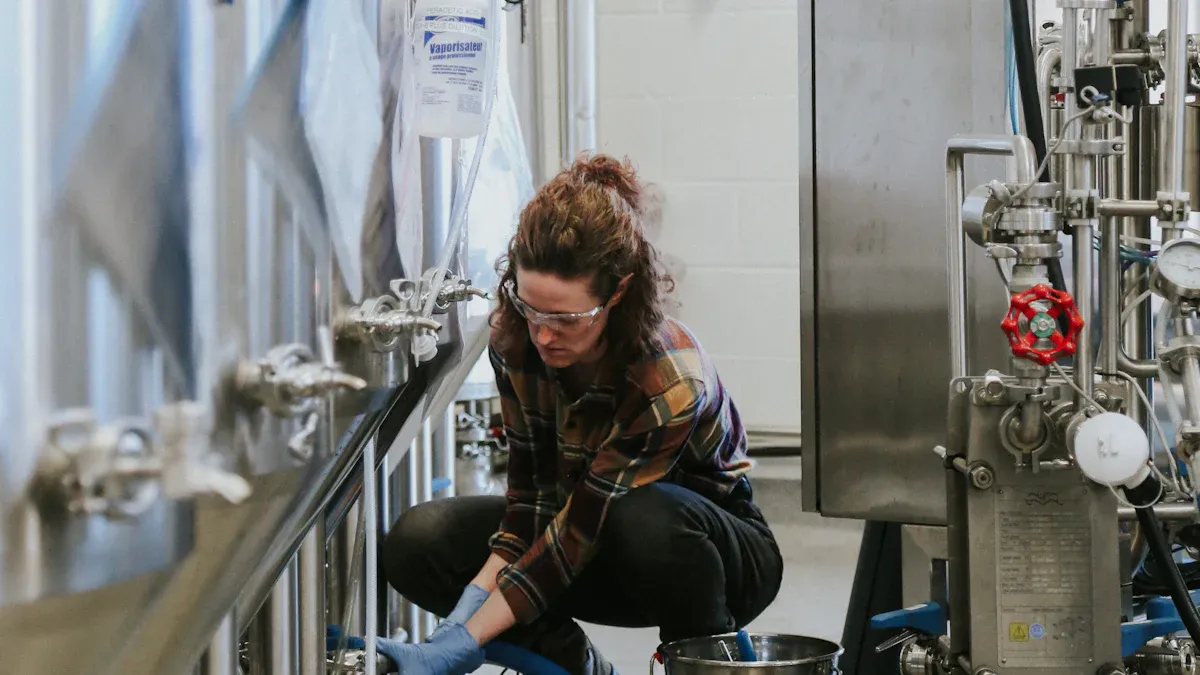
Keeping your oil heated brewhouse clean and well-inspected helps you avoid problems and keeps your brewing process safe. You should follow a regular schedule for brewhouse maintenance. This makes sure your equipment works well and lasts longer.
You need to clean the equipment thoroughly on a regular basis. The table below shows how often you should do different cleaning tasks in your brewhouse:
| Frequency | Cleaning Tasks |
|---|---|
| Daily | Wipe down exterior surfaces, rinse hoses, check for spills, clean control panels, remove leftover grains, inspect sight glasses. |
| Weekly | Disassemble removable parts, soak in cleaner, scrub tanks, flush oil system, inspect heat exchanger. |
| Monthly | Perform a deep clean to identify small issues and ensure equipment reliability. |
Following this schedule helps you spot small problems before they become big ones. It also keeps your brewing equipment maintenance on track.
Choosing the right cleaning agents is important for safe and effective brewhouse maintenance. Here is a quick comparison of common cleaning agents:
| Cleaning Agent | Advantages | Disadvantages |
|---|---|---|
| Caustic Soda | Good on proteins and carbohydrates, inexpensive, reusable | Can set beerstone, dangerous, must be neutralized, higher temperatures needed, not for soft metals, poor rinsing |
| Non-Caustic Cleaners | Does not set beerstone, good on proteins & carbohydrates, safer, rinses well | Cannot be reused, expensive, less effective on antifoams and oils, requires more water to rinse |
Always use cleaning agents that match your equipment and safety needs. Make sure to rinse all surfaces well after cleaning.
Some parts of your brewhouse need extra attention during cleaning and inspection. Focus on these areas:
Tip: Regular inspection and cleaning of these areas help prevent equipment failure and keep your brewhouse safe.
By following these tips to maintain brewing equipment, you reduce the risk of breakdowns and keep your oil heated brewhouse running smoothly.
You need to keep a close eye on the oil level in your oil heated brewhouse. This step helps you avoid sudden problems and keeps your brewing process safe. Follow these steps for effective brewhouse maintenance:
Tip: Keeping a log of your oil checks and cleaning routines makes it easier to spot trends and prevent breakdowns.
Burners and heat exchangers are key parts of your brewhouse. You must listen and look for signs of trouble. Watch out for these warning signs:
A compromised heat exchanger can let dangerous gases enter your workspace. If you notice any of these signs, stop using the equipment and get help right away.
Safety valves protect your brewhouse from pressure problems. You should test the safety valve every quarter using the Try Lever Test. If your equipment faces tough conditions, test it more often. Complete a full Pressure Test each year before the heating season or after a long break. Regular safety valve checks are a vital part of brewhouse maintenance and help keep your brewing process safe.
You want your oil heated brewhouse to work well every day. Choosing the right COFF products helps you keep your brewhouse clean and safe. Good brewhouse maintenance starts with using effective cleaning agents and reliable replacement parts.
Here is a table showing cleaning products you can use for your brewhouse:
| Cleaning Product | Effectiveness | Usage Instructions |
|---|---|---|
| Caustic Soda | Dissolves organic matter, works well for brewhouse systems | Use at 1% in hot water, recirculate for 30-60 minutes |
| Peracetic Acid | Disinfects and sanitizes, fights bacteria and fungi | Use at 0.1% in cold water, recirculate for 30 minutes |
| Phosphoric/Nitric Acid | Removes beer stone and minerals, protects stainless steel | Use at 1% in warm water, recirculate for 15 minutes, rinse well |
Tip: Always follow the usage instructions for each cleaning product. This keeps your brewhouse safe and helps you avoid damage.
You also need to check and replace key parts in your brewhouse. Regular brewhouse maintenance means looking for signs of wear and changing parts before problems start. Here is a table with important replacement parts:
| Replacement Part | Purpose | When to Replace |
|---|---|---|
| Gaskets | Seal joints, stop leaks | If you see oil stains |
| Valves | Control flow and pressure | If pressure drops |
| Sight Glasses | Check oil levels | If you spot cracks |
| Pumps | Move oil in the system | If flow slows down |
| Filters | Keep oil clean | If oil looks cloudy |
You keep your brewhouse running smoothly when you use these COFF products. You also lower the risk of breakdowns and make your maintenance routine easier. These tips help you get the most from your oil heated brewhouse.
You keep your oil heated brewhouse running smoothly when you inspect and lubricate motors regularly. Motors power many parts of your brewhouse, so you need to check them often. You prevent breakdowns and defects by setting standards for cleaning, lubrication, and inspection.
Check the oil level of motors and hydraulic devices every week. Lubricate according to the manufacturer’s instructions. Tighten fittings and replace seals if you see leaks. Never let pumps idle or run in reverse. These tips help you avoid costly repairs and keep your brewhouse maintenance routine effective.
Pumps move hot oil and other fluids through your brewhouse. You need to follow best practices to keep pumps working well.
You keep your brewhouse safe and efficient when you follow these steps. Good pump maintenance supports reliable brewing and helps you avoid downtime.
Electrical safety matters in every brewhouse. You need to check connections and grounding to protect your equipment and staff.
| Recommended Procedure | Description |
|---|---|
| Install a grounding system | Make sure it exceeds minimum NEC requirements for safety and power quality. |
| Measure ground resistance | Keep resistance to ground at 25 ohms or less for most loads, 1 ohm for sensitive electronics. |
| Space ground rods | Place rods at least twice their length apart for better grounding. |
| Consider isolated grounding | Use isolated grounding for sensitive electronic equipment. |
You improve safety and power quality when you follow these procedures. Regular electrical checks are a key part of brewhouse maintenance.
You need to inspect pipes and valves in your brewhouse often. Leaks can happen for many reasons. The most common causes include cracked tubes from thermal cycling, loss of oil flow, and large-volume leaks from component failure. These problems can create fire hazards if hot oil escapes.
To catch leaks early, use modern tools like the SV600 Acoustic Imager. This device helps you find leaks by listening for sounds that you cannot hear. It tracks how often and how severe leaks are, so you can fix them before they get worse. You should also use CO2 monitors and sensors. These tools help you spot leaks in draft beer systems quickly. Fast detection and repair keep your brewing process safe and steady.
Tip: Regular pipe and valve checks are a key part of brewhouse maintenance. Early action prevents bigger problems later.
Heat exchangers play a big role in your oil heated brewhouse. You must keep them in good shape to avoid leaks. Start by inspecting pipes, joints, and the oil tank for early signs of trouble. Fix welding defects, worn gaskets, or loose connections right away. Choose high-quality materials like stainless steel and strong gaskets to make your system last longer.
When you check the heat exchanger, look closely at joints and seams. Rust or discoloration can mean a leak is starting. Repair any leaks you find as soon as possible. These steps help you avoid costly repairs and keep your brewhouse running smoothly.
If you find a leak, you need to act fast. First, figure out what caused the leak. Leaks can come from damaged jackets or coolant leaks at insulation vents. In new tanks, a leak might mean a quality issue. Always check new equipment carefully before you use it.
Follow these steps when you respond to a leak:
Quick action and good records help you improve your brewhouse maintenance routine. These tips keep your brewing equipment safe and reliable.

You must treat hot oil with respect in your oil heated brewhouse. Hot oil can cause serious burns and slips if you do not follow the right steps. Always wear heat-resistant gloves that cover your wrists. Use a full face mask to protect your face from splashes. Put on a full body apron made from heat-resistant rubber. Closed toe shoes help prevent burns and slips. Never touch hot oil with bare hands. Let used oil cool before you handle it, but stay careful even after cooling. Use the right tools to move oil and clean up spills right away. Talk with your team when you handle oil so everyone stays safe. Keep a fire extinguisher close by and know how to give first aid if needed. These tips help you keep brewhouse safety a top priority.
You need to know how to shut down your brewing equipment fast in an emergency. Before you turn off the machine, tell everyone nearby. Use the correct shut-off steps to avoid hazards. Isolate the machine from its energy source with the right devices. Lock out and tag out all power sources. Tape off any open panels or hazards. Check for dangers and remove standing water from the area. Open control cabinets to check inside. Clean up any spills or dirt. Use contact cleaner on circuit boards and low voltage parts. Apply corrosion control to electronics and metal parts. These actions help you keep your brewhouse safe during emergencies and support good brewhouse maintenance.
You need the right safety equipment for every brewhouse task. Personal Protective Equipment (PPE) is a must for cleaning, maintenance, or brewing. Wear safety glasses or a face shield to protect your eyes. Use chemical-resistant gloves when you handle cleaners or hot oil. Choose sturdy, slip-resistant closed-toe shoes. If you work with chemicals or in dusty areas, use the right respiratory protection. Good safety gear keeps you safe and helps you follow the best practices for brewhouse maintenance. Make sure all team members use the right equipment every time.
You want your oil heated brewhouse to run safely and efficiently every day. COFF recommends that you follow a clear set of safety steps to protect your team and your equipment. These tips help you avoid accidents and keep your brewing process smooth.
Follow these COFF safety recommendations:
Note: You improve brewhouse safety when you teach your team about risks and safe practices. Regular training keeps everyone alert and ready.
| Safety Step | Why It Matters |
|---|---|
| Check gauges | Prevents overheating and burns |
| Inspect hoses | Stops leaks and fire hazards |
| Use protective equipment | Reduces risk of injury |
| Keep fire extinguisher | Prepares you for emergencies |
| Store chemicals safely | Prevents spills and accidents |
| Train your team | Builds confidence and quick response |
| Log maintenance | Tracks issues and improves safety |
You keep your brewhouse running well when you follow these COFF safety recommendations. Good brewhouse maintenance and safety habits protect your investment and your team. Use these tips to create a safe brewing environment every day.
You help your brewhouse run better when you keep detailed maintenance logs. These records show what work you have done and when you did it. Good logs help you make smart choices about repairs and upgrades. You can also use them to prove your equipment has been well cared for if you want to sell or upgrade.
Here is a table showing the main benefits of keeping maintenance logs:
| Benefit | Description |
|---|---|
| Creates more cost-effective decisions | Clear records help you plan and use resources wisely. |
| Increase equipment resale value | Logs show proof of care, making your equipment more valuable. |
| Develop specialized maintenance programs | Past data lets you improve your maintenance plans for better results. |
You also avoid costly breakdowns and reduce downtime when you track repairs and inspections. You can plan for spare parts and tools, so you never run out when you need them.
A routine checklist keeps your oil heated brewhouse safe and efficient. You should include all important tasks in your checklist. This helps you remember what to check each day, week, or month.
| Maintenance Task | Description |
|---|---|
| Vessel cleaning and water tests | Run hot water before brewing to check for leaks. Clean after use with a CIP system. |
| Pump maintenance | Check pumps monthly for dirt and wiring problems. |
| Malt mill maintenance | Clean after use and check settings before brewing. Inspect the motor every few months. |
| Electrical system tests | Check wiring and remove dust often. |
| Tool calibration and maintenance | Make sure tools and temperature probes work before brewing. |
| Vessel motor maintenance | Look for wear and rust every few months. |
| Heating systems | Keep heating systems in good shape to avoid delays. |
| Heat exchanger | Clean after use and deep clean once or twice a year. |
Tip: Use a printed or digital checklist to make sure you never miss a step in your brewhouse maintenance routine.
You keep your brewhouse running smoothly when you schedule preventive maintenance. Set clear times for oil changes and other key tasks. This helps you avoid problems before they start.
| Oil Change Interval | When to Change Oil | Why It Matters |
|---|---|---|
| Every 6 months | Twice a year | Keeps oil clean and system safe |
| After 500 cycles | When you reach cycle limit | Prevents buildup and wear |
| After major repairs | After fixing heating system | Removes old or dirty oil |
You should also plan regular checks for all parts of your brewhouse. Mark these dates on a calendar or use a reminder app. This simple habit helps you follow the best tips for long-lasting equipment.
You keep your oil heated brewhouse safe and efficient when you follow a regular maintenance routine. Clean and inspect equipment often, listen for unusual noises, and test safety switches. The table below shows how these actions improve safety and performance:
| Maintenance Activity | Benefit |
|---|---|
| Routine inspections | Prevents malfunctions |
| Cleaning heat exchangers | Boosts system performance |
| Testing safety mechanisms | Ensures reliable operation |
COFF products help you save money, improve energy efficiency, and maintain consistent brewing quality. Start your maintenance schedule today for better results.
You should check oil levels every week. Quick daily checks help you spot sudden drops. Keeping a log helps you catch problems early and keeps your brewing process safe.
You need heat-resistant gloves, a face shield, a full body apron, and closed-toe shoes. Safety glasses and chemical-resistant gloves protect you when you clean or handle hot oil.
Tip: Always wear your safety gear before you start any maintenance task.
You can use caustic soda, peracetic acid, or phosphoric/nitric acid. Each agent works well for different tasks. Always follow the instructions and rinse surfaces after cleaning.
| Cleaning Agent | Best Use |
|---|---|
| Caustic Soda | Organic matter |
| Peracetic Acid | Disinfection |
| Phosphoric/Nitric | Mineral removal |
You need to shut down the equipment, contain the leak, and repair or replace damaged parts. Record the incident in your maintenance log. Fast action keeps your brewhouse safe.