


COPYRIGHT © 2022 COFF International Co., ltd. ALL RIGHTS RESERVED

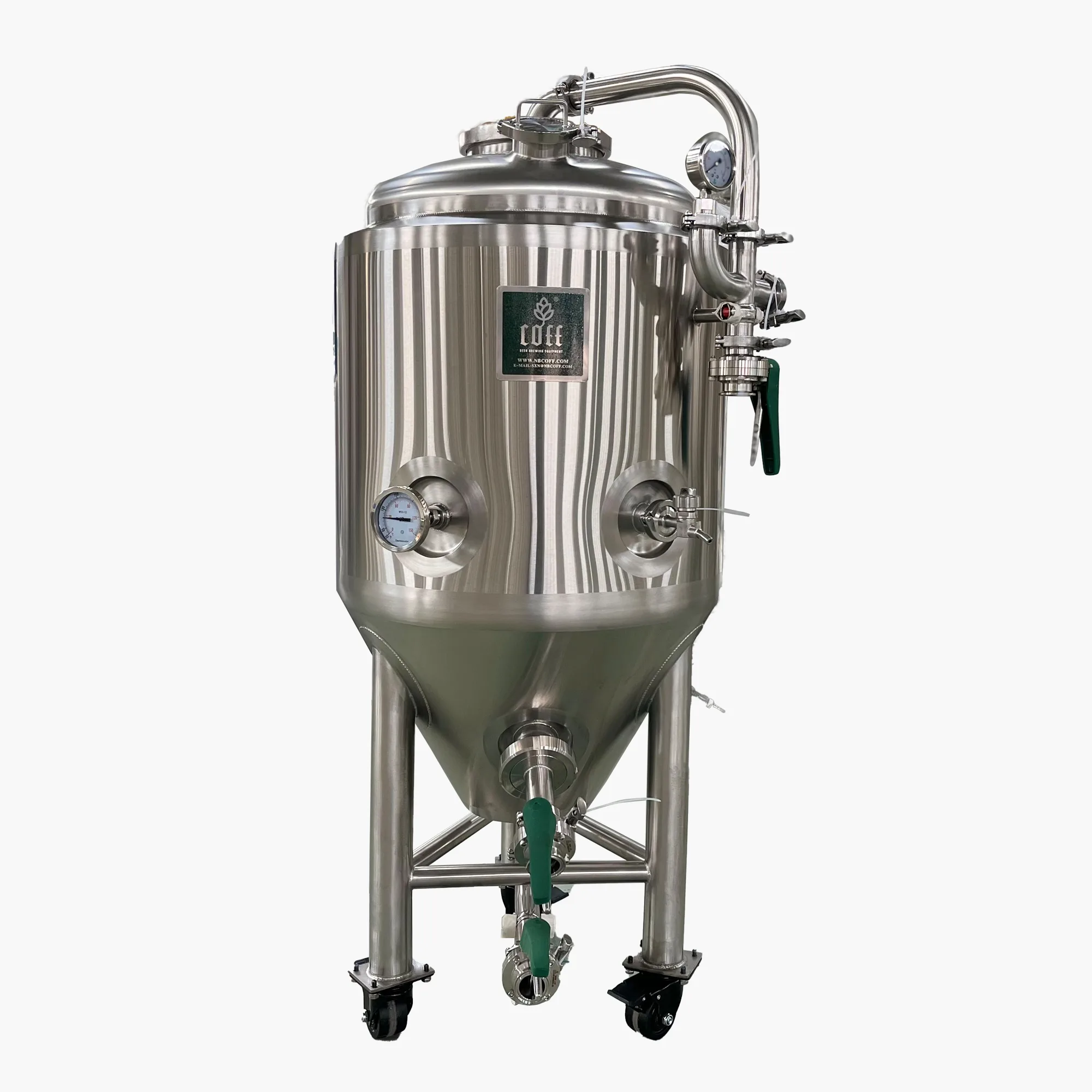
A milk tank usually uses 3,000 to 50,000 watts of electricity to keep milk cold and fresh. The amount of electricity depends on the tank size, how well it works, and the area around it. If people know how much power their milk tank uses, they can make better choices about their equipment and daily habits. Using less electricity can help save money and make dairy farms work better.
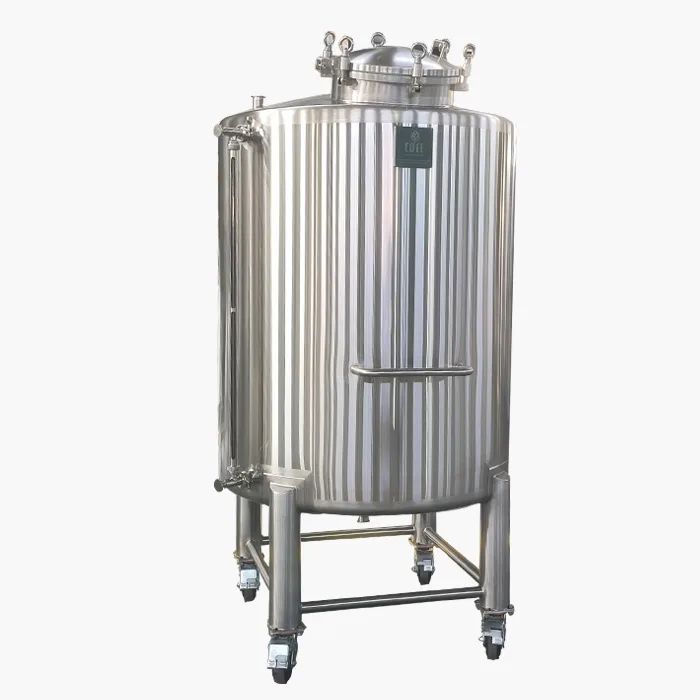
A milk tank has parts that need electricity. Each part helps keep milk safe and fresh. High-quality milk tank help use less electricity to keep milk cool.
Cooling and storage are why milk tanks use electricity. The cooling system works fast. It brings fresh milk to a safe temperature. This step keeps milk fresh. It also stops bacteria from growing.
COFF milk tanks have insulated walls. These walls keep cold air inside. This means the cooling system does not work as hard. It saves electricity. Good storage and cooling protect milk quality. They help dairy farms run well.
The amount of electricity a milk tank uses depends on its size. Small tanks use less power, while large tanks need more energy to keep milk cold. Most milk tanks use between 3,000 and 50,000 watts. This range covers tanks from small farms to big dairy plants.
A common way to measure electricity use is watt-hours per liter. On average, a milk tank uses about 11.3 watt-hours for each liter of milk it cools and stores. For example, a 1,000-liter tank would use about 11,300 watt-hours, or 11.3 kilowatt-hours, each time it cools a full batch.
The cost of running a milk tank also depends on the type of milking system. The table below shows the average energy cost per ton of milk for two common systems:
| Milking Parlour Type | Energy Cost per TMilk (€ TMilk−1) | Standard Deviation (€) |
|---|---|---|
| Herringbone | 4.59 | 0.72 |
| Rotary | 4.33 | 1.55 |
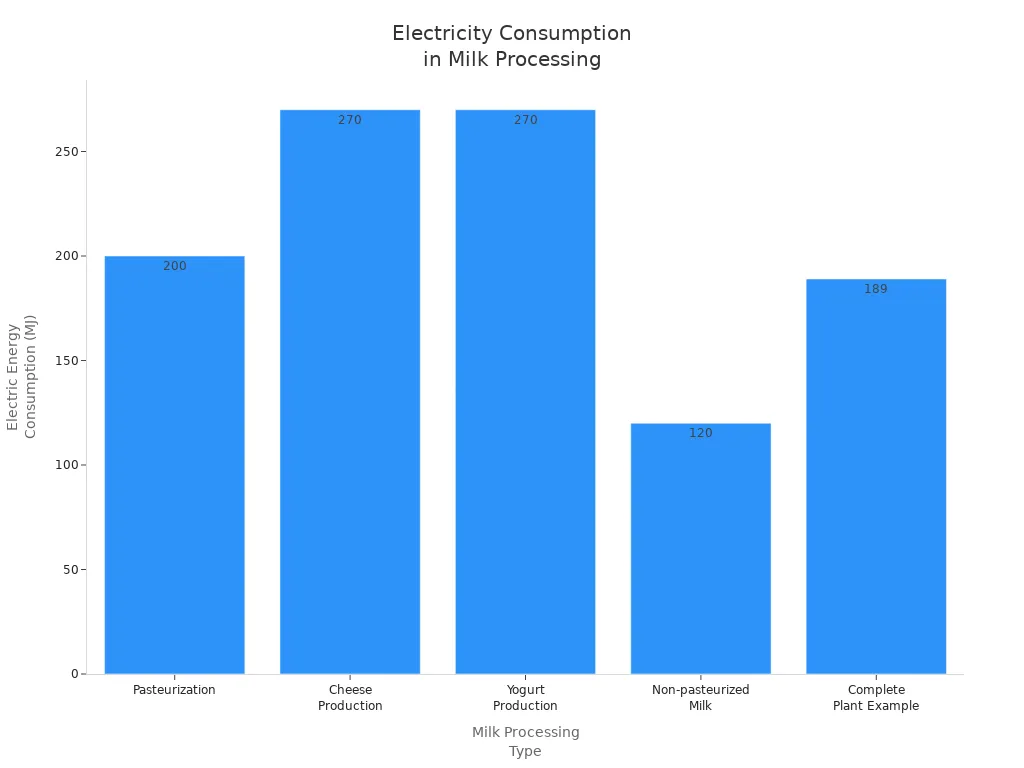
Dairy plants use different amounts of electricity for each type of milk processing. The table below shows how much energy is needed for pasteurization, cheese, and yogurt production:
| Type of Milk Processing | Electric Energy Consumption (MJ) |
|---|---|
| Pasteurization | 200 |
| Cheese Production | 270 |
| Yogurt Production | 270 |
| Non-pasteurized Milk | 120 (per ton of final product) |
| Complete Plant Example | 189 (for 500 liters of pasteurized milk and 700 liters of cheese) |
Anyone can estimate how much electricity their milk tank uses by following a few simple steps. Here is a guide:
Tip: Using a tank with good insulation, like a COFF milk tank, can lower these numbers. Better insulation means the cooling system runs less often, which saves energy and money.
By following these steps, dairy producers can understand their electricity use. They can also find ways to save energy and reduce costs.
How big a milk tank is matters a lot. Bigger tanks use more energy to cool more milk. Smaller tanks use less power. But if a tank is too small, it can waste energy. Farms should pick a tank that fits their daily milk amount. This helps stop extra energy use.
| Factor | Explanation |
|---|---|
| Cooling Capacity | Bigger tanks need more energy to cool more milk. |
| Efficiency of Refrigeration | Tanks that are too small can waste energy by cooling badly. |
| Ambient Conditions | The weather changes how much energy is needed for cooling. |
| Matching Capacity to Production | Tanks should fit daily milk needs with some extra space. |
Insulation helps milk tanks use less electricity. Double walls and vacuum insulation keep cold air inside. This stops heat from getting in. The cooling system does not work as much. Smooth insides and round shapes help keep milk cold. Farms use glass mineral wool and polyurethane foam to insulate tanks.
| Insulation Material | Type | Thermal Conductivity (W/mK) | Density (kg/m3) | Service Temperature (°C) | Compressive Strength (kN/m2) | Water Vapour Transmission (μgm/Nh) |
|---|---|---|---|---|---|---|
| Glass mineral wool | Hot insulation | 0.031 to 0.042 | 10 to 80 | -200 to 450 | 1 to 8 | 346 to 417 |
| Polyurethane foam (PUF) | Cold insulation | 0.016 to 0.023 | 35 to 50 | -180 to 110 | 350 | 20 |
Farms with well-insulated tanks spend less money and use less energy. Good designs keep milk safe and fresh.
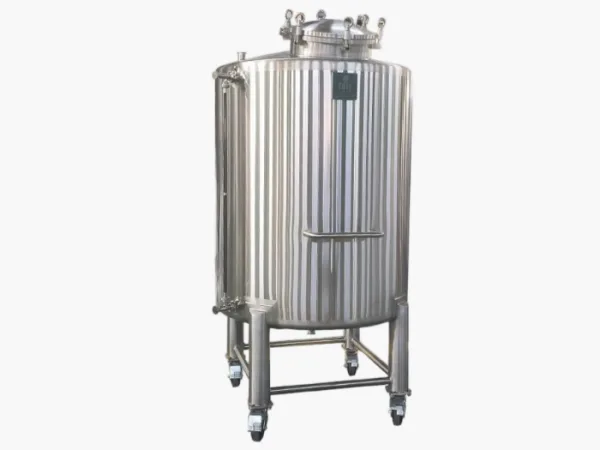
Keeping a milk tank in good shape saves energy. Dairy workers should clean condenser coils every month or two. They need to get a professional to check the tank once a year. Checking electrical connections often stops problems before they start. These steps help the tank use less electricity and last longer.
Some mistakes make tanks use more power. Workers sometimes forget to do regular maintenance. Not watching the temperature or filling the tank too much also wastes energy. Avoiding these mistakes keeps energy bills lower.
Tip: If you take care of your milk tank, it uses less power and keeps milk fresh longer.
Using smart ways to run milk tanks saves energy. New cooling systems use less power and help the planet. Equipment with better insulation and smart cooling cycles uses less electricity. Farms that use these tanks follow environmental rules.
| Evidence Description | Key Benefits |
|---|---|
| Advanced cooling systems incorporate energy-efficient technologies. | Reduced operational costs and environmental harm. |
| Efficient equipment reduces your operation’s environmental impact. | Aligns with sustainability initiatives and lowers operational costs. |
| Energy-efficient cooling tanks reduce power consumption through improved insulation and optimized refrigeration cycles. | Ensures long-term compliance with environmental regulations. |
New milk tank technology lets farms watch milk temperature and quality all the time. Automatic cooling stops mistakes and keeps milk safe. These upgrades help farms use less electricity.
COFF milk tanks save energy with fast heating, auto-shutoff, and strong insulation. Tough, recyclable materials mean tanks last longer and are better for the planet.
Milk tanks are important for keeping milk safe and fresh. The table below shows key facts about electricity use and what changes it:
| Key Point | Description |
|---|---|
| Primary Function | Keeps milk cold at 4°C or lower to stay good. |
| Electricity Usage | Cooling systems use a lot of power to keep milk cold. |
| Influencing Factors | New cooling and cleaning systems help save money. |
Efficiency helps farms save money and protect nature.To use less electricity, dairy farmers can:
If farms check their own tank’s power use and follow these ideas, they can spend less and help the earth.
A milk tank uses a refrigeration system. This system cools milk quickly after collection. Insulated walls help keep the cold air inside. This process keeps milk fresh and safe for use.
A small farm often uses a milk tank with a capacity between 200 and 2,000 liters. The right size depends on daily milk production. Choosing the correct size helps save energy and money.
Cleaning should happen after every use. Regular cleaning prevents bacteria growth. It also keeps milk quality high. Proper cleaning helps the equipment last longer.
Yes. A milk tank with good insulation and efficient cooling uses less electricity. Regular maintenance also reduces energy use. These steps help lower monthly bills.
Manufacturers use food-grade stainless steel for most milk tanks. This material resists rust and damage. It also keeps milk safe and fresh during storage.