


COPYRIGHT © 2022 COFF International Co., ltd. ALL RIGHTS RESERVED


You need a reliable oil heated brewhouse to keep your brewery safe and productive. In 2024, safety incidents showed that explosion, fire, or burns caused 41% of fatalities in the oil and gas sector. Other risks included being struck by objects and violent acts. The total recordable injury rate dropped by 4% from 2023, but North America had a higher fatal accident rate than the global average.
Structured brewhouse maintenance helps you avoid breakdowns and keeps systems running smoothly. When you follow standard procedures and use the right tips, you protect your brewhouse and improve efficiency. COFF product integration supports your maintenance tasks and ensures your equipment stays in top shape.
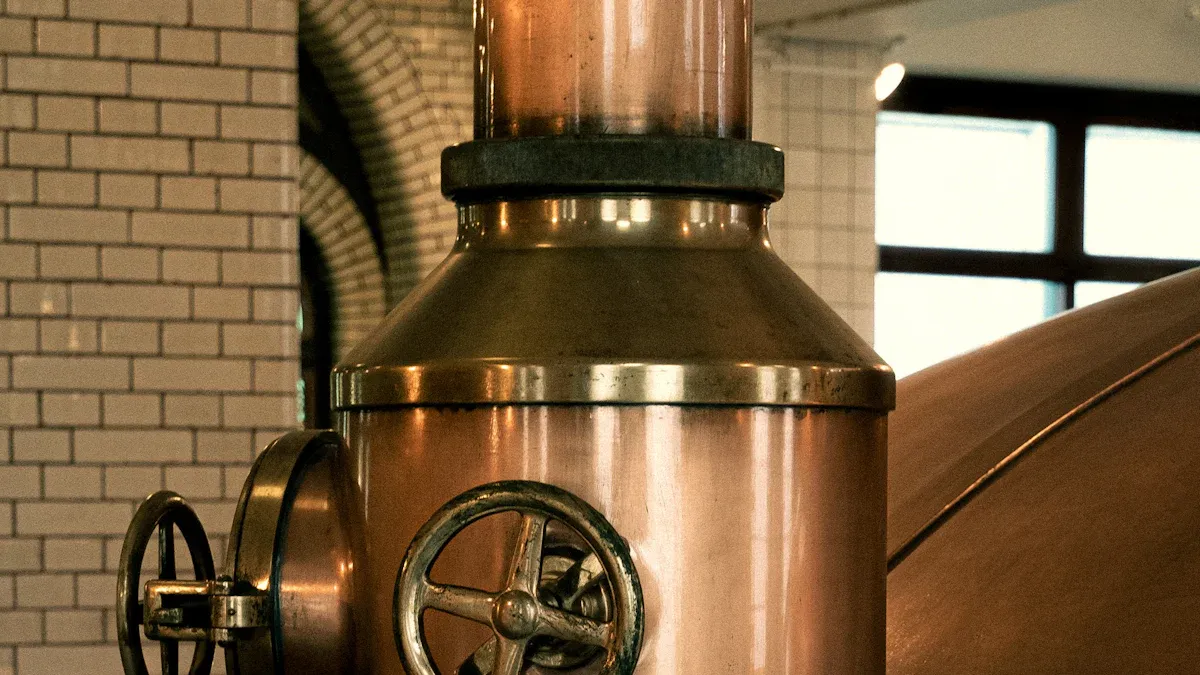
You need to clean the equipment thoroughly every day to keep your brewhouse safe and efficient. Dirt, yeast, and residue can build up quickly on brewing surfaces. If you do not remove these, you risk contamination and poor beer quality. Start by rinsing all surfaces with warm water. Use a food-safe cleaner to scrub tanks, pipes, and valves. Pay close attention to hard-to-reach spots where residue can hide. After cleaning, move on to sanitizing. Sanitizing kills any remaining germs and helps prevent spoilage. Make sure you follow the instructions for your chosen sanitizer. Rinse all surfaces again with clean water before you start brewing. This daily routine supports preventative maintenance and keeps your brewing equipment in top condition.
Tip: Always wear gloves and eye protection when handling cleaning chemicals. This keeps you safe and avoids accidents.
You should inspect your brewhouse every day before you start brewing. A careful look can help you spot problems early and avoid costly repairs. Use this checklist to guide your inspection:
You may also notice signs of wear or damage during your inspection. The table below shows what to look for:
| Type of Damage | Signs to Look For |
|---|---|
| Leaks | – Dripping liquid from connections or fittings |
| – Unusual moisture on the floor | |
| – Rust spots around fixtures | |
| – Sudden pressure drop on gauges | |
| Corrosion | – Discolored spots on stainless steel |
| – Peeling or flaking surfaces | |
| – Weak points that bend or dent easily | |
| – Strange odors emanating from metal parts |
If you find any of these issues, address them right away. Early action helps you avoid bigger problems and keeps your oil heated brewhouse running smoothly.
You must check the oil level and quality in your brewhouse every day. The oil heats your brewing system and keeps the temperature steady. If the oil level drops too low, your equipment may overheat or shut down. Use the sight glass or dipstick to check the oil level before you start brewing. If you see the level is low, top it up with the recommended oil for your system.
Check the oil’s color and smell. Clean oil looks clear and has no strong odor. If you notice the oil looks dark or smells burnt, it may be time to change it. Dirty oil can damage your equipment and affect brewing performance. COFF systems make it easy to monitor oil quality and maintain the right temperature for brewing. Regular checks support brewing equipment maintenance and help you avoid unexpected downtime.
Note: Record your oil checks in your brewhouse maintenance log. This helps you track trends and spot problems early.
You need to check gauges, valves, and pressure every day in your oil heated brewhouse. Gauges show you if your system works safely. Valves control the flow of oil and steam. Pressure readings help you spot problems before they get worse.
Start by looking at each gauge. Make sure the numbers match the safe range for your equipment. If you see a number that is too high or too low, you must act quickly. Abnormal readings can mean danger for your brewhouse.
Check each valve for leaks or sticky movement. If a valve does not open or close smoothly, clean or replace it. Watch for signs of wear on seals and connections. If you find a problem, fix it before you start brewing.
Tip: Always record any abnormal readings in your maintenance log. This helps you track patterns and prevent future issues.
You need to record key operational data every day and every week. This helps you keep your brewhouse safe and efficient. When you write down what you see, you can spot problems early and plan repairs before they cause downtime.
Here is a table showing what you should record:
| Frequency | Task Description | Details |
|---|---|---|
| Daily | Vessel cleaning and water tests | Run hot water through the brewhouse system to check for leaks and ensure functionality. |
| Weekly | Cooling systems check | Inspect for leaks in pipes and pumps to prevent temperature issues during fermentation. |
| Weekly | Electrical panels inspection | Check for wear or moisture in control panels and test functionality of cooling systems. |
| Weekly | Fermenting vessels check | Ensure vessels hold pressure and inspect gaskets, valves, and clamps for wear. |
Write down the results of each check in your maintenance log. Use a notebook or a digital spreadsheet. Record the date, time, and any problems you find. If you notice a leak or a strange noise, describe it clearly.
Regular data recording helps you use predictive maintenance. You can use real-time data to find leaks and problems before they stop your brewing process. The table below shows how this helps your brewhouse:
| Evidence | Description |
|---|---|
| Predictive maintenance | Uses real-time data to identify leaks and problems before they cause downtime. |
| Equipment performance tracking | Helps decide when to schedule shutdowns, reducing downtime and improving reliability. |
Note: When you keep good records, you make your brewhouse safer and more reliable. You also save time and money by fixing problems early.
You need to clean your heat exchangers regularly to keep your oil heated brewhouse running efficiently. Dirty heat exchangers can lower brewing performance and affect product quality. You should follow these tips to maintain brewing equipment and prevent buildup:
After cleaning, make sure all parts are dry before you put them back together. This step helps prevent rust and corrosion. Refer to your manual for correct assembly. Always inspect each part for loose connections or damage before reassembly.
Tip: Clean heat exchangers every one to three years, depending on your system’s type and service conditions. Inspect them at least once a year, or more often if your environment is dirty or corrosive.
A clean heat exchanger improves temperature control and brewing efficiency. The table below shows how different types of fouling can impact your system:
| Type of Fouling | Impact on Efficiency |
|---|---|
| Mineral Scaling | Significantly decreases efficiency if not managed. |
| Biological Growth | Leads to fouling, affecting heat transfer. |
| Corrosion | Causes material degradation, impairing heat transfer. |
You need to inspect pumps, motors, and electrical connections every month. These components help your brewhouse operate smoothly. If you ignore them, you risk unexpected breakdowns and costly repairs.
Start by checking your pumps for leaks or unusual noises. Listen for grinding or rattling sounds. These noises can signal wear or damage. Inspect the seals and gaskets for cracks or signs of wear. Replace any worn parts right away.
Move on to motors. Look for overheating or vibration. Touch the motor housing to check for excessive heat. If you feel it is too hot, shut down the system and investigate. Clean dust and debris from motor vents to prevent overheating.
Check all electrical connections. Make sure wires are secure and free from moisture. Look for signs of corrosion or discoloration on terminals. Tighten any loose connections and replace damaged wires.
Note: Record your findings in your brewhouse maintenance log. Regular inspections support preventative maintenance and help you avoid downtime.
You need to check for leaks, corrosion, and wear in your brewhouse systems every month. Early detection helps you protect your brewing equipment and extend its lifespan.
Conduct routine inspections to find loose connections or worn gaskets. Take immediate steps to tighten or replace any problematic components. This approach supports brewing equipment maintenance and keeps your brewhouse safe.
The table below shows how early detection and good maintenance practices impact the longevity of your oil heated brewhouse:
| Maintenance Practice | Impact on Longevity |
|---|---|
| Rising chloride limits | Reduces stainless pitting incidents |
| Predictive maintenance | Enables condition-based servicing |
| Water and chemical reduction | Cuts in CIP water and chemical use |
| Energy-efficient CIP | Meets Scope 2 targets |
| Regulatory focus | Ensures safety and compliance |
Tip: Regular checks and quick repairs help you avoid bigger problems. You save money and keep your brewing process running smoothly.
You need to keep moving parts in your oil heated brewhouse working smoothly. Lubrication is one of the most important tips to maintain brewing equipment. Manufacturers recommend setting up a lubrication schedule for bearings, hydraulic systems, and compressors. You should follow these guidelines closely. Timely lubrication reduces friction and prevents corrosion. It also helps extend the lifespan of your equipment.
When you lubricate moving parts, you protect machinery from damage. You lower the risk of breakdowns and keep your brewhouse running efficiently. The Belgian Brewery shows that optimal lubrication prevents corrosion and keeps high-speed machinery working well. This practice reduces unplanned downtime and operating costs.
Here are some benefits of proper lubrication:
If you follow a well-maintained lubrication program, you can reduce downtime by up to 30%. You may also extend equipment life by up to 20%. Regular lubrication helps you catch small problems before they become big ones.
Tip: Always use the lubricant recommended by your equipment manufacturer. Check the lubrication schedule and record each application in your maintenance log.
You need to review your maintenance logs often. These logs help you track the health of your oil heated brewhouse. When you keep good records, you can spot patterns and prevent recurring problems. Maintenance log analysis helps you identify issues before they cause downtime.
Here is a table showing key elements to review in your maintenance logs:
| Key Element | Description |
|---|---|
| Oil Levels | Check oil tank levels before brewing sessions to avoid running low. |
| System Pressure | Monitor pressure gauges to ensure even heating and identify blockages. |
| Regular Inspections | Conduct regular checks on equipment, including cleaning and safety devices. |
| Equipment Cleaning | Clean all equipment before long breaks and disassemble heat exchangers. |
| Leak Checks | Inspect pipelines and heat exchangers for leaks. |
You should schedule routine checks of brewing vessels, pumps, valves, and other components. Early detection of wear, leaks, or corrosion helps you avoid costly breakdowns. A comprehensive maintenance log lets you track activities and identify recurring issues. You can address potential problems before they escalate.
When you review your logs regularly, you keep your brewing equipment safe and efficient. You also save money and reduce downtime.
You need to calibrate instruments and controls in your brewhouse every year. Calibration helps you keep measurements accurate for temperature control and calibration, pressure, and pH. Accurate readings make sure your beer tastes the same every time. If you skip calibration, you risk unsafe conditions and poor product quality. You should follow a step-by-step process:
| Calibration Procedure | Description |
|---|---|
| Preparatory Activities | Prepare each instrument before you record calibration readings. |
| Pre-Calibration Readings | Measure readings and compare them to standard values. |
| Adjustments | Fix errors if readings fall outside allowed limits. |
| Post-Calibration Readings | Check readings again after adjustments. |
| Calibration Results | Mark each instrument as Pass or Fail. |
| Calibration Records | Keep detailed notes and certificates for each calibration. |
You should document every calibration. This record helps you meet regulations and keep your brewhouse safe. Many breweries calibrate instruments once a year, but you may need to check critical sensors more often. Choose a trusted calibration partner to ensure accuracy.
Tip: Regular calibration helps you avoid mistakes and keeps your beer consistent.
You need to perform passivation on your stainless steel brewing equipment every year. Passivation creates a protective layer that stops corrosion and keeps your brewhouse safe. This process also helps your beer taste better by preventing contamination. You should follow these steps:
Passivation protects your equipment from chemical cleaners and microbial contamination. It also helps you meet safety standards. Commercial breweries often passivate every three months, but annual passivation works for smaller operations. You should not rely on testing alone, since it does not measure chromium levels.
Note: Passivation improves durability and keeps your brewing process hygienic.
You need to complete a regulatory compliance audit every year. This audit checks if your brewhouse meets safety and quality standards. You should review records for calibration, cleaning, and passivation. Inspect pumps, tanks, and control systems for any issues. Make sure you follow all local and national regulations.
A compliance audit helps you avoid fines and keeps your staff safe. You should keep all certificates and reports in one place. If you find problems, fix them right away. Regular audits show that you care about safety and product quality.
Tip: Use a checklist to track each step of your audit and keep your brewhouse running smoothly.
You need to replace worn or outdated parts in your brewing equipment every year. Old parts can cause breakdowns and lower the quality of your beer. You should check all parts for signs of wear, such as cracks, rust, or loose fittings. If you find any damaged parts, replace them right away.
Here is a simple checklist to help you:
You should keep spare parts on hand for quick replacements. This helps you avoid long downtime. Always use parts that match the manufacturer’s recommendations. If you use the wrong parts, you may damage your equipment.
Tip: After replacing parts, clean and sanitize the area. This step helps prevent contamination and supports the effects of passivation.
A table can help you track which parts you have checked and replaced:
| Part Name | Condition | Action Taken | Date |
|---|---|---|---|
| Gasket | Worn | Replaced | 2025-03-10 |
| Valve | Good | None | 2025-03-10 |
| Pump | Noisy | Replaced | 2025-03-10 |
You need to evaluate your system’s performance every year. This process helps you find problems early and keep your brewhouse running well. Start by reviewing your maintenance logs. Look for patterns in repairs or downtime.
Test your heating system to make sure it reaches the right temperature quickly. Check the oil circulation for steady flow and no leaks. Measure the energy use and compare it to last year’s numbers. If you see higher energy use, your system may need cleaning or repairs.
Ask these questions during your evaluation:
If you find any issues, schedule repairs or upgrades. Regular performance checks help you avoid big problems and keep your brewing process safe.
You need to watch for warning signs in your brewing equipment every day. Early detection helps you keep your brewhouse safe and avoid costly repairs. Look for leaks around tanks, pipes, and valves. If you see oil stains or puddles, you may have a leak. Listen for strange noises from pumps or motors. Grinding or rattling sounds can mean parts are wearing out. Check gauges for abnormal readings. Sudden drops or spikes in pressure can signal trouble. Watch for rust or discoloration on metal surfaces. Corrosion can weaken your equipment and threaten safety.
Tip: Create a checklist for daily inspections. Mark any issues you find and report them right away.
| Warning Sign | What It Means |
|---|---|
| Oil stains | Possible leak |
| Strange noises | Worn or damaged parts |
| Rust spots | Corrosion risk |
| Abnormal gauge | Pressure problem |
You must know how to shut down your brewhouse quickly in an emergency. Fast action protects you and your equipment. First, turn off the main power switch. This stops all electrical systems. Next, close all oil supply valves. This prevents oil from flowing and reduces fire risk. Release pressure from tanks and pipes using the safety valves. Move everyone away from the brewhouse until you confirm it is safe. Call for help if you see fire, smoke, or a major leak.
Safety Alert: Practice emergency shutdown drills with your team. Everyone should know the steps and act fast.
Emergency Shutdown Steps:
You need to keep Material Safety Data Sheets (MSDS) for all oils and chemicals in your brewhouse. MSDS documents tell you how to handle substances safely. Store these sheets in a place everyone can reach. Review them before you use any new oil or cleaner. Record each chemical’s name, storage location, and hazards in your logbook. Update your records when you add new products or change suppliers. Good documentation supports brewhouse safety and helps you follow regulations.
Note: Train your staff to read MSDS sheets and follow safety instructions. This keeps your systems safe and protects everyone in your brewhouse.
You must keep fire safety at the top of your list when you work in an oil heated brewhouse. Oil can catch fire quickly if you do not follow the right steps. You should check all fire extinguishers every month. Make sure each extinguisher works and sits in the correct spot. You need to keep exits clear so everyone can leave fast during an emergency.
If you see a spill, act right away. Use absorbent pads to soak up oil. Wear gloves and eye protection before you clean. Place used pads in a metal bin with a lid. You must report large spills to your supervisor. Clean the area with a safe cleaner after you remove the oil. This step helps prevent slips and keeps your brewhouse safe.
Tip: Always know where the nearest fire alarm and spill kit are located. Quick action can stop a small problem from becoming a big one.
Here is a simple table to help you remember fire safety and spill response steps:
| Task | Action Required |
|---|---|
| Check extinguishers | Inspect monthly |
| Clear exits | Remove obstacles |
| Clean spills | Use pads and wear protection |
| Report spills | Tell supervisor right away |
You need to train your staff to follow safety rules in the brewhouse. Good training helps everyone know what to do if something goes wrong. You should hold safety drills every three months. Practice fire evacuation and spill response with your team. Make sure each person knows how to use a fire extinguisher and where to find the spill kit.
You must teach staff how to spot hazards. Show them how to check for leaks, listen for strange noises, and read gauges. Give each person a checklist to use during daily inspections. Training builds confidence and keeps your brewhouse safety strong.
Safety Alert: Review emergency procedures with new staff during their first week. Repeat drills often so everyone stays ready.
You can use a list to track training topics:
When you train your team well, you lower risks and keep your brewing process safe.
You can use predictive maintenance technologies to keep your brewhouse running smoothly. These systems, like HoptiAM™, help you schedule preventative maintenance before problems happen. You get reminders for tasks, a list of needed chemicals and parts, and step-by-step procedures. This approach reduces downtime and lowers maintenance costs. When you connect condition monitoring with your maintenance management system, you track activities and plan repairs at the right time. You protect your brewing equipment investment and focus more on brewing.
Craft breweries now make up over 13% of the U.S. beer market. Many use IIoT solutions to monitor equipment and improve efficiency. This trend helps you keep your brewhouse safe and reliable.
Energy use in brewing can be high. Producing one barrel of beer may use 50-60 Kwh. You can lower your brewhouse’s carbon footprint by adopting energy-efficient practices. These changes help both the environment and your budget.
When you use less energy, you reduce resource consumption and improve sustainability. Cost savings from these upgrades can support other areas of your brewing operation. You also show your commitment to safety and environmental care.
You need to stay updated on new regulations for brewing equipment maintenance. Rules change to improve safety and control in the brewhouse. Regular audits help you meet these standards. You should keep records of all maintenance, inspections, and repairs. This practice shows you follow the law and care about quality.
A table can help you track compliance:
| Requirement | Action Needed |
|---|---|
| Safety inspections | Complete every quarter |
| Equipment cleaning | Log each session |
| Calibration checks | Record yearly |
Following updated standards keeps your oil heated brewhouse safe and efficient. You protect your staff, your product, and your reputation.
You can improve your brewhouse by adding smart monitoring systems. These systems help you track important data in real time. You see temperature, pressure, and oil levels on digital screens. You get alerts if something goes wrong. This helps you fix problems before they stop your brewing process.
Smart sensors connect to your equipment. You can use a mobile app or computer to check the status from anywhere. You do not need to walk around and look at every gauge. You save time and keep your brewhouse safe.
Here are some benefits of smart monitoring systems:
Tip: Set up automatic alerts for critical values. This helps you act fast and avoid damage.
A simple table shows what smart monitoring can track:
| Parameter | What You See | Why It Matters |
|---|---|---|
| Temperature | Real-time numbers | Keeps brewing safe |
| Oil Level | Instant updates | Prevents shutdown |
| Pressure | Alerts for changes | Avoids accidents |
Smart monitoring systems make your brewing process easier and safer.
COFF Machinery leads the way in oil heated brewhouse technology. You get advanced features that help you brew better beer. COFF designs equipment with high-quality stainless steel. You see strong vessels that last a long time.
COFF offers easy-to-clean heat exchangers. You spend less time on maintenance. You use less water and fewer chemicals. The oil heating system keeps brewing temperatures steady. You get consistent results every time.
COFF also adds smart controls to their equipment. You adjust settings with a touchscreen. You monitor brewing data and make changes quickly. You keep your brewhouse running smoothly.
Note: COFF focuses on safety and efficiency. You get reliable brewing equipment that meets high standards.
COFF continues to develop new products for oil heated brewhouses. You benefit from the latest technology and expert support.
You can keep your brewhouse safe and efficient by following a clear checklist. This printable task list helps you remember important steps for brewhouse maintenance. You can hang it in your workspace or save it on your computer.
Daily Tasks:
Weekly Tasks:
Monthly Tasks:
Annual Tasks:
Tip: Print this checklist and mark each task as you complete it. This habit helps you stay organized and avoid missing steps.
COFF products make brewhouse maintenance easier. You can use this quick reference to keep your oil heated brewhouse running smoothly.
| COFF Product Feature | Maintenance Action | Frequency |
|---|---|---|
| Heat Exchanger | Clean and inspect | Monthly |
| Oil Heating System | Check oil quality | Daily |
| Stainless Steel Vessels | Passivate and clean | Annually |
| Smart Controls | Calibrate instruments | Annually |
You should always follow the manufacturer’s instructions for COFF equipment. Regular checks help you spot problems early and keep your brewhouse safe.
Note: COFF designs products for easy cleaning and reliable operation. You can trust these features to support your brewing process.
You keep your oil heated brewhouse safe and efficient when you follow a clear brewhouse maintenance checklist. Regular brewhouse maintenance helps you avoid downtime and supports compliance.
Ongoing education gives you the tools to improve your brewhouse and protect your equipment.
You should check oil levels every day before brewing. This habit helps you prevent overheating and keeps your equipment running safely. Record each check in your maintenance log for better tracking.
You should disassemble and clean heat exchangers every month. Use brushes, chemical cleaners, or ultrasonic cleaning. Always follow the manufacturer’s instructions for safety and best results.
Passivation creates a protective layer on stainless steel. This layer helps prevent corrosion and keeps your brewing process hygienic. You should perform passivation at least once a year.
Stop brewing right away. Isolate the leak by closing valves. Clean up any spilled oil using absorbent pads. Report the issue and schedule repairs before restarting your system.
Smart monitoring systems track temperature, pressure, and oil levels in real time. You receive alerts for abnormal readings. This technology helps you fix problems early and avoid downtime.