

COPYRIGHT © 2022 COFF International Co., ltd. ALL RIGHTS RESERVED


When you compare leading commercial automated brewing system brands like COFF, Blichmann Engineering, Brewmation, Speidel Braumeister, SmartBrew, and Alpha Brewing Operations, you see how each system brings advanced automation, efficiency, and quality to your brew process. Breweries using these systems report up to 15% less inventory waste and 18% less downtime. You want a commercial automated brewing system that matches your brew size, production targets, and budget. The right choice helps you brew more, waste less, and maintain top-notch quality in every brew.
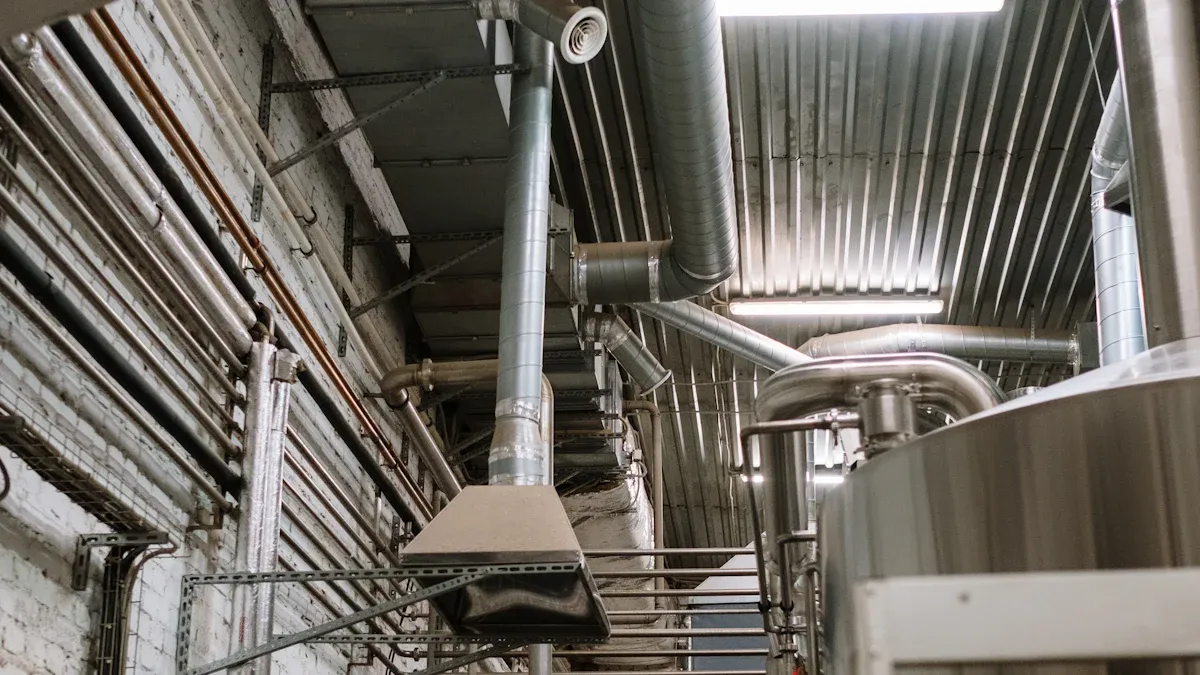
A commercial automated brewing system uses advanced technology to control and streamline every step of beer production. You can find these systems in breweries of all sizes, from small craft operations to large industrial facilities. The main goal is to automate tasks that once required manual labor, making brewing faster and more reliable.
You benefit from precise control over temperature, timing, and ingredient measurements. This reduces human error and helps you produce consistent batches every time.
Here are the most common types of commercial brewing systems you might consider:
You will notice that each type of commercial brewing system offers different levels of automation and capacity, so you can match your choice to your business needs.
| Component | Role and Function |
|---|---|
| Malt Grinder | Grinds malt for efficient mashing. |
| Mash System | Converts starch to sugar with controlled heating. |
| Filter Tank | Separates wort from malt residue. |
| Boiling Pot | Boils wort with hops for flavor and aroma. |
| Rotary Settling Tank | Clarifies wort before fermentation. |
| Cooling System | Rapidly cools wort to fermentation temperature. |
| Fermentation Tank | Maintains ideal conditions for yeast activity. |
| Bright Tank | Improves clarity and taste after fermentation. |
| Control System | Automates brewing parameters for consistency. |
| CIP System | Cleans equipment automatically to maintain hygiene. |
You see commercial automated brewing systems shaping the modern brewing industry. Over the past decade, breweries have moved from manual processes to automation. This shift helps you save time, reduce costs, and scale your production.
Automated brewing systems give you several advantages:
If you upgrade to a commercial automated brewing system, you can expect more consistent quality, higher output, and better resource management. Breweries using these systems often report increased efficiency and improved product consistency, whether you run a small craft operation or a large-scale facility.
You find COFF at the forefront of commercial automated brewing system innovation. COFF designs and manufactures high-quality brewing equipment with a focus on oil-heated brewhouse technology. You benefit from their global reputation for reliability and artistry in every vessel. COFF’s systems help you brew with precision and consistency, whether you run a microbrewery or a large operation. You enjoy excellent customer service and long-term support, making COFF a trusted partner for breweries worldwide.
You recognize Blichmann Engineering for its commitment to quality and user-friendly design. Blichmann offers brewing systems that help you brew efficiently and safely. Their products suit both small craft brewers and larger facilities. You appreciate the intuitive controls and durable construction, which make brewing easier and more reliable.
You choose Brewmation for flexible brewing solutions. Brewmation provides partially automated systems that let you brew small batches and scale up as your business grows. You get control over each step of the brew process, which helps you experiment with recipes and improve your craft. Brewmation’s modular systems fit the needs of small breweries looking for growth.
You select Speidel Braumeister for modular and automated brewing solutions. Speidel’s systems allow you to brew small or large batches without losing quality. You can expand your production easily, making Speidel ideal for breweries planning to grow. Their automation helps you maintain consistency in every brew.
You turn to SmartBrew for advanced brewing technology. SmartBrew integrates automation and data analytics, helping you monitor and control your brew process in real time. You benefit from features like remote access and batch tracking, which make brewing more efficient and transparent.
You rely on Alpha Brewing Operations for large-scale, customizable brewing systems. Alpha specializes in fully automated solutions for high-volume production. You can tailor their systems to fit your brewery’s unique needs. Alpha’s focus on automation and scalability supports breweries aiming for rapid growth and high output.
Tip: Use the table below to compare each brand’s unique selling points and innovations.
| Brand Name | Unique Selling Points / Innovations |
|---|---|
| COFF | Oil-heated brewhouse, global reputation, artistic design, customer-oriented service |
| Blichmann Engineering | User-friendly controls, durable construction, efficient brewing solutions |
| Brewmation | Modular, partially automated systems, flexibility for small-scale brewers |
| Speidel Braumeister | Modular automation, scalable solutions for small and large breweries |
| SmartBrew | Real-time monitoring, data analytics, remote access |
| Alpha Brewing Operations | Highly customizable, large-scale automated systems, tailored for high-volume production |
You want to know what sets each brewing system apart. The table below gives you a clear overview of the main features offered by each brand. This helps you match the right system to your brew goals and production needs.
| Brand Name | Key Features |
|---|---|
| COFF | Oil-heated brewhouse, advanced automation, artistic vessel design, global certifications, excellent customer service |
| Blichmann Engineering | User-friendly controls, robust construction, efficient heating, modular design |
| Brewmation | Modular automation, flexible batch sizes, customizable controls, partial automation |
| Speidel Braumeister | Scalable automation, compact footprint, easy expansion, intuitive interface |
| SmartBrew | Real-time monitoring, data analytics, remote access, batch tracking |
| Alpha Brewing Operations | Fully automated, high-capacity systems, customizable layouts, rapid installation |
You see that each system focuses on different features. COFF stands out with its oil-heated brewhouse and attention to artistic detail. Blichmann Engineering gives you reliable controls and strong build quality. Brewmation lets you scale your brew process as you grow. Speidel Braumeister offers easy expansion for growing breweries. SmartBrew brings you advanced data and remote brew management. Alpha Brewing Operations supports large-scale, high-output brew operations.
Tip: Focus on the features that align with your brew style and production targets.
You need to weigh the strengths and weaknesses of each system before you invest. Here is a quick breakdown to help you decide:
Note: You should always consider your brew size, staff experience, and future growth when reviewing pros and cons.
You want to choose a system that fits your brew operation. Here are the best use cases for each brand:
You see that small breweries benefit from flexible systems like Brewmation and Blichmann Engineering. Medium breweries often choose Speidel Braumeister or SmartBrew for scalability and data features. Large breweries rely on Alpha Brewing Operations for mass production. COFF gives you a versatile solution that adapts to your brew size and growth plans, making it a top choice for many brewery owners.
If you want a system that grows with your brew business and delivers consistent quality, COFF offers unmatched features and support.
You want automation that gives you full control over your brew process. Leading commercial brewing systems deliver advanced automation, including multi-stage mashing, automated grain handling, and precise temperature management. Integrated software lets you program hop additions and regulate fermentation, so you achieve consistent results with every brew. These systems reduce manual labor and allow you to focus on recipe development and quality. COFF stands out by offering oil-heated brewhouse technology and sophisticated control panels, giving you both precision and flexibility. You can monitor every stage, from mashing to packaging, ensuring your brew meets your standards every time.
As your brewery grows, your equipment must keep up. Commercial automated brewing systems offer modular designs, so you can start small and expand as demand increases. You might automate specific steps first, like temperature control or cleaning, and then add more automation as your brew operation grows. Many systems allow you to retrofit existing tanks with sensors and control units, making upgrades cost-effective. COFF provides scalable solutions that adapt to your production needs, whether you run a microbrewery or plan to scale up to larger batches. The table below shows how system types and capacities align with different stages of brewery growth:
| System Type | Capacity Range | Price Range (USD) |
|---|---|---|
| Pilot Systems | 50L – 200L | $5,000 – $15,000 |
| Microbrewery Systems | 200L – 1000L | $20,000 – $40,000 |
| Large Scale Brewing | >5000L | $70,000 and above |
| Specialty Brewing | Varies | $30,000 – $100,000 |
Tip: Choose a system that grows with your brew business, so you never outpace your equipment.
Cleanliness is critical in brewing. Automated Clean-in-Place (CIP) systems help you maintain hygiene and reduce downtime. These systems cycle cleaning solutions through tanks and pipes, ensuring every surface is sanitized. You benefit from automated chemical dosing, real-time monitoring, and precise cleaning cycles. This reduces manual labor and shortens the time between brews. Regular maintenance, such as inspecting valves, calibrating sensors, and replacing gaskets, keeps your system running smoothly. COFF’s equipment includes robust CIP systems and easy-access components, making cleaning and maintenance straightforward. You spend less time on upkeep and more time perfecting your brew.
Modern brewing relies on data. Automated systems track every stage of your brew, from mashing temperatures to fermentation curves. Real-time monitoring helps you spot issues quickly, so you maintain consistent quality. You can export data for analysis, identify trends, and optimize your process. Remote access lets you oversee your brew from anywhere, giving you flexibility and peace of mind. COFF integrates advanced data and analytics tools, supporting batch tracking and quality control. You use these insights to improve efficiency, reduce waste, and ensure every brew meets your standards.
Reliable support keeps your brewery running. Leading manufacturers provide comprehensive after-sales service, including installation, training, and technical support. You receive a warranty that covers equipment defects and ensures prompt repairs. Regular inspections, cleaning schedules, and calibration services help you maintain peak performance. COFF offers global customer service, detailed manuals, and ongoing technical assistance. You get expert help when you need it, so you can focus on brewing great beer.
| Support Type | Description / Frequency |
|---|---|
| Warranty | 1 year comprehensive, covers installation and commissioning |
| Inspections | Weekly equipment checks |
| Cleaning (CIP Cycles) | Daily for hygiene and performance |
| Lubrication | As per guidelines |
| Gasket Replacement | Annually |
| Calibrations | Annually |
| Upgrades | As needed |
You need to balance investment with value. Entry-level commercial brewing systems start around $10,000 and offer basic automation for small batches. Mid-range systems, priced between $30,000 and $70,000, provide semi-automation and higher capacity. Advanced systems, costing $70,000 or more, deliver full automation, large batch sizes, and integrated cleaning and packaging lines. Factors that influence cost include system size, automation level, material quality, and brand reputation. COFF delivers high-quality, customizable solutions at competitive prices, ensuring you get the best value for your investment.
| Setup Level | Estimated Cost Range | Key Features |
|---|---|---|
| Entry-Level | $10,000 – $30,000 | Manual operation, small batch size, basic features |
| Mid-Range | $30,000 – $70,000 | Stainless steel, semi-automation, local distribution |
| Advanced | $70,000 – $100,000+ | Full automation, large batches, advanced cleaning and packaging |
Note: Consider not just the purchase price, but also long-term savings from automation, efficiency, and reduced labor.
You want a brewing system that makes every step simple and clear. Modern commercial automated brewing systems feature user-friendly interfaces that help you manage your brew with confidence. Touch screen control panels let you monitor temperatures, timings, and settings at a glance. You can adjust recipes and track fermentation trends without needing advanced technical skills. Many systems offer mobile device control, so you operate your brew from a smartphone or tablet. This flexibility saves time and keeps your process consistent.
COFF stands out by offering a flexible operating system and artistic vessel design. You get a platform that supports creativity and consistency, whether you brew classic styles or experiment with new recipes.
You need strong training and support to get the most from your brewing equipment. Leading brands provide consultation and design services to help you plan and set up your system. Technical support teams answer your questions and solve problems quickly. Project managers oversee installation and commissioning, so your brew operation starts smoothly.
COFF delivers comprehensive training and support, guiding you through every stage of your brew journey. You gain access to expert advice, detailed manuals, and responsive customer service. This commitment helps you brew with confidence and achieve your production goals.
You gain a powerful advantage when your brewing system connects directly to brewery management software. Modern commercial automated brewing systems, such as those from COFF, use advanced control platforms that combine PLC, DCS, and SCADA technologies. These platforms let you monitor every stage of your brew in real time. You see live data for temperature, pressure, and flow, which helps you make quick adjustments and keep your process consistent.
Many breweries use fermentation sensors like BrewMonitor® to stream data such as dissolved oxygen, gravity, pH, and temperature straight into dashboards like Beer30™. You access these dashboards from any device, even remotely. This integration gives you a single view of your entire operation, so you can track ingredient usage, tank status, and cleaning cycles without manual checks. You improve decision-making and quality control while reducing downtime.
Tip: Real-time monitoring helps you catch problems early and maintain high standards for every brew.
You need reliable batch tracking to ensure traceability and quality assurance. Systems like FOYCOM and Ekos offer cloud-based solutions that track each batch from raw ingredients to finished products. You use lot codes to follow every step, from fermentation to packaging and distribution. This makes it easy to identify and isolate any batch if a problem arises.
Batch tracking supports inventory management by updating stock levels in real time. You avoid stockouts and overstocking, which keeps your workflow smooth. You also benefit from automated order prioritization and dispatch, which speeds up delivery and improves customer satisfaction. IoT sensors and automation help you monitor critical parameters and document every stage of the brew process.
| Batch Tracking Features | Benefits |
|---|---|
| Lot and batch codes | Complete traceability |
| Real-time inventory updates | Accurate stock management |
| Automated order dispatch | Faster delivery |
| Quality control checks | Consistent product standards |
| Cloud-based data sharing | Efficient collaboration |
COFF integrates advanced data and analytics tools, making batch tracking simple and reliable. You maintain compliance with industry standards and quickly resolve any issues, ensuring every brew meets your expectations.
When you choose commercial brewing equipment, you want materials that last and keep your beer safe. Most breweries use stainless steel from the 300-series, especially grades 304 and 316. These grades give you excellent corrosion resistance and weldability, which are essential for brewing. Grade 304 is the most common in kettles, mash tuns, fermenters, and piping. Grade 316 is often used in heat exchangers or breweries near salty or harsh environments because it contains nickel and molybdenum for extra strength.
| Stainless Steel Grade | Common Uses in Brewing Equipment | Key Benefits and Characteristics |
|---|---|---|
| 304 | Kettles, mash tuns, fermenters, bright tanks, piping, valves | Excellent corrosion resistance, durability, easy cleaning, affordable, handles harsh brewing environments |
| 316 | Heat exchangers, steam systems, breweries near ocean/brackish water | Higher corrosion resistance, stronger, ideal for demanding conditions, more expensive |
You see that both grades help preserve beer flavor and make cleaning simple. COFF uses high-quality stainless steel in all key components of commercial brewing equipment, ensuring you get reliable performance and long-lasting value.
You need commercial brewing equipment that stands up to daily use and strict cleaning. Stainless steel 304 gives you solid durability for most brewing needs. It resists mild acids and oxidation, making it a cost-effective choice for standard environments. Stainless steel 316 offers even better protection against acids, chlorides, and strong cleaning agents. This grade lasts longer in tough conditions and supports higher hygiene standards.
| Attribute | 304 Stainless Steel | 316 Stainless Steel |
|---|---|---|
| Corrosion Resistance | Good for standard brewing environments | Superior for harsh chemicals and saltwater |
| Durability | Durable and affordable | More durable, extends equipment lifespan |
| Hygiene Support | Easy to clean, supports sanitary processing | Enhanced hygiene, reduces microbial contamination risk |
| Cost | Lower, best for moderate conditions | Higher, but saves money over time in tough environments |
You want surfaces that clean easily and do not react with your beer. Both grades support hygienic brewing, but 316 gives you extra peace of mind if you use strong cleaners or brew in challenging locations. COFF’s commitment to premium materials means your commercial brewing equipment stays safe, clean, and efficient for years.
You need to match your commercial brewing equipment to your brewery’s size and production goals. Start by measuring your available space. Make sure your equipment fits without blocking walkways or creating safety risks. Think about your target production capacity. If you plan to brew small batches, choose compact systems. For larger output, select scalable equipment that grows with your business. Look for features like energy efficiency and automation to save time and lower costs. Always check the reputation and support of the manufacturer. COFF offers flexible solutions that fit both small and large breweries, helping you reach your goals with reliable performance.
Tip: Scalable equipment lets you increase production without replacing your entire setup.
Your budget shapes every decision when selecting commercial brewing equipment. Set a realistic budget that covers not just the initial purchase but also installation, utilities, and future maintenance. Entry-level systems cost less but may require more manual work. Fully automated systems cost more upfront but save on labor and improve consistency. Decide if you want new or used equipment. New systems offer warranties and better support, while used ones can lower your initial costs. COFF provides a range of options to fit different budgets, ensuring you get value and quality.
| Cost Factor | What to Consider |
|---|---|
| Equipment Size | Larger systems cost more but support higher production. |
| Automation Level | Manual is cheaper; automation increases cost but saves labor. |
| New vs. Used | Used lowers cost but may lack support; new offers reliability and scalability. |
| Customization | Custom features add cost but may be necessary for your space or process. |
| Country of Origin | Domestic equipment often costs more but provides better support. |
Note: Plan for future upgrades to avoid repeated large expenses.
You must prepare your facility for the technical needs of commercial brewing equipment. Check your electrical system for the right voltage and amperage. Install proper wiring and grounding to prevent hazards. Use corrosion-resistant plumbing, such as stainless steel, for water and cleaning systems. Make sure your drainage handles chemicals and slopes toward floor drains. Install ventilation to remove steam and odors. Choose gas connections that match your fuel type and meet safety codes. Plan your layout for easy access and maintenance. COFF’s team helps you meet these requirements, ensuring smooth installation and operation.
Proper planning ensures your equipment runs safely and efficiently from day one.
You want brewing equipment that sets your business apart. COFF delivers advanced technology and thoughtful design, giving you a clear edge in the market.
COFF’s commitment to innovation and quality ensures your brewery operates at peak performance. You benefit from durable materials, global certifications, and a reputation for excellence.
| Feature | Benefit |
|---|---|
| Oil-heated brewhouse | Precise, consistent brewing |
| Artistic vessel design | Enhances brand image |
| Global certifications | Ensures safety and reliability |
| Customer-oriented R&D | Solutions tailored to your needs |
You have many strong options for automated brewing systems. COFF stands out for innovation, artistry, and global support. Blichmann Engineering and Brewmation work well for small breweries. Speidel Braumeister and SmartBrew help you scale and track data. Alpha Brewing Operations fits large-scale needs.
Choose COFF if you want reliable service and advanced features.
Assess your goals, compare features, and reach out for expert advice before you invest.
You get precise temperature control and faster heating. COFF’s oil-heated brewhouse helps you brew consistent batches and save energy. This technology supports a wide range of recipes and improves your production efficiency.
Tip: Oil heating reduces the risk of scorching your wort.
You should measure your available space and estimate your target batch volume. COFF offers scalable solutions for microbreweries and large operations. Start with a system that matches your current needs and allows easy expansion.
| Brewery Type | Recommended System Size |
|---|---|
| Microbrewery | 200L – 1000L |
| Large Brewery | 1000L+ |
You benefit from integrated data and analytics tools. COFF systems support real-time monitoring and batch tracking. You can manage inventory, improve traceability, and maintain quality standards with ease.
You receive global customer service, detailed manuals, and ongoing technical assistance. COFF’s team helps you with training, troubleshooting, and regular maintenance. You stay focused on brewing while COFF handles your equipment needs.
You get durability and easy cleaning with both grades. Stainless steel 304 suits most breweries. Choose 316 if you need extra corrosion resistance or brew in harsh environments. COFF uses premium stainless steel for long-lasting performance.