


COPYRIGHT © 2022 COFF International Co., ltd. ALL RIGHTS RESERVED

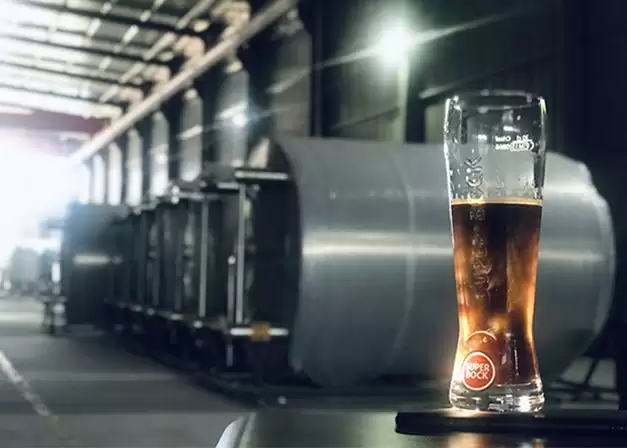
Most beers are stored in Brite tanks for 1 to 5 days. Large breweries typically store beer in Brite tanks for 1 to 2 days. Factors such as the type of beer, clarity, and carbonation level all influence the optimal storage time. Brewers who master the correct storage time can produce better beer and operate more efficiently. Sake jar help them control these factors, resulting in clearer beer and improved taste.
| Benefit | Impact |
|---|---|
| Clarity Adjustment | Makes the beer look shiny and clean |
| Carbonation Control | Gives the beer the right amount of bubbles |
| Flavor Balance | Makes the taste just right |
Every brewery should consider its own goals before deciding how long to store beer in a brite tank.
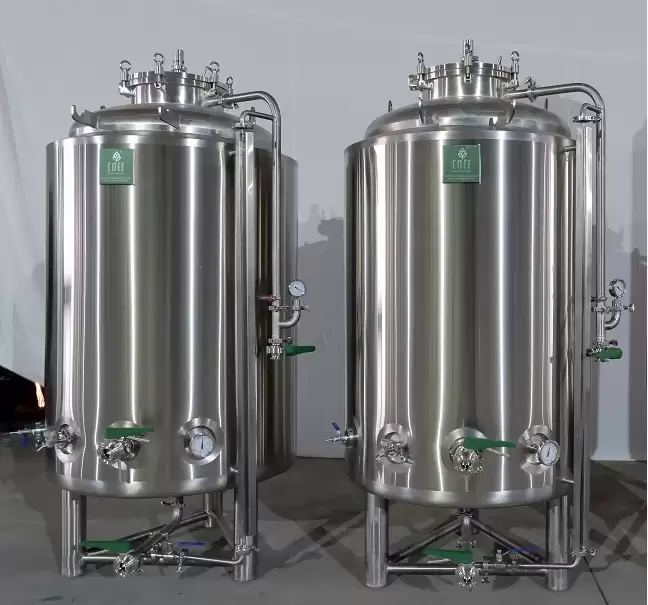
Brewers often ask how long beer should be stored in a bright tank before packaging. Most breweries choose a time range of 1 to 5 days. This timeframe allows the beer to reach the appropriate clarity and carbonation level. Lighter beers are typically stored in Brite tanks for 2 to 5 days. These beers require more time to clarify and develop a crisp taste. Heavier beers like Stout or Porter usually require less time because they don’t need the same level of clarity.
Hazy beers are stored for shorter periods in Brite tanks. These beers are intentionally kept hazy, so brewers don’t wait for them to clarify. Clear beers, on the other hand, require more time for particles to settle. This time allows the beer to appear bright and appealing.
Tip: Brewers can check the clarity of the beer daily. When the beer appears clear and tastes smooth, it’s ready for packaging.
Here’s a comparison of different types of beer:
| Factor | Duration (Days) |
|---|---|
| Lighter Beers | 2–5 |
| Heavier Beers | Less than lighter beers |
| Hazy Beers | Less time than clear beers |
| Clear Beers | More time for clarity |
Large breweries prioritize speed and efficiency. They typically only store beer in Brite tanks for 24 to 48 hours. This shorter time allows them to quickly turn over beer to meet market demand. These breweries use advanced equipment to quickly filter and carbonate the beer. They closely monitor each batch to ensure the beer meets their high standards.
Small breweries may leave beer in Brite tanks for longer periods. They want to give each batch more time to develop flavor and clarity. This method is ideal for brewing unique or craft-style beers. Small breweries can adjust the time beer spends in Brite tanks based on their goals for taste and appearance.
Note: Each brewery should develop its own process. They should closely monitor the beer and make adjustments as needed.
The optimal time for beer in a bright tank depends on the beer type, the size of the brewery, and the desired outcome. Brewers who pay attention to these details can produce beer with excellent quality and appearance.
The style of beer influences its residence time in the bright tank. Each beer style requires a unique taste, appearance, and carbonation level. Yeast is crucial in this process.
Brewers who understand these factors can determine the appropriate processing time for each batch of beer. This helps them achieve optimal taste and appearance.
The clarity of beer is important for many types of beer. Bright tanks help to make beer clear and stable. Filtration can speed up this process.
Brewers using these tools can clarify beer in less time and ensure a better final appearance.
Different carbonation methods in open tanks affect the beer’s dwell time. Brewers choose the appropriate amount of carbonation for each beer style.
Brewers who control the carbonation process can remove beer from the tank more quickly. They can also ensure that each batch of beer has the right amount of effervescence and flavor.
Tip: Focusing on beer style, clarity, and effervescence allows for better utilization of open tanks, thereby improving beer quality and production efficiency.
Some brewers store their beer in bright tanks for extended periods. They aim for a smoother taste and a better finish. This longer storage time in bright tanks allows the various flavors to fully meld and also allows unwanted sediment to settle. This step is particularly important for lagers and some specialty ales. Brewers closely monitor the beer’s clarity and carbonation, checking it daily to ensure it meets quality standards. This extended maturation process can last for several days or even a week. The extra maturation time results in a clear beer with a balanced taste. Brewers who use this method typically produce beers with a long-lasting finish. They believe that waiting this extra time in the bright tank enhances the quality of the beer.
Brewers who prioritize quality over speed often use extended maturation times. They have found that this improves the beer’s clarity, flavor, and stability.
Large breweries encounter unique challenges when using large-capacity open tanks. They must produce beer rapidly to meet market demand. Several factors can slow down the production process and cause delays. These breweries need meticulous planning and to utilize smart tools to improve efficiency.
| Bottleneck Factor | Description |
|---|---|
| Planning Constraints | Planning needs to be flexible for exceptions like ‘Top-Ups.’ |
| Tank Capabilities | Tanks have different features, so they must match the product. |
| Flow Constraints | Pipes can slow down how fast beer moves between tanks. |
| Filling Line Connectivity | Bright tanks usually connect to one or two filling lines. |
| AI Optimization Models | AI helps manage tank space and plan for many situations. |
Breweries use artificial intelligence to find optimal tank space and time utilization. They explore various methods to avoid delays and increase production speed. Good planning helps them keep production processes smooth. Large breweries typically minimize the time beer spends in bright tanks. They utilize technology and rigorous quality control to maintain high quality and accelerate production.
Smart planning and technology help large breweries produce beer quickly. They balance quality and speed by improving every step of the process.
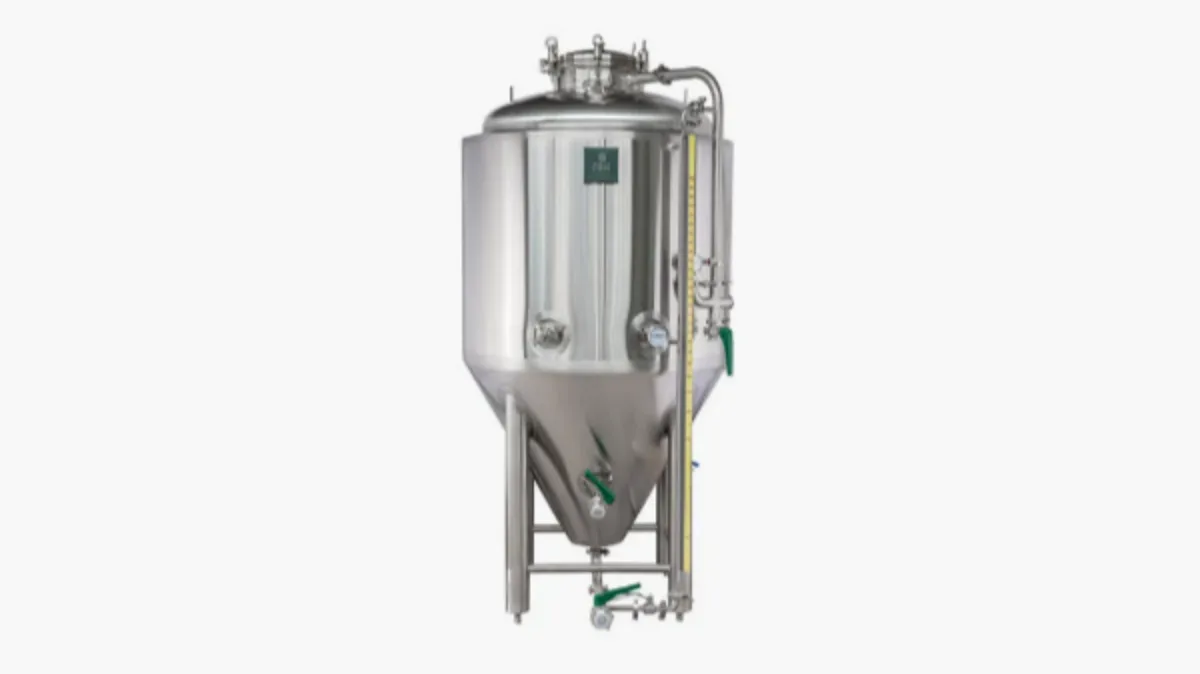
To improve the efficiency of Brite tanks, brewers need to closely monitor carbonation and clarity. They use precise pressure gauges to maintain the appropriate pressure, thereby controlling the time required for carbonation. Brewers regularly check the beer to ensure it has sufficient effervescence and remains fresh. Clarity is also crucial. Brewers allow solids to settle to the bottom of the tank, making the beer appear clear and bright. They check these indicators daily to quickly identify changes.
| Key Consideration | Description |
|---|---|
| Maintaining Pressure | Makes sure the beer gets the right bubbles and does not get ruined by air, which keeps the beer tasting good. |
| Clarity Control | Lets solids settle so the beer looks clear, which is needed for some beer types. |
| Regular Monitoring | Means using good pressure gauges to keep the right pressure for the right amount of bubbles. |
Some large breweries use sensors to continuously monitor oxygen levels. They use small, battery-powered oxygen sensors and LED lights to assist with venting. These tools help brewers speed up venting while maintaining beer quality.
Brewers who want to quickly remove beer from the Brite tanks must also ensure beer quality. They use centrifuges to quickly separate impurities, thus obtaining more beer. Nitrogen venting reduces oxygen levels, keeping the beer fresh and shortening its residence time in the tank. Automation saves energy and makes venting more convenient.
Brewers remain primarily concerned with quality. During fermentation, they check specific gravity and pH levels to ensure yeast health. They also check oxygen levels, liquid levels, and packaging before shipping. Artificial intelligence can help plan brewing times, detect machine malfunctions, and avoid delays. Smart tanks can collect data and adjust settings instantly. This maintains stable fermentation and ensures consistent beer flavor.
Brewers who apply these principles can shorten the time beer spends in the sake tank without compromising quality. They observe the results and adjust the process for each batch. This allows them to brew higher-quality beer faster.
Tip: Brewers can better utilize Brite tanks and brew superior beer by using new tools and checking daily.
Most breweries leave their beer in Brite tanks for one to five days. Brewers adjust the steeping time based on the beer’s style, clarity, and effervescence to achieve a better beer. Sake tanks help clarify the beer and produce the appropriate effervescence for different beer styles. Brewers can improve the beer’s taste and speed up the brewing process by:
| Benefit | Mechanism of Operation |
|---|---|
| Clarity Enhancement | Takes out yeast to make beer look clean |
| Carbonation Precision | Follows style rules and makes beer better |
| Flexible Conditioning | Works for many beer types and helps results |
Brewers who enjoy trying new things and frequently check their beer are best able to utilize Brite tanks.
Brite tanks allow brewers better control over the clarity and carbonation of beer. This step contributes to a clearer appearance and crisper taste. Brewers using Brite tanks can offer customers a higher quality product.
Yes, homebrewers can use a brite tank. They can help them achieve professional-grade brewing results. They can make the beer clearer and more easily control the degree of carbonation.
Beer may lose its freshness if it stays in the Brite tank for too long. Brewers should check the beer daily. Doing so helps maintain its bright and appealing flavor.
Breakers can speed up the processing by using filters and controlling temperature and pressure. These steps help get the beer to packaging faster without compromising quality.
No, each beer requires a different processing time. Lighter-bodied beers generally need a longer time to clarify. Hazy beers require a shorter fermentation time because haziness is part of their style.