

COPYRIGHT © 2022 COFF International Co., ltd. ALL RIGHTS RESERVED


Beer, one of the oldest and most widely consumed alcoholic drinks in the world, boasts an astonishing array of
styles, flavors, and aromas. From crisp, light lagers to rich, dark stouts and complex sour ales, the diversity of
beer is truly immense. For enthusiasts and professional brewers alike, understanding the different types of beer is
not just about appreciating a drink; it’s about delving into a rich history, diverse cultures, and intricate brewing
science. So, what is the different types of beer, and how many different types of beer are there? The answer is
complex, constantly evolving, and wonderfully expansive.
This comprehensive guide will take you on a journey through the primary classifications of beer, exploring the
characteristics that define each style, their historical origins, and the brewing techniques that bring them to
life. Whether you’re a seasoned connoisseur, a curious beginner, or a professional looking to expand your brewery’s
offerings, this article will provide invaluable insights into the fascinating world of beer.
Before diving into specific beer types, it’s essential to grasp the fundamental components and processes that define
all beers. At its core, beer is made from four primary ingredients: water, malted barley (or other grains), hops,
and yeast. The interplay of these ingredients, combined with specific brewing techniques, dictates the final beer
style.
The brewing process typically involves malting, milling, mashing, lautering, boiling (with hops), fermenting,
conditioning, and packaging. Variations in each step, from mash temperature to fermentation duration and yeast
choice, lead to the incredible variety we see today.

Ales represent one of the two main families of beer, distinguished by their use of top-fermenting yeast strains that
prefer warmer temperatures (typically 60-70°F or 15-24°C). This warmer fermentation often results in beers with more
pronounced fruity, spicy, or earthy notes due to the yeast’s production of esters and phenols. Ales generally have a
more robust and complex flavor profile compared to lagers.

IPAs are perhaps the most popular craft beer style globally, known for their prominent hop character. Originally
brewed to survive long sea voyages from England to India, they were heavily hopped for preservation. Modern IPAs
showcase a vast spectrum of hop flavors and aromas, from citrusy and piney to tropical and dank.

These dark, rich ales are brewed with roasted malts, giving them flavors of coffee, chocolate, caramel, and sometimes
a smoky or burnt character. Porters originated in 18th-century London, popular among “porters” (manual laborers).
Stouts evolved from porters, initially as “stout porters,” implying a stronger version.

Brewed with a significant proportion of wheat in addition to barley, these beers are typically light in color, often
hazy, and refreshing. The wheat contributes to a lighter body and a distinct character.

A broad category of ales that are typically lighter in color than stouts or porters, ranging from golden to amber.
They are balanced beers, showcasing both malt and hop characteristics.

Originating from the farmhouses of Wallonia, Belgium, saisons were traditionally brewed in winter for consumption by
farm workers in summer. They are often highly carbonated, fruity, spicy, and sometimes tart, with a dry finish.
Yeast character is paramount, often contributing peppery or earthy notes.

A strong, high-alcohol ale (often 8-12% ABV or higher), barleywines are rich, complex, and often aged. They can have
flavors of dried fruit, toffee, bread, and sometimes a sherry-like oxidation. English barleywines are typically more
malt-forward, while American versions tend to be hoppier.

Lagers constitute the other major family of beer, characterized by their use of bottom-fermenting yeast strains that
prefer colder temperatures (typically 45-55°F or 7-13°C). This cooler fermentation, combined with a longer
phenols. Lagers are often more subtle and refreshing than ales.

The most iconic lager style, originating in Pilsen, Bohemia (now Czech Republic) in 1842. Pilsners are known for
their golden color, crisp bitterness, and floral, spicy hop aroma (often from noble hops like Saaz). They are highly
carbonated and incredibly refreshing.

Not all lagers are pale. Dark lagers offer rich malt flavors without the heavy roastiness of many dark ales.

A strong German lager, traditionally associated with spring. Bocks are typically malty, with flavors of caramel,
toast, and dark fruit, and a clean lager finish.

A traditional amber lager brewed in March (Märzen) and aged through the summer for consumption at Oktoberfest. It’s
characterized by a rich, toasty malt character, medium body, and a clean finish.
Beyond the strict ale and lager categories, many beers defy simple classification, either by combining
characteristics of both or by incorporating unique ingredients and processes. These “hybrid” or “specialty” beers
showcase the boundless creativity of brewers.

These beers are intentionally fermented with wild yeasts (like Brettanomyces) and/or bacteria (like Lactobacillus and
Pediococcus) to produce tart, acidic, and often funky flavors. They can range from mildly tart to intensely sour.

Beers brewed with the addition of fruits or vegetables during fermentation or conditioning, adding unique flavors and
aromas. Examples include cherry lambics, pumpkin ales, raspberry sours, or even chili beers.
Beers made with malt that has been smoked over an open flame, imparting distinct smoky flavors. The most famous
example is the German Rauchbier from Bamberg, which can range from subtly smoky to intensely bacon-like.
A German ale from Düsseldorf, “Alt” meaning “old,” referring to the older, ale-like brewing method. It’s a clean,
crisp, copper-colored ale with a balanced bitterness and a smooth, lager-like finish, often cold-conditioned.
A clear, bright, top-fermented ale from Cologne, Germany, that is cold-conditioned like a lager. It’s known for its
delicate fruitiness, crispness, and refreshing character, making it a perfect summer beer.
An American ale that aims to mimic the smoothness and drinkability of a lager. It often uses corn or rice as adjuncts
and is fermented with ale yeast at cooler temperatures, sometimes even cold-conditioned.
The vast spectrum of beer styles underscores the critical importance of high-quality brewing equipment. From the
precise temperature control needed for lagers to the specialized vessels for sour ales, the right equipment is
fundamental to achieving consistent quality and exploring new styles. For any brewery, whether a startup or an
established operation, investing in reliable and efficient machinery is paramount.
At COFF, we understand that the heart of any great beer lies in the quality of its production. As leading craft brewing equipment
manufacturers, we specialize in providing state-of-the-art solutions that empower brewers to craft any style
imaginable. Our expertise extends to a wide range of equipment, including our innovative Oil Heated Brewhouse, which offers superior
energy efficiency and precise temperature control compared to traditional steam heating systems. This precision is
vital for maintaining the delicate balance required for nuanced beer styles.
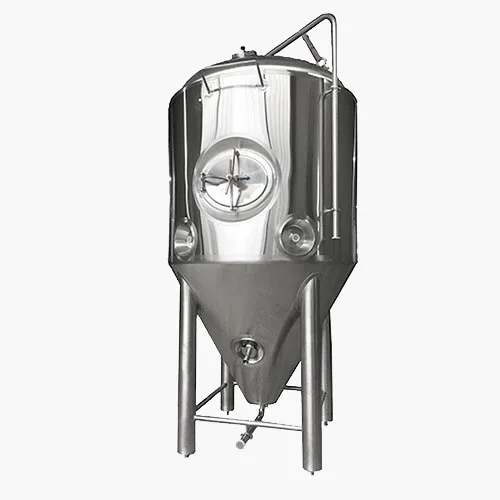
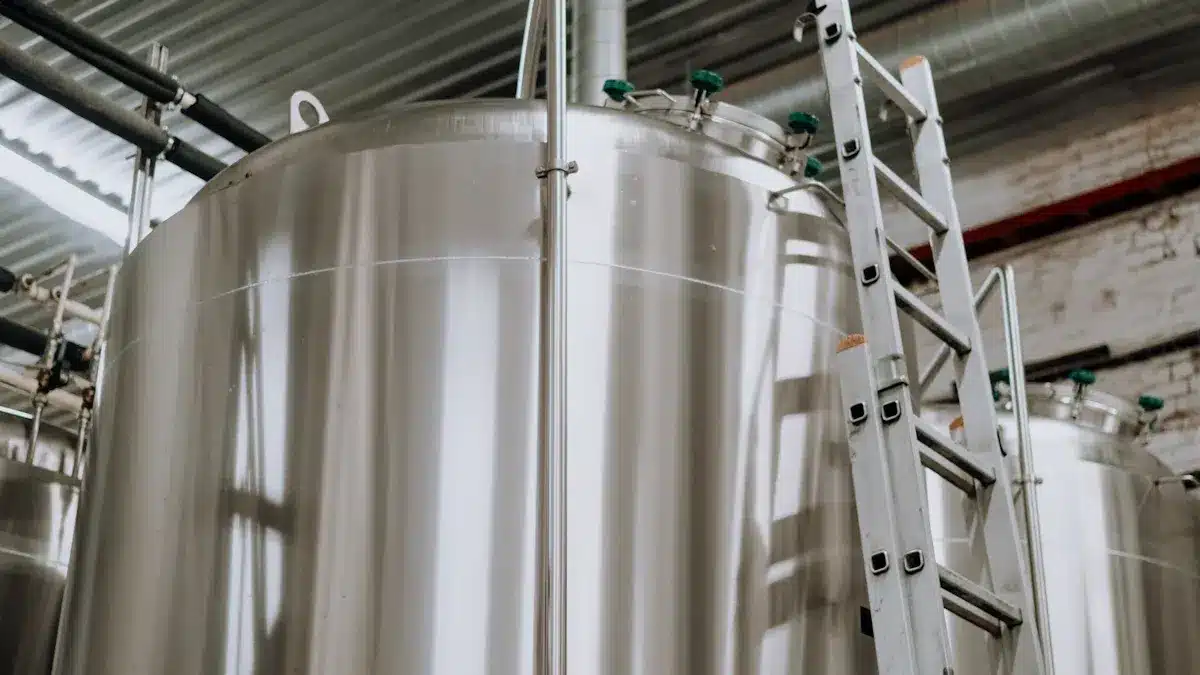
Our product range encompasses everything a modern brewery needs: from robust Fermenter Tanks and Bright Beer Tanks to complete Brewhouse Systems, including Direct Fire,
Electric, and Steam Heated options. We also provide specialized Distillery Equipment for those looking to explore spirits, and Cold Water Extraction Systems,
catering to a broad spectrum of beverage production needs.
Selecting the appropriate brewing equipment is a critical decision that impacts efficiency, consistency, and the
ability to produce diverse beer styles. When considering your setup, whether for a commercial brewery or an advanced
homebrewery, several factors come into play.
For those looking to establish or upgrade their operations, understanding How to Choose the Right Equipment
for Making Beer is essential. This involves assessing your production volume, desired level of automation,
and specific style requirements. For instance, brewing lagers effectively requires precise temperature control
during fermentation and extended cold conditioning, necessitating reliable chilling systems and well-insulated
tanks. Ales, while more forgiving with temperature, still benefit immensely from consistent conditions to ensure
optimal yeast performance and flavor development.
Furthermore, a Comprehensive Guide to Stainless Steel Beer Making Equipment highlights why this material is
the industry standard. Its durability, ease of cleaning, and inertness make it ideal for maintaining hygiene and
preventing off-flavors, crucial for producing clean, high-quality beers across all styles.

For commercial ventures, the scale and complexity of equipment increase significantly. Breweries need robust systems
that can handle large volumes, maintain strict quality control, and operate efficiently. Our Beer Brewery Equipment That
Delivers Quality Brews is designed with these demands in mind, ensuring that every batch meets the highest
standards.
If you’re planning to launch a commercial brewery, understanding Commercial Beer Brewing
Equipment Costs is vital for budgeting and financial planning. While initial investment can be substantial,
quality equipment pays dividends through consistent production, reduced downtime, and the ability to innovate with
new beer types. Moreover, knowing the Top 10 Commercial Beer Equipment Suppliers for 2024 can help you make an informed decision
on your supplier.
Beyond the equipment itself, the operational aspects of a brewery are key. Learning the Steps to Successfully
Operate a Commercial Beer Brewing Business involves not just brewing expertise but also logistics, quality
assurance, and market understanding. For larger operations, a Complete Guide to Industrial
Beer Making Equipment for Breweries becomes an indispensable resource, detailing the comprehensive systems
required for high-volume production.
The world of home brewing offers an accessible entry point into understanding and creating diverse beer styles. Many
professional brewers started their journey in a garage or basement, experimenting with different ingredients and
techniques. For aspiring homebrewers, exploring Top Beer Making Machines for Home Brewing Enthusiasts or the Top 5 Beer Making Systems
for Home Enthusiasts can be a great starting point. These systems often provide an all-in-one solution that
simplifies the brewing process.
For those interested in compact and efficient setups, Exploring the Best
All-in-One Beer Brewing Machines can reveal options that streamline the brewing process, making it easier to
experiment with various ale and lager styles without extensive space requirements.
The beer industry is constantly evolving, driven by consumer demand for novelty and sustainability. Brewers are
experimenting with new ingredients, hybrid styles, and innovative techniques. This includes a growing interest in
non-alcoholic beers, gluten-free options, and beers brewed with unique local ingredients. Sustainability in brewing
is also a major focus, with efforts to reduce water usage, energy consumption, and waste.
At COFF, we are committed to supporting this evolution. Our Oil Heated Brewhouse is a testament to our dedication to energy efficiency, offering a more
sustainable heating solution for modern breweries. We believe that by providing cutting-edge, environmentally
conscious equipment, we can help shape a more innovative and sustainable future for the global beer industry.
The question of “how many different types of beer are there” remains wonderfully open-ended. With countless
traditional styles, regional variations, and continuous innovation, the world of beer is an ever-expanding universe
of flavors, aromas, and experiences. From the crisp simplicity of a Pilsner to the intricate complexity of a sour
ale, each beer style tells a story of its origins, the ingredients that shaped it, and the hands that crafted it.
Whether you’re exploring new tastes as a consumer or perfecting your craft as a brewer, the journey through beer’s
diverse landscape is endlessly rewarding. Embrace the variety, experiment with new styles, and savor the rich
tapestry that beer has to offer.
At Ningbo COFF Machinery Co., Ltd, we are passionate about brewing and dedicated to providing the highest quality
equipment to support your brewing endeavors. As the founder of the oil-heated brewhouse technology, we bring
innovation, expertise, and reliability to every project.
Ready to elevate your brewing operation or start your journey into commercial beer production? Contact us today to discuss your specific needs. Our
team of experienced engineers and designers is ready to provide tailor-made solutions, from complete brewhouse
systems to individual tanks and control systems. Let COFF be your trusted partner in crafting exceptional beers.
ADDRESS INFO: No. 12, Meilin Road, Yuyao, Ningbo City, Zhejiang Province.
CUSTOMER CARE: +86 13819801855
OUR EMAIL: sxn@nbcoff.com
