


COPYRIGHT © 2022 COFF International Co., ltd. ALL RIGHTS RESERVED

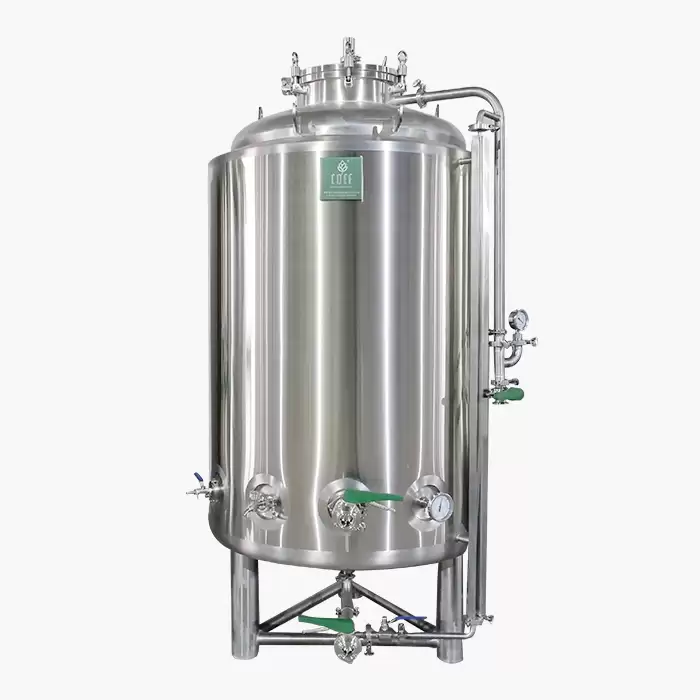
When you choose your first brite tank, start with your brewing goals and batch size. Think about how much beer you plan to make and how quickly you want to grow. Most beginners look for a bright tank that matches their production needs, fits their space, and makes cleaning easy. COFF helps you every step of the way, offering expert advice and custom options for your setup.
As one of the leading craft brewing equipment manufacturers, Coff can provide nano brewery with high-quality ice water extraction machine 、 oil heated brewhouse and solutions.
When you start brewing, you need to match your batch size to the right tank. Microbrewery tanks come in many sizes, so you can pick one that fits your needs. If you brew small batches at home, you might want a compact tank. This helps you save space and money. Many homebrewers use microbrewery tanks to get professional results, even with small amounts of beer. You get better clarity and carbonation, which makes your beer taste great.
Here’s a quick look at typical batch sizes for microbrewery tanks:
| Brewery Scale | Typical Brite Tank Batch Size (BBL) | Approximate Volume (Liters) |
|---|---|---|
| Nano Brewery | 2 – 10 BBL | ~234 – 1170 L |
| Microbrewery | 10 – 40 BBL | ~1170 – 4680 L |
Microbrewery tanks let you experiment with different recipes. You can try new flavors without making too much beer at once.
Your production volume decides how many microbrewery tanks you need. If you plan to grow your brewery, you should think about future needs. Microbrewery tanks help you keep up with demand. When you use the right tank, you free up your fermentation tanks faster. This means you can start new batches sooner.
As your brewery grows, you may need more advanced microbrewery tanks. These tanks come with features like pressure ratings and cooling jackets. They help you keep your beer fresh and consistent. Microbrewery tanks also make it easier to carbonate, clarify, and store your beer.
Tip: Always choose microbrewery tanks that match your current and future production goals. This saves you time and money as you grow.
Space matters when you pick microbrewery tanks. Vertical tanks save floor space, while horizontal tanks need more room. Make sure your floor is level and strong enough for your tanks. You also need space for cleaning and connecting utilities.
Microbrewery tanks come in many shapes and sizes. You can find one that fits your space, even if your brewery is small. COFF offers microbrewery tanks designed for easy installation and maintenance. You get quality tanks that fit your space and help you brew better beer.

You use a brite tank as the last stop before your beer goes into bottles, cans, or kegs. After beer leaves the fermentation tanks, it enters the brite tank for finishing touches. Here, you let yeast and tiny particles settle, so your beer looks clear and bright. You can also control the fizz by adding CO2 under pressure. This step gives your beer the perfect bubbles and keeps the flavor fresh. The brite tank holds your beer at the right temperature and pressure, so it stays tasty and ready for packaging. Many brewers call these bright beer tanks or brite beer storage tanks. They help you get beer that looks great and tastes even better.
Tip: If you want clear, crisp beer with just the right amount of carbonation, a brite tank is your best friend.
You might wonder about the difference between a bright tank and a unitank. Both play big roles in brewing, but they work in different ways. A unitank does many jobs in one vessel. You can ferment, condition, and carbonate your beer all in the same tank. The conical bottom lets yeast settle, so you do not need to move beer between tanks. This setup saves space and lowers the risk of contamination. It works well for small breweries or brewpubs with limited room.
A bright tank, or bright beer tank, focuses on the final steps. It has a simple flat bottom and costs less than a unitank. You use it to clarify, carbonate, and store beer before packaging. This frees up your fermentation tanks for new batches, which helps you make more beer. Bright beer tanks shine in larger breweries where you want to keep things moving fast.
Here’s a quick look at how they compare:
| Aspect | Bright Tank (Brite Tank) | Unitank |
|---|---|---|
| Design | Flat bottom, simple | Conical bottom, multi-stage |
| Main Use | Clarifying, carbonating, storing, packaging | Fermenting, conditioning, carbonating |
| Cost | Lower | Higher |
| Best For | Large breweries, high production | Small breweries, space-saving |
| Risk of Contamination | Higher (beer moves between tanks) | Lower (beer stays in one tank) |
If you want to know when to select a unitank, think about your space and how many steps you want in one tank. If you wonder when to pick a brite beer container, choose it when you want clear, carbonated beer ready for packaging and need to boost your brewing speed. Many breweries use both unitank and brite tank setups to get the best results. COFF offers both bright beer tanks and unitank options, so you can find what fits your brewing style.
When you pick a bright tank, you want to make sure it fits your brewing style and goals. Here are the key factors to consider before you buy:
Capacity
Match the tank size to your batch size, packaging speed, and how long you plan to store your beer. If you brew bigger batches or want to package quickly, you need a larger tank. If you store beer for longer, make sure the tank can hold enough.
Material
Most brewers choose stainless steel. It lasts a long time and is easy to clean. Some tanks use glass-lined steel, but these can break more easily.
Pressure Rating
Check the pressure rating. Different beer styles need different carbonation levels. Make sure your tank can handle the pressure you want for your beer.
Design Features
Look for tanks with conical bottoms if you want easy sediment removal. Jacketed tanks help you control the temperature. Manways and access ports make cleaning and maintenance simple.
Instrumentation and Controls
Good tanks have temperature sensors, pressure gauges, and level indicators. These tools help you keep your beer just right.
Note: Bright beer tanks help you get clear, fresh beer with the right bubbles. They also keep out oxygen, so your beer stays tasty.
Choosing the right tank shape and size for your beer type matters. If you brew simple, clear beers, a horizontal tank works well. If you want to add fruit or dry hop, a vertical tank gives you more options. You can also add features like insulation or carbonation stones to match your brewing needs.
Packaging line speed changes how you use your bright tank. If you package beer quickly, you need a tank that can keep up. A fast packaging line means you move beer out of the tank faster, so you can start a new batch sooner. If your packaging line is slower, you might need more than one tank to avoid delays.
Storage time also matters. If you store beer for a long time before packaging, you need a tank that keeps your beer fresh. Some beer styles, like lagers, need longer storage. Others, like IPAs, move quickly from tank to can or keg.
| Beer Type | Best Tank Shape | Why It Works Best |
|---|---|---|
| Lager | Horizontal | Great for clarity and long storage |
| IPA | Vertical | Good for dry hopping and fast turnover |
| Fruited Beer | Vertical | Easy to add fruit and mix evenly |
| Simple Ale | Horizontal | Quick chilling and easy cleaning |
Tip: Think about your beer style and how fast you want to package. This helps you pick the best bright tank for your brewery.
COFF offers bright beer tanks in many shapes and sizes. You can find the perfect fit for your beer and your packaging line. With COFF, you get tanks that help you brew better and grow your business.

Choosing the right tank size and capacity for your brewery starts with your batch size and how much beer you want to make each year. You want your microbrewery tanks to fit your brewing style and your production goals. If you brew small batches, you need smaller tanks. If you plan to grow, you should look at bigger tanks or more tanks.
Let’s break down how you can match your microbrewery tanks to your needs:
| Brewery Size | Typical Brite Tank Size (BBL) | Number of Brite Tanks | Production Capacity / Notes |
|---|---|---|---|
| Small Craft Breweries | 1 BBL | 1 | Great for startups; small footprint; low startup cost |
| Medium-sized Breweries | 10 BBL | 3 to 6 | Supports steady supply and more beer styles |
| Large Industrial | >60 BBL | Multiple | Annual output >10,000 tons; high capacity |
You can use a simple formula to figure out the right size for your microbrewery tanks:
Here’s a quick example:
You also need to think about cooling. The size of your microbrewery tanks affects how much cooling power you need. Here’s a simple way to check:
Tip: If you want to see how different tank sizes affect your setup, check out this chart:

COFF offers microbrewery tanks in all sizes, so you can find the perfect fit for your batch size and production plans.
When you plan for the future, you want your microbrewery tanks to keep up as your business grows. Many breweries pick tanks that are twice the size of their brewhouse. This gives you flexibility. You can fill tanks halfway when you start, then fill them all the way as you grow. This strategy costs a little more at first, but it saves you money later because you don’t need to buy new tanks right away.
Here are some smart ways to plan for future growth:
Note: Planning for growth with the right microbrewery tanks helps you avoid running out of space or slowing down your brewing.
COFF helps you plan for the future. Our team can guide you on the best tank size and capacity for your goals. With COFF, you get microbrewery tanks that grow with your business and keep your beer flowing.
When you pick a brite tank, stainless steel stands out as the best choice. You want a tank that lasts for years and keeps your beer safe. Stainless steel tanks are non-porous and easy to clean. This means bacteria and mold cannot hide or grow inside. You get a tank that resists rust, dents, and scratches. Your beer stays fresh, and you spend less time worrying about cleaning or repairs. Stainless steel does not leach chemicals, so your beer always tastes the way you want. COFF uses high-grade stainless steel for every tank, making sure you get top quality and safety.
| Feature | Stainless Steel Tanks |
|---|---|
| Durability | Highly durable; resists dents, scratches, rust, and corrosion |
| Hygiene | Smooth, non-porous surface; easy to clean and sanitize, reducing bacterial contamination |
You need to check the pressure rating before you buy a brite tank. Most commercial brite tanks work at 15 psi. This level lets you carbonate your beer safely and keeps it fresh until packaging. Tanks come with pressure relief valves set close to the working pressure. This protects you and your beer from accidents. COFF tests every tank to make sure it meets or beats industry standards. You can trust your tank to handle the pressure you need for any beer style. Always look for tanks with ASME or AS1210 certifications. These show your tank meets strict safety and quality rules.
Tip: Never skip checking the pressure rating. It keeps your beer safe and your brewery running smoothly.
Jacketed tanks help you control temperature with ease. You get a layer around the tank filled with cooling fluid, like glycol. This setup keeps your beer cold and saves energy. The insulation between the layers stops heat from getting in or out. You use less power and keep your beer at the perfect temperature. COFF’s jacketed tanks use advanced insulation and smart controls. You get steady cooling, lower costs, and better beer every time.
Note: When you choose COFF, you get tanks built with the best material and construction, plus certifications that prove their quality.
You want your beer to taste great every time. That means you need good temperature control in your brite tank. Small breweries have a few cooling options to choose from:
Most brewers pick glycol jacketed tanks for the best temperature control. These tanks keep your beer cold and steady, which helps with clarity and flavor. You also save time on cleaning because there are no coils inside. COFF’s brite tanks use advanced jacketed cooling systems. You get reliable temperature control and easy maintenance, so you can focus on brewing.
Tip: Always check for oxygen leaks when cooling. Oxygen can sneak in and hurt your beer’s flavor.
Cold crashing is a simple trick to make your beer look clear and taste fresh. You drop the temperature in your brite tank quickly after fermentation. This makes yeast and haze-causing particles clump together and settle at the bottom. Your beer becomes bright and ready for packaging.
Cold crashing also helps with flavor stability. Yeast can clean up off-flavors before you chill the beer. You get a smoother, more stable taste. Just remember, you need to control oxygen during cold crashing. If oxygen gets in, it can spoil your beer’s flavor. Many brewers use CO2 pressure to keep oxygen out.
When you use COFF’s tanks, you get precise temperature control for cold crashing. This means better clarity, longer shelf life, and a beer you can be proud of.
You want your brite tank to stay spotless and safe for every batch. Regular cleaning keeps your beer tasting fresh and helps you avoid problems down the road. Most brewers use a step-by-step process to make sure every part of the tank gets clean. Here’s how you can handle cleaning and maintenance like a pro:
Tip: Regular cleaning means less buildup and a reduced danger of contamination. You get peace of mind and better beer every time.
COFF designs tanks with smooth welds and easy-access ports. This makes cleaning and maintenance simple, even if you’re new to brewing.
Yeast can build up fast in your brite tank. If you want clear beer, you need to remove yeast the right way. Tanks with conical or cylindroconical bottoms work best for this job. You can use special valves and hoses to separate yeast and trub from your beer.
Here’s a quick guide for yeast removal:
Note: Regular cleaning and careful yeast removal help you keep your tank in top shape. You get better beer and spend less time fixing problems.
COFF’s tanks make yeast removal easy. You get smart fittings and clear sight glasses, so you can see what’s happening and act fast.
You want your brite tank to work just the way you like. Customizing fittings and valves helps you get the most out of your tank. When you plan your installation and setup, you can choose from many options. Here are some of the most common fittings and valves you might use:
You also need gaskets, seals, thermometers, and pressure gauges. These parts help you control the process, keep things clean, and make your tank easy to use. COFF offers a wide range of fittings and valves, so you can build a tank that fits your brewing style.
Tip: Think about your cleaning routine and how you want to move beer in and out. The right fittings and valves make installation and setup much smoother.
The right accessories turn a good brite tank into a great one. You can boost performance, save time, and make brewing easier. Here’s a quick look at some must-have accessories and what they do:
| Accessory | Purpose / Benefit |
|---|---|
| Manways | Fast access for cleaning and inspection |
| CIP Fittings | Quick, thorough cleaning with less water |
| CIP/Vent Arms | Safe venting and easy pressure checks |
| Pressure Relief Valve (PVRV) | Protects against overpressure and keeps your tank safe |
| Cooling Jackets | Better temperature control |
| Carbonation Port | Adds bubbles for perfect carbonation |
| Thermowell | Accurate temperature readings |
| Sample Port | Easy beer sampling |
| Drain | Smooth product transfer and cleaning |
| Head Space | Keeps carbonation efficient |
| Adjustable Foot Pads | Stable tank positioning |
| Insulation | Keeps beer cold and saves energy |
COFF can help you pick the best accessories for your needs. You get a tank that works just right for your brewery.
When you shop for a brite tank, you might wonder if paying more really gets you better results. The answer is yes—higher cost often means better quality and longer life. If you choose a well-made stainless steel tank and take care of it, you can use it for 25 to 30 years or even longer. New tanks give you peace of mind because you know their history and can trust their safety. Used tanks might seem cheaper, but you never know if they have hidden problems.
COFF builds tanks with high-quality 304 stainless steel, polished finishes, and strong welds. These features keep your beer safe and your tank running smoothly. You also get a warranty and support from COFF, which adds value to your investment. Tanks with enhanced quality may cost more at first, but they save you money over time because you avoid repairs and replacements.
Tip: Think of your brite tank as a long-term partner for your brewery. Investing in quality now means fewer headaches later.
You want your brite tank to fit your needs and your budget. Here are some features you should look for:
| Budget Level | Typical Features Included |
|---|---|
| Lower Budget | Basic controls, unjacketed tanks, fewer fittings |
| Mid to High Budget | Jacketed tanks, automation, branding, advanced controls, custom fabrication |
COFF offers tanks at different price points, so you can find one that matches your goals. You get the features you need without paying for extras you do not want.
When you start choosing the right supplier for your brite tank, you want a partner who stands out. COFF has a strong reputation around the world. You get tanks made by experts with years of experience. COFF’s team includes top engineers who know the craft beer industry inside and out. Every tank meets strict certifications like ASME and AS1210, so you know you are getting real quality.
Here’s a quick table to help you compare suppliers:
| Factor Category | Key Evaluation Criteria |
|---|---|
| Build Quality & Track Record | Years in business, tank certification levels, product reviews, warranty policies |
| Customization Capability | Layout options, fittings, accessories, custom branding |
| Lead Times & Dependability | Order backlog, lead time accuracy, flexibility with changes |
| Value Proposition | Cost, service reputation, provider specialization |
COFF offers custom layouts, fast delivery, and a wide range of accessories. Many brewers keep working with COFF for years because they trust the tanks and the people behind them. When you focus on choosing the right supplier, you set your brewery up for success.
You want support that lasts long after your tank arrives. COFF gives you more than just a tank. You get:
COFF builds long-term partnerships with brewers. You always have someone to call if you need help. When you focus on choosing the right supplier, you get peace of mind and a tank that keeps working for you.
Starting out with brite tanks can feel overwhelming. You want to avoid the most common mistakes that beginners make. Here are some things you should watch out for:
Tip: Always match your tank size to your average batch size. Look for tanks with cooling jackets and easy cleaning access. Choose a supplier like COFF that offers documentation, warranties, and support.
You want to feel confident before you buy your first brite tank. Here are some smart questions to ask your supplier:
COFF answers these questions and more. You get expert advice, strong support, and tanks built for your success. If you ask the right questions, you set yourself up for smooth brewing from day one.
Ready to pick your brite tank? Use this checklist to make sure you cover all the basics before you buy. You can print this out or keep it handy on your phone. It will help you stay organized and confident.
| Step | What to Check | COFF Advantage |
|---|---|---|
| Size & Capacity | Fits your batch and space | Custom sizing available |
| Material | Stainless steel, certified | ASME, AS1210 certified tanks |
| Features | Cooling, cleaning, fittings | Full customization |
| Support | Warranty, expert help | Friendly, global support |
Tip: If you have questions, COFF’s team is always ready to help you choose the right tank and accessories for your brewery.
Check off each item as you go. You’ll feel ready to make a smart choice and start brewing with confidence!
You now have the basics to pick the right brite tank. Here’s what to remember:
COFF stands ready to help you every step of the way. Use the checklist before you buy. You’ll feel confident and ready to brew your best beer!
Pick a tank that matches your average batch size. If you brew 10 barrels, get a 10-barrel tank. Planning to grow? Go a bit bigger. COFF can help you find the perfect fit.
You should clean your brite tank after every batch. This keeps your beer tasting fresh and prevents buildup. Use a CIP system for the best results.
Yes, you can carbonate your beer right in the brite tank. Just add CO2 under pressure. This gives your beer the perfect bubbles before packaging.
COFF tanks use high-grade stainless steel and smart designs. You get easy cleaning, strong pressure ratings, and expert support. Many brewers trust COFF for quality and service.
Most tanks come with standard fittings, but you might want extras like sample ports or extra valves. COFF offers many options, so you can customize your tank for your needs.