


COPYRIGHT © 2022 COFF International Co., ltd. ALL RIGHTS RESERVED

Menu
Categories
milk tank
milk tank
As COFF, we design and manufacture stainless steel tanks for multiple industries, and milk tank is one of the essential solutions we provide for dairy processing. Milk tank—also called dairy tank or milk cooling tank—is a specially engineered stainless steel vessel used for collecting, cooling, storing, heating, or transporting milk. Its purpose is to maintain milk quality, freshness, and safety from the moment it is collected until it reaches the next stage of processing.
With our background as a leading manufacturer known for high-end stainless steel tank, we design each milk tank to support modern dairy operations, from small farms to large processing plants.
As you continue reading, I will introduce the range of milk tank products and services we offer, along with their features, applications, and customization options. If you would like more detailed technical information or tailored solutions, please feel free to contact us anytime.

COFF – A Reliable Supplier of High-Quality milk tanks
COFF delivers durable, hygienic, and precision-engineered milk tanks backed by experienced engineering, strict quality control, and a strong global reputation for reliability and long-term performance.
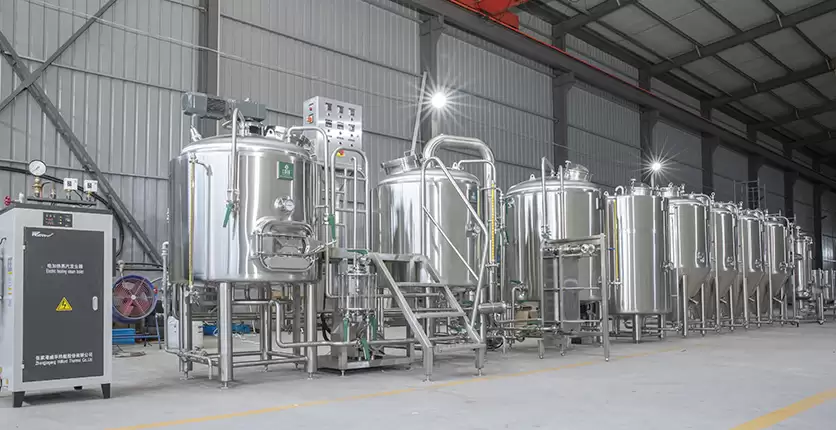
proven engineering strength
With senior engineers averaging over fifteen years of experience, I deliver precisely built dairy tanks using certified stainless steel and reliable fabrication processes that ensure consistent performance for farms, processors, and industry.
strict quality and certification
Every tank is made from certified stainless steel and tested through full FAT procedures. With ASME certifications and skilled welders, I provide hygienic, safe, and durable solutions for modern dairy production.
global reputation and loyalty
My equipment operates in over eighteen countries, supported by strong partner referrals and long-term cooperation. This widespread trust reflects stable quality, dependable service, and a proven record of customer satisfaction worldwide.
dairy tank in different applications
We design dairy tanks to support a variety of applications in the milk industry, from collection and storage to cooling, heating, and processing. Each tank is engineered with features tailored to specific functions, ensuring optimal milk quality and operational efficiency.
milk reception tank
Milk reception tank is used as the first point of contact for raw milk collected from farms or delivery trucks. Its main function is to gather milk safely while preventing contamination and preparing it for immediate cooling or processing.
To achieve this, the tank is built with smooth, food-grade stainless steel surfaces, wide top openings for easy filling, reinforced structures for frequent use, and optional level indicators for monitoring milk volume efficiently.
- wide top openings
- smooth stainless steel surfaces
- reinforced structure
- level indicators

milk cooling tank
Milk cooling tank is used to rapidly lower the temperature of freshly collected milk, preserving its freshness, nutrients, and quality. Its main function is to prevent bacterial growth and extend milk shelf life.
To achieve this, the tank cools milk to 4°C (39°F) or lower, features insulated walls for thermal stability, integrated cooling systems such as glycol or mechanical refrigeration, temperature sensors for monitoring, and optional agitators to ensure even cooling throughout the tank.
- insulated walls
- integrated cooling systems
- temperature sensors
- agitators

milk heating tank
Milk heating tank is also called as milk fermenter, which is used in processes such as pasteurization, yogurt production, or fermentation. Their main function is to heat milk uniformly to a specific temperature or maintain precise fermentation conditions without causing scorching or altering flavor.
To achieve this, the tanks incorporate internal heating jackets, precise temperature controls, gentle agitation systems, and programmable control panels. The hygienic, food-grade stainless steel construction allows for easy cleaning and prevents bacterial growth.
- heating jackets
- precise temperature controls
- agitation systems
- control panels

milk storage tank
Milk storage tank is used to maintain milk quality and freshness until further processing or transport. Their main function is to store milk safely, prevent contamination, and keep milk or milk blends uniform.
To achieve this, the tanks feature insulated walls for temperature stability, smooth stainless steel interiors for hygiene and pressure-rated lids with level indicators for safe and efficient management. Milk torage tank equipped with optional agitators can also serve as milk mixing tank, ensuring liquids remain thoroughly blended.
- insulated walls
- smooth stainless steel interiors
- agitators
- pressure-rated lids with level indicators

additional characteristics of dairy tanks
Beyond the four main stages of milk processing, we also design and manufacture a variety of dairy tanks to meet specific customer requirements. Depending on operational needs, we offer mobile milk tanks for easy transport, vertical milk tanks for space-efficient storage, and horizontal milk tanks for specialized processing.

mobile milk tank
We design mobile milk tanks to offer convenient and flexible milk handling for operations that require frequent movement. With insulated walls for reliable temperature control and a durable structure for transport, they ensure milk quality is protected on the go. They are used on farms, at collection points, or in any situation where milk needs to be moved efficiently between locations.

vertical milk tank
Our vertical milk tanks provide a space-efficient solution for operations that require hygienic and stable milk storage. Featuring a compact footprint, strong insulation, and a structurally balanced design, they help optimize limited floor space. These tanks are well suited for small to medium dairy farms and processing plants seeking high-capacity storage without sacrificing workspace.

horizontal milk tank
We build horizontal milk tanks to support larger volumes and more versatile processing needs. With even temperature retention, easy access for cleaning, and excellent mixing compatibility, they ensure consistent product quality. These tanks are ideal for large-scale dairy facilities or blending operations that require continuous storage, preparation, or pre-processing of milk.
Milk Tank Manufacturing Process
A streamlined process combining precision engineering, food-grade materials, and strict quality control to ensure hygienic, durable, and high-performance milk tanks.
Design & Material Selection
Customized engineering design with food-grade stainless steel (SUS304/SUS316L) to ensure hygiene and durability.
Forming & Welding
Steel plates are cut, rolled, and welded with precision to create a seamless, airtight tank structure.
Polishing & Finishing
Inner surfaces are polished for sanitary standards, while outer surfaces are treated for corrosion resistance.
System Integration & Testing
Insulation, cooling systems, and accessories are installed, followed by strict quality inspections before delivery.
Installation Guide for Wine Tank
A practical guide to proper setup, connection, and commissioning, ensuring safe operation, optimal efficiency, and long service life.
Site Preparation & Positioning
Ensure a stable, level foundation and place the tank correctly for easy operation and maintenance.
Utility & Pipeline Connection
Connect power, cooling systems, and pipelines with proper sealing and hygiene compliance.
System Integration & Cleaning
Integrate into the processing line and perform thorough cleaning, typically using a CIP system.
Testing & Operation Setup
Conduct commissioning tests and ensure operators follow proper usage and maintenance procedures.
custom size options of stainless milk tank
We offer fully customized stainless milk tanks in a wide range of sizes to meet the needs of different dairy operations. In today’s market, common capacities include 200L–500L for small-scale operations, 1000L–3000L for medium facilities, and 5000L–20,000L for larger dairy plants. Whether you require a compact tank for small farms or a large-capacity vessel for industrial processing, we can design and manufacture it according to your exact specifications.
To create the right stainless milk tank for your application, simply send us your required dimensions, capacity range, and any specific design features you need. Our engineering team will provide a tailored solution that fits your process and production scale.
why choose stainless steel milk tank
Our stainless steel milk tanks use certified food-grade stainless steel, ensuring the highest level of hygiene, safety, and durability for dairy processing. Food-grade stainless steel refers to stainless steel materials—such as SUS304—that are specifically approved for handling food and beverages. It offers excellent resistance to rust, acids, and cleaning chemicals, making it ideal for environments that require frequent washing and long-term hygiene control.
- Outstanding corrosion resistance that preserves milk quality
- Smooth, non-reactive surfaces that prevent bacterial buildup
- Long lifespan with minimal maintenance
- Easy cleaning, compatible with CIP systems
- No flavor transfer or contamination
- Strong structural integrity for both small and large tanks

COFF provides stainless steel tank solutions for other industries
Beyond dairy applications, we also engineer stainless steel tanks for a wide range of other industries. With our experience in precision fabrication and sanitary design, we support sectors such as winery, berwery, cider, cosmetics.
faq about stainless steel dairy tank
What is the cost of a milk tank?
The cost of a milk tank varies depending on capacity, stainless steel grade, cooling or heating functions, insulation, and customization. In the general market, small stainless steel milk tanks (around 100–200 gallons) often range from USD 1,500–3,500, while mid-sized models such as 300–800 gallons typically cost USD 4,000–9,000. Large tanks above 1,000 gallons with advanced features—such as integrated cooling jackets, agitation systems, or automated controls—can range from USD 10,000–25,000 or more.
Since every dairy operation has unique needs, the most accurate way to determine pricing is to share your required capacity, layout constraints, and functional specifications with us. At COFF, we design and manufacture fully customized stainless steel milk tanks and will provide you with the best pricing and most efficient configuration based on your production goals.
If you are planning to expand or upgrade your system, contact us directly, and we will prepare a tailored quotation and recommend the most cost-effective solution for your dairy operation.
How long does milk last in a milk tank?
Milk stored in a properly functioning milk tank can typically remain fresh for 24 to 48 hours, provided the tank cools it rapidly to 4°C (39°F) or below and maintains that temperature consistently. The tank’s insulation, cooling efficiency, and hygienic stainless steel interior help slow bacterial growth and preserve quality. However, actual shelf life may vary depending on factors such as initial milk quality, sanitation practices, and how frequently the tank is opened. For best results, milk should always be processed or transported as soon as possible.
How much does a 500 gallon stainless steel milk tank weigh?
A 500-gallon stainless steel milk tank typically weighs 650 to 900 kg (1,430 to 1,980 lbs) when empty, depending on the tank’s wall thickness, insulation layers, structural reinforcements, and additional features such as cooling jackets or agitation systems. Because COFF builds tanks using high-grade food-safe stainless steel and can customize their construction, the final weight may vary slightly based on your specific design requirements.