


COPYRIGHT © 2022 COFF International Co., ltd. ALL RIGHTS RESERVED


To choose the right stainless steel fermenter, you should start by thinking about your batch size and the type of beverage you want to make. Stainless steel tank selection matters because it affects your fermentation results and future growth. You get reliable quality with a stainless steel fermentation tank, as tests show beer from these tanks matches glass tanks in taste and quality. Stainless steel tanks keep oxygen out and make cleaning easy, which helps beginners. COFF brings years of skill and trusted service, so you can feel confident at every step.
As one of the leading craft brewing equipment manufacturers, Coff can provide nano brewery with high-quality ice water extraction machine 、 oil heated brewhouse and solutions.
Choosing the right fermentation tanks shapes the quality of your beer. You want every batch to taste great and stay consistent. Fermentation tanks with smooth, hygienic surfaces help you avoid contamination. Stainless steel tanks make cleaning easy and keep your brewing process safe. You get better clarity and flavor in your beer when you use conical fermenters. These tanks collect yeast and sediment at the bottom, so your beer looks and tastes better. Modern fermentation and storage tanks often include automated controls. These systems let you monitor temperature and pressure, which keeps your beer fermentation steady. You reduce the risk of off-flavors and spoilage. Many breweries use fermentation and storage tanks with smart sensors. These sensors help you keep every batch of beer at its best.
Fermentation tanks with these features give you more control over the brewing process. You can make beer that tastes the same every time. COFF designs fermentation and storage tanks with these benefits in mind, helping you achieve top product quality.
The right fermentation tanks also boost your brewing efficiency. You save time and energy when you use tanks with good mixing and temperature control. The type of impeller inside your fermenting tanks affects how well your beer fermentation works. Look at the table below to see how different impellers impact energy use and oxygen transfer:
| Impeller Type | Power Consumption (Energy Efficiency) | Oxygen Transfer Performance | Overall Balance |
|---|---|---|---|
| Wide-blade Hydrofoil (WHd) | Best energy-saving performance | Moderate | N/A |
| Concaved Blade Disc (CBDT) | Moderate | Best oxygen transfer | N/A |
| Rushton Turbine (RT) | Balanced | Balanced | Most balanced |
Agitation speed is the biggest factor for both power use and oxygen transfer. When you pick the right tank and impeller, you get better fermentation and storage results. Studies show that using the best impeller and gas flow rates can increase product mass and improve fermentation efficiency. You get more beer from each batch and use less energy. COFF’s fermentation and storage tanks use advanced designs to help you reach these goals. You spend less time on cleaning and maintenance, so you can focus on brewing.
Tip: Choosing the right fermentation tanks helps you make more beer with less effort. You get better results and save money over time.
When you start looking for fermentation tanks, you need to know your goals. Think about your batch size, the type of beverage you want to make, and how often you plan to brew. These choices shape your brewing process and help you pick the right stainless steel fermenter.
Here are the key factors in choosing a stainless steel fermenter:
Tip: Write down your answers to these questions before you shop. This list will help you compare different fermentation tanks and make a smart choice.
You can also use production metrics to guide your decision. The table below shows some important metrics for planning your brewing:
| Metric Name | Description | Role in Fermentation Tank Selection |
|---|---|---|
| Production Half-life | Number of generations until half of the initial production level is reached. | Helps you plan tank size and how long you can use each batch. |
| Production Load | Percent reduction in growth rate due to brewing. | Shows how much strain your process puts on yeast and equipment. |
| Specific Growth Rate | Compares growth rates of different yeast strains. | Helps you pick the right yeast and tank for your craft. |
COFF offers a wide range of stainless steel fermentation tank options. You can find tanks that fit your batch size, beverage type, and brewing process. Their tanks use high-quality materials and smart designs to support your craft.
Your brewery may start small, but you should always plan for the future. Many craft brewers see their production capacity grow as demand rises. If you choose the right fermentation tanks now, you can save money and time later.
When you plan for growth, think about:
Note: Tanks with good documentation and support make it easier to expand your craft business. You avoid hidden costs and get help when you need it.
Here is a quick comparison of used vs. new fermentation tanks:
| Factor | Used Tanks | New Tanks (Manufacturer) |
|---|---|---|
| Initial Cost | Lower upfront cost | Full investment |
| Service Life | Uncertain, depends on past use | 25+ years with proper maintenance |
| Compliance | May lack documentation | Meets current standards |
| Warranty & Support | Limited or none | Full warranty and technical support |
| Condition | Unknown history | Latest sanitary design, pristine condition |
COFF helps you plan for growth by offering tanks that meet current needs and future expansion. Their team can guide you through every step, from choosing the right fermenter to scaling up your brewing process. With COFF, you get reliable stainless steel fermenters that support your craft for years.
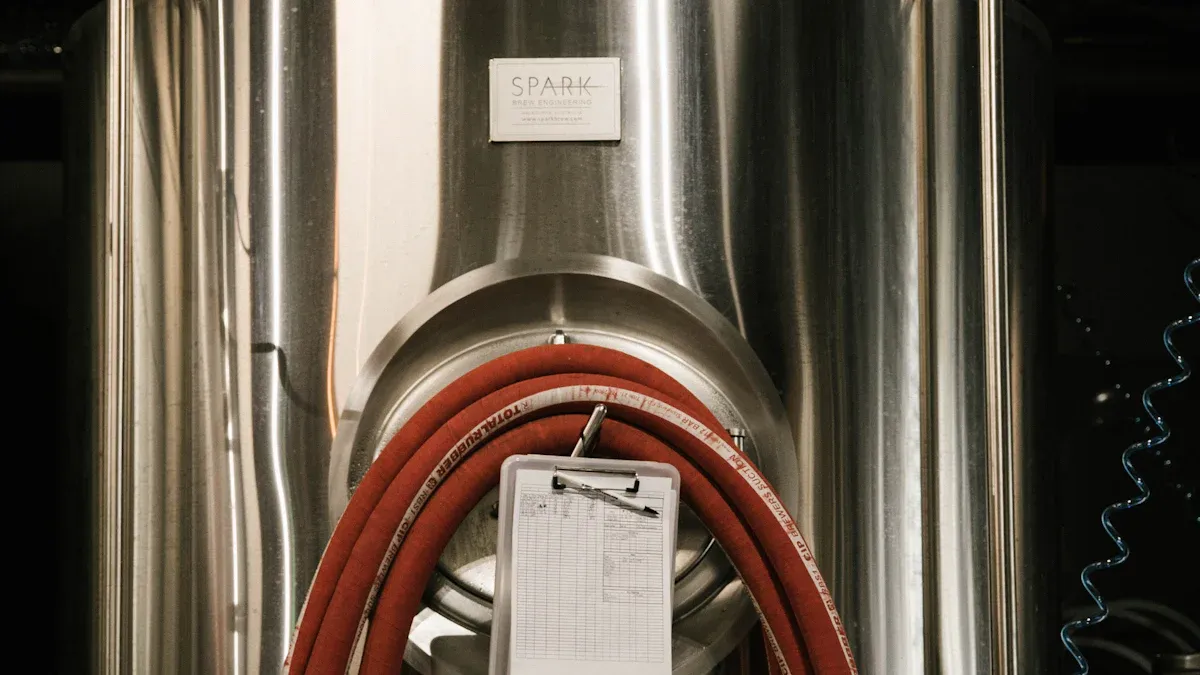
You will see the stainless steel conical fermentation tank in most modern breweries. The conical design features a cone-shaped bottom that lets yeast and sediment settle at the tip. This shape makes yeast harvesting and sediment removal easy. You get clearer beer and better flavor because the conical bottom keeps unwanted particles away from your finished product. Many brewers choose the stainless steel conical fermentation tank for beer fermentation. A mid-sized craft brewery using custom conical tanks saw a 30% boost in production and improved taste. The conical design also supports efficient cleaning and sanitation. You can find features like dimple jackets for temperature control, pressure-relief valves, and CIP arms in these tanks. COFF offers stainless steel conical fermentation tanks that meet strict ASME and API standards, giving you safe and reliable brewing equipment.
Cylindrical fermentation tanks have a barrel shape with a flat bottom. These tanks work well for wine and some specialty brews. The flat bottom makes them a high-quality stainless wine tank choice. In a scientific study, cylindrical fermenters improved mixing and mass transfer, which helps with even fermentation. However, yeast removal is less efficient than in conical tanks. You may find cylindrical tanks lighter and easier to move. They often cost less than conical tanks. You can add cooling jackets and fittings for temperature control. COFF builds cylindrical stainless steel fermentation tanks with smooth welds and food-grade materials for safe brewing.
| Feature | Conical Tank | Cylindrical Tank |
|---|---|---|
| Bottom Shape | Cone-shaped | Flat |
| Yeast Removal | Very efficient | Less efficient |
| Best For | Beer | Wine, specialty beer |
| Cleaning | Easy | Simple |
Open fermentation tanks have no lid, so air can reach the liquid. You use these tanks for traditional beer styles like wheat beer or sour beer. Open tanks let wild yeast and bacteria add unique flavors. However, you must keep them very clean to avoid contamination. Closed stainless steel fermentation tanks have a sealed top. You can control pressure and keep oxygen out. This design works best for modern beer production and large batches. Closed tanks help you manage temperature and carbonation. You get fresher beer and less risk of spoilage. COFF supplies both open and closed fermenting tanks, so you can match your tank to your brewing style and production needs.
Tip: Choose open tanks for traditional styles and closed tanks for better control and safety.
When you choose a stainless steel tank, you need to know about material grades. The two most common grades are 304 and 316 stainless steel. Both types work well for brewing and winemaking, but they have some differences.
| Property / Feature | 304 Stainless Steel | 316 Stainless Steel |
|---|---|---|
| Chemical Composition | 18-20% Chromium, 8-10.5% Nickel | 16-18% Chromium, 10-14% Nickel, 2-3% Molybdenum |
| Corrosion Resistance | Good, but less in salty or acidic settings | Superior, even in acidic or salty conditions |
| Mechanical Properties | Strong at room temperature | Stays strong at higher temperatures |
| Suitability for Fermentation | Great for most beer and wine tanks | Best for tough, acidic, or salty fermentations |
| Cost and Machinability | Less expensive, easy to machine | More expensive, harder to machine |
You should always look for food-grade certification when picking a high-quality stainless steel tank. This ensures your tank meets safety standards and keeps your drinks pure. COFF uses both 304 and 316 stainless steel to build tanks that last and protect your product.
Temperature control is one of the most important features to look for in a high-quality stainless wine tank or beer fermenter. Yeast and bacteria need the right temperature to work well. If the temperature changes too much, your batch may not taste right or could spoil.
Modern stainless steel fermentation tanks use cooling jackets, coils, or even external heat exchangers. These systems help you keep the temperature steady, usually between 20°C and 85°C. When you control the temperature, you get better yields, save energy, and make sure every batch tastes the same. Automated controls let you adjust the temperature in real time, so you can react quickly if something changes.
A compact heat exchanger can keep the temperature difference as low as 2°C. This means you can use regular water for cooling instead of expensive chilled water. You save money and energy, and you also reduce the risk of contamination because cleaning is easier.
Tip: Always check if your stainless steel tank has a reliable temperature control system. This helps you make better products and avoid waste.
Easy cleaning is a must for any high-quality stainless steel fermentation tank. Tanks with smooth welds and rounded corners stop bacteria from hiding. You want a tank that is simple to clean and disinfect.
Studies show that the way you clean your tank affects how many germs stay behind. Tanks cleaned with just water have more bacteria. Using a caustic soda solution or special disinfectants removes more germs and keeps your tank safe. Look for tanks with built-in spray balls or cleaning ports. These features help you reach every part of the tank, so you can keep it spotless.
COFF designs tanks with sanitary welds and easy-to-clean surfaces. You spend less time cleaning and more time brewing or winemaking.
Fittings and accessories make your stainless steel tank easier to use and safer. Some important features to look for in a high-quality stainless wine tank include:
| Accessory Type | Operational Efficiency Benefit | Safety and Hygiene Benefit |
|---|---|---|
| Rotary Spray Balls | Fast, thorough cleaning | Prevents contamination |
| Manholes | Easy inspection and maintenance | Seals keep out germs and leaks |
| Level Sensors | Accurate fluid monitoring | Stops overflows and shortages |
| Sight Glass with Light | Lets you check inside without opening the tank | Reduces contamination risk |
| Pressure Transmitters | Keeps pressure safe and steady | Prevents leaks and failures |
These accessories help you clean faster, monitor your process, and keep your product safe. COFF includes these features in their tanks to help you work smarter and safer.
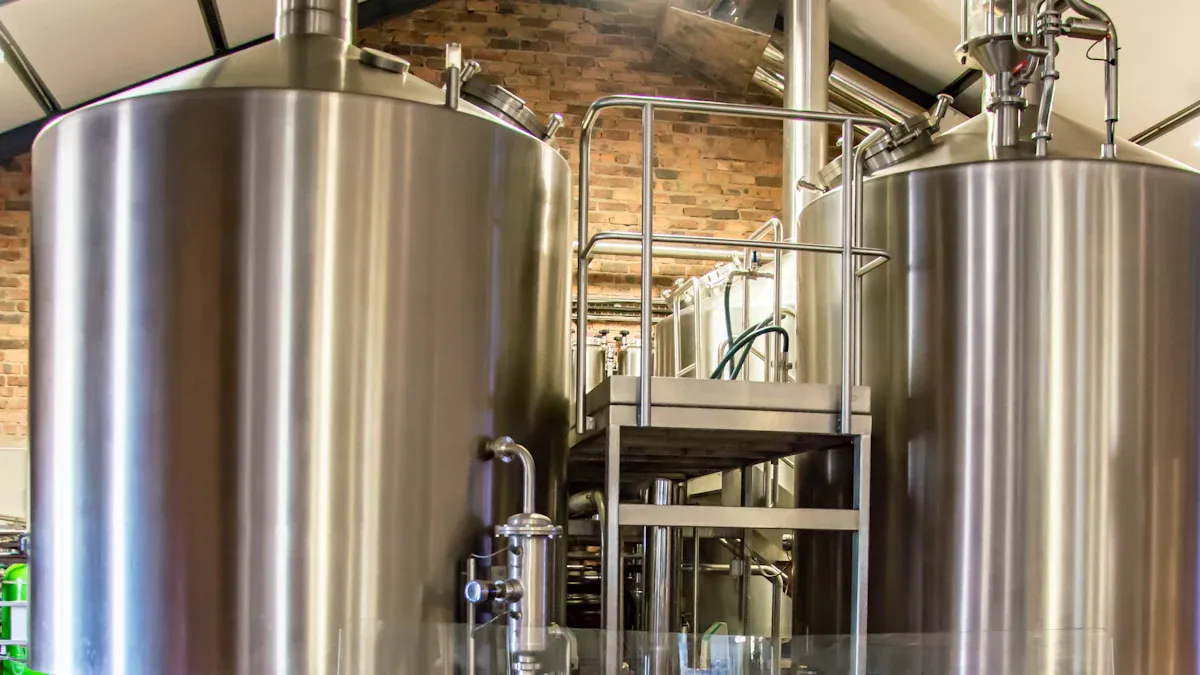
You get a big advantage with a stainless steel conical fermentation tank when it comes to sediment removal. The conical shape lets yeast and trub slide down to the bottom during fermentation. After fermentation, you can open the bottom dump valve and remove the sediment without letting air touch your beer. This keeps your product safe from contamination. You do not need to use a siphon or move your beer to another vessel. A racking port above the sediment line lets you transfer clear beer easily. This process keeps your beer clear and improves its flavor.
The conical design also makes cleaning simple. Sediment collects at the tip of the cone, so you can flush it out quickly. You save time and reduce the risk of spoilage. Many brewers use this method to harvest yeast for reuse, which helps you keep your brewing consistent. The advantages of the conical design include better product clarity and less waste. You also get more control over the final taste and aroma of your beer.
A stainless steel conical fermentation tank gives you flexibility for many types of fermentation. You can use these tanks for beer, wine, and other beverages. The smooth, non-porous stainless steel tank surface stops bacteria from sticking, so you get a hygienic fermentation every time. Built-in temperature control systems help you manage fermentation conditions for different products.
You can ferment bold red wines or delicate white wines in the same tank. The conical design supports both fermentation and aging, so you do not need extra vessels. Variable volume options let you adjust for different batch sizes. You can use cooling jackets, racking valves, and sample ports to fit your specific needs. The advantages of the conical design include easy sediment removal and support for many beverage styles.
COFF offers stainless steel conical fermentation tanks that work for both small and large batches. You get the benefits of using stainless steel fermentation tanks, such as durability, easy cleaning, and precise temperature control. These tanks help you make high-quality beer and wine with less effort. The benefits of stainless steel fermenters include long service life and support for many production goals.
You can choose a stainless steel fermenter with variable volume features to match your changing production needs. This option lets you adjust the amount of liquid inside the tank, which helps you avoid waste and keep your fermentation process efficient. Many custom tanks use a floating lid with an air gasket. This lid moves up or down to fit the liquid level, which reduces air exposure and prevents oxidation. You keep your wine or beer fresh and safe.
A variable volume fermenter often includes:
| Feature | Description |
|---|---|
| Floating Lid | Moves to match liquid level, prevents oxidation |
| Sealing System | Air gasket and pump keep the lid airtight |
| Material | Food-grade stainless steel for safety and durability |
| Volume Flexibility | Supports small or large batches without needing extra tanks |
| Quality Control | Tanks tested for airtightness and structural strength |
You can ask COFF to build custom tanks with these features. This helps you make different batch sizes and try new recipes without buying more fermentation tanks.
You need a reliable cooling system in your stainless steel fermenter to control fermentation temperature. Custom tanks can use several cooling methods. The most common systems include forced recirculation with a heat exchanger, internal coils, or external jackets. Each system has its own benefits.
| System Type | Cooling Method | Efficiency | Operating Cost |
|---|---|---|---|
| Forced recirculation + heat exchanger | Water cooled by tower | High | Medium-High |
| Internal coil | Water cooled by tower | Medium | Low |
| External jacket + internal coil | Water cooled by tower | Medium | Low |
| External jacket only | Water cooled by tower | Low | Very Low |
| Solar cooling (advanced) | Heat exchanger, solar powered | Medium-High | High |
You get better fermentation results with precise temperature control. Experts say that the placement of temperature probes and cooling jackets matters. You should make sure your custom tanks have cooling systems that match your product and climate. COFF can help you choose the right system for your fermentation tanks. Their custom tanks support both small and large operations, giving you flexibility and efficiency.
Tip: Always check that your fermenter has a cooling system that fits your needs. Good temperature control leads to better product quality and safer fermentation.
When you look at fermentation and storage tanks, you see a wide range of prices. The cost depends on the tank type, size, and features. For example, a 500L conical fermentation tank usually costs between $4,000 and $10,000. Open fermentation tanks start at $2,500 and can go up to $7,000. Horizontal lagering tanks and brite tanks fall between $3,000 and $9,000. Uni-tanks and stackable tanks can reach $11,000 for advanced models.
| Tank Type | Approximate Price Range (USD) |
|---|---|
| Conical Fermentation | $4,000 – $10,000 |
| Open Fermentation | $2,500 – $7,000 |
| Horizontal Lagering | $3,500 – $9,000 |
| Brite Tanks | $3,000 – $8,000 |
| Uni-Tanks | $4,500 – $11,000 |
| Stackable Tanks | $3,500 – $9,500 |
You must also plan for shipping, installation, and accessories. Some small-scale fermentation and storage tanks cost less than $400, but premium brands charge more for extra features. You can save money by buying in bulk or looking for seasonal deals. COFF offers competitive pricing and helps you find the right tank for your budget.
Tip: Always compare product features and check for warranties before you buy. This helps you get the best value for your fermentation and storage needs.
Choosing high-quality stainless steel fermentation and storage tanks is a smart investment. These tanks last 15 to 25 years with proper care. You spend more at first, but you save money over time. Stainless steel resists corrosion and is easy to clean, so you pay less for maintenance. Tanks with advanced temperature control and insulation use less energy, which lowers your operating costs.
Modern fermentation and storage tanks often include smart sensors and automation. These features help you monitor your process, reduce waste, and improve product quality. You can lease tanks to lower your upfront costs and reach your break-even point faster. Many wineries and breweries save up to 20% each year by upgrading to efficient fermentation and storage equipment.
COFF supports your long-term success with durable tanks, strong warranties, and expert service. When you choose COFF, you invest in reliable fermentation and storage solutions that help your business grow.
When you choose a supplier for stainless steel fermentation tanks, certifications matter. COFF stands out because you get tanks that meet strict international standards. COFF holds both ASME and AS1210 certifications. These certifications show that COFF follows top safety and quality rules in the industry. You can trust that every tank meets high standards for pressure, welding, and material safety.
These achievements prove that COFF leads the industry in quality and reliability. You get peace of mind knowing your equipment is safe and built to last.
You need more than just a tank. You need a partner who supports you at every step. COFF gives you expert service from the first question to the final installation. Their team includes engineers and designers with over 15 years of experience. You get help with choosing the right tank, setting it up, and keeping it running smoothly.
COFF’s customer service stands out for several reasons:
| Service Feature | Benefit to You |
|---|---|
| Fast Response | Get answers quickly |
| Custom Solutions | Tanks fit your exact needs |
| Global Support | Help is available in many countries |
| Long-Term Partnership | Ongoing advice and maintenance |
Most customers recommend COFF to others. Many build long-term relationships with the company. You can rely on COFF for innovation, quality, and support as your business grows.
Choosing COFF means you get certified quality, award-winning service, and a team that cares about your success.
You need a strong cleaning routine to keep your stainless steel fermentation tank in top shape. Clean tanks help you avoid contamination and keep your drinks tasting great. Industry experts say that regular cleaning stops bacteria and off-flavors from ruining your product. You should use both mechanical and chemical cleaning for the best results.
Tip: Automated cleaning systems like CIP (Cleaning-in-Place) save you time and make sure every part of the tank gets clean. COFF tanks support these advanced cleaning methods for easy maintenance.
Studies show that scrubbing and disinfecting with a bleach solution can reduce bacteria by over 99%. Combining mechanical action and chemical cleaning gives you the best protection against contamination.
You want your stainless steel tank to last for years. Preventing corrosion is key. Stainless steel resists rust, but you still need to take care of it.
| Maintenance Task | How Often | Why It Matters |
|---|---|---|
| Visual inspection | Weekly | Catch early signs of damage |
| Passivation | Yearly | Restore protective surface |
| Cleaning and drying | After use | Prevent bacteria and rust |
COFF designs tanks with high-quality stainless steel and smooth welds to make maintenance simple. With the right care, your COFF fermentation tank will serve you well for many years.
You might think bigger is always better when choosing fermentation tanks, but that is not true. Many beginners pick tanks that do not match their actual production needs. If you select a tank that is too large, you risk wasting ingredients and energy. Small tanks can limit your growth and force you to buy more equipment sooner than planned.
Tip: Measure your average batch size and future goals before you buy. COFF offers a wide range of conical and cylindrical fermentation tanks to help you avoid sizing mistakes.
You may overlook important features when you focus only on price or appearance. Many new brewers forget to check for temperature control, cleaning systems, and proper fittings. These features make a big difference in your daily work and product quality.
If you ignore these features, you may face problems like stuck fermentation or off-flavors. Conical tanks with the right accessories make yeast removal and cleaning much easier. You get better results and save time.
Note: COFF designs conical fermentation tanks with advanced features to support your brewing success. You can trust their tanks to deliver reliable fermentation and easy maintenance.
You need a clear process to narrow down your choices. Start by listing the tanks that fit your batch size, beverage type, and space. Look at the features that matter most to you, such as temperature control, cleaning design, and material grade. Make a table to compare your top picks:
| Tank Model | Size (L) | Type | Key Features | Supplier |
|---|---|---|---|---|
| COFF Conical 500L | 500 | Conical | 304 SS, Cooling Jacket | COFF |
| COFF Cylindrical 300L | 300 | Cylindrical | 316 SS, Easy Clean | COFF |
| Brand X Open 400L | 400 | Open | Basic, No Jacket | Brand X |
Tip: Focus on tanks that meet your needs now and allow for future growth. Remove any options that lack certifications or support.
Check for certifications like ASME or AS1210. These show the tank meets safety and quality standards. COFF tanks always include these certifications, so you can trust their quality.
Once you have your shortlist, reach out to suppliers for quotes. Give them details about your production goals, space, and any custom features you want. Ask for a full breakdown of costs, including shipping, installation, and accessories.
Note: A good supplier like COFF will answer your questions and provide clear, honest pricing. This helps you make a smart investment.
When you follow this checklist, you make your decision with confidence. You get a tank that fits your needs and supports your brewing success.
Choosing the right stainless steel fermentation tank starts with knowing your batch size, beverage type, and future goals. Match tank features like material, temperature control, and cleaning design to your needs. Trust a certified supplier like COFF for quality and support.
Ready to start? COFF helps you make the best choice for your brewing journey.
You should match the tank size to your average batch. For home brewing, 100L to 300L works well. For small breweries, start with 500L or more. Always plan for future growth.
Use a non-abrasive brush and a food-safe cleaner. Rinse with clean water. Sanitize with a food-grade sanitizer. Many tanks, like those from COFF, support CIP (Cleaning-in-Place) systems for easy cleaning.
Yes, you can use stainless steel tanks for both beer and wine. Clean the tank well between uses. Variable volume tanks help you adjust for different batch sizes and styles.
COFF offers certified tanks with ASME and AS1210 standards. You get expert support, custom options, and long-lasting quality. Most customers recommend COFF for reliability and service.