


COPYRIGHT © 2022 COFF International Co., ltd. ALL RIGHTS RESERVED


No, milk does not normally cause a harmful chemical reaction with properly made food-grade stainless steel. Grades such as 304 and 316 are widely used in food and dairy applications because their chromium-rich passive surface provides good corrosion resistance.
This is why people can use stainless steel containers, bottles, tanks, and other food-contact equipment for milk. However, stainless steel is not completely immune to corrosion or surface damage. The grade, surface condition, cleaning method, and exposure conditions all affect long-term performance.

Milk is a complex liquid containing water, proteins, fats, lactose, minerals, and other components. Its typical pH is mildly acidic, but this does not normally cause a harmful reaction with properly selected food-grade stainless steel.
When milk is stored in a suitable stainless steel container, the milk comes into contact with the metal surface without normally forming a harmful chemical reaction.
This does not mean stainless steel is chemically inert under every condition. Corrosion can occur when the material is poorly selected, the passive layer is damaged, or the equipment is exposed to unsuitable cleaning chemicals or aggressive environments. Food-processing guidance notes that pitting and crevice corrosion can occur when stainless steel is used under inappropriate conditions.
For normal milk storage and food-processing applications, however, properly specified stainless steel provides a corrosion-resistant surface suitable for contact with dairy products.
The corrosion resistance of stainless steel comes primarily from chromium. A chromium-rich passive oxide film forms naturally on the surface and protects the underlying metal. If the film is damaged, it can normally repair itself when sufficient oxygen is available.
304 and 316 are common stainless steel grades used in food-processing equipment. The choice between them depends on the application and the surrounding conditions rather than simply the type of food being stored.
| Stainless Steel Grade | General Characteristics | Typical Considerations |
|---|---|---|
| 304 | Good general corrosion resistance | Common choice for many food and dairy applications |
| 316 | Higher resistance to some forms of corrosion because it contains molybdenum | Often selected for more demanding environments |
The correct grade should be selected according to the equipment’s temperature, cleaning process, chemical exposure, and operating conditions.
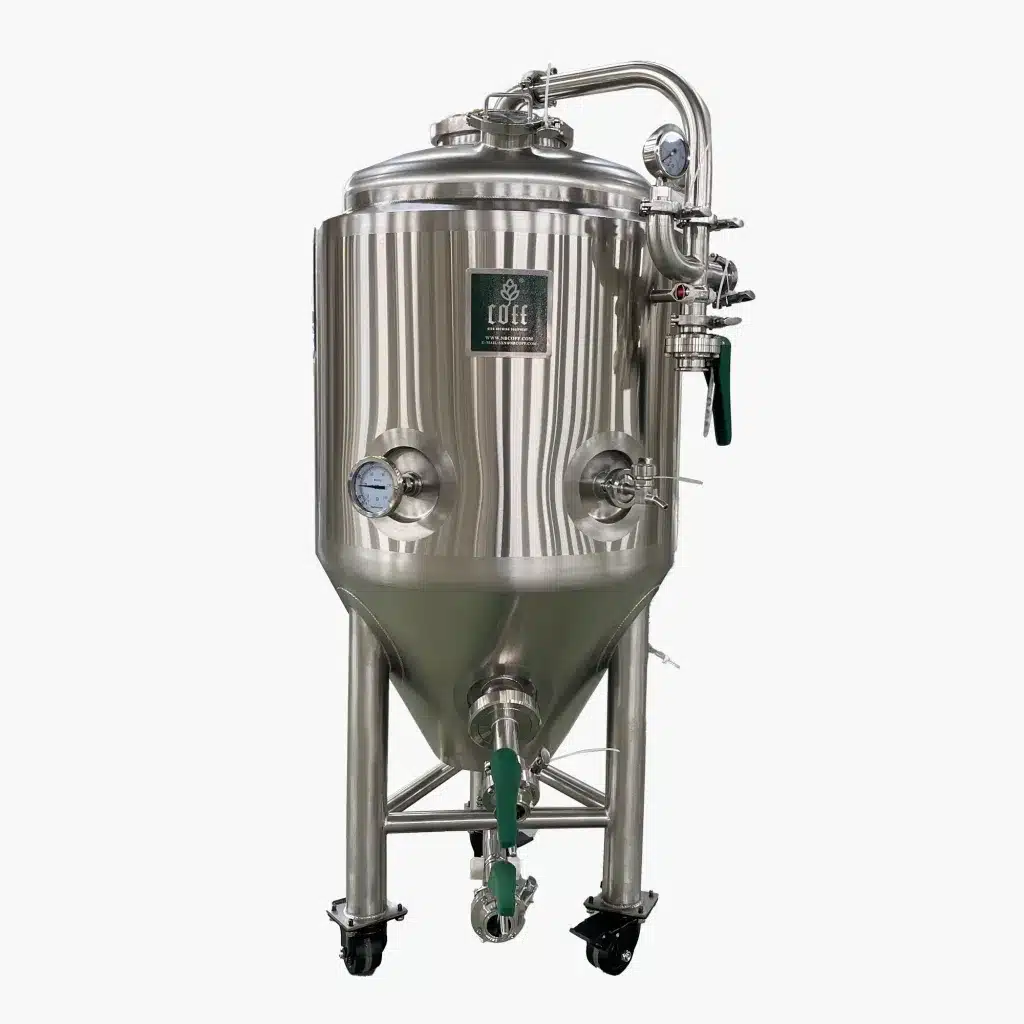
Milk can be stored in stainless steel without normally reacting with the container. In practice, the more important issues are temperature control, hygiene, cleaning, and the condition of the container.
A metallic taste or unusual odor does not automatically mean that milk has reacted with stainless steel.
Milk flavor can change for many reasons, including oxidation, storage conditions, feed or diet, and other milk-quality factors. Cleaning residues or an inadequately cleaned container can also affect taste and odor.
Discoloration on a stainless steel surface may likewise come from mineral deposits, food residues, or cleaning problems rather than a reaction between milk and the metal. If the bottle or tank develops persistent discoloration, deposits, pitting, or an unusual odor, clean and inspect the surface rather than assuming the milk has chemically attacked the stainless steel.
Milk contains proteins and fats that can adhere to container surfaces. If these residues remain after use, they can create cleaning and hygiene problems even when the stainless steel itself remains corrosion-resistant.
For a stainless steel bottle, rinse it soon after emptying and wash it thoroughly with warm water and an appropriate dish soap. A soft brush can help clean areas around the cap, threads, and seals.
For larger dairy installations, Clean-in-Place (CIP) systems streamline routine maintenance by eliminating the need for equipment disassembly. As a premier milk tank manufacturer, COFF provides engineered stainless steel tanks that ensure maximum cleaning efficiency and flawless hygiene in dairy processing.
Yes. Properly selected food-grade stainless steel is a practical material for milk storage and dairy-processing equipment because it offers corrosion resistance, a durable food-contact surface, and relatively straightforward cleaning.
For consumers, a stainless steel bottle can be useful for carrying milk for a short period. For dairy processors, stainless steel tanks can provide a durable vessel for cooling, processing, and storage when the equipment is correctly designed and maintained.
Milk does not normally cause a harmful chemical reaction with properly selected food-grade stainless steel. Its corrosion resistance comes largely from the chromium-rich passive layer that forms naturally on the steel surface.
Normally, properly selected stainless steel should not give milk a metallic taste. If milk tastes unusual, consider storage conditions, milk quality, cleaning residues, or other sources before assuming the stainless steel has reacted with the milk.
Yes. Stainless steel bottles can be used to carry milk. The more important issue is temperature control: milk should be kept properly chilled and should not remain at room temperature beyond recommended food-safety limits.
Rinse the bottle soon after use, then wash it with warm water and suitable dish soap. Clean the cap, threads, seals, and other areas where milk can collect. For commercial dairy tanks, use the manufacturer’s recommended cleaning and sanitation procedures.
Both can be suitable for food-processing applications when correctly specified. 316 contains molybdenum and generally provides greater resistance to some forms of corrosion, so it may be selected for more demanding environments. The appropriate grade depends on the equipment’s operating and cleaning conditions.