COPYRIGHT © 2022 COFF International Co., ltd. ALL RIGHTS RESERVED


Summary: This comprehensive guide explores everything you need to know about 5bbl brewing systems,
from understanding their components and benefits to installation, maintenance, and operational best practices.
Whether you’re a craft brewery owner looking to scale up your production or an entrepreneur entering the brewing
industry, this guide provides expert insights on selecting, operating, and maintaining a 5bbl brewing system for
optimal beer production quality and efficiency.
The craft brewing industry continues to flourish, with small-scale breweries seeking efficient and scalable solutions
to meet growing demand. A 5-barrel (5bbl) brewing system represents the perfect balance between craft brewing
authenticity and commercial viability. This comprehensive guide will walk you through every aspect of operating a
5bbl brewing system, from initial setup to advanced operational techniques.
Understanding the intricacies of small-scale brewing
equipment is crucial for brewery success. Whether you’re upgrading from homebrewing or starting a new
commercial venture, the knowledge contained in this guide will help you make informed decisions and optimize your
brewing operations.
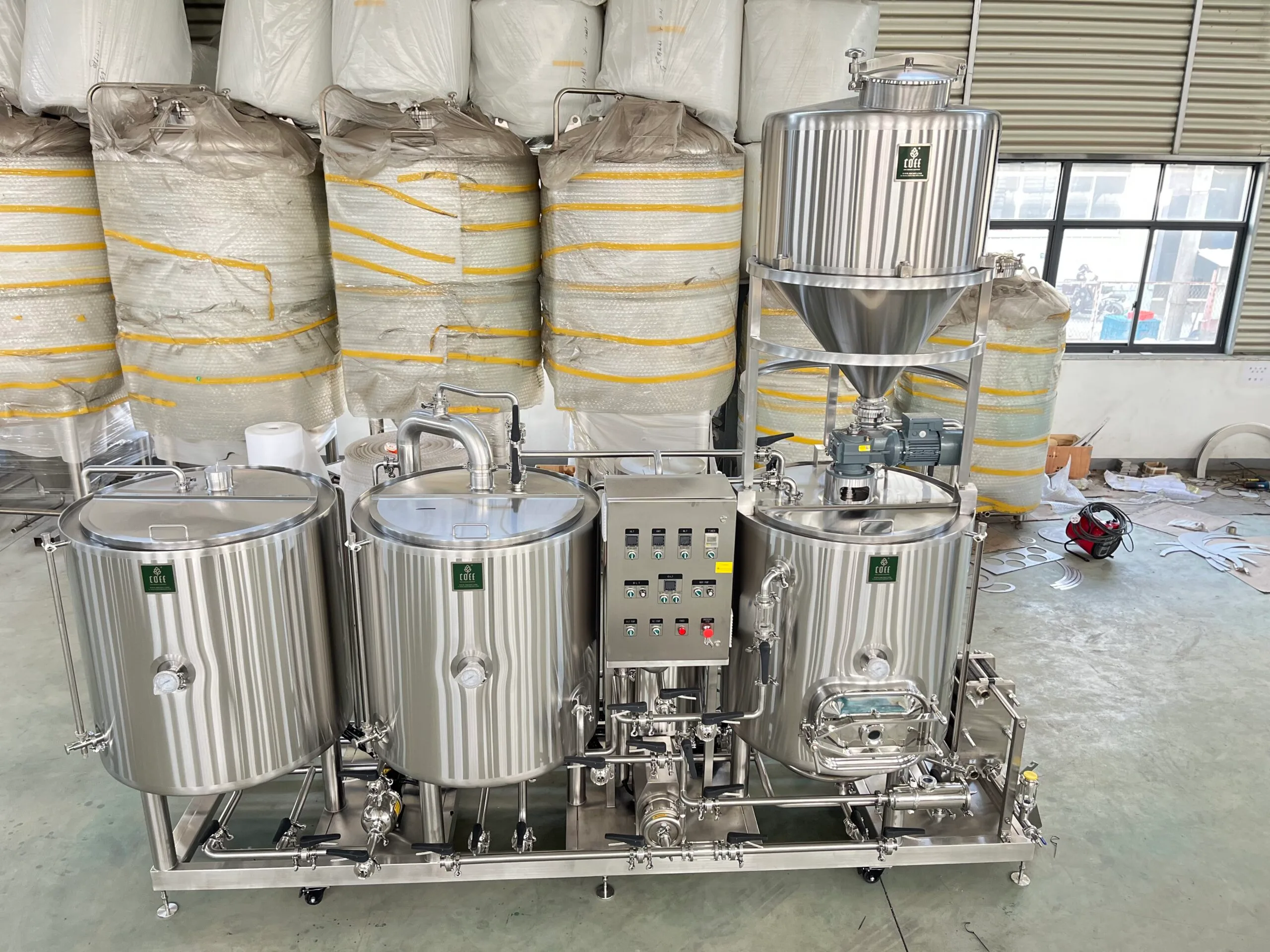
A 5-barrel brewing system is a mid-scale commercial brewing setup designed to produce approximately 155 gallons (620
liters) of beer per batch. This system size bridges the gap between microbrewing and larger commercial operations,
making it ideal for craft breweries, brewpubs, and small-scale commercial producers.
The “barrel” measurement in brewing refers to the standard beer barrel, which equals 31 gallons. Therefore, a 5bbl
system can produce enough beer to fill roughly 1,240 12-ounce bottles or 496 pints per batch. This capacity allows
breweries to test recipes, serve local markets, and build brand recognition while maintaining production efficiency.
Modern 5bbl systems incorporate advanced brewing technology, precision temperature control, and automated processes
that ensure consistent quality. These systems are particularly popular among craft breweries because they offer the
flexibility to experiment with different beer styles while maintaining commercial viability.
Understanding the essential components of a 5bbl brewing system is fundamental to successful operation. Each
component plays a critical role in the brewing process, from mashing grains to packaging the final product.
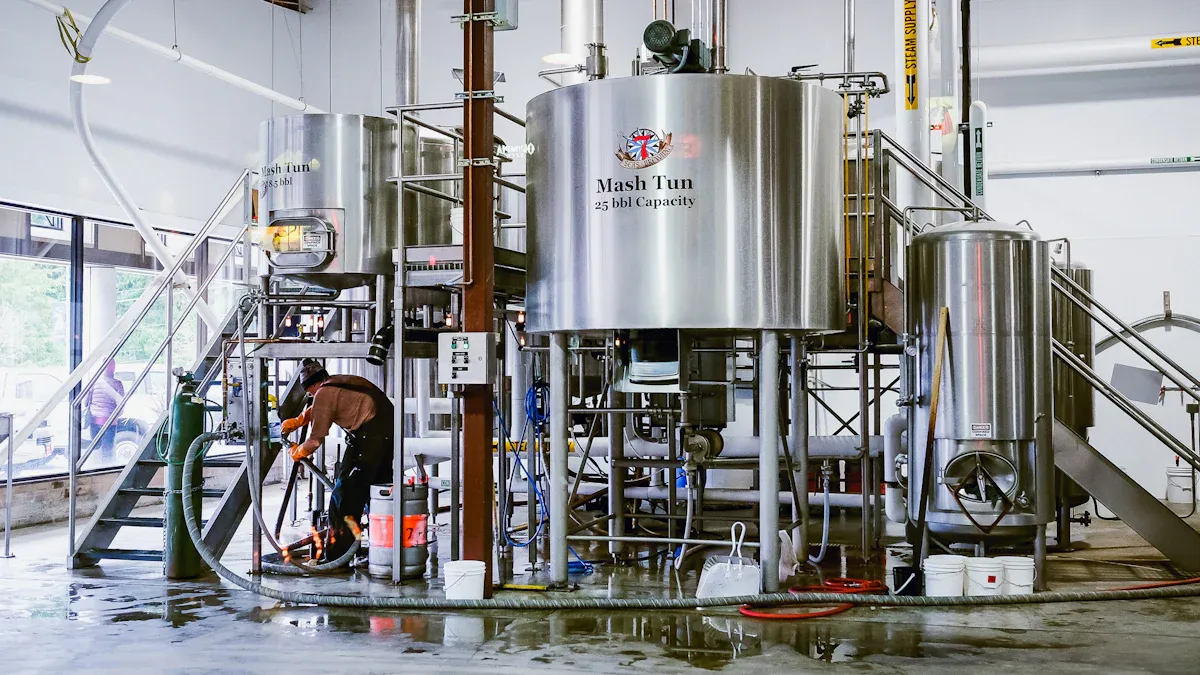
The mash tun is where the magic begins. This vessel combines malted grains with hot water to create a mash,
converting starches into fermentable sugars. In a 5bbl system, the mash tun typically features:
The mash tun’s capacity should accommodate the grain bill required for 5-barrel batches while allowing proper
circulation and temperature distribution. Quality stainless steel brewing equipment
ensures optimal heat retention and easy cleaning.
The brew kettle, also known as the boil kettle, is where wort boiling occurs. This critical step sterilizes the wort,
concentrates flavors, and allows for hop additions. Key features include:
The kettle design significantly impacts energy efficiency and boil quality. Advanced systems feature oil-heated
brewing systems that provide superior temperature control and energy efficiency.
Fermentation vessels are where yeast transforms sugars into alcohol and carbon dioxide. A complete 5bbl system
typically includes multiple fermentation tanks to maintain production flow. Essential features include:
Understanding the different types of fermentation
vessels helps brewers select the most appropriate equipment for their specific brewing styles and production
requirements.
Precise temperature control throughout the brewing process is crucial for quality beer production. The cooling system
includes:
Modern 5bbl systems feature sophisticated control panels that automate many brewing processes:
Choosing a 5bbl brewing system offers numerous advantages for craft breweries and commercial operations.
Understanding these benefits helps justify the investment and operational decisions.
The 5bbl system size provides excellent scalability options. Breweries can start with a single system and add
additional vessels as demand grows. This modular approach allows for:
Many successful craft breweries begin with quality microbrewery equipment and scale
operations based on market response and financial growth.
5bbl systems optimize resource utilization while maintaining craft quality. Efficiency benefits include:
| Aspect | Efficiency Gain | Impact |
|---|---|---|
| Labor | Automated processes | Reduced manual labor requirements |
| Energy | Optimized heating/cooling | Lower operational costs |
| Ingredients | Precise measurements | Reduced waste and consistent quality |
| Time | Streamlined processes | Higher production throughput |
Professional brewing systems deliver consistent results batch after batch. This consistency is achieved through:
Advanced 5bbl systems incorporate numerous quality control features that ensure superior beer production. These
systems enable brewers to maintain strict quality standards while scaling production.
Selecting the right 5bbl brewing system requires careful consideration of multiple factors. Making the wrong choice
can significantly impact operational efficiency and profitability.
Physical space requirements are crucial when planning a 5bbl installation. Consider:
Proper brewery room design ensures efficient
workflow and meets safety regulations while accommodating the brewing system’s requirements.
Investment planning should include both initial costs and ongoing operational expenses:
| Cost Category | Initial Investment | Ongoing Costs |
|---|---|---|
| Equipment | $80,000 – $150,000 | Maintenance, repairs |
| Installation | $15,000 – $25,000 | Professional servicing |
| Utilities | $5,000 – $10,000 | Energy, water consumption |
| Training | $2,000 – $5,000 | Continuing education |
Understanding commercial beer brewing equipment
costs helps in budget planning and ROI calculations.
Determine your target production volume based on:
Investing in high-quality equipment pays dividends through:
Research top brewery equipment suppliers
to identify manufacturers with proven track records and comprehensive support services.
Every brewery has unique requirements. Consider suppliers who offer:
Proper installation is critical for optimal system performance and longevity. The setup process involves multiple
phases, each requiring attention to detail and professional expertise.
Before equipment arrival, ensure the space is properly prepared:
Professional brewery installation
services ensure compliance with local codes and optimal system performance.
Equipment installation follows a systematic approach:
Comprehensive testing ensures system readiness:
Regular maintenance and proper cleaning procedures are essential for consistent beer quality and equipment longevity.
Developing comprehensive maintenance protocols prevents costly breakdowns and ensures food safety compliance.
Implement a structured maintenance schedule:
| Frequency | Maintenance Tasks | Focus Areas |
|---|---|---|
| Daily | Visual inspections, temperature logs | Gaskets, valves, temperature readings |
| Weekly | Deep cleaning, calibration checks | Sensors, pumps, heating elements |
| Monthly | Comprehensive system review | Motors, glycol system, control panels |
| Annually | Professional servicing | Pressure vessels, safety systems |
Following proper equipment maintenance
guidelines extends system life and maintains peak performance.
Effective cleaning protocols prevent contamination and maintain beer quality:
Understanding how to properly maintain brewery fermenters and other
critical components prevents costly contamination issues.

Operating a 5bbl brewing system presents unique challenges that require proactive management and problem-solving
skills. Understanding these challenges helps brewers prepare appropriate solutions.
Minimizing wort loss is crucial for maintaining profitability:
Precise temperature management challenges include:
Preventing oxygen exposure during various brewing stages:
Implementing proven best practices ensures optimal brewing results and operational efficiency. These practices have
been developed through years of industry experience and scientific research.
Effective recipe scaling and development for 5bbl systems:
Understanding beer flavor
development helps brewers create distinctive products that stand out in competitive markets.
Water quality significantly impacts final beer characteristics:
Optimal fermentation control techniques:
| Parameter | Monitoring Method | Control Action |
|---|---|---|
| Temperature | Continuous digital monitoring | Glycol system adjustment |
| Pressure | Gauge readings | Relief valve management |
| Gravity | Daily sampling | Yeast nutrition addition |
| pH | Regular testing | Acid/base addition |
Selecting appropriate fermentation tanks for
specific beer styles optimizes fermentation outcomes and beer quality.
Comprehensive quality control measures:
Prioritizing workplace safety in brewing operations:
Operating a 5bbl brewing system successfully requires comprehensive understanding of equipment, processes, and best
practices. From initial system selection through daily operations, attention to detail and commitment to quality
determine brewing success.
The investment in a quality 5bbl system provides craft breweries with the perfect balance of production capacity,
operational flexibility, and quality control. By following the guidelines outlined in this comprehensive guide,
breweries can optimize their operations, maintain consistent quality, and build successful businesses.
Whether you’re upgrading from smaller systems or starting fresh in the brewing industry, the principles and practices
discussed here will serve as a foundation for brewing excellence. Remember that successful brewing combines
technical expertise with creativity, and the right equipment provides the platform for both.
A 3.5 BBL brewhouse might be more appropriate for smaller operations or those just beginning their craft brewing
journey. Consider factors such as target production volume, available space, initial investment capacity, and growth
projections. Smaller systems offer lower initial costs but may limit expansion opportunities.
Yes, beginners can successfully operate 3 BBL fermentation systems with proper training and support. These systems
often feature user-friendly controls and automated functions that simplify operations. However, comprehensive
training on fermentation management, cleaning procedures, and quality control remains essential for success.
The key is selecting equipment from reputable manufacturers who provide comprehensive training and ongoing support.
Quality brewing equipment for beginners
should include detailed documentation, training programs, and responsive technical support.
For expert guidance on selecting and operating your 5bbl brewing system, contact our experienced team. We provide
comprehensive support from initial consultation through ongoing operational assistance.
Ningbo COFF Machinery Co., Ltd
Established in Ningbo, China, COFF is a leading manufacturer specializing in premium beverage equipment. With 6
years of experience and a 3,000m² production facility, we serve customers in 18 countries with an annual turnover of
30 million Yuan.
Address: No. 12, Meilin Road, Yuyao, Ningbo City, Zhejiang Province
Phone: +86 13819801855
Email: sxn@nbcoff.com
Website: https://nbcoff.com/
Our advanced yeast management systems ensure optimal fermentation performance and beer quality consistency throughout
your brewing operations.
Complete brewing systems designed for
efficiency, quality, and scalability. Our systems feature 100% stainless steel 304 construction with modern TIG
welding technology.
State-of-the-art control systems with automated processes, data logging capabilities, and safety interlocks for
optimal brewing control and monitoring.
Precision-engineered brewery tanks including
fermentation vessels, bright beer tanks, and storage solutions with superior temperature control capabilities.
Automated cleaning-in-place systems that ensure thorough sanitation while reducing labor costs and improving
operational efficiency.
High-quality stainless steel tanks with 2B finish, following ASMI standards with comprehensive quality control and
three-year warranties.
Specialized equipment for hop and malt handling, including hop backs, grist hoppers, and mills designed for optimal
ingredient processing and utilization.
Our Services include:
Contact us today to discuss your 5bbl brewing system requirements and discover how our expertise can help you achieve
brewing excellence. Visit our contact page for detailed information and
consultation scheduling.