

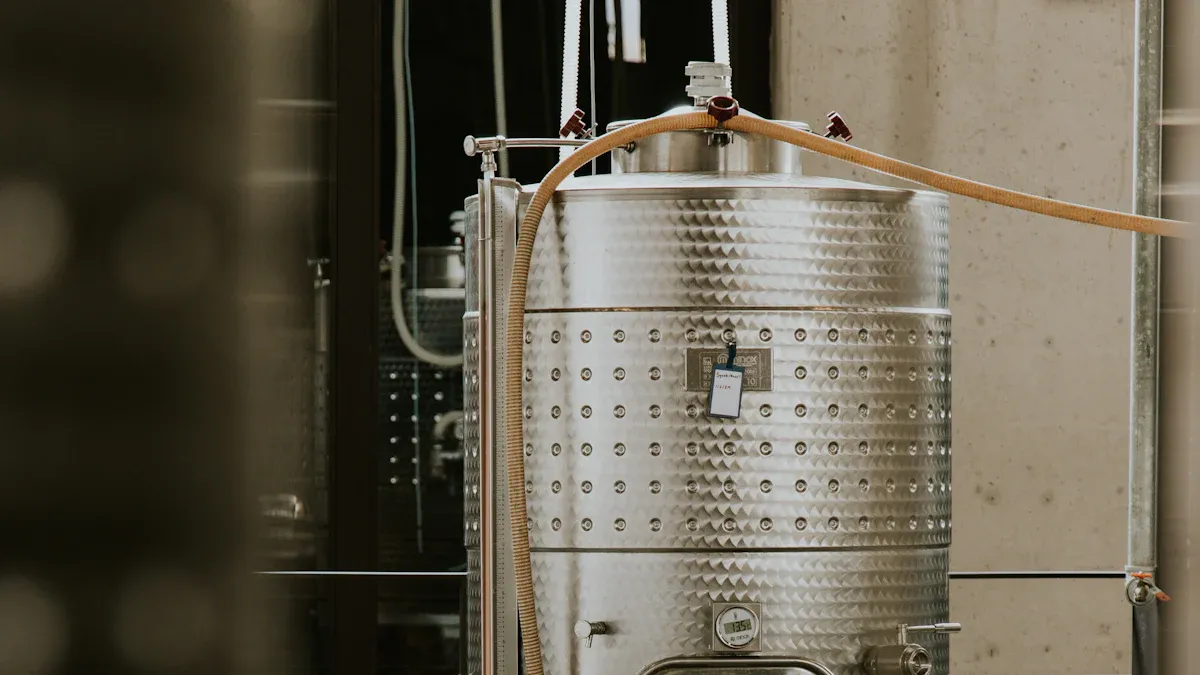

COPYRIGHT © 2022 COFF International Co., ltd. ALL RIGHTS RESERVED

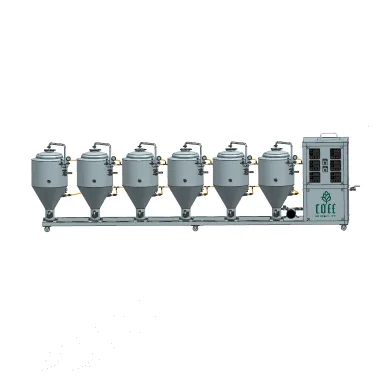
Fermentation is crucial for brewing beer, wine, and cider. Many homebrewers struggle with whether to use a oak barrels or a glass bottle for fermentation. Each container has its uses. Barrels are easy to stir and clean, making them popular with those who prefer barrel fermentation. Glass bottles, on the other hand, allow for better observation of the fermentation process and help isolate oxygen. Some people choose barrels when brewing cider because it allows for easy addition of fruit or sugar. Others choose glass bottles for a clearer final product. If you need quick access to your cider, a barrel is a good choice; while for cider brewers who want to minimize bacterial contamination, a glass bottle is ideal.
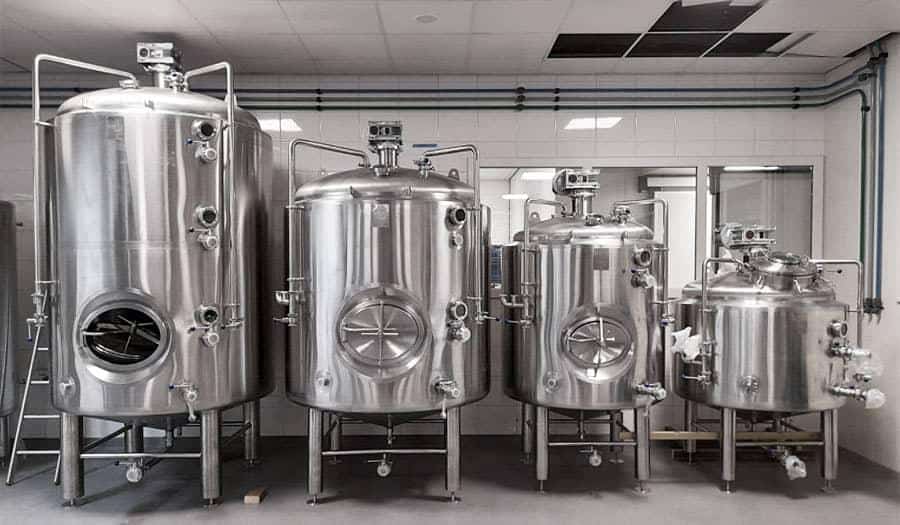
A fermentation tank is a large container used to start fermentation. Tanks are made of food-grade plastic or stainless steel. Many people prefer bucket containers because they are easy to use and clean. The wide top opening of the tank makes it easy to add items or clean the interior. Fermentation tanks are available in various sizes to accommodate different beverages.
Stainless steel is durable and easy to clean. It isolates oxygen well, which is why many brewers prefer it. High-density polyethylene (HDPE) plastic is cheaper and lighter. However, it has poor oxygen permeability and is easily scratched. Scratches can easily breed bacteria.
Fermentation tanks are used for brewing beer, wine, and cider. Homebrewers often use fermentation tanks as the first step in beer brewing. The wide opening makes it easy to stir and add hops or fruit. Some fermentation tanks have a tap at the bottom for easy pouring.
| Volume (gallons) | Description |
|---|---|
| 1 | Good for small batches or fruit wine. |
| 2.5 | Useful for splitting batches to try new things. |
| 6 | Common for many home brewing jobs. |
| 7.9 | Best for big batches like wine kits or foamy beers. |
Fermentation tanks are inexpensive and easy to replace. People like fermentation tanks because they are cheap and easy to use. Most fermentation tanks are opaque, so it is impossible to observe what is happening inside during fermentation.
A fermentation tank is a long, narrow container used for fermenting beverages. Fermentation tanks are made of glass or plastic. Homebrewers use fermentation tanks because they can observe the fermentation process. The transparent tank walls allow you to see the yeast, bubbles, and sediment.
| Material Type | Features | Benefits |
|---|---|---|
| Polypropylene (PP) | Chemical resistant, sturdy handle | Good for storing liquids, strong, safe cap |
| High-Density Polyethylene (HDPE) | Handles chemicals well, strong | Tough, does not break or chip, takes hard hits |
Fermentation tanks come in different sizes. Most have a capacity of 3 to 6 gallons. Glass fermentation tanks are heavier and easily break if dropped. Plastic fermentation tanks are lighter and less prone to breakage. Many people use fermentation tanks for secondary fermentation. This helps clarify the beverage and reduce sediment.
Glass bottles are more expensive than barrels. If used carefully, they can last a long time.
Barrels and glass bottles differ in many ways. They each have their advantages in brewing beer, wine, or cider.
Stainless steel is best suited for large containers because it is durable and easy to clean. Glass or plastic containers are suitable for small-batch fermentations and allow for easy observation of the fermentation process. These materials are also less expensive.
Bottles and fermentation tanks are both suitable for fermentation. The choice of container depends on the winemaker’s needs, the type of drink, and the stage of fermentation. Many home winemakers use both barrels and fermentation tanks for optimal results.
Oxygen is crucial during fermentation. Barrels have a wider top, allowing oxygen to enter more easily. Fermentation tanks have a narrower neck, resulting in less oxygen entry. The amount of oxygen entering affects the fermentation process and, consequently, the quality of the drink.
Oxygen before fermentation promotes yeast growth. Different types of yeast react differently to oxygen, thus changing the flavor. Oxygen reduces the levels of polyphenols and antioxidants, altering the taste and how the beverage feels in the mouth.
Fermentation changes the taste and appearance of the beverage. Keg beer allows for the addition of fruit or hops to enhance flavor. The narrow neck of glass bottles effectively isolates oxygen, reducing the risk of undesirable flavors. The transparency of glass bottles allows brewers to observe the fermentation process and check clarity. The lower the oxygen content in the bottle, the clearer and more flavorful the beverage is generally.
Contamination risk depends on the type of container and cleaning method. Keg beer is easy to clean because of its wider top. However, bacteria can still enter if the seal is not tight. Glass bottles, especially glass bottles, are more difficult to clean. They provide a better barrier against airborne oxygen and bacteria. Both types of containers require food-grade materials to ensure beverage safety. Cleaning and sterilization are crucial for brewing safe and delicious drinks.
Barrels are very practical for home brewing enthusiasts. The wide opening makes pouring, stirring, and cleaning easy. Brewers can easily add dry-hopped ingredients such as hops or fruit. The wide lid makes it easy to use mesh bags or hop tubes. These tools effectively hold the hops in place. Using a barrel allows for better control of the fermentation process and reduces mess. Barrels are cheaper than glass bottles, making them ideal for beginners. They are lightweight and easy to move. Plastic barrels won’t break even if dropped. Many people use barrels for primary fermentation. You can open the lid to check the liquid and understand the fermentation progress. Barrels are ideal for dry-hopped beers or fruit-added cider. They are also suitable for large-scale fermentation. The wide opening makes cleaning and sterilization easy. Transferring liquid from the barrel to other containers is easy.
Barrels also have some drawbacks. The inside cannot be seen without opening the lid, which can affect fermentation. Plastic barrels are easily scratched, and scratches can easily breed bacteria. Many homebrewers worry about bacteria and contamination. This problem is exacerbated if the same keg is used frequently. Kegs are not as airtight as glass bottles. The wide lids and plastic material allow more oxygen to enter, and excess oxygen can alter the beer’s taste and shelf life. Some people find that keg beer has a shorter shelf life. Beer can spoil if the keg isn’t cleaned properly or is scratched. Kegs remain popular because they are convenient to use. Brewers need to carefully clean and store the kegs. Choosing the right container depends on what you want to brew.
Glass bottle fermentation offers many advantages for homebrewers. The transparent walls allow you to observe what’s inside. You can observe yeast movement, sediment buildup, and changes in the clarity of the drink. This helps you check the fermentation progress without opening the bottle. External observation reduces the risk of bacteria entering. Glass bottles provide excellent oxygen insulation, which is crucial for the second stage of fermentation. Drinks like beer, wine, or cider stay fresh longer in glass bottles. Glass is less prone to scratches, making cleaning easy each time. Many brewers use glass bottles to age strong beers, which helps enhance the beer’s flavor over time. Glass bottles also help sediment settle, making the drink appear clearer.
PET glass bottles also have their advantages. They are less prone to breakage during normal use, making them easier to carry. PET bottles are lighter than glass bottles, making them easier to move. Both glass and PET bottles can last a long time if properly cared for. Glass bottles are best suited for the second stage of fermentation, as isolating oxygen and maintaining the drink’s clarity is crucial at this stage. The narrow neck of the glass bottle effectively prevents oxygen from entering, thus helping to preserve the drink’s smooth flavor. Using glass bottles for fermentation allows for easy observation of the fermentation process, enabling brewers to check each step.
Tip: Glass bottle fermentation is best suited for aging, brewing clear beverages, and observing the fermentation process of spirits or specialty wines.
Glass bottle fermentation also has some problems. A full glass bottle is heavy and difficult to lift. If dropped or impacted, it may break, causing personal injury and spoiling the beverage. Cleaning the bottle is also more difficult due to its narrow neck, requiring the use of special brushes or tools. Extra care must be taken when using glass bottles to avoid accidents.
Glass bottles are more expensive than plastic barrels or PET bottles. Glass bottles need to be kept away from direct sunlight, as sunlight can spoil the beverage inside. These extra steps increase the difficulty of glass bottle fermentation. While PET bottles solve some safety issues, their lifespan may not be as long as glass bottles. Glass bottles make it easier to observe the fermentation process, but cleaning them is more troublesome. Brewers should consider these factors before choosing glass bottle fermentation or other methods.
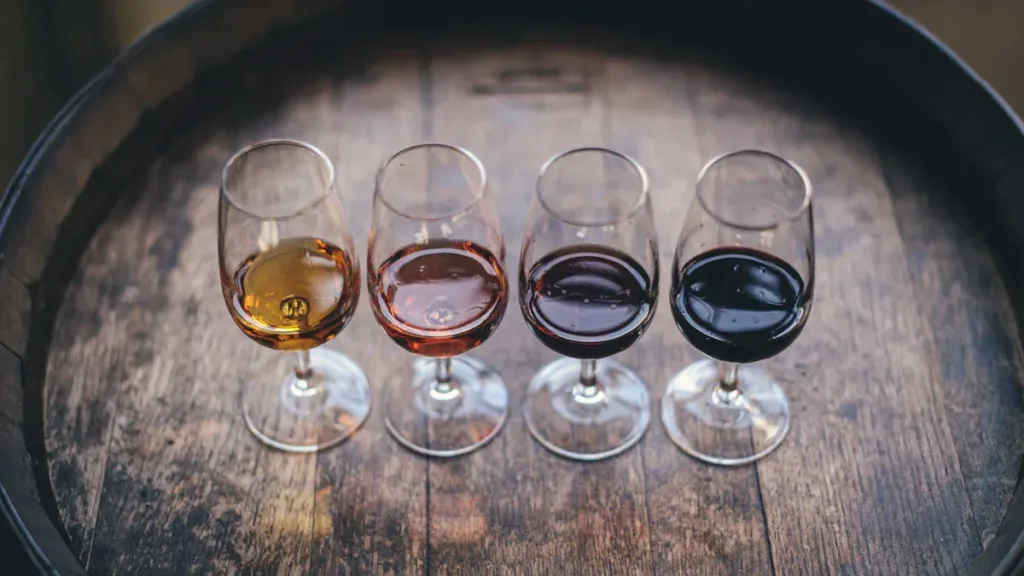
Many cider brewers initially use cider fermentation barrels. These barrels are convenient for adding apples, sugar, or yeast. The wide opening facilitates stirring and checking the cider. Removing fruit or testing the cider is also simple. Most fermentation barrels are cheaper than other containers. Fermentation barrels are lightweight and portable, allowing brewers to store them in different locations during fermentation. For those who want to witness the cider-making process firsthand and produce high-quality cider, cider fermentation barrels are the best choice.
Cider brewers must keep their fermentation barrels clean to protect the quality of their cider. Dirt or scratches can harbor bacteria, leading to spoilage. Brewers should use gentle tools to clean the fermentation barrels. First, rinse the fermentation barrel after use. Then, mix a cleaning agent such as PBW or B-Brite. Scrub the inside of the barrel with a soft sponge. If stains are stubborn, the fermentation barrel can be soaked in the cleaning agent. After cleaning, rinse with warm water. Before starting to brew the next batch of cider, use a food-grade sterilizer such as Star San. This ensures the hygiene of the fermentation barrel and helps maintain the quality of the cider.
| Vessel Type | Cleaning Ease | Sterilizing Method Recommendations |
|---|---|---|
| Buckets | Easy to clean due to wide access | Standard cleaning methods suffice, no special tools needed. |
| Carboys | Difficult to clean due to small opening | Recommended to use a carboy brush or automatic washer for thorough cleaning. |
Fermentation tanks are easier to clean than glass bottles. The wide top allows winemakers to clean every corner. Clean fermentation tanks help prevent off-flavors and maintain the quality of the cider. Every cleaning step is crucial to the final cider quality. Winemakers who clean diligently can rely on their fermentation tanks to consistently produce high-quality cider.
Batch size is very important when choosing a fermentation container. Fermentation tanks have a larger capacity than glass bottles. This makes tanks ideal for brewing large batches of cider. Glass bottles are smaller and have less headroom. Glass bottles are best suited for small batches or situations requiring reduced oxygen intake. Tanks are easy to stir and have enough space to accommodate foam. Glass bottles are heavier and more fragile, so they need to be stored in a safe place.
Tip: Choose a container size that matches the amount of beer, wine, or cider you want to brew. This ensures your drink is safe and prevents spills.
Personal preference is important when choosing a container. Some brewers choose barrels because they are easy to clean and move. Barrels are also less likely to break. Other brewers prefer glass bottles because they allow observation of the contents. Glass bottles are aesthetically pleasing and can show changes in the drink. However, glass bottles are heavier and more likely to break if dropped. Cleaning glass bottles is also more difficult due to their narrow necks. Barrels, on the other hand, have a wider top, making them easier to clean.
| Feature | Buckets | Carboys |
|---|---|---|
| Material | Plastic | Glass |
| Oxygen Permeability | Permeable to oxygen | Impermeable to oxygen |
| Weight | Light and easy to handle | Heavy and cumbersome |
| Visibility | Opaque | Transparent |
| Cleaning | Easy to clean | Difficult to clean |
| Cost | Generally lower cost | Higher cost but more durable |
| Headspace | More headspace can lead to oxidation | Reduces unnecessary headspace |
| Durability | Can scratch easily | Doesn’t easily scratch |
Many home winemakers use barrels because they are simple and easy to use. Others prefer glass bottles because they allow observation of the brewing process. The choice depends on what the winemaker values most.
Choosing between barrels and bottles depends on what you want to make. Barrels are suitable for the early stages of brewing, such as cider. They are easy to mix and clean. Glass bottles provide better oxygen control and allow you to observe the internal processes. This makes them ideal for aging cider. Experts offer some advice:
Choosing the right container will allow you to make better cider and make the brewing process easier.
Many home brewers use barrels to ferment cider. The wide opening makes it easy to add fruit and sugar. Some prefer carboys because they provide better oxygen control. Both containers are suitable for cider making; it depends on the brewer’s needs.
Oxygen alters the flavor of cider. Barrels introduce more oxygen, which can add fruitiness. Carboys, on the other hand, provide better oxygen control, helping to keep the cider fresh. Brewers choose their container based on the desired flavor.
Barrels are easier to clean after fermentation. The wide opening makes it easy for brewers to clean every corner of the barrel. Carboys have narrower necks, so cleaning residual cider requires more effort. Clean containers help maintain the safety and flavor of the cider.
Some winemakers use barrels for the first step of cider fermentation and then transfer to glass bottles for the second. This helps clarify the cider. Using both containers simultaneously can improve the quality of the cider.
The size of the container depends on how much cider the winemaker wants to make. Barrels have a larger capacity and are suitable for large-scale production. Glass bottles are suitable for smaller batches. Choosing the right container size helps prevent spills and ensures the cider’s safety.