


COPYRIGHT © 2022 COFF International Co., ltd. ALL RIGHTS RESERVED

Fermentation time for one gallon of wine in fermentation tanks typically ranges from 1 to 3 weeks, depending on a variety of factors. Primary fermentation lasts approximately 5 to 14 days, while secondary fermentation takes 1 to 2 weeks. Yeast type, temperature, type of wine tank, and sugar content all affect the fermentation speed. Even beginners can easily complete this process. Many people enjoy making wine at home using wine tanks or stainless steel containers; the steps are simple, but the results are amazing.

Making one gallon of wine at home requires following certain steps. It mainly consists of two stages: primary fermentation and secondary fermentation. Each stage has its specific function and duration.
Primary fermentation is the first step in winemaking and typically takes five to fourteen days. During this stage, yeast consumes the sugars in the juice, producing alcohol and carbon dioxide. Most people store the wine in a cool, dark place. Temperature is crucial. Red wines require approximately 70°F (21°C), while white wines require a lower temperature, around 50-60°F (10-16°C). The presence of bubbles in the gas lock indicates that fermentation is underway. Primary fermentation ends when the bubbles decrease or stop.
Tip: Many people use barrels or glass jars for primary fermentation. Professional brewers use specialized beer brewing equipment. Home brewers do not need expensive tools.
After primary fermentation, transfer the wine to a clean container. This is secondary fermentation, which typically takes one to two weeks. As yeast and solids settle, the wine becomes clearer. Fermentation may take longer if yeast activity is slow or the room temperature is low. Some people transfer the wine to new containers every one to two months until it becomes clear.
Fermentation is almost complete when the wine is clear and no longer producing bubbles. Afterward, the wine is stabilized and sweetened as needed. It can then be bottled a few days later.
Note: Fermenting one gallon (approximately 3.8 liters) of wine can take two to four weeks. Some people wait longer for better taste and clarity.
The choice of yeast is crucial to the speed of fermentation. Some yeast strains ferment quickly, while others take longer to complete. Yeast also affects the taste and aroma of the wine. Slow and steady fermentation is essential for producing higher-quality wines. Yeasts capable of withstanding higher alcohol concentrations help prevent problems. This is especially important when the wine has a high sugar content.
Temperature affects the speed and effectiveness of fermentation. Warm rooms accelerate yeast activity, leading to faster fermentation. However, excessively high temperatures can degrade flavor. If the temperature is too high, the yeast will stop working. Cool rooms slow down fermentation. Lower temperatures help preserve the wine’s flavor and aroma. Red wines generally require higher storage temperatures, while white wines need lower temperatures to reach their optimal state.
Tip: Maintain a constant room temperature. This helps the yeast function better and ensures a good taste for the wine.
The sugar content in fruit juice is crucial. High sugar levels can inhibit yeast activity, slowing or even stopping fermentation. Adding sugar slowly helps the yeast keep up with the fermentation process. Adding too much sugar at once will inhibit the yeast from producing alcohol.
| Sugar Type | Fermentation Rate | Flavor Profile | Byproducts |
|---|---|---|---|
| Glucose | Ferments quickly | Less sweet | Esters, higher alcohols, acids |
| Fructose | Ferments slower | Sweeter | Esters, higher alcohols, acids |
| Sucrose | Needs breakdown | Neutral | Different balance of byproducts |
Glucose ferments faster than fructose. Yeast uses special genes to absorb sugar. The environment surrounding the yeast also affects its fermentation efficiency.
Winemakers use different methods to ferment wine. It mainly consists of two steps: primary fermentation and secondary fermentation. In primary fermentation, yeast grows rapidly, and the wine produces foam and carbon dioxide. This step lasts three to five days. Secondary fermentation follows, lasting one to two weeks. The specific time depends on the remaining sugar and nutrients.
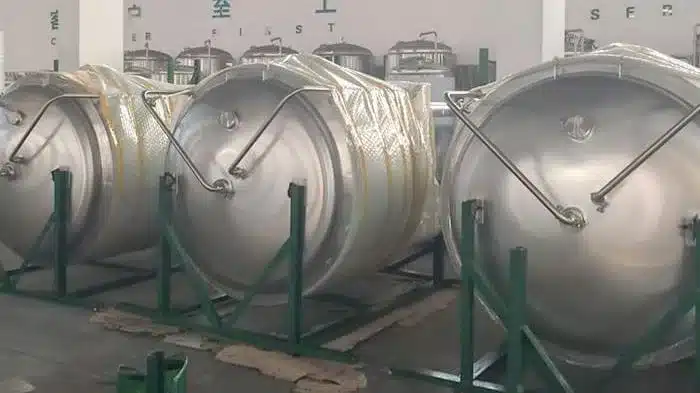
Some winemakers use plastic containers, which are inexpensive and easy to clean. Others use glass or stainless steel containers. Stainless steel containers isolate the wine from oxygen, ensuring its safety. Traditional methods take one to two weeks to complete, while newer methods can complete the process in two weeks to a month.
Note: Winemaking methods affect the taste of the wine and the time required to produce one gallon of wine.

A hydrometer helps winemakers monitor the progress of fermentation. It displays the remaining sugar content in the wine. Initially, the hydrometer will show a high value, such as 12%. As the yeast converts the sugar into alcohol, the value gradually decreases. Winemakers check the hydrometer at different points in time to observe its changes.
Using a hydrometer, the winemaker places it in a sample of wine. The hydrometer floats in the liquid. They read the position where the liquid touches the hydrometer’s scale. If the reading is below 1,000, fermentation is almost complete. Most finished wines have a final specific gravity between 0.992 and 0.996. Winemakers check the hydrometer for three consecutive days. If the reading remains unchanged, the wine is ready for bottling.
Steps for checking fermentation using a hydrometer:
Tip: Using a hydrometer is more accurate than directly observing the wine’s color.
Winemakers also observe several signs during fermentation. When fermentation is active, carbon dioxide bubbles appear. These bubbles rise through airlocks or appear on the surface of the wine. The color of the wine changes as the yeast becomes more active. After yeast and solids settle, sediment forms at the bottom of the wine.
During primary fermentation, foam and abundant bubbles indicate active yeast. During secondary fermentation, bubbles and foam decrease. Fermentation may be complete after the bubbles stop for a minute or two. A clear wine with sediment at the bottom indicates that the yeast has stopped working.
Common visual signs:
Note: Winemakers should check for airlocks every 12 hours after adding yeast. If no bubbles appear after 24 hours, shake the container or add more yeast.
The primary fermentation of one gallon of wine takes 3 to 5 days. Secondary fermentation lasts 1 to 2 weeks.
Winemakers need to frequently check the yeast, temperature, and sugar levels. They use hydrometers and wine samplers to observe the fermentation process.
The longer the aging process, the better the wine will taste. Aging for several months will give the wine its optimal flavor. Aspiring winemakers should enjoy the process and avoid rushing things. For further assistance, consult books such as *Winemaking: The Basics of Fermentation* and *Wine Recipes*, which offer many practical tips.
A hydrometer will show that fermentation has stopped when the sugar content remains constant for three consecutive days. The absence of bubbles in the airlock also indicates the end of fermentation. A clear wine with sediment at the bottom indicates the yeast has finished its work.
Small tastings are safe. Use a clean spoon or wine scoop. The wine may taste sweet or yeasty. Never drink large quantities before fermentation is complete.
Yeast activity slows down in a cold room. Fermentation may stop prematurely. Moving the container to a warmer place helps restart the yeast. Check the temperature daily.
Baker’s yeast can be used to make wine, but the resulting wine will not be of good quality. Wine yeast provides better flavor and higher alcohol content. Most winemakers choose dedicated wine yeast for optimal results.
Secondary fermentation helps clarify the wine and develop its flavors. Yeast and solids settle at the bottom. Before bottling, the wine’s flavor becomes smoother and more stable.