

COPYRIGHT © 2022 COFF International Co., ltd. ALL RIGHTS RESERVED

You need a structured maintenance plan for your oil heated brewhouse. Good maintenance ensures your system’s reliability and performance. Your goal is achieving:
This guide provides clear maintenance steps. You will learn to keep your heating equipment in top condition. This ensures a smooth heating process every brew day.
Your daily checks are the first line of defense for your oil heated system. You can spot small issues before they become big problems. These quick sensory checks take only a few minutes. They are crucial for safe and efficient heating.
Start your day with a walk-around inspection. Your eyes and nose are powerful tools. Look for any signs of a fuel oil or thermal fluid leak. A small drip can signal a major failure ahead. Pay close attention to joints, valves, and pump seals.
Check your thermal fluid for signs of trouble:
Pro Tip: A clean floor makes spotting new leaks much easier. Keep the area around your heating equipment tidy.
Your brewhouse has a normal rhythm. You should learn the typical sounds of your heating equipment. Listen for any new or unusual noises from the oil burner or circulation pumps. Changes in sound often point to mechanical stress or problems. A pump might sound like it is pumping rocks or marbles. This “gravel” sound can indicate a serious issue like cavitation. Grinding or whining noises can also signal bearing failure. Addressing these sounds early prevents costly damage to your heating system.
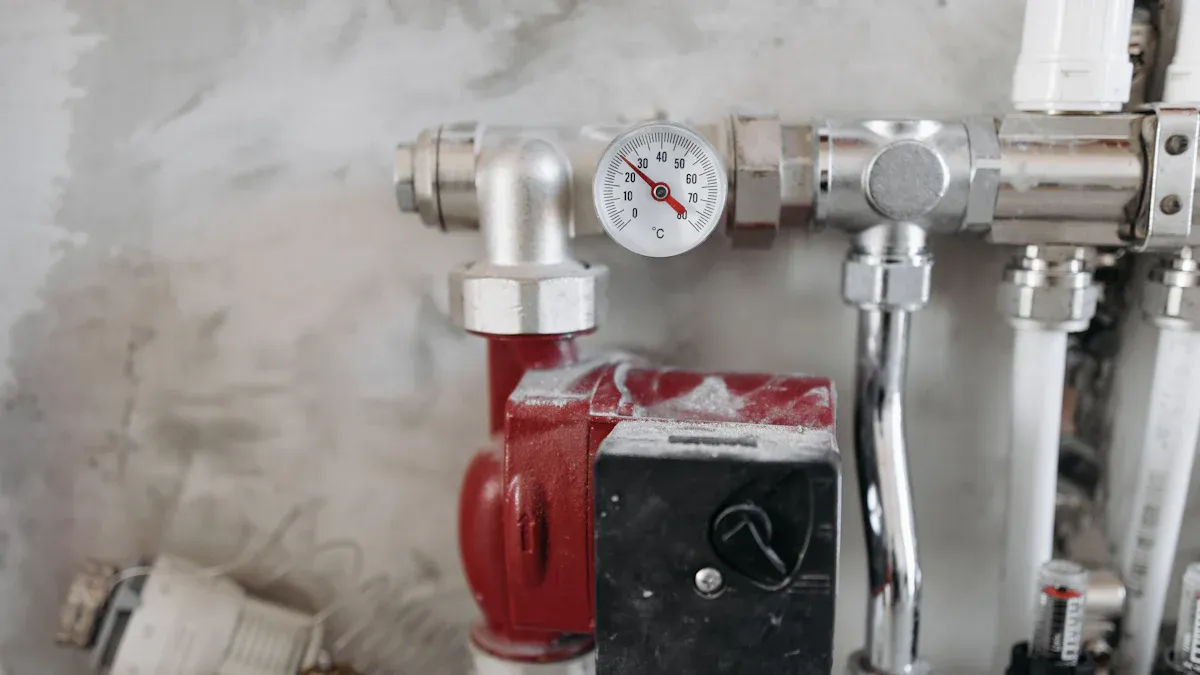
Your gauges provide vital information about the system’s health. Check the pressure and temperature readings on your oil heating unit. They should be within the normal operating range specified by the manufacturer. A pressure reading over 30 PSI is a major warning sign. It could indicate a blockage or failing component. Consistent readings ensure your system is providing stable and reliable heating for your brew day.
Your brewhouse safety depends on a clean and organized workspace. Your oil heater generates significant heat. You must keep the area around it completely clear. This simple daily check prevents fire hazards and ensures easy access for maintenance or emergencies. A cluttered space is a dangerous space.
Obstructions create immediate physical risks. Hoses, buckets, tools, or pallets left near the heating unit are tripping hazards. They can also block your path if you need to access an emergency shutoff quickly. Combustible materials pose an even greater threat. These are items that can easily catch fire. In a brewery, this includes many common supplies.
You should always follow official safety guidelines. The Occupational Safety and Health Administration (OSHA) provides clear rules for workplace safety.
While the standard requires a safe distance, it does not give a specific measurement for all equipment types. Therefore, your equipment manufacturer’s manual is your primary guide for exact clearance distances. As a best practice, maintain at least a 3-foot (or 1-meter) clear zone around your heating unit at all times.
Use this simple checklist to scan the area daily. ✅
| Item Type | Examples to Remove |
|---|---|
| Combustibles | Grain bags, cardboard boxes, paper goods, cleaning chemicals, wood pallets |
| Obstructions | Loose hoses, stray tools, buckets, cleaning carts, kegs |
Making this check a daily habit is one of the easiest and most effective ways to ensure a safe heating operation.
Your weekly checks go beyond simple visual scans. This level of maintenance helps you fine-tune your system for peak performance. Consistent weekly attention ensures your equipment provides efficient and reliable heating, preventing brew day disruptions.
The color of your burner flame is a direct indicator of its health. A proper flame shows that your fuel oil is burning cleanly and efficiently. This maximizes your heating power and minimizes fuel waste. You should observe the flame through the burner’s sight glass. A healthy flame is bright and steady. An incorrect flame color signals a problem that needs attention.
Use this simple guide to understand what your flame is telling you. ✅
| Flame Color | Meaning | Action Needed |
|---|---|---|
| Bright Orange-Yellow | Good Combustion | None. Your system is running efficiently. |
| Dark Orange or Red | Inefficient Combustion | The oil is not burning completely. This may require a professional tune-up. |
| Smoky with Black Tips | Poor Combustion | This creates soot and wastes fuel. Schedule service soon. |
You must ensure your system has enough fuel to operate. Running your fuel oil tank empty can introduce air into the fuel lines. This will shut down your heating system and can be difficult to restart. You would need to bleed the air from the lines before the burner will fire again.
Brewer’s Tip: Always keep your fuel oil tank at least one-quarter full. This simple habit prevents air from entering the system and causing unexpected heating failures.
The thermal fluid, or heat transfer oil, is the lifeblood of your oil heated brewhouse. It carries the heat from the burner to your vessels. You need to check the fluid level in the system’s expansion tank every week. A low fluid level can cause the circulation pump to cavitate or run dry, leading to poor heating and potential equipment damage. Most tanks have a sight glass or dipstick. Make sure the oil level is within the manufacturer’s recommended range for a cold system.
Your oil heated system has a vital safety device called the low-fluid cutoff (LWCO). This sensor protects your equipment from catastrophic damage. It automatically shuts down the burner if the thermal fluid level drops too low. A low fluid level can cause the system to overheat, leading to fires or expensive equipment failure. You must test this function weekly to ensure it works correctly. A failed sensor offers no protection.
Safety First: Always consult your equipment manufacturer’s manual before performing this test. The exact procedure may vary between different systems.
A safe and standard method for testing this sensor is the blowdown procedure. This test simulates a low-fluid condition in a controlled way. You can verify that your safety system responds as it should.
Here is how the test generally works:
If the burner shuts down at the correct low-fluid point, your LWCO is functioning properly. This weekly test is one of the most important things you can do for your brewhouse’s safety and longevity. It confirms your last line of defense against a dry-fire event is ready to protect your investment. Do not skip this check. ✅
Monthly checks involve more hands-on work. This deeper maintenance ensures your system’s core components are clean and functioning correctly. Proper oil burner maintenance prevents failures and keeps your heating process efficient.
Inefficient combustion leaves behind soot. This black powder can coat your burner’s internal parts, like the electrodes and flame sensor. A layer of soot acts as an insulator. It reduces the efficiency of your heating system and can cause ignition problems. You should carefully clean these components once a month. A clean burner provides a strong, reliable flame for consistent heating.
Safety Note: Always turn off and lock out the power to your heating unit before performing any cleaning or service.
Clean fuel is essential for a healthy burner. Your fuel oil can contain small amounts of sludge or water. These contaminants will clog your system over time. A clogged fuel filter starves the burner of oil. This leads to poor performance and inefficient heating. You should inspect and clean or replace your fuel filters monthly. Signs of a clogged oil line or filter include:
Running your fuel tank too low can stir up sludge from the bottom of the tank. This dirty oil can quickly block your filters and nozzles.
Your brewhouse heating system has several automated safety controls. These controls shut the system down if they detect a dangerous condition. You must test these functions monthly to ensure they work. For example, you can test the high-limit temperature control. This test verifies that the burner will shut off if the system gets too hot. You should also check any audible or visual alarms. Confirming these safety features are operational is a critical step for a safe brewery.
Proper ventilation is critical for your safety and your system’s performance. Your oil heater’s exhaust system, or flue, removes harmful gases like carbon monoxide (CO) from your brewhouse. A blocked flue pipe is a serious health hazard. You must inspect the entire ventilation path monthly.
Look for any blockages that could restrict airflow.
Critical Safety Check: A blocked exhaust can cause deadly carbon monoxide to build up in your brewery. Always ensure your CO detectors are working correctly. This simple monthly check protects you and your team.
Your pumps and motors are the heart of your heating system. They circulate the thermal fluid that heats your vessels. You need to ensure they are running smoothly. A failing pump can lead to poor heating and expensive damage. This monthly check uses your senses to spot trouble early.
Use this guide to check your pump and motor health. ✅
| Sense | What to Check | Signs of Trouble |
|---|---|---|
| Listen | The sound of the motor | Whining, grinding, or rattling noises |
| Look | The pump and seals | Leaks around the pump housing or seals |
| Feel | The motor casing | Excessive vibration or overheating |
Place your hand carefully near the motor to feel for heat. A motor that is too hot to touch may be failing or working too hard. Catching these issues early prevents unexpected shutdowns on a brew day. Smooth, quiet operation means your system is healthy.
Some tasks require a certified professional. Your annual maintenance plan must include scheduling expert service for complex and critical systems. This professional attention ensures your equipment is safe, compliant, and ready for another year of reliable heating. These checks go beyond routine upkeep and are an essential investment in your brewery’s longevity.
Once a year, you need to have a qualified technician service your heating system. They have the tools and expertise to perform a deep inspection and tune-up. A professional will service oil burner components, check combustion efficiency, and inspect the entire oil delivery system. This comprehensive maintenance catches underlying issues you might miss.
A professional service typically includes:
Your heat exchanger can build up organic and inorganic deposits over time. This buildup, known as fouling, forces your system to work harder, wasting fuel and reducing heating efficiency. A deep Clean-in-Place (CIP) procedure removes this scale and restores performance. While you may perform light cleaning, a full annual CIP is more intensive.
A standard deep cleaning process involves these steps:
Your pressure relief valves (PRVs) are your system’s most important safety feature. They automatically release excess pressure to prevent a catastrophic failure. These valves must be professionally tested and certified to ensure they function correctly.
Safety & Compliance: The American Society of Mechanical Engineers (ASME) sets the standards for PRV testing. Your local jurisdiction requires you to follow these codes. Failure to do so can result in fines and create a major safety hazard.
A certified technician will test each valve to verify it opens at the correct pressure listed on its nameplate. This test is not optional; it is a critical safety requirement for your oil heated brewhouse. Documenting this annual certification is necessary for compliance and insurance purposes.
Your instruments give you the data for great beer. You must trust their readings. Annual calibration ensures your temperature probes and pressure gauges are accurate. Inaccurate readings can ruin a batch. Good quality digital thermometers are very accurate, but even the best boiler dial thermometers can drift over time. You can perform a simple check yourself.
To test a thermometer with the ice water method:
A technician will use certified tools to calibrate all controls, ensuring your system responds precisely to maintain perfect brewing temperatures.
Your oil burner has key parts that wear out over time. Replacing them annually prevents failures and keeps your system efficient. A professional service technician will replace these components during your yearly tune-up. This is often part of a comprehensive 27-point oil burner inspection.
These parts require regular replacement:
Changing these parts is a small investment that prevents costly emergency repairs and keeps your oil consumption low.
The refractory is the ceramic insulation inside your combustion chamber. It protects the metal components from extreme heat. Over time, this material can break down. A technician must inspect it annually for signs of damage. Problems with the refractory can cause major heat loss and damage your boiler.
During the inspection, a professional looks for:
Catching these issues early protects your equipment from serious damage and ensures your system directs heat where it belongs.
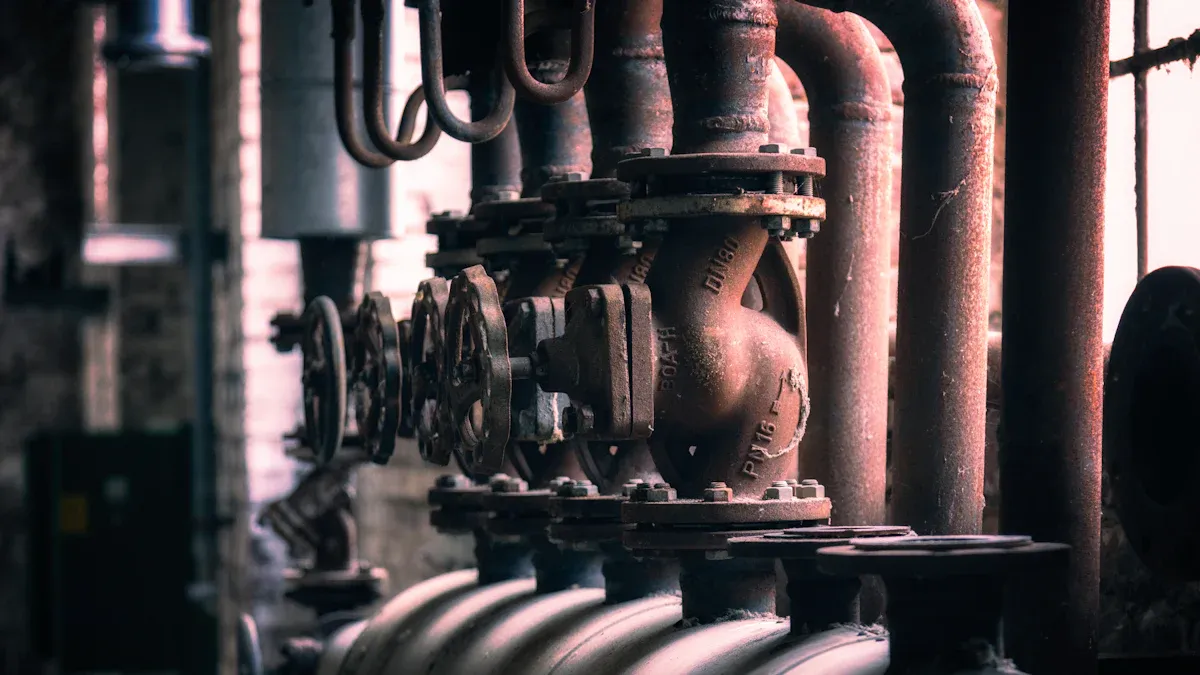
You must regularly verify your safety systems. These checks are not optional. They are essential for protecting your team, your brewery, and your investment. A safe heating operation depends on these critical verifications.
Your Emergency Shutoff, or E-Stop, is a large red button. It immediately cuts power to the entire heating system. You must know its location and confirm it works. Test this button monthly when the system is running but not actively heating.
Safety Procedure: Always inform your team before testing the E-Stop. A sudden shutdown should not be a surprise. After the test, follow your system’s specific startup procedure to safely restart the equipment.
Pressing the button should instantly stop all pumps and shut down the burner. This confirms your first line of defense in an emergency is ready. A functional E-Stop provides peace of mind for every brew day.
Your pressure and temperature relief valves are your system’s ultimate protection. They prevent catastrophic failure from excess pressure. While a professional must test them annually, you should visually inspect them monthly. You are looking for signs that could indicate a problem with this critical safety device.
Check the valve for any of these issues:
This quick visual check helps you spot potential failures before they become a major hazard in your heating system.
Your oil heating system produces exhaust gases, including dangerous carbon monoxide (CO). The ventilation system, or flue, safely removes these gases from your brewhouse. You must inspect this system for any leaks that could release CO into your workspace. A proper heating setup requires a sealed exhaust path.
Use this simple checklist to inspect your ventilation. ✅
| Component | What to Look For |
|---|---|
| Pipe Joints | Soot stains, gaps, or loose connections |
| Pipe Body | Holes, cracks, or signs of corrosion |
| Vent Termination | Blockages from nests, leaves, or debris |
A secure and clear exhaust system is vital for a safe heating environment.
You must use Lockout/Tagout (LOTO) procedures for safe maintenance on your oil heated brewhouse. This critical safety process protects you and your team from an accidental startup. It ensures a machine is properly shut off and cannot be re-energized while you are working on it. Regularly reviewing and practicing these steps makes safety a habit.
Your LOTO procedure should always include these essential actions:
An oil heated system requires a dedicated fire suppression system. You must ensure this system is ready to activate at a moment’s notice. A quick visual inspection helps you confirm its readiness and accessibility.
Pro Tip: A fire suppression system you cannot reach is a system you do not have. Keep the area around your manual activators and extinguishers completely clear at all times.
Use this simple table for your monthly readiness check. ✅
| Component to Check | What to Look For |
|---|---|
| Pressure Gauge | The needle is in the green, fully charged zone. |
| Nozzles & Hoses | They are clean and free of obstructions, grease, or damage. |
| Inspection Tag | The date for the last professional inspection is current. |
| Accessibility | The path to the system is completely clear and unobstructed. |
While you can perform these visual checks, a certified professional must inspect and service your entire fire suppression system annually to keep it compliant and effective.
Using the right parts keeps your heating system running for years. High-quality components and fluids are not an expense; they are an investment in reliability and efficiency. This ensures your brewhouse avoids costly downtime and produces consistent results.
Your oil burner needs the correct nozzle and filter for efficient heating. A mismatched part can lead to poor combustion, wasted fuel, and soot buildup. Finding the exact part your system requires is simple. You can identify the right oil burner nozzle in a few key places.
Using the right part ensures your oil burns cleanly and your system performs as designed.
The thermal fluid, or heat transfer oil, is vital for your system. Not all fluids are the same. Using the wrong oil can damage your equipment and reduce heating efficiency. You must use the fluid specified for your unit.
Expert Tip: Always check your manufacturer’s guide. It tells you the exact type of thermal oil your system requires for safe and effective operation. The right fluid protects your investment and ensures consistent heating.
When you need to upgrade, you want parts from a trusted source. As a founder of the oil heated brewhouse, COFF designs high-end equipment and components. They understand the unique craftsmanship and demands of craft brewing. Upgrading with their quality parts is an investment in your brewery’s future. Their components are built for reliability and top performance, ensuring your heating system operates at its best.
You need a skilled technician for your annual service and emergency repairs. The right professional understands the specific needs of an oil heated brewhouse. Finding a reliable expert ensures your system is serviced correctly and safely. A general HVAC technician may not have the specialized knowledge your brewery requires.
Start your search with the people who know your equipment best. Your manufacturer is an excellent resource. They can often recommend certified technicians in your area who are trained on their systems.
Pro Tip: Companies like COFF Machinery, a founder of the oil heated brewhouse, have deep industry knowledge. They can connect you with service partners who understand the unique demands of craft brewing equipment.
You can also find great technicians through your network. Ask other local brewers for their recommendations. They can share firsthand experiences with service providers. Your fuel oil supplier is another valuable contact. They work with heating specialists every day and can point you to trusted professionals.
Once you have a list of potential technicians, you need to ask the right questions. This helps you choose the best person for the job. ✅
Choosing a qualified technician is a critical step. It protects your equipment, ensures your safety, and keeps your brewhouse running smoothly.
This tiered checklist helps you manage your oil heated brewhouse. Proactive maintenance prevents major failures. It ensures safe heating and efficient heating. Consistent maintenance is a direct investment in your brewery. You will use less fuel for your heating and prevent costly downtime. Embrace this guide as your foundational tool. It will help you achieve operational excellence for your oil heated brewhouse and reliable heating for every brew.