


COPYRIGHT © 2022 COFF International Co., ltd. ALL RIGHTS RESERVED


Consistent care is the secret to a reliable oil heated brewhouse. You can prevent most major issues with simple, regular checks. Integrating these quick daily and weekly tasks into your brewing schedule protects your equipment. This proactive approach ensures optimal performance and safety, keeping your brewery running smoothly.
Your day should always start with a quick visual check of your brewhouse system. This simple habit is your first line of defense.
💡 Pro Tip: Use a flashlight to get a clear view of all connections and fittings, even in well-lit areas. A small leak can be easy to miss but can lead to significant problems.
Set aside about 30 minutes each week for a slightly more detailed inspection and cleaning. These tasks keep your system running at peak efficiency.
| Task | Description | Tools Needed |
|---|---|---|
| Inspect Flame | Check the burner flame. It should be a bright, steady orange-yellow color. A smoky, dark, or sputtering flame suggests a problem needing attention. | Safety Glasses |
| Clean Nozzles | Carefully remove the burner nozzles. Use a soft brush and compressed air for cleaning. This ensures a proper spray pattern for efficient fuel combustion. | Wrench, Soft Brush, Air Compressor |
| Wipe Surfaces | Wipe down the exterior of the burner and surrounding areas. This cleaning removes dust and spilled grain that could become a fire risk. | Clean Rags |
This weekly routine is a critical part of your oil heated brewhouse maintenance. Proper cleaning and inspection prevent fuel waste and extend the life of your burner components. A well-maintained system is a reliable one.
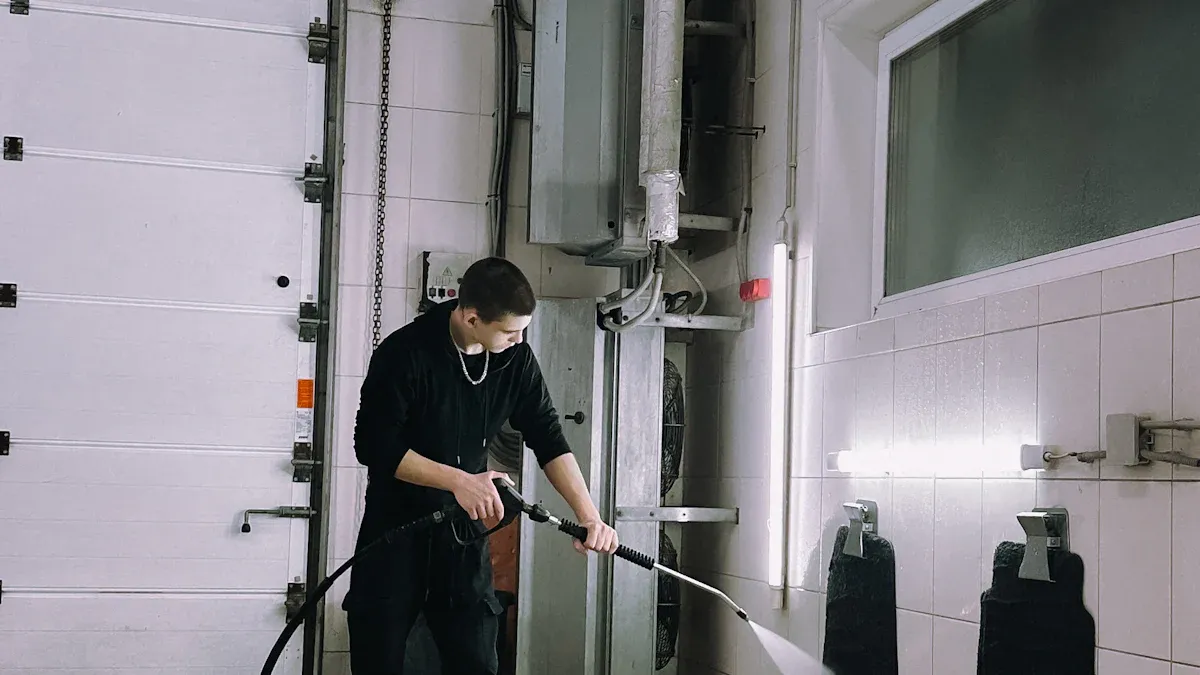
Consistent care is the secret to a reliable brewhouse. You can prevent most major issues with simple, regular checks. Integrating these quick daily and weekly tasks into your brewing schedule protects your equipment. This proactive approach ensures optimal performance and safety, keeping your brewery running smoothly.
Your day should always start with a quick visual check of your brewhouse system. This simple habit is your first line of defense against unexpected downtime and hazards.
⚠️ Safety Alert: The Dangers of Soot
Soot is more than just a mess. It signals poor combustion, which can produce colorless, odorless carbon monoxide (CO) gas. Inhaled soot particles can also worsen respiratory conditions like asthma. Symptoms of CO exposure include headaches, dizziness, and confusion. Proper cleaning and maintenance are your best defense.
Set aside about 30 minutes each week for a more detailed oil burner inspection and cleaning. This weekly maintenance keeps your system running at peak efficiency and extends its lifespan.
| Task | Description | Tools Needed |
|---|---|---|
| Inspect Flame | Check the burner flame. It should be a bright, steady orange-yellow color. A smoky, dark, or sputtering flame suggests a problem needing attention. | Safety Glasses |
| Clean Nozzles | Carefully remove the burner nozzles. Use a soft brush and compressed air for the cleaning. This ensures a proper spray pattern for efficient fuel combustion. | Wrench, Soft Brush, Air Compressor |
| Wipe Surfaces | Perform a thorough cleaning of the burner’s exterior and surrounding areas. This cleaning removes dust and spilled grain that could become a fire risk. | Clean Rags |
This weekly routine is a critical part of your oil heated brewhouse maintenance. The regular cleaning of nozzles and surfaces prevents fuel waste and protects your burner components. A well-maintained system is a reliable one.
Beyond your daily and weekly routines, you need to schedule deeper maintenance checks. These monthly and quarterly tasks focus on critical system components that ensure efficiency, safety, and longevity. Committing to this schedule helps you catch developing problems before they cause a shutdown.
Once a month, dedicate about an hour to inspect your system’s filters and airflow. These cleaning processes are vital for maintaining the healthy operation of your burner.
⚠️ Watch for Warning Signs
A lack of air can cause sooty operation. You might see black soot on walls or the unit itself. You may also notice strange odors as the burner struggles to vent properly. This soot buildup is a clear signal that a cleaning and inspection are overdue.
Every three months, you should perform a series of more intensive checks on your oil heated brewhouse. These steps focus on pressurized components and safety systems. This proactive maintenance is your best defense against equipment failure.
Fuel Line Leak Test A small fuel leak is a major fire hazard. This quarterly test helps you confirm the integrity of your entire brewhouse system.
Component and Safety Valve Checks This table outlines the critical safety components you need to inspect every quarter.
| Component | Inspection and Test Procedure | Why It’s Important |
|---|---|---|
| Safety Relief Valve | With the system near operating pressure, pull the test lever for at least 5 seconds. You should hear a pop as the valve opens and then reseats cleanly. If it fails to open or reseats improperly, shut down the system and call a professional. | This valve is your last line of defense against dangerous over-pressurization. Regular testing confirms it will function in an emergency. |
| Electrical Wires | Visually inspect all wiring for frayed insulation, loose connections, or signs of heat damage. Gently tighten any loose terminal connections. | Damaged wiring is a fire risk and can lead to intermittent system failures. A quick visual check and cleaning can prevent serious issues. |
💡 Pro Tip: Respect the Pressure Differential
Per ASME standards, you must maintain a proper pressure differential between your boiler’s operating pressure and the safety valve’s set pressure. The margin should never be less than five PSI. For example, if your safety valve is set to 15 PSI, your operating pressure should not exceed 10 PSI. Operating too close to the set pressure can cause the valve to weep or fail prematurely.
While your routine checks are essential, an annual professional service is a non-negotiable investment. This yearly inspection goes far beyond basic cleaning. A qualified technician has the tools and expertise to perform a deep analysis of your system. This comprehensive service ensures your oil heated brewhouse operates safely, efficiently, and reliably for the year ahead.
When you schedule a professional service, you should expect a thorough combustion analysis and system tune-up. The technician will use specialized equipment to measure your burner’s performance and make precise adjustments. This process maximizes fuel efficiency and identifies potential safety hazards. A complete service includes several key tests:
These adjustments ensure your system burns fuel cleanly and efficiently. This saves you money on fuel costs and prevents dangerous conditions like carbon monoxide production.
Finding the right person for the job is critical. You need a technician with specific experience in commercial oil-fired systems. Look for professionals with certifications from organizations like the National Oilheat Research Alliance (NORA). These credentials show they have proven knowledge. For example, completing the ‘Oil Heat I’ course prepares a technician to service systems like yours.
Before you hire someone, ask them a few important questions to confirm their expertise.
A confident and knowledgeable response to these questions indicates you have found a capable professional for the service.
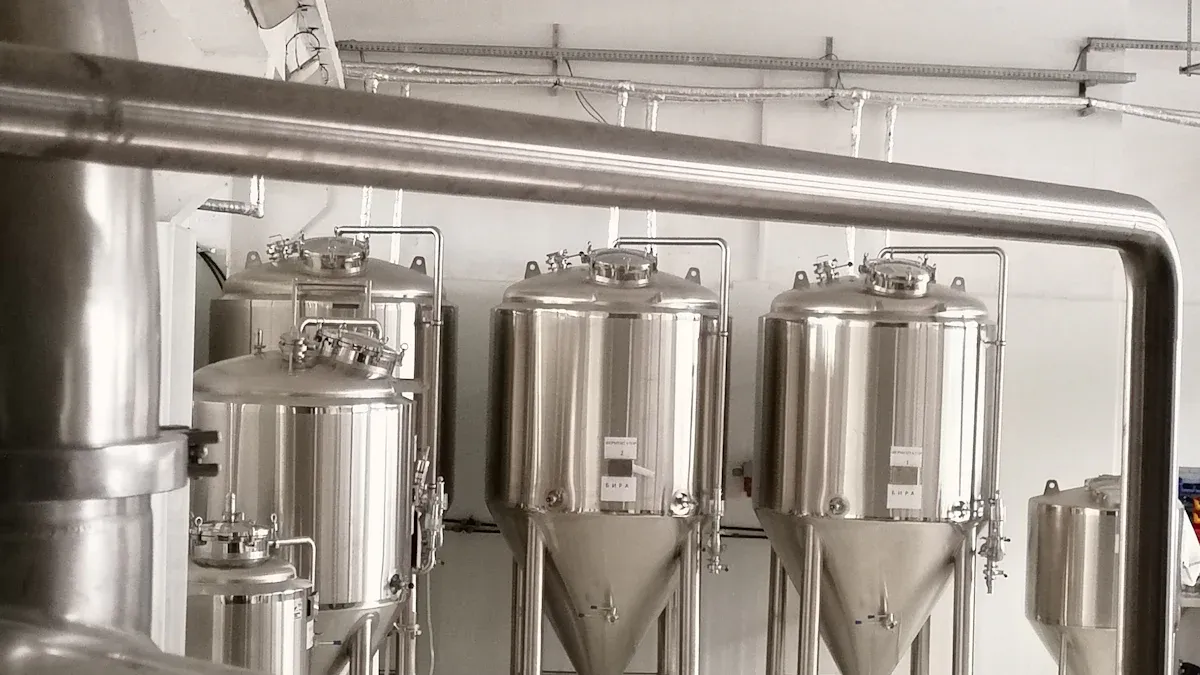
Protecting your brewhouse is a long-term commitment. Smart planning and organization are your best tools against unexpected downtime. You can extend the life of your equipment and secure your investment with two key strategies: detailed record-keeping and a well-stocked parts inventory.
A detailed maintenance log is the official history of your equipment. It tracks every repair, inspection, and service event. This record helps you spot recurring issues and prove you are following a consistent upkeep schedule. You can use a simple notebook or a digital system.
Modern breweries often use specialized software to manage their assets and maintenance plans. These tools can simplify your workflow.
💡 Pro Tip: A good log includes the date, the task performed, the technician’s name, and any parts used. This detail is invaluable for troubleshooting and future planning.
An equipment failure can halt production for days while you wait for a replacement part. You can avoid this costly delay by stocking critical spares. Having these items on hand turns a major crisis into a minor repair. You can work with suppliers like Burner Combustion Systems or F.W. Webb to source these components.
Consider keeping the following parts in your inventory.
| Part | Why It’s Critical |
|---|---|
| Fuel Nozzles | These wear out and are essential for proper combustion. |
| Igniter & Electrodes | A failed igniter means your burner will not start. |
| Fuel Filter Cartridges | You need these for your monthly filter changes. |
| Safety Relief Valve | This is a vital safety part that can wear out from testing. |
| Gaskets | These are often replaced during annual service to prevent leaks. |
Even with diligent maintenance, you may encounter issues with your oil heated brewhouse. Knowing how to identify the problem can save you time and stress. Some issues have simple fixes, while others demand professional attention.
Before calling for help, you can check for a few common problems. Many burner ignition failures have simple causes.
You should also trust your mash’s thermal mass. Avoid opening the mash tun lid frequently to check the temperature. This action causes significant heat loss. Applying direct heat mid-mash to correct temperature can also burn sugars and harm enzymes.
Certain symptoms signal a serious problem that requires an expert. Attempting to fix these issues yourself can be dangerous and may cause more damage. You should call a professional if you notice any of the following signs:
⚠️ Fire Hazard: Do Not Fix Fuel Leaks Yourself
A fuel leak creates an extreme risk of fire and explosion. A tiny spark can ignite fuel vapors. Professionals have the specialized tools and training to safely locate and repair leaks. A DIY repair can worsen the problem and lead to much higher costs. Always call for professional service if you suspect a fuel leak.
Your daily checks are your best defense against unexpected failures. Diligent cleaning of nozzles, cleaning of filters, and cleaning of heat exchangers is essential for efficiency. This regular cleaning, cleaning, cleaning, cleaning, and cleaning is non-negotiable. An annual professional service is a critical investment in safety and peace of mind. This proactive maintenance protects your oil heated brewhouse investment.
Major breweries see a rapid return on investment from this approach. At one facility, predictive maintenance technology paid for itself in just one year by making repairs faster and more efficient.
You should see a bright, steady orange-yellow flame. This color shows good combustion. A dark, smoky, or sputtering flame indicates a problem. You may need to clean the nozzles or check the air supply.
Soot buildup signals poor fuel combustion. It reduces your heating efficiency, which wastes fuel and money. Soot can also create dangerous carbon monoxide gas. You must clean soot immediately for safety.
Keeping critical spares prevents long shutdowns. You should stock essential items to make quick repairs.
You can check a few simple things before calling a pro.