


COPYRIGHT © 2022 COFF International Co., ltd. ALL RIGHTS RESERVED


A structured maintenance plan is the key to your oil heated brewhouse. This annual maintenance ensures the safety and efficiency of your equipment.
Following a preventative maintenance checklist protects your investment and ensures brewhouse safety.
Our maintenance tips will guide your annual professional servicing. Consistent maintenance is the best way to guarantee the safety of your brewhouse. Your brewhouse deserves this level of care.

While you handle daily upkeep, annual professional servicing is a different level of care for your oil heated brewhouse. This yearly maintenance is an investment in your brewery’s future. A professional brings specialized tools and expertise to ensure your system runs at peak performance. This comprehensive servicing is essential for long-term operational health and safety.
You might be tempted to handle all maintenance yourself, but a certified technician is crucial for complex systems. A professional inspection identifies issues you might miss, like hidden corrosion or wear. This proactive approach is fundamental to brewhouse safety and efficiency. The benefits of professional maintenance are clear.
When a qualified professional arrives for your annual maintenance, they perform several critical tasks. This ensures every component of your brewhouse is functioning correctly. Your technician should complete the following:
Finding the right partner for your annual servicing is important. You need a technician with proven experience. When vetting a service provider, ask them about their specific experience with your type of equipment.
Before hiring, confirm the technician is certified and insured. Ask for references from other breweries. A true professional will gladly provide this information.
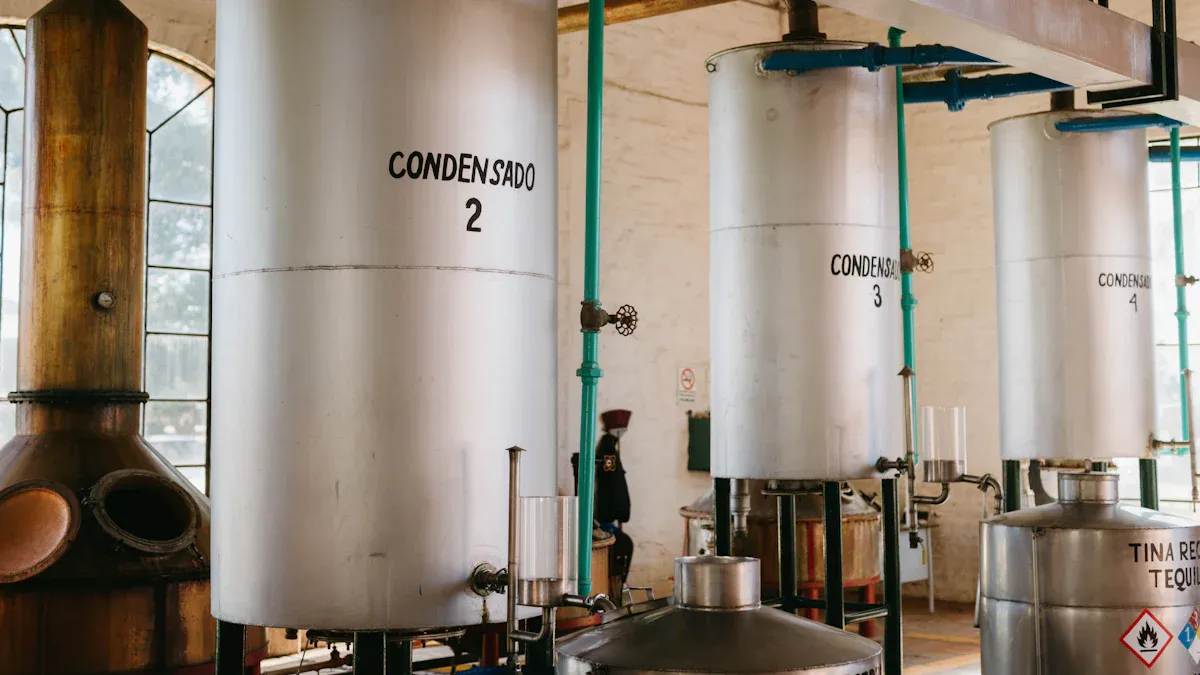
An annual deep clean is more than just tidying up. It is a core part of your brewhouse maintenance. This process goes beyond daily wipe-downs. You will tackle the hidden grime that impacts efficiency and safety. A thorough annual cleaning of the brewhouse ensures your equipment performs reliably for the year ahead.
Before you begin any maintenance, your top priority is safety. You must prevent any accidental startup of the equipment. Lockout/Tagout (LOTO) procedures are essential for protecting yourself and your team.
Important Note: Always treat any part of the boiler as a permit-required confined space. Follow all your brewery’s specific safety guidelines before entering.
Follow these steps to secure the brewhouse for maintenance:
Soot and carbon buildup in your combustion chamber acts like an insulator. This buildup forces your burner to work harder, which wastes fuel and drives up your costs. Smoke coming from the exhaust is a clear sign of incomplete burning. This creates more soot and carbon buildup and poses a serious fire hazard. Regular cleaning is critical for both efficiency and safety.
Once you have completed the LOTO procedures, you can start the cleaning processes.
This annual maintenance task keeps your brewhouse running efficiently and safely.
Fouling is the buildup of unwanted materials on your heat exchanger surfaces. These deposits create an insulating layer that harms your brewhouse in several ways.
| Impact of Fouling | Consequence for Your Brewhouse |
|---|---|
| Reduced Efficiency | The system uses more energy to heat your wort, increasing operating costs. |
| Increased Resistance | Your pumps must work harder, which consumes more power. |
| Quality Control Issues | Inconsistent heating can lead to local hot spots and affect your final product. |
| Equipment Strain | The entire system is under more stress, leading to potential breakdowns. |
Properly cleaning heat exchanger surfaces is a vital maintenance step. The most common method is Cleaning-In-Place (CIP). This process circulates chemical solutions through the unit, dissolving buildup without needing to take it apart. If your brewery equipment cannot use CIP, you will need to perform a manual cleaning. This involves removing the plates and cleaning them one by one with a pressurized water gun. Regular cleaning new equipment and existing systems prevents serious issues. A clean heat exchanger ensures consistent beer quality and lower energy bills.
Your fuel system is the heart of your oil-heated brewhouse. A clean and efficient fuel system ensures your burner operates correctly. This annual maintenance is vital for consistent heat, safety, and cost control. Routine visual inspections help you spot signs of wear or damage early. Finding problems before they grow prevents breakdowns and expensive repairs. This proactive maintenance keeps your brewhouse running smoothly.
A complete annual fuel system check involves several key steps. You should schedule a qualified technician for tasks that require specialized tools or expertise.
Pro Tip: Inspect your fuel pumps weekly. Look for any leaks on pumps, filters, hoses, and fittings. Early detection is your best defense against major system failures.
Recognizing the signs of a failing fuel system can save you from unexpected downtime. If you notice any of the following symptoms, your brewhouse may need immediate attention.
| Symptom | What It Could Mean |
|---|---|
| Reduced Heating Output | The burner runs but provides less heat, suggesting low fuel pump pressure. |
| Frequent System Lockouts | The system shuts down often and needs resets, pointing to poor ignition from incorrect fuel flow. |
| Loud or Unusual Noises | Whining or screeching sounds from the pump can indicate internal wear or air in the fuel lines. |
| Visible Oil Leaks | Drips around the pump or fittings signal that seals or gaskets are failing. |
| Black Smoke from Exhaust | This classic sign points to poor fuel atomization, often from a worn pump or a clogged nozzle. |
Proper fuel storage is a critical part of preventative maintenance. Fuel can hold contaminants that damage your equipment. Water is a common enemy. It enters tanks through condensation or faulty seals. Water promotes rust and can even freeze, blocking your fuel lines. Particulates like dirt and debris also cause significant wear.
To protect your equipment, always manage your on-site fuel storage tank carefully. Monitor your fuel quality and follow best practices when transferring fuel to your brewhouse system.
Your annual maintenance must include critical safety system verifications. These checks ensure your equipment has functional safeguards against catastrophic failure. This process is a non-negotiable part of protecting your team, your investment, and your entire brewhouse operation. Prioritizing these inspections guarantees a higher level of safety.
Your brewhouse uses safety relief valves (PRVs) to prevent dangerous over-pressurization. These valves are your system’s last line of defense.
This simple maintenance task is essential for the overall safety of your oil heated brewhouse.
In an emergency, you need to cut the fuel supply instantly. Your emergency fuel shutoffs must work without fail. Annual testing ensures these buttons or levers function correctly when you need them most. A technician will verify that the shutoff mechanism responds immediately, providing a crucial safety layer for your facility.
Proper ventilation is vital for your oil heated brewhouse. It supplies the fresh air needed for complete fuel combustion and safely removes harmful gases. Incomplete combustion can produce carbon monoxide (CO), a colorless, odorless gas that is extremely dangerous.
Safety Alert: Even low levels of CO exposure can cause serious health issues. Proper ventilation and regular maintenance are your best defense against this silent threat.
Annual inspections of your ventilation and exhaust systems are mandatory. Your technician should confirm your setup meets all local codes and manufacturer instructions. This includes checking for:
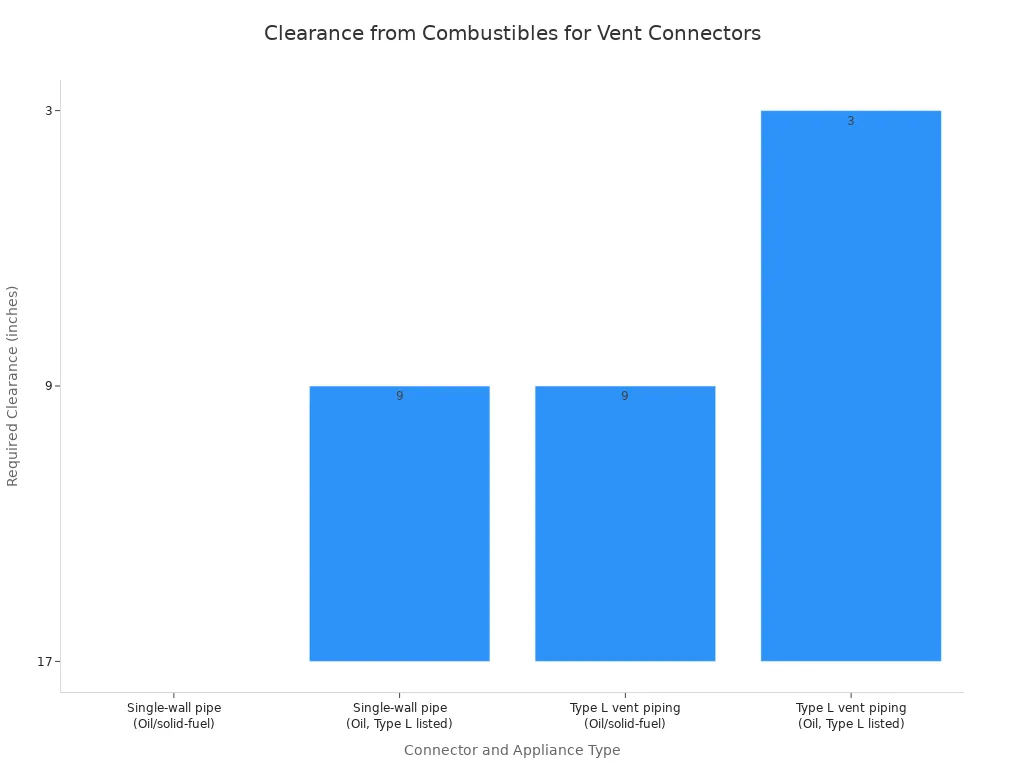
The following table outlines minimum clearances for different vent connectors.
| Component | Clearance from Combustibles |
|---|---|
| Single-wall metal pipe (standard oil appliance) | 17 inches |
| Single-wall metal pipe (appliance listed for Type L) | 9 inches |
| Type L vent piping (standard oil appliance) | 9 inches |
| Type L vent piping (appliance listed for Type L) | 3 inches |
Your annual maintenance plan should focus on performance and efficiency optimization. These steps ensure your brewhouse operates at its best, saving you money and energy. Consistent checks improve reliability and extend the life of your equipment. This proactive maintenance is an investment in your brewery’s long-term success.
Accurate readings are essential for brewing great beer. Your gauges for temperature, pressure, and flow provide the data you need for process control. When these instruments are inaccurate, you risk inconsistent batches and reduced efficiency. Annual calibration confirms your gauges are providing correct information. This simple maintenance task helps you maintain tight control over your brewing process, ensuring product quality and operational safety.
Proper system insulation is crucial for energy efficiency. Damaged or wet insulation forces your brewhouse to work harder, wasting fuel and money. Regular inspections help you find and fix these issues early. Damaged insulation can lead to significant energy loss.
These visual inspections are a key part of your annual maintenance routine.
The water inside your boiler directly impacts your system’s health and efficiency. Poor water quality leads to scale buildup and corrosion. This is why boiler and water-side maintenance is so important. Scale acts as an insulator on heat transfer surfaces, forcing your system to burn more fuel. Corrosion can create pits and even holes in your boiler tubes, leading to costly repairs and downtime.
Maintaining proper water chemistry is a critical part of your maintenance. It protects your investment and ensures your brewhouse runs smoothly.
You should test your boiler water regularly to ensure it meets ideal parameters.
| Parameter | Hot Water Boilers |
|---|---|
| pH (at operating temp) | 8.5–9.5 |
| Total Hardness | < 0.3 ppm |
| Alkalinity (as CaCO₃) | 50–150 ppm |
Ignoring water quality can have serious consequences.
Good documentation helps you plan for the future. It turns your annual service from a reaction into a strategy. This forward-thinking approach ensures your brewhouse remains a reliable asset for years to come. Proper planning is the final step in a complete maintenance cycle.
You should keep a detailed log of all maintenance activities. This record is your brewery’s history book. It helps you track repairs, spot recurring problems, and schedule future work. A good log makes troubleshooting much easier for you or a technician.
Your maintenance log is one of your most powerful tools. It provides clear data that helps you make smart decisions about repairs and upgrades for your brewhouse.
Your log should include:
Waiting for a part to arrive can shut down your production. Smart preventative maintenance includes having critical spare parts on hand. This simple step minimizes downtime and keeps you brewing. You can use your maintenance log to predict which parts you will need. The following table lists common parts to keep in stock.
| Replacement Part | Purpose | When to Replace |
|---|---|---|
| Gaskets | Seal joints, stop leaks | If you see oil stains |
| Valves | Control flow and pressure | If pressure drops |
| Sight Glasses | Check oil levels | If you spot cracks |
| Pumps | Move oil in the system | If flow slows down |
| Filters | Keep oil clean | If oil looks cloudy |
Your log may show that a specific component fails often. This is a sign that you need an upgrade, not just another repair. Planning for upgrades improves your system’s overall performance and reliability. When you decide to enhance your equipment, you should choose high-quality parts. COFF provides excellent stainless steel vessels and components designed for durability. Upgrading with professional-grade parts is a long-term investment in your brewery’s future.
You should view annual maintenance as a critical investment in your brewhouse’s safety and efficiency. Following this guide is the best preventative maintenance for your oil heated brewhouse. It prevents major failures and protects your investment. This essential maintenance ensures your brewhouse operates reliably.
Take action now. 📞 Schedule your professional servicing with a qualified professional. This dedicated servicing time is the most effective way to guarantee brewhouse safety.
You should schedule a professional service for your oil heated brewhouse annually. This yearly check is vital for system efficiency and safety. A professional technician has the tools to perform deep inspections and ensure long-term reliability.
No, you should never skip annual maintenance. Many problems are not visible. This preventative maintenance improves efficiency and safety. A professional can find hidden issues before they cause a major failure, protecting your investment.
Poor maintenance creates serious risks. It can lead to low efficiency, higher fuel costs, and equipment failure. Most importantly, it compromises safety. Regular inspections are essential for preventing fire hazards and dangerous gas leaks.
You can perform daily visual inspections.
These daily checks help you spot problems early. However, they do not replace the need for an annual professional review for overall system safety and efficiency.