


COPYRIGHT © 2022 COFF International Co., ltd. ALL RIGHTS RESERVED


Your oil heated brewhouse is the core of your brewing operation. Keeping it running smoothly is vital for producing great beer. Regular maintenance ensures your system operates safely and efficiently, preventing unexpected breakdowns. This preventative maintenance approach protects your investment and your production schedule. To help you, we’ve compiled a list of essential tips.
Note: Consistent annual maintenance is crucial for the long-term health of your oil heated brewhouse.
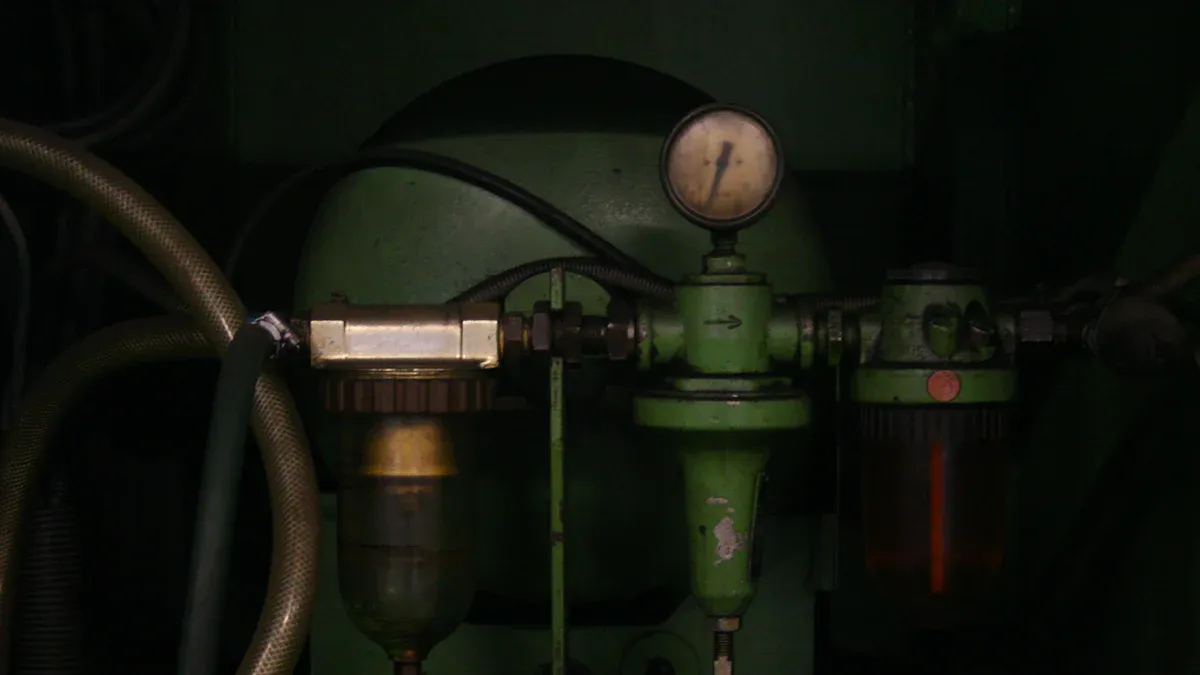
Consistent, simple checks are your first line of defense against major equipment failures. You can catch small problems before they become costly disasters. Making these inspections part of your routine is a fundamental part of your brewhouse maintenance plan. This proactive approach keeps your oil heated brewhouse safe and efficient.
Start each brew day with a quick walk-around of your equipment. This simple habit takes only a few minutes but provides valuable insight into your system’s health. Your senses are powerful diagnostic tools. Pay attention to anything that looks, sounds, or smells out of the ordinary.
Pro Tip: Use your ears as much as your eyes. A whistling sound can point to a blockage in a fuel line, while a rumbling noise may suggest sediment in the boiler. Any new grinding or whining sounds from a pump signal a need for closer inspection.
During your daily check, focus on these key areas:
These regular inspections are the cornerstone of preventative maintenance.
The color and shape of your burner flame tell you a lot about combustion efficiency. An inefficient flame wastes fuel and creates soot, which can damage your system over time. Once a week, take a moment to observe the flame while the burner is operating.
An ideal, efficient flame should be mostly blue with light blue triangles at its core. Small hints of yellow at the tips are generally acceptable. This indicates that the fuel is burning completely with the right amount of oxygen. A poor flame, on the other hand, is a clear warning sign.
Use this table to analyze your burner flame:
| Flame Characteristic | Healthy Flame | Potential Issue |
|---|---|---|
| Color | Bright yellow with orange glow | Dark spots or uneven red color |
| Shape | Strong, steady, and uniform | Weak, lazy, or sputtering |
| Efficiency | Heats the burner throat evenly | Creates soot or uneven heating |
If you see a lazy, dark, or smoky flame, it often means the burner nozzle is clogged or the fuel-to-air ratio is incorrect. Addressing this promptly improves the performance of your oil heated brewhouse.
Your brewhouse needs the right fluids at the right levels to run correctly. Low fluid levels can cause catastrophic damage to critical components like pumps and heat exchangers.
Before starting a heating cycle, always verify the thermal fluid level in the expansion tank. Low thermal fluid can starve the pump, leading to overheating and failure. Likewise, contamination from water can cause dangerous pressure spikes in the system.
Don’t forget about your main fuel supply. Running the tank too low can stir up water and sludge from the bottom, which can then clog your fuel filters and burner nozzles. Maintaining adequate fuel levels is a simple but essential piece of equipment maintenance.
Monthly checks go deeper than your daily inspections. These tasks are a core part of your preventative maintenance schedule. They help you find hidden issues before they affect your brew day. Consistent monthly maintenance keeps your oil heated brewhouse running safely and efficiently.
Fuel leaks are a serious fire hazard and waste valuable resources. Once a month, you should carefully inspect the entire fuel delivery system. Run your hand along the fuel lines, feeling for any wet spots or oily residue. Visually check all fittings and connections for signs of weeping or rust. A small drip can quickly become a major problem.
Pro Tip: Use a flashlight to get a clear view of hard-to-see areas, especially around joints and valves. If you smell fuel oil but cannot see a leak, the issue might be in a hidden spot. This requires immediate attention.
Your boiler operates under specific pressure levels for safety and performance. Most systems have a pressure gauge that shows the internal pressure. You need to check this gauge monthly when the system is both cold and hot. The pressure will naturally rise as the water heats up. Note the pressure readings in a logbook. This helps you spot gradual pressure loss, which could indicate a leak, or a faulty expansion tank. Any sudden or extreme pressure changes are a sign of a serious issue.
A clean and clear area around your furnace is essential for fire safety and proper operation. Your oil heated brewhouse needs adequate airflow to burn fuel correctly. Storing items too close can block vents and create a dangerous fire risk.
You must follow fire code requirements for minimum clearance distances. These rules protect combustible materials from the heat your furnace produces.
Regularly sweeping and decluttering the area is a simple but critical maintenance step.
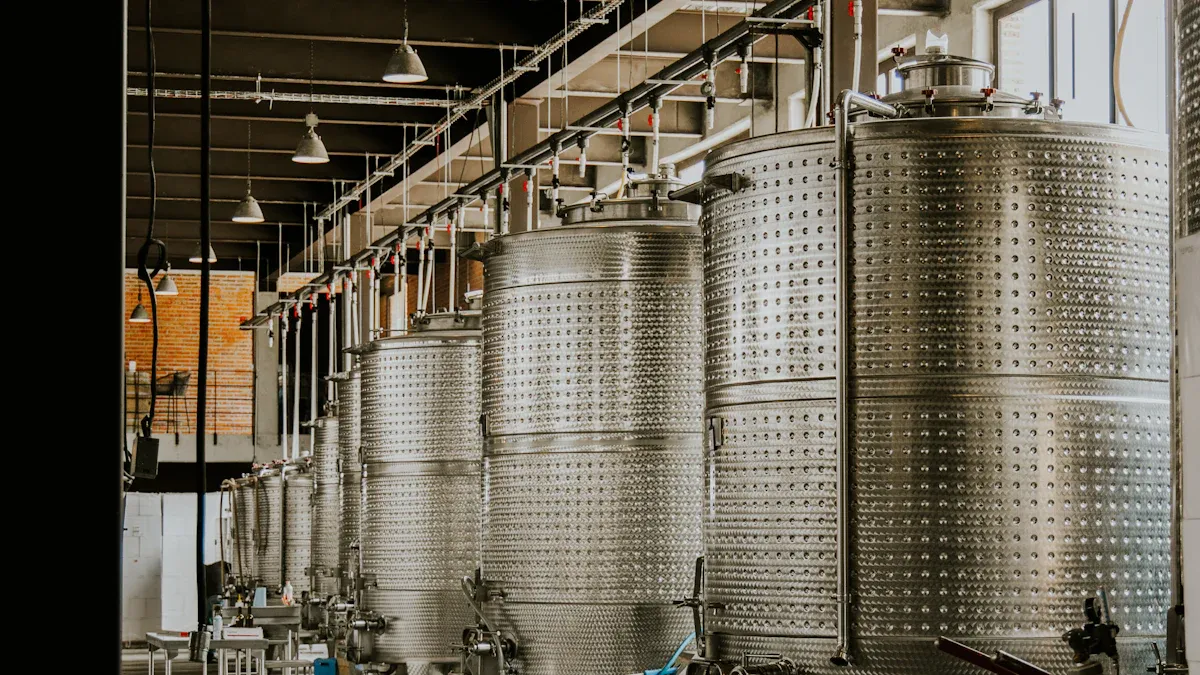
Deep cleaning goes beyond daily tidying. It involves detailed tasks that remove harmful buildup from your system’s core components. This level of maintenance is essential for efficiency, safety, and the quality of your beer. A clean oil heated brewhouse performs better and lasts longer.
Your burner creates soot and carbon as byproducts of combustion. Over time, this buildup coats the internal surfaces of your furnace. This layer of soot acts like an insulator. It forces your system to work harder and burn more fuel to achieve the same temperature. Regular cleaning is a critical maintenance task that saves you money and reduces wear on your equipment.
Before you begin any deep cleaning, safety must be your top priority. You must shut down the system and isolate all energy sources.
Safety First! ⚠️ Always follow proper Lockout/Tagout procedures to prevent the boiler from accidentally starting during cleaning. This protects you from serious injury.
You will need the right protective gear for this job.
Once you have taken all safety precautions, you can use boiler brushes and industrial vacuums to remove the soot. Pay close attention to the burner chamber and flue passages. A thorough cleaning restores your oil heated brewhouse to peak efficiency.
Your heat exchanger is vital for cooling your wort quickly. Mineral scale and beer stone can build up on its surfaces. This buildup creates two major problems. First, it dramatically reduces heat transfer efficiency, sometimes by 30-40%. This means your wort takes much longer to cool, slowing down your brew day. Second, these scale deposits can harbor bacteria and wild yeast, creating a contamination risk for your beer.
A Clean-In-Place (CIP) process is the most effective way to remove this buildup without taking the unit apart. You circulate cleaning solutions through the system to dissolve scale and organics.
Here is a common CIP regimen for a plate heat exchanger:
This cleaning and maintenance routine keeps your heat exchanger working efficiently and protects your beer from contamination.
The water inside your boiler is just as important as the fuel that heats it. Poor water quality can lead to scale and corrosion, which can destroy your boiler from the inside out. Hardness, caused by calcium and magnesium, creates scale that clogs pipes and reduces heat transfer. Improper pH can cause acidic corrosion that eats away at metal surfaces.
Managing your boiler’s water chemistry is a key part of preventative maintenance. You should test your boiler feedwater regularly. Your goal is to keep key parameters within the target ranges for your system’s pressure.
| Parameter | Low Pressure Steam (<300 psi) |
|---|---|
| pH (at operating temp) | 10.5–11.5 |
| Total Hardness | < 0.3 ppm |
Low pH can cause severe acid attacks on the metal in your oil heated brewhouse. You can prevent this by using water softeners to reduce hardness and chemical treatments to adjust the pH. This proactive approach prevents scale and corrosion, extending the life of your equipment and ensuring safe operation.
Your safety systems are your ultimate protection against equipment failure and accidents. Verifying them is a non-negotiable part of your maintenance schedule. These checks ensure that your emergency controls will work when you need them most, protecting your staff and your brewery.
Pressure relief valves (PRVs) are crucial safety devices. They prevent your tanks from becoming over-pressurized. You must test them regularly to ensure they function correctly. A faulty valve can lead to catastrophic failure.
Pro Tip: When you manually test a PRV, you are looking for specific signs of a healthy valve. Blockages from fermentation residue or mineral buildup are common causes of failure.
During a test, you should check for the following:
Your emergency fuel shutoff systems must work instantly. You should test the emergency buttons to confirm they cut the fuel supply immediately. This simple maintenance step is vital for the safe operation of your oil heated brewhouse. Many insurance carriers also require annual through-leakage testing. This process confirms the valves do not leak fuel when closed. Always follow the manufacturer’s specific procedures for testing safety shutoff valves to ensure it is done correctly and safely.
Proper ventilation is essential for air quality and safety. Your oil heated brewhouse produces invisible gases that can be dangerous. Incomplete combustion can create carbon monoxide (CO), while fermentation releases carbon dioxide (CO2). Your ventilation system removes these harmful gases. OSHA provides guidelines for ventilation, requiring that exhaust systems discharge to the outside air. You must also supply fresh makeup air to the room and inspect your duct systems regularly for damage.
You can boost your brewery’s performance and save on fuel costs with targeted optimization. These steps improve the efficiency of your oil heated brewhouse. They also ensure your system runs reliably for every batch.
Your system loses heat from uninsulated pipes and tanks. This heat loss forces your heater to work harder and waste fuel. You should inspect all insulation for damage, gaps, or wet spots.
Accurate temperature and pressure readings are essential for brewing consistent beer. Your gauges and transmitters can drift over time. This can affect your product quality and safety.
Best Practice: You should calibrate critical instruments every 6 to 12 months. This includes gauges for your mash tun and fermentation tanks. Keeping a log of these calibrations helps you track performance and stay compliant with safety standards.
The burner nozzle is a small but vital part of your oil heated brewhouse. It atomizes fuel for efficient burning. A dirty or worn nozzle wastes fuel and creates a poor flame. While some parts can be cleaned, nozzles are difficult to service correctly.
Most service professionals recommend replacing the nozzle every year. This simple replacement is more cost-effective than trying to clean an old one. A new nozzle ensures you get optimal performance and helps maintain a clean, efficient flame.
Sometimes, maintenance reveals that a component has reached the end of its life. Upgrading parts of your system is a smart way to boost efficiency and reliability. When you choose to upgrade, you should select components from a trusted manufacturer. This ensures you get high-quality equipment that integrates smoothly into your brewhouse.
Did You Know? 💡 NingBo COFF Machinery Co., Ltd is a founder of the oil heated brewhouse. They are a top professional designer and manufacturer of high-quality craft beer brewing equipment.
Choosing COFF for your upgrades gives you access to industry-leading expertise. They focus on customer-oriented research and development. This means their products are designed with your brewing process in mind. COFF aims to highlight artistic style in every detail. This attention to craftsmanship results in high-quality products and excellent service.
Upgrading with COFF components offers several key advantages:
When you invest in an upgrade, you are investing in the future of your brewery. Choosing a manufacturer like COFF helps you build a more efficient, safe, and profitable brewhouse.
Proactive maintenance protects your brewery from costly downtime and safety risks. Your daily checks are crucial, but they support professional service. They do not replace it.
The Golden Rule: Annual maintenance, annual maintenance, annual maintenance, annual maintenance, annual maintenance, annual maintenance, annual maintenance, annual maintenance, annual maintenance, annual maintenance is the key to long-term success.
A well-maintained brewhouse from a trusted manufacturer like COFF is an efficient, safe, and profitable asset for your business.
You should schedule professional servicing annually. This expert check is vital for safety and efficiency. It complements your daily and monthly checks but does not replace them. A professional can spot complex issues you might miss during routine inspections.
The most common mistake is skipping routine checks. Small issues like a dirty filter or a minor leak can become major, costly problems. Consistency is the key to preventing expensive downtime and ensuring safety in your brewery.
You should avoid cleaning the nozzle. It is a delicate component that is difficult to service correctly. For best performance and efficiency, you should replace the nozzle annually. This is a cost-effective way to ensure a clean burn.
A healthy flame is bright yellow with an orange glow. It should look strong and steady, not weak or sputtering. This indicates efficient combustion. A dark or smoky flame means your system needs attention to prevent soot buildup.