



COPYRIGHT © 2022 COFF International Co., ltd. ALL RIGHTS RESERVED


Your oil heated brewhouse is the heart of your brewery. Consistent maintenance is non-negotiable for operational safety and top-tier beer quality. A strong preventative maintenance plan for your brewhouse helps you avoid costly, unexpected shutdowns. Diligent maintenance keeps your system running smoothly, protecting your team and your investment.
Tip: A proactive approach to brewhouse care significantly cuts downtime. See how predictive maintenance improved key metrics:
KPI 2023 2024 2025 (est.) Unplanned downtime (hrs/quarter) 12 9 6 This focus on safety and upkeep ensures every brew is a success. 🍺
A consistent maintenance schedule is the foundation of a reliable oil heated brewhouse. Breaking down tasks into daily, monthly, and annual routines makes the process manageable. This structured approach to preventative maintenance ensures your equipment operates safely and efficiently. Following a checklist protects your brewhouse investment and guarantees consistent beer quality. This master list organizes your essential maintenance tasks.
Your daily and weekly habits have the biggest impact on your brewhouse. These frequent checks help you spot small issues before they become big problems.
Monthly checks involve a more detailed inspection of key components. This level of maintenance keeps your system running at peak efficiency.
Note: Regular maintenance is crucial. Issues like strange noises, repeated errors, or leaks often require a professional. Do not hesitate to call for service when you are unsure.
An annual professional service is a vital part of your long-term care plan. A qualified technician can perform deep system checks that go beyond routine maintenance.
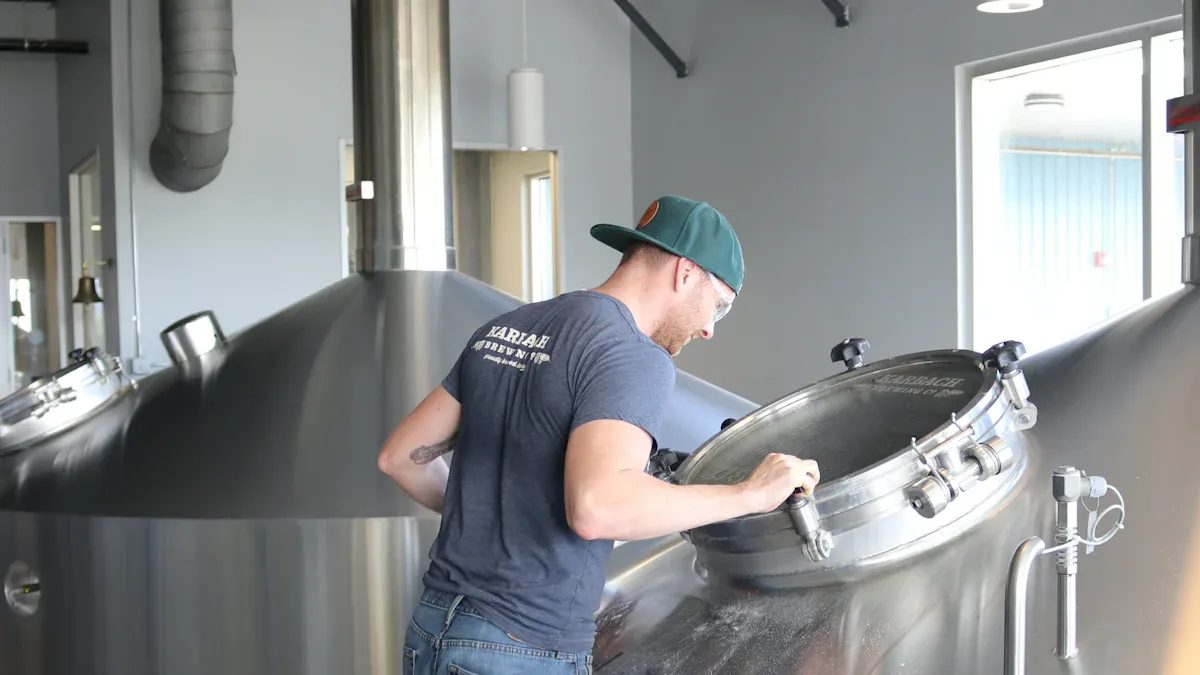
An oil-heated brewhouse is a significant investment. Protecting it requires consistent care. Daily and weekly maintenance routines are your first line of defense against unexpected problems. These simple, regular checks help you catch small issues before they turn into costly repairs. This proactive approach ensures your brewhouse operates safely and efficiently, brew after brew.
Here’s a breakdown of the essential daily and weekly tasks that will keep your system in top condition.
Start each brew day with a walk-around of your equipment. Daily visual inspections are a quick yet powerful way to spot potential trouble. Your eyes are a critical maintenance tool. Look for anything out of the ordinary.
Your brewhouse needs the right amount of fuel and thermal oil to run correctly. Checking these levels is a non-negotiable part of your daily routine. Running low on either can cause serious damage or shutdowns.
Pro Tip: Always keep your fuel tank at least one-quarter full. This simple step prevents air and sediment from being pulled into the fuel lines, which can clog filters and stop your burner from working.
Follow these steps to verify your fluid levels:
The burner is the engine of your oil-heated system. Its performance directly impacts your brewhouse efficiency and beer quality. Pay close attention to how it operates every time you fire it up. A healthy burner should start smoothly and produce a steady, consistent flame.
Listen for any unusual noises during startup or operation, like sputtering or banging. Watch the flame for any signs of instability, such as wavering, lifting off the burner head, or changing color. These symptoms can point to issues with the fuel supply, air mixture, or ignition components. Consistent monitoring is a key piece of your maintenance puzzle, helping you ensure reliable and efficient heating.
A clean brewhouse is a safe and efficient brewhouse. Regular cleaning of external surfaces does more than just make your equipment shine. It removes grime that can hide potential problems like small leaks or cracks. This simple maintenance task also prevents the buildup of dust and debris that could become a fire hazard near the burner.
For general cleaning, you should use mild detergents. Avoid harsh, abrasive cleaners or steel wool, as these can scratch the stainless steel finish. It is critical to never use sodium hypochlorite bleach on your equipment because it can cause permanent damage. A consistent cleaning schedule is a cornerstone of your maintenance program.
Chemical Safety Note: ⚠️ Never mix different cleaning chemicals. Mixing can create dangerous gases or reduce the effectiveness of the products. Always follow the manufacturer’s instructions for dilution and use.
Here are some effective agents for keeping your stainless steel surfaces in top condition:
Your control panel is the brain of your oil-heated system. It gives you real-time data on the performance of your brewhouse. Verifying these readings daily helps you confirm that everything is operating within safe and effective limits. This proactive check is a vital part of your daily maintenance routine.
You should get into the habit of logging key readings before each brew session. This creates a performance history for your equipment. A detailed log helps you spot gradual changes over time that might signal a need for service. Key parameters to watch include:
Some of these parameters have very specific targets for ensuring beer quality. Comparing your live readings to established benchmarks is essential.
| Parameter | Normal Range |
|---|---|
| Mash pH | 5.2–5.4 (room temp) |
| Calcium levels | 50–100 ppm |
| Package TPO | <100 ppb |
If you notice any readings that are consistently outside the normal range or see sudden, unexplained changes, investigate the cause immediately.
While daily checks are crucial, monthly maintenance tasks require you to look deeper into your system’s health. These essential monthly maintenance checks help you address wear and tear before it leads to a breakdown. This level of care ensures your brewhouse operates with maximum efficiency and safety.
Your pressure relief valves (PRVs) are one of the most important safety features on your brewhouse. These safety relief valves protect your tanks from dangerous over-pressurization. A malfunctioning PRV can lead to catastrophic equipment failure, putting your staff and your investment at risk. Operating with a faulty valve can also cause a vacuum to form in a tank, which may lead to a total collapse and implosion of the vessel.
These critical safety system verifications are non-negotiable. Inconsistent pressure from a bad valve can also ruin a batch of beer. You should manually test your PRVs every month.
Safety First: Always wear appropriate personal protective equipment (PPE), including safety glasses, when testing PRVs. Follow the manufacturer’s specific instructions for testing procedures.
Gently pull the test ring or lever on each valve. You should hear a brief hiss of escaping pressure, and the valve should reseat firmly once you release it. If a valve leaks, fails to open, or does not close properly, you must replace it immediately.
The burner nozzle atomizes fuel oil into a fine mist for efficient combustion. Over time, the nozzle’s tiny opening can wear out or become partially blocked. This leads to poor flame quality, increased soot, and wasted fuel.
You should never attempt to clean an oil burner nozzle. The internal passages and sintered bronze screen are designed to catch particles smaller than 10 microns. Cleaning cannot effectively remove these tiny particles. Any attempt to clean the nozzle can alter its precise spray pattern and create liability issues. The only correct maintenance procedure is replacement.
Follow these steps for proper nozzle service:
A clogged fuel filter is a common cause of brewhouse heating problems. The filter’s job is to capture impurities like dirt, rust, and sludge before they reach the burner. When the filter gets clogged, it restricts fuel flow. This blockage forces your system to work harder, reduces efficiency, and can lead to burner lockouts.
A dirty filter directly impacts your brewhouse performance and operating costs.
| Impact of Fouling | Consequence for Your Brewhouse |
|---|---|
| Reduced Efficiency | The system uses more energy to heat your wort, increasing operating costs. |
| Increased Resistance | Your pumps must work harder, which consumes more power. |
| Quality Control Issues | Inconsistent heating can lead to local hot spots and affect your final product. |
| Equipment Strain | The entire system is under more stress, leading to potential breakdowns. |
Clean fuel filters are crucial for the health of your oil-heated system. You should inspect the fuel filter monthly and replace it as part of your regular maintenance schedule, or sooner if you notice signs of poor combustion. This simple task prevents contaminants from damaging the oil pump or clogging the atomizing nozzle, ensuring reliable operation and protecting your equipment.
Loose or damaged electrical connections are a serious fire hazard in any brewhouse. Your monthly maintenance routine must include a careful inspection of your system’s wiring. Vibration, heat, and moisture can cause connections to loosen or corrode over time. You should always turn off the main power to the equipment before performing any inspection.
Look closely at all wiring, terminals, and control panels. You are searching for any signs of trouble that could lead to a system failure or a dangerous situation.
If you find any loose connections, you can tighten them. However, if you see any signs of corrosion, melted insulation, or scorching, you should contact a qualified electrician immediately. Do not attempt to repair these issues yourself.
The low-water cutoff is a critical safety device on your oil-heated system. It automatically shuts down the burner if the thermal fluid level drops too low. This action prevents the heating chamber from overheating and suffering catastrophic damage. Testing this function monthly is a non-negotiable part of your brewhouse maintenance plan.
Safety Note: ⚠️ A failed low-water cutoff can lead to expensive repairs and dangerous operating conditions. Always follow your manufacturer’s specific testing guidelines.
You can perform two types of tests. The “slow” test is often preferred as it more closely mimics a real-world failure.
Slow Low-Water Cutoff Test
Soot is the black, powdery residue left behind by incomplete combustion. A small amount can be normal, but a heavy buildup signals a problem with your burner system. Soot acts as an insulator, which forces your system to burn more fuel to achieve the same temperature. This reduces efficiency and increases your operating costs. Proper cleaning is essential.
Several issues can cause excessive soot. Understanding them helps you troubleshoot problems quickly.
| Cause | Description |
|---|---|
| Incomplete Combustion | The oil is not burning completely, leaving carbon behind as soot. |
| Ventilation Issues | A blocked vent or exhaust pipe traps combustion byproducts, causing soot to form. |
| Burner Problems | A clogged fuel nozzle or a fuel pipe leak can disrupt the air-fuel mixture. |
| Shutdown Faults | If the burner nozzle does not close correctly, it can spill fuel that turns to soot on the next startup. |
Regular cleaning and inspection of the burner and exhaust flue are necessary to manage soot. If you notice a sudden increase in soot, it is a clear sign that your system needs professional maintenance to identify and fix the root cause.
A clean heat exchanger is vital for efficient heating and cooling in your brewhouse. Buildup inside the plates reduces heat transfer, wastes energy, and can harbor bacteria that spoil your beer. Proper cleaning the heat exchanger is a critical step in your maintenance schedule.
You should clean your heat exchanger immediately after every brew day. This prevents wort solids from drying and hardening onto the plates. A consistent post-brew cleaning routine is your best defense against tough buildup.
Beer stone, or calcium oxalate, is a hard mineral deposit that can build up over time. This buildup acts like an insulator, making your heat exchanger less effective. It also creates a rough surface where bacteria can hide, making it impossible to properly sanitize. This can lead to corrosion and permanent damage to your equipment. You will need a more aggressive cleaning cycle to remove it.
A common deep cleaning method involves two steps:
- Recirculate a hot alkaline (caustic) solution to break down organic soils.
- Follow with a hot acid solution to dissolve the mineral-based beer stone.
Choosing the right chemicals is essential for effective cleaning and equipment longevity. Your standard cleaning processes should always prioritize safety.
Properly cleaning the brewhouse requires strict attention to safety. Always wear appropriate personal protective equipment (PPE), including gloves and safety glasses, when handling chemicals. Never mix different chemicals, and always follow the manufacturer’s instructions for dilution and temperature.
Your daily and monthly routines are essential, but some tasks require a professional touch. Annual maintenance and timely repairs protect your brewhouse from major failures. This level of care ensures long-term reliability and peak performance.
You should schedule an annual professional servicing for your oil burner. A qualified technician performs a deep inspection that goes beyond your regular maintenance. This yearly servicing is a critical investment in your brewery’s safety and efficiency. A professional 18-point tune-up often costs around $245. This service includes replacing key components, cleaning internal parts, lubricating motors, and performing a full efficiency test to ensure optimal combustion.
Accurate measurements are the foundation of great beer. Over time, your instruments can drift, leading to inconsistent batches. A full system calibration brings your equipment back to its precise standards. While some instruments need frequent checks, an annual review ensures everything is aligned.
Damaged insulation on your pipes and vessels wastes a surprising amount of energy and creates serious risks. Regular wash-downs can let moisture seep into insulation, causing corrosion and reducing efficiency. You must inspect your insulation annually and repair any tears, cracks, or damage immediately.
According to Steve Oslica of Pittsburgh Corning Corporation, “Up until 10 years ago, the brewery contingent didn’t realize the serious effect of corrosion on pipes and vessels. It has become a significant factor now when choosing a system.”
Poor insulation directly impacts your energy costs and process control.
| Hot System (230°F) | Rated Energy Loss | Actual Energy Loss (Damaged) |
|---|---|---|
| BTUs/hr/sq ft | 14 | 125 |
This energy loss makes it harder to maintain precise temperatures, which can affect your final product. Proper insulation maintenance is key to protecting your equipment and your bottom line.
Thermal oil is the lifeblood of your heating system. A leak is a serious problem. Leaking oil creates a significant fire hazard and can damage your flooring and equipment. This check is a vital part of your annual maintenance plan.
You should carefully inspect the entire thermal fluid circuit. Look for drips or dark, oily stains around key areas.
Pro Tip: A small leak can be hard to spot. Place clean cardboard under the pump and heater overnight. Any drips will be easy to see in the morning. Address any leak, no matter how small, immediately to ensure safety and system integrity.
Gaskets and seals prevent leaks and maintain pressure throughout your brewhouse. They wear out over time from heat, pressure, and cleaning chemicals. Replacing them is a fundamental part of your equipment maintenance. Worn seals can lead to product loss, contamination, and safety issues.
Your annual service is the perfect time to inspect and replace these critical components. You should keep a stock of common gaskets to avoid downtime. Key seals to check include:
During your maintenance inspection, look for specific signs of failure.
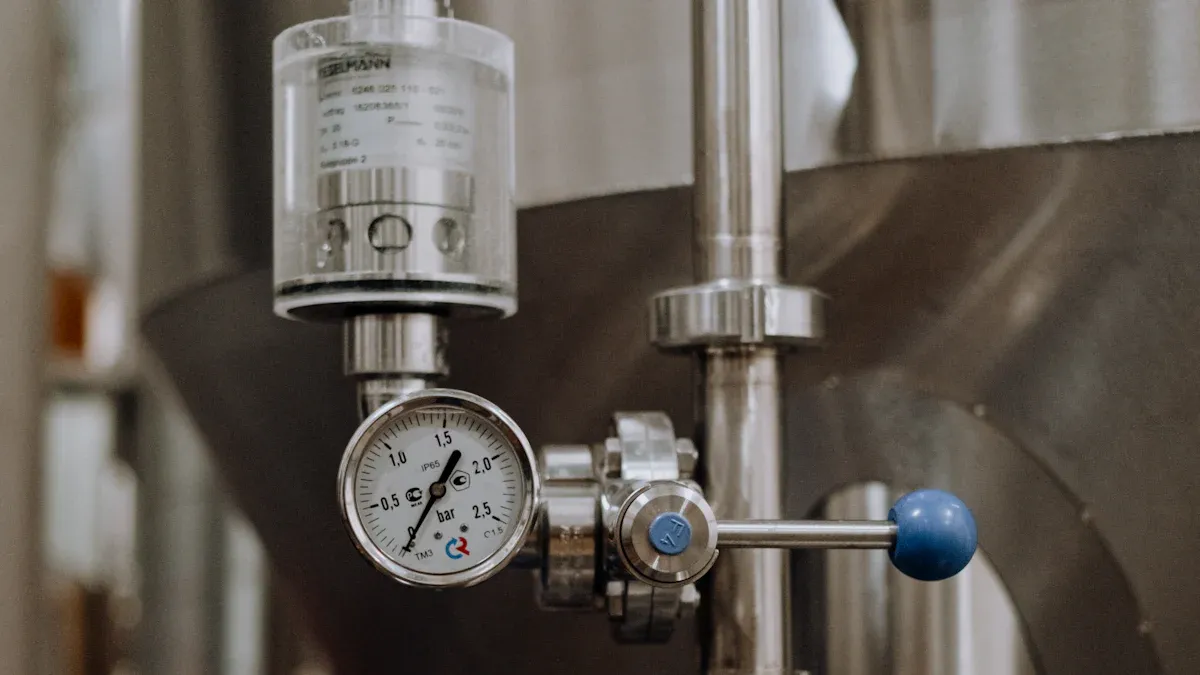
Beyond routine maintenance, you can take steps for performance and efficiency optimization. These practices help you get the most out of your equipment. A well-tuned system saves money and produces better beer.
A steady flow of wort through your heat exchanger is crucial for even heating. Inconsistent flow rates can create hot spots. This can scorch the wort and affect your beer’s final flavor. You should use a variable frequency drive (VFD) on your pump. A VFD gives you precise control over the flow rate. This ensures gentle, consistent heating every time.
Tracking data is the best way to understand your brewhouse performance. You should keep a detailed log for every batch. This log helps you spot trends and identify areas for improvement. Brewhouse efficiency is a key metric. It measures how well you convert malt into wort, with a typical range of 80% to 90%.
Comparing this data over time shows you how maintenance and process changes affect your results.
Your brewhouse is a complex system. When you need to replace a part, quality matters. Using reliable, high-quality components ensures your equipment runs safely and efficiently. COFF provides excellent parts designed specifically for your system. Sourcing from a trusted manufacturer like COFF guarantees a perfect fit and long-term reliability. This protects your investment and prevents unexpected downtime.
Proactive maintenance is the key to a reliable and long-lasting oil heated brewhouse. You protect your investment and ensure staff safety by making these checklists part of your routine. This preventative maintenance helps you avoid dangerous issues like oil leaks and fires. Your commitment to brewhouse safety and upkeep pays off.
A well-run brewhouse is a profitable brewhouse. Strong maintenance programs help breweries save thousands of man-hours and boost production efficiency. Consistent maintenance guarantees your system runs smoothly and safely. 🍺
You should never try to clean a burner nozzle. You must replace it during your monthly maintenance or if you notice poor flame quality. This simple step ensures your system burns fuel efficiently and operates correctly.
Look for excessive soot, strange noises from the burner, or frequent system lockouts. These signs often point to a problem that requires a qualified technician to diagnose and repair safely. Do not ignore these warnings. ⚠️
Beer stone and organic soil are the most common causes. This buildup insulates the plates and reduces heat transfer. You should perform a deep cleaning with an alkaline wash followed by an acid wash to restore performance.
You should always source parts from a trusted manufacturer. COFF provides high-quality components designed specifically for your system. Using reliable parts guarantees a perfect fit and protects your equipment from unexpected downtime and costly repairs.