

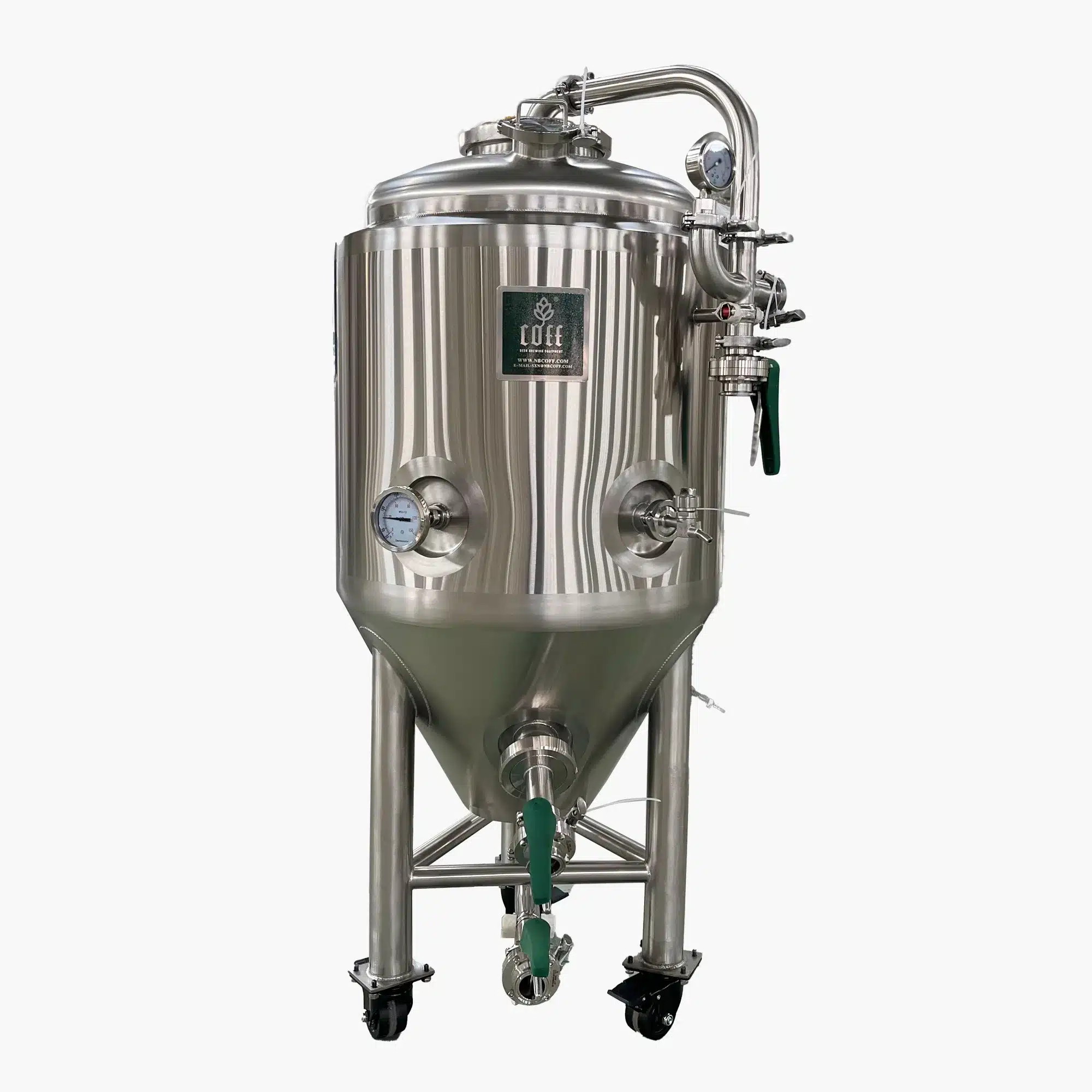

COPYRIGHT © 2022 COFF International Co., ltd. ALL RIGHTS RESERVED

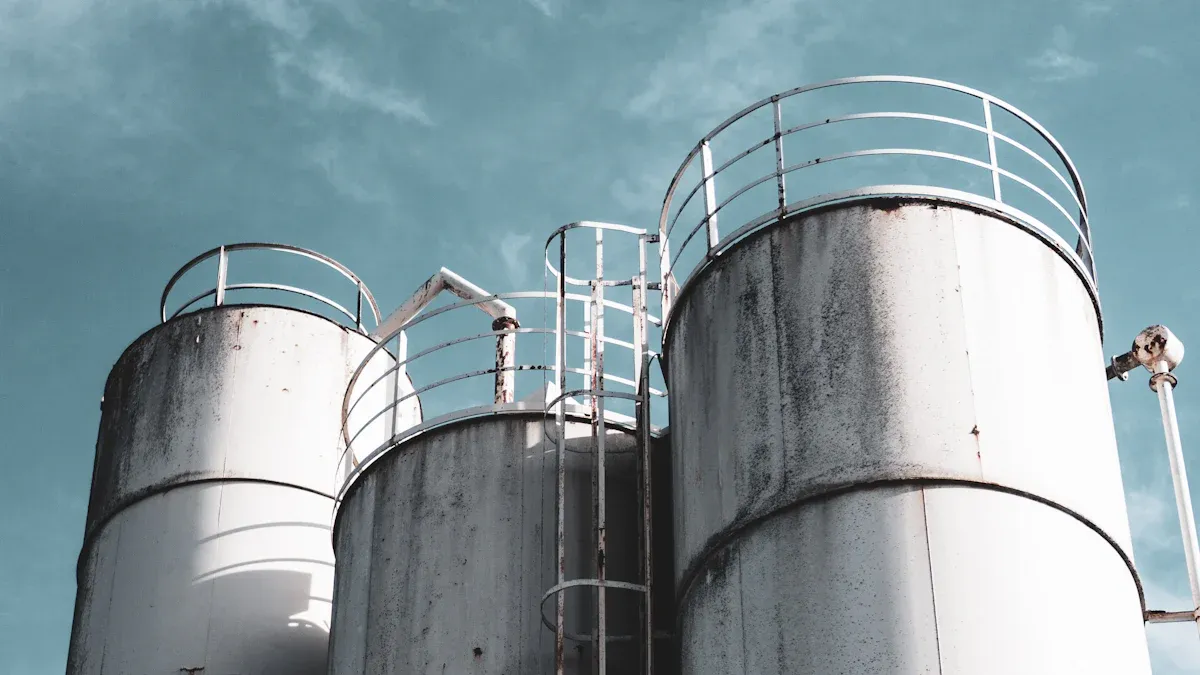
When you buy a mash tun distillery system, you make a decision that shapes your spirit’s flavor and quality. Your system affects enzyme activity, which controls how well starches turn into sugars. Distillers track enzymes like α-amylase and β-amylase, along with limit dextrinase and α-glucosidase. Milling choices also matter. Fine milling increases ester concentration, while more husk can lower esters. The right system helps you manage these details and supports your distillery’s success.
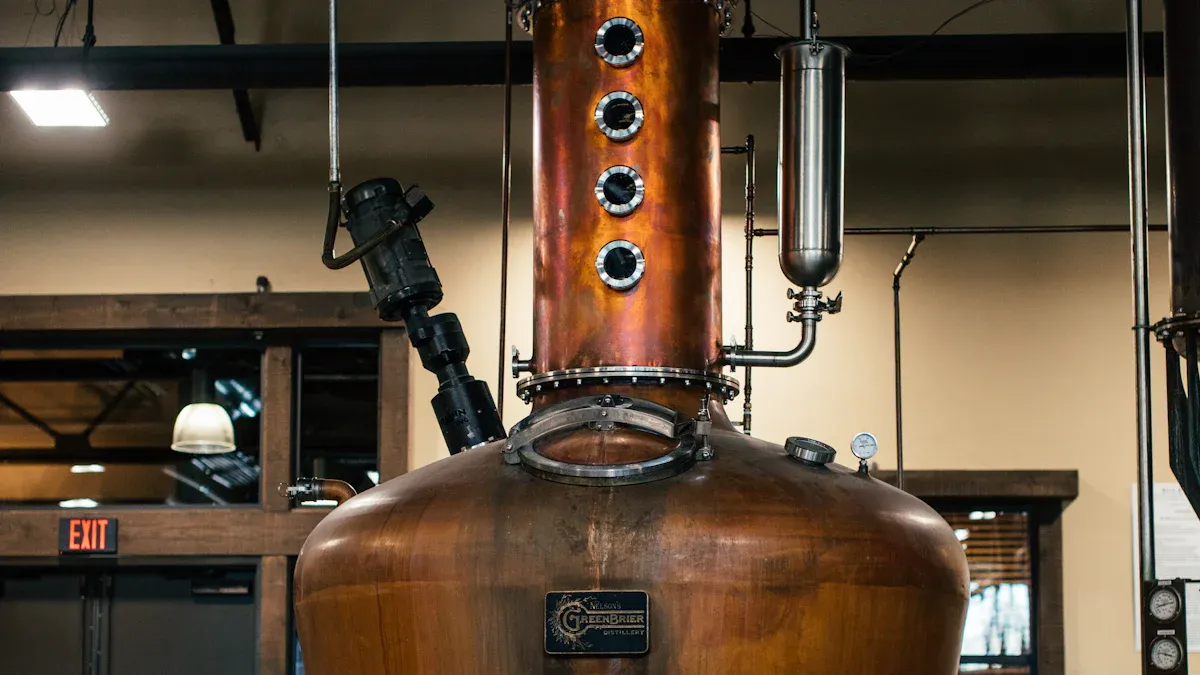
You start your distillation process in the mash tun distillery. Here, you mix milled grains with hot water. The temperature stays between 62°C and 67°C (144–153°F). This range activates enzymes in the malt. These enzymes break down starches into fermentable sugars. The mash tun distillery uses a false bottom with a screen. This design separates the spent grains from the liquid. The result is wort, which you send to fermentation. The quality of this step shapes the flavor and aroma of your final spirit.
Tip: Keep a close eye on temperature. Stable heat ensures enzymes work at their best.
You can choose from several types of mash tun distillery systems. Each type offers different levels of efficiency and productivity. Here is a quick comparison:
| Type of Mash Tun | Efficiency in Sugar Extraction | Features for Productivity |
|---|---|---|
| Mash Tun | Moderate | Basic mashing and enzymatic digestion |
| Lauter Mash Tun | High | Combines mashing and lautering for efficiency |
| Separate Mash and Lauter Tuns | Very High | Optimized for larger commercial setups |
Most commercial distilleries use mash tuns for whiskey and lauter tuns for vodka, gin, and Scotch-style spirits. You should size your mash tun at least as large as your distillation kettle.
COFF offers mash tun distillery systems with features that help you achieve consistent results. You get precise temperature control, which keeps your batches uniform. The user-friendly interface makes operation simple for your team. Automated cleaning cycles help you maintain hygiene and reduce flavor contamination. COFF systems also support fast brewing times, with some batches finishing in just 45 minutes. You can choose from multiple models, such as Hardtank 20, 1T, 2T, and Baby Hardtank, to fit your business needs. Integrated automation lets you monitor and optimize your process remotely, saving time and energy.
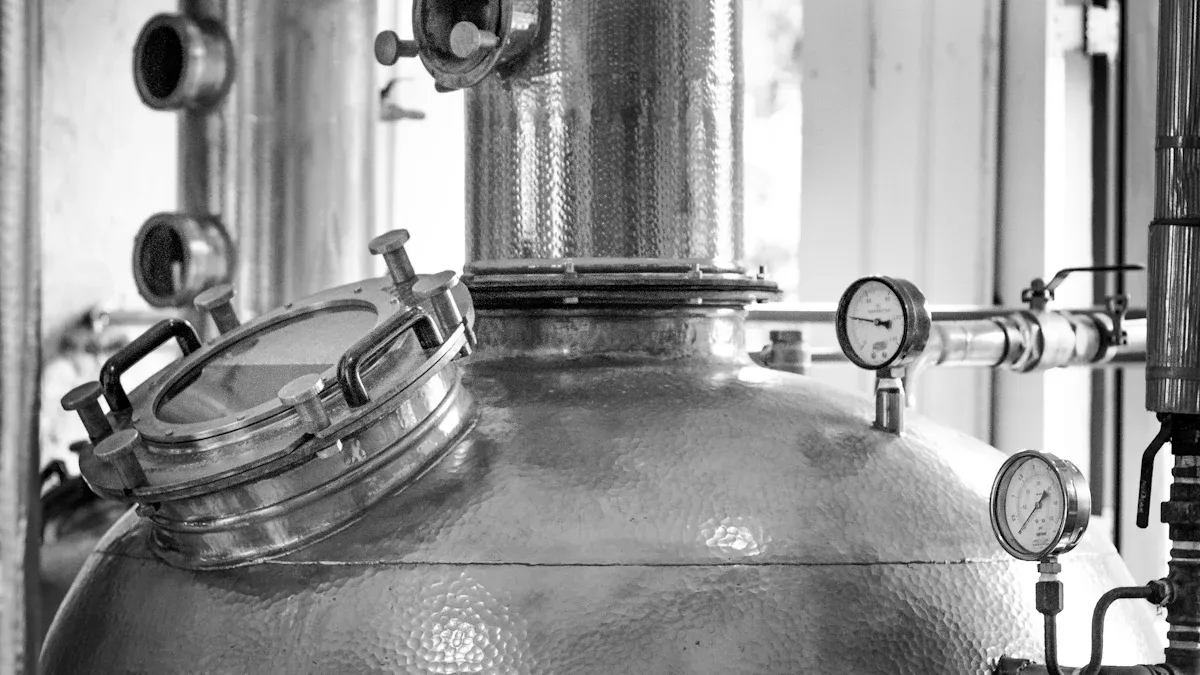
You need to choose the right size for your mash tun distillery. The capacity affects how much spirit you can produce in each batch. If you plan to scale up production, select a system that matches your future goals. Small systems work well for craft or pilot batches. Large systems suit commercial operations. The table below shows typical capacity ranges for different system types:
| System Type | Capacity Range |
|---|---|
| Mash Tun | 5 to 20 barrels |
| Mash Filter | 25 to 200 barrels |
A mash tun with a larger capacity lets you increase output without buying new equipment. If you want flexibility, pick a system that can handle both small and large batches. You should also consider the space in your distillery. Make sure the system fits your layout and workflow.
Tip: Plan for growth. Choose a mash tun distillery that supports your business as it expands.
The material of your mash tun affects durability and product quality. Stainless steel is the most popular choice. It resists corrosion and is easy to clean. Some systems use copper for its heat conductivity and traditional look. Copper can add character to certain spirits, but it needs more maintenance. You should avoid materials that react with your mash or are hard to sanitize. Stainless steel offers a smooth surface, which helps prevent bacteria buildup. You get a longer-lasting system and better hygiene.
Note: Always check that your mash tun distillery meets safety codes and government regulations. This keeps your operation safe and legal.
Heating is a key part of the mashing process. You can choose from steam, electric, or oil heating methods. Each method has its own impact on energy use and operational costs. Steam heating is common in large distilleries. It provides steady heat and dominates the energy profile of the brewhouse. Electric heating works well for smaller setups. It is easy to control and install. Oil heating offers precise temperature control and is efficient for certain applications.
Here is a comparison of heating methods and their energy profiles:
| Heating Method | Energy Consumption (kgce/kL) | Exergy Efficiency (%) | Notes |
|---|---|---|---|
| Steam | 9.52 | N/A | Dominates brewhouse energy profile |
| Electric | N/A | N/A | Suitable for small-scale systems |
| Oil | N/A | N/A | Offers precise temperature control |
| Wort Cooler | 3.12 | 71.6 | Least efficient heat exchanger, significant thermal losses |
| Mash Tun | N/A | 53.7 | Exhibits moderate exergy efficiency |
| Wort Kettle | N/A | 77.5 | High temperature steam reliance leads to inefficiency in exergy |
| Total Thermal Losses | N/A | 37.2 | Attributed to incomplete flash steam recovery and heat exchange issues |
You should select a heating method that matches your production scale and budget. Steam works best for high-volume operations. Electric and oil heating suit smaller or specialty distilleries.
You need to keep your mash tun distillery clean to make high-quality spirits. Clean equipment helps you avoid unwanted flavors and keeps your spirits safe to drink. If you skip cleaning, bacteria and residue can build up. This can ruin your batch and cost you money.
You should look for a mash tun with features that make cleaning easy. Many modern systems have built-in cleaning-in-place (CIP) systems. These systems use spray balls and pumps to wash the inside of the vessel. You do not need to take the equipment apart. This saves you time and effort.
Here are some cleaning features to consider:
Tip: Clean your mash tun distillery after every batch. Regular cleaning keeps your system working well and extends its life.
You should also check how easy it is to maintain your system. Look for equipment with simple designs and easy-to-reach parts. If you can replace seals and gaskets without special tools, you will save time. Some systems have automated alerts that tell you when it is time for maintenance. This helps you avoid breakdowns and keep your production on schedule.
Automation helps you run your distillery more efficiently. You can control temperature, timing, and mixing with the push of a button. Automated mash tun systems let you set recipes and repeat them for every batch. This gives you consistent results and saves you from making mistakes.
Modern mash tun distillery systems often include digital control panels. These panels show you real-time data. You can see the temperature, flow rate, and other important numbers. Some systems connect to your phone or computer. You can monitor your process from anywhere.
Here is a table showing common automation features and their benefits:
| Automation Feature | Benefit |
|---|---|
| Digital temperature control | Keeps mash at the right temperature |
| Programmable recipes | Makes every batch the same |
| Remote monitoring | Lets you check progress off-site |
| Automated mixing | Ensures even heating and sugar extraction |
You should choose a mash tun with automation that matches your needs. If you run a small distillery, basic controls may be enough. If you want to grow your business, advanced automation can help you scale up. Automation also helps you save energy and reduce waste.
Note: Automation does not replace skilled workers. You still need to watch your process and make adjustments when needed.
You need to select a mash tun system that fits the unique requirements of whiskey. Whiskey production relies on precise temperature control and step-by-step heating. This process helps enzymes break down starches into sugars. You often use a lauter tun for whiskey because it separates the grains from the liquid efficiently. Sour mashing is common in whiskey making. It helps control pH and keeps flavor consistent. Clean wort separation is important for a smooth fermentation. The table below shows key differences between whiskey and other spirits:
| Aspect | Whiskey Production | Other Spirits |
|---|---|---|
| Type of Tun | Lauter Tun for separation | Cookers or other types |
| Temperature Control | Multi-stage temperature increases for enzymatic activity | Varies, often less controlled |
| Sour Mashing | Commonly used for pH control and flavor consistency | Rarely used |
| Wort Separation | Clean fermentable liquid (wort) produced | Different methods may apply |
| Enzymatic Breakdown | Step-by-step temperature increases for optimal enzyme activity | Less emphasis on specific temperature control |
Tip: Choose a mash tun system with reliable temperature controls and efficient grain separation for whiskey.
Gin and vodka require different mash tun system features. Gin production uses pot stills with gin baskets for flavoring. You need extra components to add botanicals and flavors. Vodka production focuses on purity and neutral taste. You often use column stills and stainless steel construction. Steam jackets provide steady heating for both spirits. The table below highlights the differences:
| Component | Gin Production | Vodka Production |
|---|---|---|
| Still Type | Pot still with gin basket | Column still |
| Flavoring Components | Requires additional components for flavoring | Focus on higher purity and neutral flavor |
| Construction Material | Stainless steel and copper options | Typically stainless steel |
| Heating Options | Steam jackets or electric | Primarily steam jackets |
Note: Select a mash tun system that matches your spirit’s flavor profile and purity needs.
You must consider your production goals when choosing between small-scale and large-scale systems. Small-scale mash tun systems suit niche markets and craft distilleries. These systems offer lower capacity and flexible customization. You get features like false bottoms for easy grain separation and insulation for steady temperatures. Large-scale systems fit commercial operations and high-volume output. They provide advanced automation and greater efficiency.
Tip: Match your mash tun system to your business size and future growth plans.
You need a clear budget before you buy a mash tun distillery system. Your budget acts as a roadmap, helping you reach your business goals and track your spending. Prices for mash tun systems can vary based on size and features. Here is a table showing price ranges from well-known manufacturers:
| Manufacturer | Price Range |
|---|---|
| JV Northwest | $9,500 – $16,000 |
| SS Brewtech | $8,800 – $14,500 |
| Spike Brewing | $7,500 – $12,000 |
| Ss Brewtech | $7,000 – $10,000 |
| Blichmann | $6,500 – $9,500 |
When you plan your budget, remember to include costs for installation, maintenance, and possible upgrades. Many distilleries use these strategies to manage costs:
You should also compare warranty offers and consider leasing options for bottling machinery. These steps help you control costs and keep your business flexible.
You want a supplier who delivers quality and reliability. Use these criteria to compare brands:
| Consideration | Evaluation Aspects |
|---|---|
| Quality & Durability | Stainless steel build, good insulation, certifications |
| Feature Set | Sensors, rakes, and customization options |
| Process Control | Advanced heating and automation |
| Turnaround Time | Fast fabrication and shipping |
| References | Strong client history |
| Service | Responsive support and parts availability |
| Budget | Transparent pricing |
Ask suppliers about their experience, support services, and how quickly they can deliver your system.
COFF offers a wide range of mash tun distillery systems designed for both small and large operations. You can choose from models that fit your production needs and space. COFF stands out for its comprehensive customer support. The team helps you from installation to ongoing maintenance. This support lets you focus on making quality spirits without worrying about equipment problems. COFF also provides expert advice to help you select the right system and offers service before and after installation. Many distilleries trust COFF for reliable equipment and dependable support.
You might feel tempted to buy a mash tun that fits your current needs. Many new distillers make this mistake. If you choose equipment that is too small, you may face costly replacements as your business grows. Experts suggest that you should invest in a system that is slightly larger than you expect to need. This choice gives you room to expand without major disruptions.
Tip: Project your sales and production for the next three years. Select a brewhouse that can handle your Year Three volume. Start with enough tanks for your first year, then add more as your production increases.
Consider these points when planning for growth:
You need to keep your mash tun clean and well-maintained. If you ignore these tasks, you risk contamination and equipment failure. Cleanliness affects the flavor, safety, and consistency of your spirits. Neglected equipment can cause dangerous malfunctions and batch loss.
Note: Meticulous attention to cleanliness is required throughout the distillation process. Contamination at any stage can ruin your product.
Material choice matters for both quality and safety. Some distilleries use cheap materials to save money, but this can lead to rapid wear and contamination. Stainless steel offers durability and easy cleaning. If you pick subpar materials, you risk losing batches and facing higher replacement costs.
| Material Type | Pros | Cons |
|---|---|---|
| Stainless Steel | Durable, easy to clean | Higher upfront cost |
| Copper | Good heat conductivity | Needs more maintenance |
| Cheap Alloys | Lower cost | Risk of contamination |
🛑 Avoid using materials that can react with your mash or are hard to sanitize. Quality materials protect your investment and your spirits.
You might think manual control gives you more flexibility in your distillery. Many new distillers believe they can handle every step by hand. Automation, however, plays a key role in modern mash tun distillery systems. You gain consistency, save time, and reduce errors when you use automated features.
Automation helps you manage temperature, timing, and mixing. You set recipes and let the system repeat them for every batch. This process ensures your spirits taste the same each time. If you ignore automation, you risk uneven heating and missed steps. These mistakes can lead to poor sugar extraction and off-flavors.
Consider these benefits of automation:
Tip: Choose a mash tun distillery system with automation that matches your production goals. Advanced features help you scale up as your business grows.
Here is a table showing how automation impacts your workflow:
| Automation Feature | Manual Process | Automated Process |
|---|---|---|
| Temperature Control | Frequent checks | Set and monitor remotely |
| Mixing | Manual stirring | Programmed mixing cycles |
| Cleaning | Hand cleaning | Automated CIP routines |
| Data Logging | Paper records | Digital tracking |
You improve efficiency and product quality when you invest in automation. You also prepare your distillery for future growth. Do not underestimate the value of automated controls in your mash tun system.
You can make a smart choice when you buy a mash tun distillery system. Focus on vessel construction, heating options, and insulation. Check the reputation and pricing of top manufacturers. Plan your installation space and train your team for best results. Follow cleaning and maintenance routines to keep your system running well.
Consult with experts and study your options before you decide. Careful research helps you build a successful distillery.
You use a mash tun distillery system to mix milled grains with hot water. This process helps enzymes turn starches into sugars. The system prepares the mash for transfer to the fermenting vessel.
You should match the mash tun size to your batch volume and future growth plans. Larger systems allow you to increase production. Small systems work well for craft or pilot batches.
You get the best results with stainless steel. This material resists corrosion and cleans easily. Copper also works well for some spirits, but it needs more care.
You can use mash tun distillery systems for grain-in fermentation. This method keeps grains in the mash during fermentation. It helps you create spirits with richer flavors.
You control temperature, mixing, and timing with automation. Automated systems help you repeat recipes and reduce errors. You save time and get consistent results.