


COPYRIGHT © 2022 COFF International Co., ltd. ALL RIGHTS RESERVED

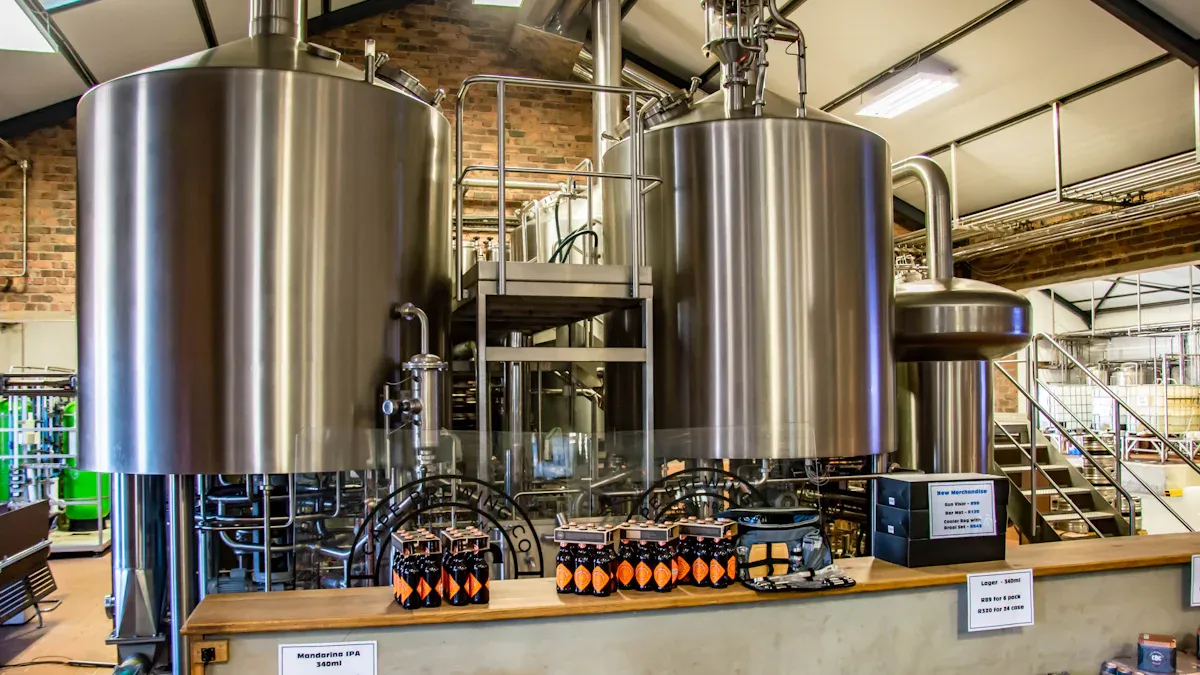
Choosing the right microbrewery system can make a huge difference in your brewing results. You want equipment that helps you create great beer and keeps your process running smoothly. Some brands offer better build quality and support than others. If your micro brewery equipment isn’t up to standard, you might face problems like slow fermentation, poor cleaning, or bad flavors. Take a look at these common issues that brewers report:
| Issue | Description |
|---|---|
| Improper cleaning | Equipment must be cleaned to protect the quality and flavor of the beer. |
| Not disinfected properly | Lack of proper sanitation can lead to off-flavors or halted fermentation due to harmful microorganisms. |
| Poor quality water | Unfiltered chlorinated water can impart undesirable tastes to the beer. |
| Slow or no fermentation | Delays in fermentation can indicate underlying problems with the brewing process. |
You want to avoid these problems and get the most from your brewing setup by comparing brands carefully.
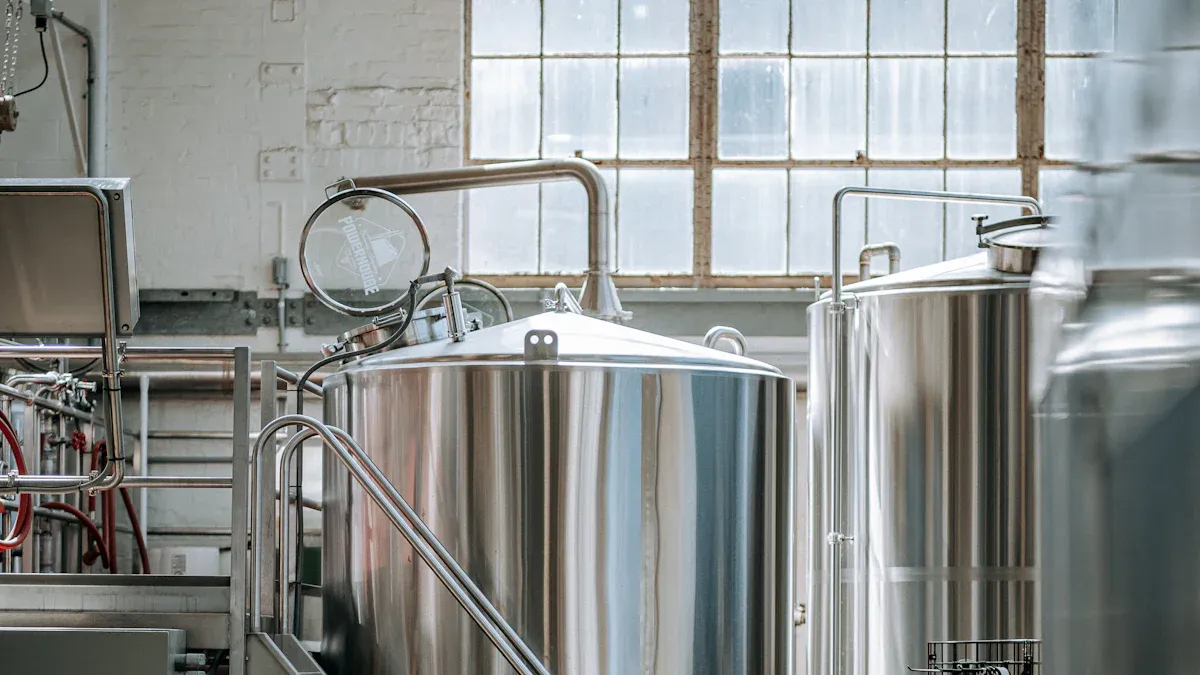
When you start looking at microbrewery setups, you’ll notice that every system has a few key parts. Each one plays a big role in how your beer turns out. Let’s break down what you’ll find in most brewing systems.
The brewhouse is where the brewing magic begins. You’ll usually see these main pieces:
Here’s a quick look at some common brewhouse equipment and what they do:
| Equipment Type | Description | Capacity/Size Considerations |
|---|---|---|
| Malt mill | Crushes malt for brewing | Measured by malt weight per hour |
| Hot Liquor Tank | Stores hot water, often double the size of the kettle | 1,000 liters for a 500-liter kettle |
| Mash tun | Extracts sugars, may need heating | Larger systems need heated mash tuns |
| Lauter tun | Separates wort, has a spent grain outlet | Needs a sparge ring |
| Boil kettle | Boils wort, adds hops | Can start at 20 liters |
| Heat exchanger | Cools wort before fermentation | 5 sq meter plate for 500-liter brewhouse |
After boiling, you move the wort into fermentation tanks. These tanks come in different shapes and sizes. Some brands, like Ss Brewtech, focus on homebrewers and offer tanks with great design and support. Others, like BrewBilt and JVNW, build heavy-duty tanks for commercial breweries. You want tanks that keep a steady temperature and handle pressure well. This helps you get the best results during fermentation.
You can’t forget the extra gear that makes brewing easier and more reliable. Here are some tools pro brewers recommend:
These accessories help you keep your brewing process smooth and your beer tasting great.
When you start looking for a microbrewery system, you’ll see a lot of brands out there. Some stand out because of their quality, features, and customer satisfaction. Let’s dive into a top brands comparison so you can see what makes each one unique.
If you want a microbrewery system that blends craftsmanship with modern technology, COFF is a name you’ll hear often. COFF designs and manufactures high-end brewing systems. You get stainless steel vessels that look great and work even better. COFF’s team knows the culture of craft beer, so they focus on details that matter to brewers like you.
You’ll find COFF equipment in breweries across the U.S., Canada, the UK, Australia, and more. Many brewers recommend COFF because of their reliable service and long-term support. COFF’s fermentation tanks help you keep a steady temperature, which is key for good fermentation. Their brewing systems also come with artistic touches that make your setup stand out.
Here’s what customers say about COFF:
| Reviewer Name | Rating | Date |
|---|---|---|
| Ian Goodman | 5 | March 10, 2020 |
| Wayne Miller | 5 | January 29, 2020 |
| Dante | 5 | November 25, 2019 |
| Steven Campbell | 5 | October 10, 2019 |
| Bill Bohanon | 5 | October 19, 2018 |
| Michael H | 5 | October 4, 2018 |
| Andrew Isherwood | 5 | October 4, 2016 |
| Joe Faurote | 5 | January 20, 2016 |
You can see that COFF gets top marks for customer satisfaction. If you want a brewing system that’s trusted by brewers around the world, COFF is a strong choice.
Ss Brewtech is another brand you’ll want to check out. They focus on making brewing easier for everyone, from homebrewers to pros. Ss Brewtech stands out because they keep coming up with new ideas. You’ll see features like conical bucket fermenters and insulated mash tuns that help you get better results.
Take a look at what makes Ss Brewtech different:
| Unique Features | Description |
|---|---|
| Innovative Designs | Ss Brewtech has introduced market firsts like conical bucket fermenters and insulated mash tuns. |
| Brewer-Centric Elements | Features such as center mounted valve trees and dual pump architecture enhance usability. |
| Quality Control Focus | Emphasis on precision engineering and craftsmanship ensures high-quality brewing equipment. |
You get brewing systems that are easy to use and built to last. Ss Brewtech puts a lot of effort into making sure every part works well together. If you want equipment that helps you control every step of brewing, Ss Brewtech is a great pick.
Blichmann Engineering is a favorite for many brewers who want solid performance and value. You’ll find their brewing systems in small breweries and serious home setups. Blichmann offers a wide range of products, so you can choose what fits your needs best.
Let’s look at how Blichmann’s pricing compares to other brands:
| Brand | Price Range |
|---|---|
| Blichmann Engineering | $5,000 – $50,000 |
| Ss Brewtech | $3,000 – $30,000 |
| Spike Brewing | $7,000 – $60,000 |
| BrauKon | $50,000 – $300,000+ |
| Anvil Brewing | $1,000 – $10,000 |
You get a lot of options with Blichmann, whether you want a starter kit or a full brewing system. Their equipment is known for being reliable and easy to use. If you want to upgrade your microbrewery without breaking the bank, Blichmann Engineering gives you plenty of choices.
Tip: When you compare brands, look at more than just price. Think about build quality, support, and how easy it is to clean and maintain your brewing systems.
If you want to know which brands have the biggest market share worldwide, here are some of the leaders:
These companies hold a big part of the global microbrewery equipment market. You’ll see their products in breweries all over the world.
Choosing the right brand can help you get better results in brewing and make your microbrewery stand out. Take your time to compare features, customer ratings, and price ranges before you decide.
When you look for a microbrewery system that stands out, Portland Kettle Works often comes up. This brand has built a strong reputation for making reliable brewing equipment. You will notice their systems in many craft breweries across the country. Portland Kettle Works designs their brewing systems to help you get consistent results, batch after batch.
You can choose from a range of brewhouse sizes. This means you can start small and grow your operation over time. Their tanks and kettles use high-quality stainless steel. This helps you keep your beer clean and your flavors pure. Many brewers like the way these systems handle temperature control. Good temperature control makes a big difference during fermentation.
If you want a system that is easy to use and maintain, Portland Kettle Works gives you that. Their equipment often comes with user-friendly controls. You can focus more on brewing and less on troubleshooting. This brand also offers support if you have questions or need help with your setup.
Note: Portland Kettle Works has a reputation for helping new brewers get started. If you are opening your first microbrewery, you might find their training and support helpful.
BrewBilt is a name you will hear when you talk about durability and long-term value. This company builds brewing systems that last. You can trust their equipment to handle heavy use in a busy brewery. BrewBilt uses strong materials and careful construction. This helps you avoid breakdowns and keep your brewing on schedule.
One thing that sets BrewBilt apart is their warranty. You get an industry-leading 6-year warranty on their microbrewery systems. That is one of the longest warranties you will find. This shows that BrewBilt stands behind their products. You can feel confident that your investment is protected.
BrewBilt also pays attention to details that matter to brewers. Their tanks and kettles have smooth welds and easy-to-clean surfaces. You can keep your equipment in top shape with less effort. If you want a brewing system that works hard and lasts, BrewBilt is a solid choice.
Premier Stainless is known for flexibility and custom solutions. If you have a unique space or special brewing needs, this brand can help you. Premier Stainless offers uni-tank fermenters that fit both small and large batches. You can ask them to custom fabricate tanks to fit your brewery’s space or height limits.
You get equipment that matches your brewing goals. Premier Stainless uses high-grade stainless steel in their tanks and kettles. This helps you keep your beer clean and your flavors true. Their systems also make it easy to control temperature and pressure. You can fine-tune your brewing process for the best results.
If you want a brand that listens to your needs and builds equipment just for you, Premier Stainless is a great option. Their team works with you from planning to installation. You get support every step of the way.
You might see JV Northwest, also known as JVNW, when you look at microbrewery equipment. This brand has a long history in the brewing world. JVNW builds tanks and brewing systems for many types of breweries. Their equipment works well for both small and large setups. You can find their tanks in places that need strong construction and reliable performance.
One thing you will notice is their focus on quality. JVNW uses stainless steel for their tanks and kettles. This helps you keep your beer clean and your flavors true. Their tanks handle fermentation with steady temperature control. You get smooth welds and easy-to-clean surfaces. Many brewers like how JVNW tanks last for years.
G&D Chillers is part of JVNW. They make cooling systems for breweries. You need good chillers to keep your fermentation tanks at the right temperature. G&D Chillers offers systems that work with different brewing setups. You can choose a chiller that fits your space and batch size.
Tip: If you want a brand with strong support and proven reliability, JV Northwest and G&D Chillers give you peace of mind. Their equipment helps you keep your brewing process steady and your beer tasting great.
BREWHA Equipment brings something different to the table. You get brewing systems that combine innovation with simplicity. BREWHA designs all-in-one tanks that let you mash, boil, and ferment in the same vessel. This setup saves you space and makes cleaning easier.
You might like BREWHA if you want to streamline your brewing process. Their systems work well for small microbrewery operations. You can brew, ferment, and serve from one tank. This means less equipment to buy and maintain. BREWHA uses stainless steel for durability and easy cleaning.
Here’s what stands out about BREWHA Equipment:
BREWHA gives you flexibility. You can scale up your brewing as your business grows. Their systems help you keep your process efficient and your beer consistent.
Anvil Brewing is a popular choice for brewers who want convenience and control. You get brewing systems that combine several features in one package. The Anvil Foundry is their flagship product. It brings together a boiler, malt pipe, and pump. You can brew up to 10 gallons in a compact space.
Let’s look at what users like and dislike about Anvil Brewing systems:
Pros:
Cons:
You get a system that helps you control every step of brewing. The automated features save you time. The stainless steel build keeps your equipment looking good and working well. If you want a brewing system that fits in a small space and offers precise control, Anvil Brewing is worth considering.
Note: If you are new to brewing, you might need some time to learn all the features. The compact design makes it easy to store and use, even if you have limited space.
You might notice Deutsche Brewing Equipment when you compare top microbrewery system brands. This company focuses on quality and reliability. You get equipment that helps you brew with confidence. Deutsche assigns a dedicated engineer to each project. That means you receive personal attention and expert advice from start to finish.
Deutsche offers customizable automation. You can choose features that make your brewing process smoother and more consistent. Automation helps you control temperature, timing, and cleaning. You spend less time worrying about mistakes and more time perfecting your beer.
Sanitation matters in brewing. Deutsche uses seamless cleaning processes. These methods keep your tanks and pipes spotless, which protects your beer from unwanted flavors and keeps fermentation on track.
Here’s a quick look at how Deutsche ensures quality control:
| Feature | Description |
|---|---|
| Dedicated Engineering | Each project is assigned a dedicated engineer for personalized attention and expertise. |
| Customizable Automation | Automation options enhance quality, consistency, and efficiency in the manufacturing process. |
| Seamless Cleaning | Industry-leading cleaning processes ensure proper sanitation, crucial for product quality. |
You also get ongoing support. If you have questions about your system, Deutsche provides continuous equipment support. You can reach out for help with installation, troubleshooting, or upgrades. This level of service makes Deutsche a strong choice for brewers who want to focus on brewing and let the experts handle the rest.
ABE Equipment stands out if you want flexibility and support when building your microbrewery. You can find systems that fit small spaces or larger operations. ABE offers a wide range of brewing solutions, so you can pick what works best for your goals.
Financing can be a big concern when you buy new equipment. Many vendors, including ABE, offer leasing and financing plans. You don’t have to pay everything up front. These options help you get started with brewing sooner and manage your budget more easily.
You get equipment that is easy to use and maintain. ABE designs their systems for smooth operation. You can focus on brewing great beer without worrying about complicated controls. Their tanks and kettles use stainless steel, which helps you keep your beer clean and your flavors pure.
If you need help, ABE provides support for installation and setup. You can ask questions and get advice from their team. This makes it easier to get your microbrewery running and keep it working well.
Tip: If you want to grow your brewing business, ask about financing options. Leasing plans can help you expand your setup without a big upfront cost.
Robobrew and Grainfather systems have changed the way small-scale commercial brewers approach brewing. You get equipment that is simple to use, even if you’re new to the process. These systems let you start brewing without needing years of experience.
Automation is a big part of what makes Robobrew and Grainfather popular. You can control temperature and timing with just a few buttons. Automation helps you repeat your recipes and get consistent results every time. This is important for small breweries that want to build a loyal customer base.
You’ll notice that these systems evolved from DIY setups. Now, you can buy ready-made equipment that still lets you show off your craftsmanship. Advanced technology works alongside your brewing skills. You don’t lose the art of brewing, but you gain tools that make your job easier.
Here’s what you get with Robobrew and Grainfather:
If you want to start a microbrewery or expand your current setup, Robobrew and Grainfather give you options that fit your needs. You can brew, ferment, and serve with confidence, knowing your equipment supports your goals.
When you compare microbrewery systems, you notice big differences in build quality. Some brands use top-grade stainless steel, while others choose lower-cost materials. If you want your brewing setup to last, pay attention to these details. For example, Ss Brewtech uses 304 stainless steel. This material resists corrosion and meets industry standards. Other brands may use 201 stainless steel, which does not hold up as well over time.
Take a look at this table to see how materials and features stack up:
| Feature | Ss Brewtech | Other Brands |
|---|---|---|
| Material | 304 Stainless Steel | 201 Stainless Steel |
| Corrosion Resistance | High | Lower |
| Industry Standard | Yes | No |
You also find special features like sight glasses, gasket-sealed lids, and wheeled legs. These make brewing easier and safer. If you want a system that handles daily use, look for tanks with extra connections and sloped bottoms for easy cleaning.
Every brewery has its own style and needs. You might want a system that fits a tight space or handles large batches. Many brands offer custom tanks, special fittings, and flexible layouts. You can ask for extra sample ports, hooks for mash bags, or even CO2 purge ports. Some companies help you design your brewing system from scratch. This way, you get equipment that matches your brewing goals and space.
Tip: If you plan to grow your brewery, choose a brand that lets you add new tanks or upgrade features later.
Modern brewing systems use smart technology to make your job easier. You see brands offering advanced controls, data analytics, and even AI-driven processes. BrewTech Solutions, for example, gives you commercial systems with data tracking and automation. ProBrew Systems builds high-capacity setups for busy breweries. BrewBots uses AI to learn your brewing preferences and adjust settings for you.
Here’s a quick look at what some brands offer:
| Brand | Key Offerings | Price Range |
|---|---|---|
| BrewTech Solutions | Data analytics, AI-driven brewing | $5,000 – $50,000 |
| ProBrew Systems | High-capacity, automated brewing | $5,000 – $150,000 |
| BrewBots | AI-integrated, adaptive brewing | $2,000 – $10,000 |
| YoLong Brewtech | State-of-the-art facility, diverse options | N/A |
If you want to save time and get consistent results, automation helps you control temperature, timing, and cleaning. You can focus on brewing great beer while your system handles the details.
When you buy a microbrewery system, you want to know that help is available if something goes wrong. Good customer support can make your brewing experience smoother and less stressful. You might have questions about installation, need advice on troubleshooting, or want to return a product that doesn’t fit your needs. Brands offer different levels of support, so it’s smart to check what each company provides before you decide.
Some brands stand out because they offer longer warranties or easier return policies. For example, iPourIt, Inc. gives you a three-year warranty on their self-pour equipment. That’s much longer than the one-year warranties you get from Ss Brewtech and MoreBeer. If you want extra peace of mind, a longer warranty can help you feel more secure about your purchase.
Here’s a quick look at how some brands compare:
| Brand | Warranty Duration | Return Policy |
|---|---|---|
| Ss Brewtech | 1 year | Not specified in detail |
| MoreBeer | 1 year | 60-day no hassle return policy |
| iPourIt, Inc. | 3 years | Not specified in detail |
You might also care about how easy it is to return equipment. MoreBeer offers a 60-day return policy if you’re not satisfied. They process refunds within 60 days of authorization, but perishable items are excluded. Ss Brewtech covers manufacturing defects, but you need to go through the original retailer if you bought your system somewhere else. MoreBeer lets you call for urgent support, which can be helpful if you run into problems during brewing.
Tip: Always read the warranty and return policy before you buy. If you have questions, reach out to the brand’s support team. Quick and friendly help can save you time and keep your brewing on track.
When you compare brands, think about how much support you’ll get after your purchase. A strong warranty and helpful customer service can make your brewing journey much easier.
You want your microbrewery system to match your goals. Start by thinking about how much beer you plan to make and what types you want to brew. Do you need a setup for small batches, or are you aiming for larger production? Consider your space, workflow, and how you want your brewery to look. Customization can help you stand out and make brewing easier.
Here’s a table to help you figure out what matters most:
| Aspect | Key Considerations |
|---|---|
| Capacity | Match your production goals and market demand. Start small and scale up as needed. |
| Design and Layout | Focus on efficient workflow and safety. Make your space look good, too. |
| Customization | Choose features that fit your unique brewing style and brand identity. |
| Supplier Reputation | Pick brands with positive reviews and strong industry standing. |
| Quality | Use high-quality micro brewery equipment for the best results. |
| Support | Look for suppliers who offer installation, training, and technical help. |
| Price | Compare costs, but don’t sacrifice quality for savings. |
Tip: Write down your brewing goals before you shop. This helps you pick the right system and avoid costly mistakes.
Money matters when you buy brewing equipment. You need to know what you can spend and what you’ll get for your money. Entry-level systems cost less, but premium setups offer more features and bigger capacity. Here’s a quick look at typical prices:
| System Type | Typical Cost |
|---|---|
| Entry-Level (1-3 BBL) | $100K-$250K |
| Mid-Range (5-7 BBL) | $500K-$750K |
| Premium (10+ BBL) | $1M-$1.5M+ |
Think about your future plans. If you want to grow, it might be smart to invest a little more now. Some brands offer financing or leasing, which can help you get started without a huge upfront cost.
Note: Always leave room in your budget for installation, training, and unexpected expenses.
Choosing the right supplier makes a big difference. You want a company that stands behind its products and helps you succeed. Start by outlining your brewing needs and creating a list of equipment specs. Research brands that fit your operation size. Request quotes from at least three suppliers so you can compare options.
Here’s a table with steps to check supplier reputation:
| Task | Description |
|---|---|
| Define Needs | List your production goals, budget, and future plans. |
| Develop Specs | Write down what you need for your brewhouse and other equipment. |
| Research Suppliers | Find brands with good reviews and industry experience. |
| Request Quotes | Get detailed pricing and scope from several suppliers. |
| Compare Options | Look at specs, quality, services, and costs. |
| Check References | Talk to other breweries about their experience. |
| Visit Facilities | Tour supplier sites if possible. |
| Evaluate Installation | Ask who handles setup and site prep. |
| Review Maintenance & Support | Make sure you’ll get training and service after purchase. |
| Negotiate Contracts | Clarify terms and post-sale support. |
| Get Guarantees | Secure written warranties and guarantees. |
If you can, visit the supplier’s facility. Seeing their work up close helps you feel confident about your choice.
When you buy a microbrewery system, the story doesn’t end after the equipment arrives. After-sales service can make or break your brewing experience. Some brands offer more support than others, and this can really change how you feel about your purchase over time.
Think about what happens if your system stops working or you need help with a tricky setup. Good after-sales service means you get answers fast. You don’t want to wait days for a reply when your next batch is on the line. Brands that care about their customers usually have a team ready to help you solve problems right away.
Here’s what you should look for in after-sales service:
You might not think about after-sales service when you first shop for equipment, but it matters a lot in the long run. Brands that offer strong support help you avoid stress and keep your brewery running smoothly. Before you choose a system, ask about their support, training, and spare parts. This way, you set yourself up for brewing success and peace of mind.
You want to start with a clear plan. Make a list of what you need for your brewing setup. Reach out to different suppliers and ask for quotes. Compare prices, features, and support. Don’t just look at the numbers. Ask for a site visit if possible. Seeing the equipment in person helps you understand how it fits your space. You can ask questions and get advice from experts. Many suppliers offer virtual tours if you can’t visit in person. Take notes during these visits. You’ll spot details that matter for your microbrewery.
Tip: Bring a checklist when you visit. Write down questions about installation, cleaning, and future upgrades.
Getting your micro brewery equipment installed is a big step. You want everything to work smoothly from day one. Read the manuals before you start. Follow the instructions for each piece of equipment. Ask your supplier if they offer installation help or training. Some brands send a technician to guide you through the process. Make sure your space is clean and ready. Check that all connections are tight and safe. Test each part before you brew your first batch. This helps you catch problems early.
Keeping your brewing system in top shape helps you make great beer every time. Clean your tanks and pipes after each batch. Schedule regular checks for pumps and heaters. Use technology to track maintenance tasks. As your business grows, you’ll want to scale up. Leading brands help you expand by offering automation, better logistics, and strong supply chains. You can use data systems to manage orders and predict what you’ll need next. Partnering with distributors and using specialized movers keeps your products fresh and on time.
| Strategy | Description |
|---|---|
| Partner with beverage distributors | Distributors help you reach more bars and stores without extra delivery work. |
| Diversify your supply chain | Sell online to reach new customers. |
| Leverage brew movers for logistics | Use experts to transport your beer safely and quickly. |
| Maintain product quality | Meet all safety standards for food and drinks. |
| Use Data and Technology | Track your brewing and sales with smart software. |
| Automation | Add machines to help with brewing and keep your beer consistent. |
Note: Regular maintenance and smart planning make it easier to grow your brewery. You’ll spend less time fixing problems and more time brewing.
Choosing the right microbrewery system shapes your brewery’s future. You want a brand that matches your values and stands out in the market. Experts say you should focus on what makes your brewery unique and connect with your customers. Try new brewing methods and flavors to keep things fresh. When you compare brands, look at features, support, and how each one fits your goals. Take your time and pick micro brewery equipment that helps your business grow.
You want a system that matches your brewing goals. If you plan to start small, pick a 1-3 barrel setup. For bigger batches, look at 5 barrels or more. Think about your space and future growth.
You should clean your equipment after every batch. Regular cleaning keeps your beer tasting fresh and prevents problems. Use proper cleaning solutions and follow the instructions from your equipment supplier.
Yes, you can upgrade most systems. Many brands offer add-ons like extra tanks or automation features. Ask your supplier about options for scaling up as your business grows.
Most brands offer a one-year warranty. Some, like BrewBilt, provide longer coverage. Always check the warranty details before you buy. A good warranty gives you peace of mind.