

COPYRIGHT © 2022 COFF International Co., ltd. ALL RIGHTS RESERVED

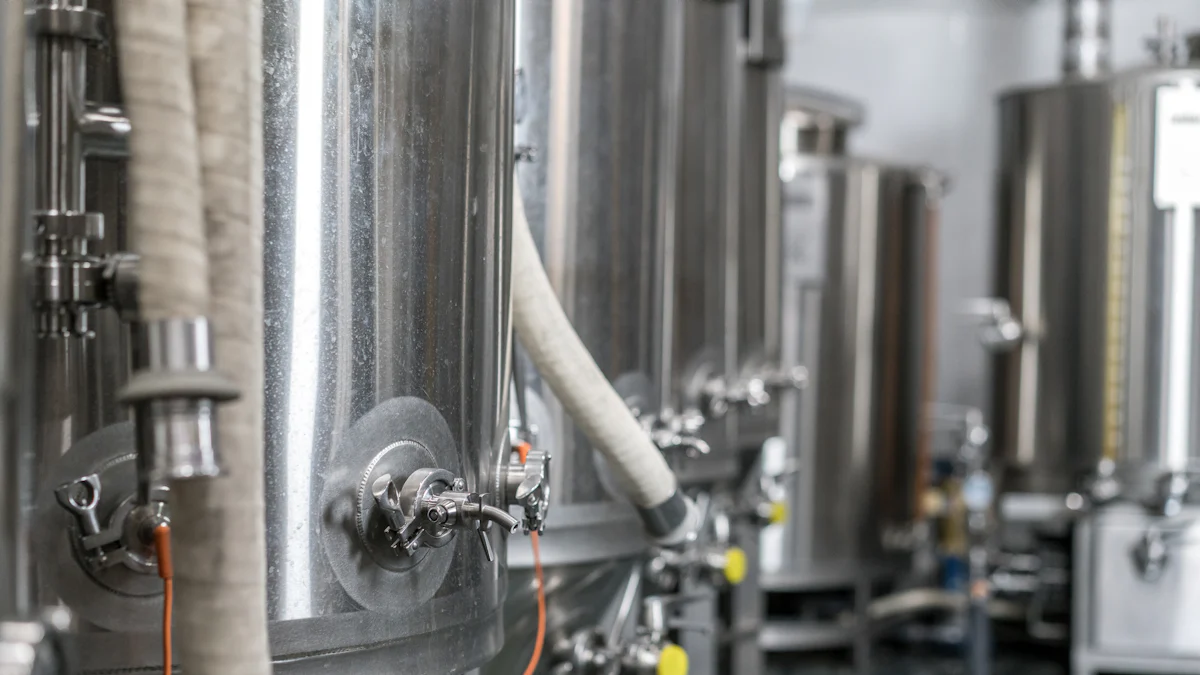
Stainless steel fermentation tanks set the standard in the brewing industry. Brewers value these tanks for their unmatched durability and long lifespan. Stainless steel fermentation tanks deliver a non-reactive surface, which ensures the highest quality during the production of beer. Many experts regard fermentation tank stainless steel as the optimal choice for fermentation tanks in commercial and professional use. With easy cleaning and resistance to corrosion, stainless steel fermentation tanks become a better choice for fermentation tanks in brewing applications. Fermentation tank stainless steel supports consistent brewing results.
Brewers prioritize stainless steel fermentation tanks to maintain quality and efficiency in every batch.
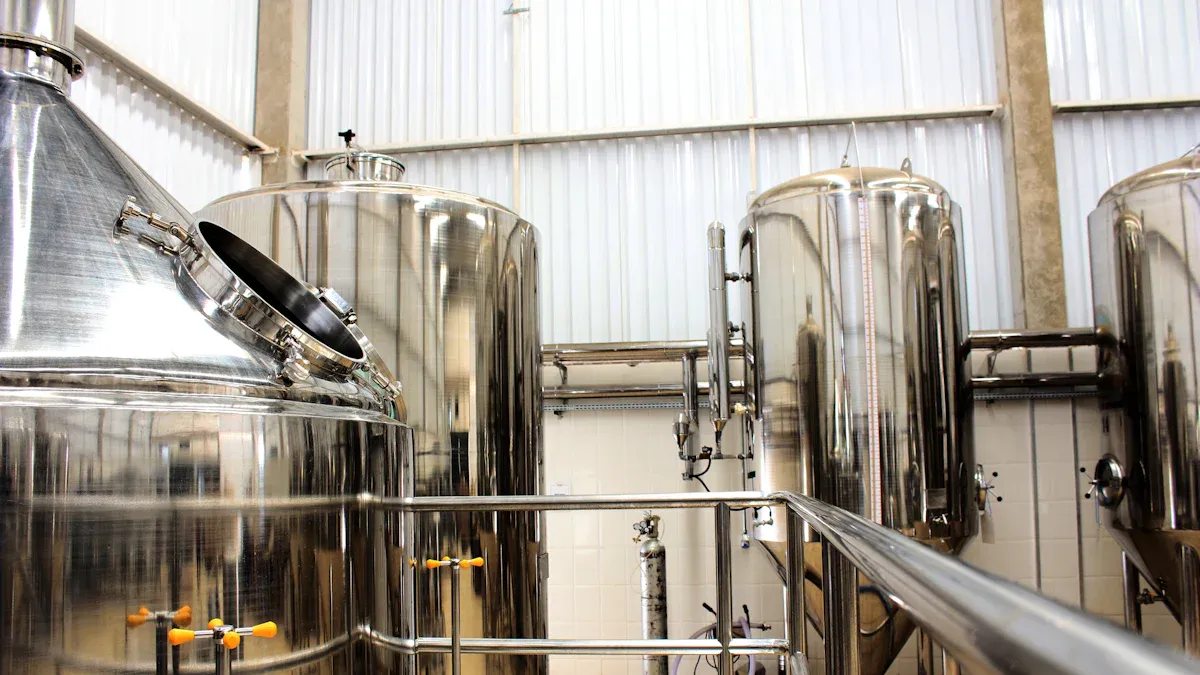
Stainless steel fermentation tanks play a critical role in modern craft breweries. These tanks prevent rust and contamination by using advanced materials and surface treatments. The most common sources of rust in fermentation tanks include free iron on the surface, shop dirt, grinding swarf, and iron particles from cutting tools. Stainless steel, especially 304 stainless steel and 316l stainless steel, contains chromium. This element reacts with oxygen to form a protective chromium oxide layer. This passive layer shields the tank from rust and contamination, ensuring a clean environment for brewing.
Brewers often choose 316l for fermentation tanks because of its enhanced corrosion resistance. The advantages of 316l stainless steel include better protection in harsh brewing environments and longer service life. The passivation process further improves the tank’s surface by removing contaminants and strengthening the protective layer. Regular cleaning and proper maintenance help maintain this layer. Brewers use non-abrasive tools, chloride-free cleaners, and soft water to protect the tank’s surface. They also inspect tanks for scratches or dents and repair them quickly to prevent rust formation.
Stainless steel fermentation tanks offer a non-reactive surface, making them easy to sanitize and ideal for maintaining strict hygiene standards in beer production.
A scientific study on 304 stainless steel confirms its corrosion resistance in fermentation tank applications. The study shows that under normal conditions, 304 stainless steel forms a Cr2O3 surface film that protects against corrosion. This makes it suitable for food and beverage fermentation tanks. However, exposure to extreme heat, such as fire, can damage this protective layer. In regular brewery operations, stainless steel fermentation tanks remain highly resistant to corrosion and contamination.
Durability and longevity are essential for any craft brewery investing in fermentation tanks. Stainless steel fermentation tanks, especially those made from 304 stainless steel and 316l stainless steel, stand out for their robust construction and long service life. Brewers choose 316l for fermentation tanks when they need extra protection against aggressive cleaning agents or high-salinity environments. The advantages of 316l stainless steel include superior corrosion resistance and the ability to withstand demanding brewing conditions.
The following table compares the average lifespan and corrosion resistance of different fermentation tank materials:
| Material | Average Lifespan (Years) | Corrosion Resistance |
|---|---|---|
| Stainless Steel | 20+ | Excellent |
| Aluminum | 10-15 | Moderate |
| Plastic | 5-10 | Poor |
| Glass | 5-10 | Fair |
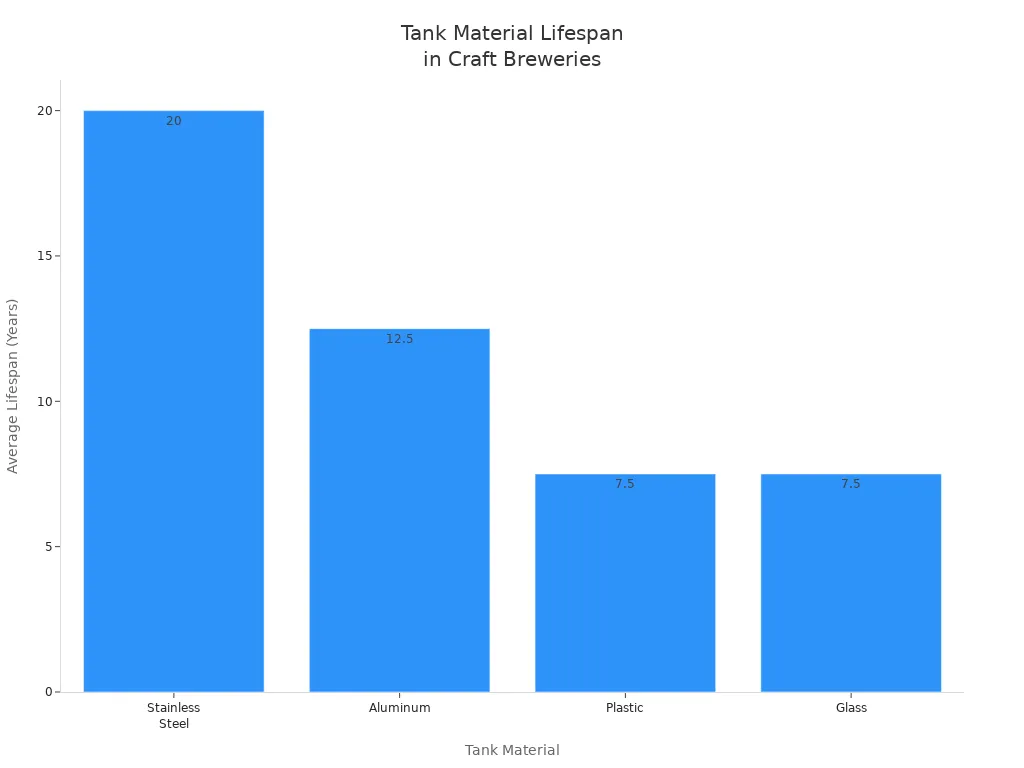
Stainless steel fermentation tanks typically last between 15 to 30 years or more with proper care. In contrast, plastic and glass tanks degrade faster and require more frequent replacement. 304 stainless steel and 316l stainless steel both provide strength, ease of maintenance, and long-term reliability. Craft brewers rate stainless steel as the gold standard for fermenters due to its durability, corrosion resistance, and ability to handle pressure.
Brewers extend the operational lifespan of their tanks by following best practices. They regularly clean and sanitize tanks with chloride-free solutions, avoid abrasive cleaners, and inspect for physical damage. They also maintain seals, valves, and taps to prevent microbial growth and corrosion. With these practices, stainless steel fermentation tanks can serve a brewery for 25 to 30 years or more before needing major repairs or replacement.
Stainless steel fermentation tanks deliver unmatched durability and longevity, making them a smart investment for craft breweries focused on quality and efficiency.
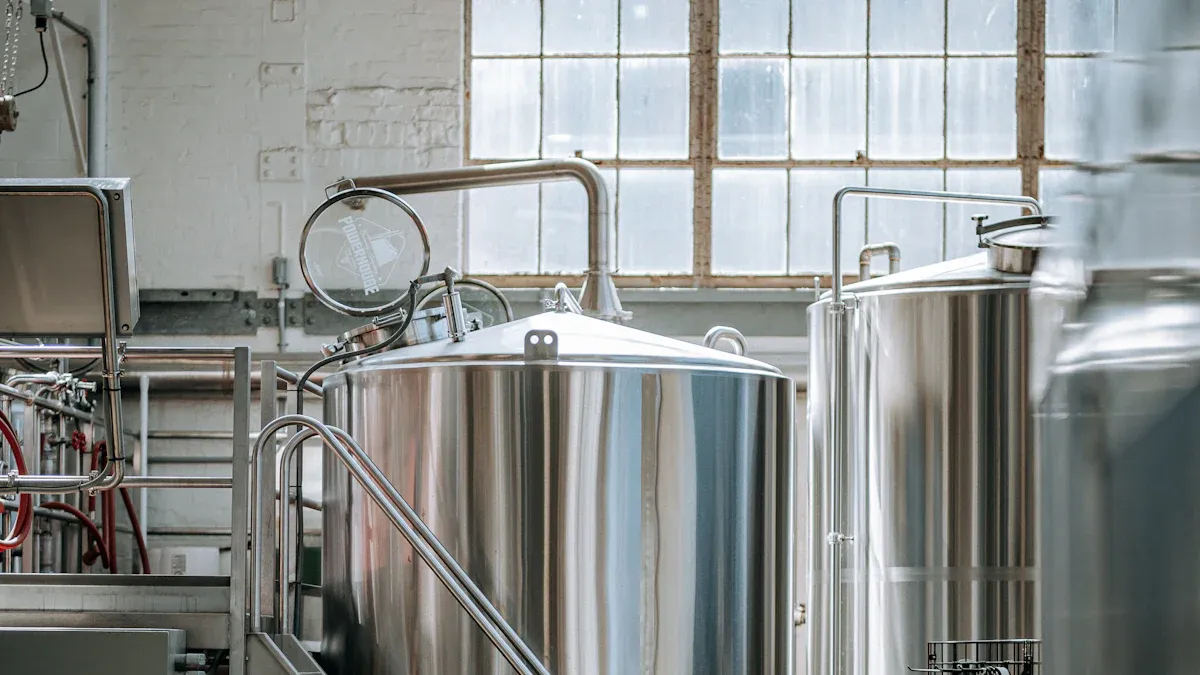
Stainless steel fermentation tanks provide a smooth, non-porous surface that supports a hygienic brewing environment. This surface resists bacteria buildup and prevents microorganisms from growing, which makes cleaning and sanitizing straightforward. Unlike wood or plastic, stainless steel does not absorb residues or odors. Brewers find that this property simplifies cleaning and reduces the risk of contamination, which is critical for the quality of your brew.
The smooth surface allows for quick and efficient cleaning, saving time and effort. Brewers often use sodium hydroxide to dissolve organic residues and acids like phosphoric acid to remove beer stone. Non-abrasive plastic pads and proper cleaning solutions keep the tank safe from scratches. Iodophors serve as effective sanitizers due to their broad antimicrobial activity and low toxicity. Proper sanitization involves applying iodophors, allowing contact time, rinsing thoroughly, and air drying.
Stainless steel’s non-porous and passivated surface makes it easy to clean with ordinary cleaners and simple scrubbing, ensuring hygiene throughout the brewing process.
Stainless steel fermentation tanks help breweries meet strict food safety and quality standards. These tanks are inert and resist corrosion, releasing no harmful substances into the beer. Mirror-finished interiors and seamless designs inhibit bacterial growth, maintaining a hygienic and safe brewing environment. Tanks also feature strong pressure resistance and sealed structures that prevent oxygen from entering, which protects the quality of the beer.
| Certification | Application in Food Safety and Tank Design |
|---|---|
| ASME | Ensures safety and quality standards for pressure vessels and tanks |
| FDA | Compliance with food safety regulations |
| 3-A Sanitary Standards | Ensures hygienic design for dairy and food processing tanks |
| NSF | Ensures compliance for direct food contact and sanitary processing |
Brewers rely on stainless steel tanks to maintain optimal conditions for yeast activity. Consistency in fermentation allows for reliable batch replication, which ensures brand quality. Proper fermentation reduces contamination and off-flavors, extending shelf life and product stability. Compatibility with sensors and control devices allows automated monitoring, supporting both hygienic and safe brewing practices.
Fermentation tanks made from stainless steel help brewers maintain the best environment for yeast activity. These tanks use cooling jackets or coils to provide precise temperature control. Brewers can set the temperature for ales between 68 to 72 °F (20 to 22 °C) and for lagers between 45 to 55 °F (7 to 13 °C). This control ensures that yeast works at its best, which leads to consistent beer quality.
Stainless steel fermentation tanks come with pressure gauges and relief valves. These features allow brewers to monitor and adjust pressure during fermentation. By fermenting under pressure, brewers can achieve faster fermentation times without risking off-flavors. Home brewers have reported that lagers can finish in about a week at higher temperatures, compared to several weeks at lower temperatures. This efficiency helps breweries produce more beer in less time.
Stainless steel fermentation tanks support a controlled and hygienic environment, which improves beer consistency and quality.
Stainless steel fermentation tanks perform well under changing temperatures and pressures. They have high mechanical strength and can handle the pressure from carbon dioxide that builds up during fermentation. Unlike plastic or glass, stainless steel does not crack or shatter when exposed to pressure changes.
| Feature | Stainless Steel | Plastic | Glass |
|---|---|---|---|
| Durability | Extremely durable; resists dents/scratches | Prone to cracking and breaking | Fragile; easily shatters |
| Temperature Control | Excellent; compatible with cooling/heating jackets | Limited ability | No temperature control |
| Pressure Resistance | Handles high pressure well | Not designed for pressure | Cannot withstand pressure |
Brewers trust stainless steel fermentation tanks for their reliability. The tanks’ airtight seals, precision fittings, and safety valves keep the brewing process safe. Emergency venting systems protect against pressure buildup. These features ensure that the tanks maintain stable conditions, even when temperatures or pressures change quickly.
Stainless steel fermentation tanks give craft brewers the confidence to produce high-quality beer batch after batch.
Craft breweries often evaluate the initial cost of fermentation tanks before making a purchase. Stainless steel fermentation tanks sized 5-10 barrels in 2025 typically cost between $10,000 and $30,000 for new units. Used tanks in the same range cost between $7,000 and $20,000. The following table shows a comparison of service life, initial cost, and durability among common tank materials:
| Parameter | Stainless Steel Tanks | Oak Barrels | Concrete Tanks | Plastic Tanks |
|---|---|---|---|---|
| Service Life | 20–30 years or more | 3–5 years | Around 10 years | 2–5 years |
| Initial Cost Range | $1,000 – $30,000+ | $300 – $1,200 each | $2,000 – $10,000+ | $50 – $500 |
| Durability | High | Limited | Moderate | Low |
Stainless steel tanks deliver outstanding durability and long-term cost benefits. They resist corrosion and wear, which means breweries replace them less often than tanks made from wood, plastic, or concrete. Most stainless steel tanks last 15 to 20 years or longer, making them a cost-effective and efficient choice for breweries focused on sustainable growth.
Investing in stainless steel fermentation tanks supports consistent product quality and reduces the risk of unexpected expenses over time.
Stainless steel fermentation tanks offer several advantages that reduce maintenance and replacement costs. Their smooth, non-porous surfaces simplify cleaning and prevent the absorption of flavors or odors. Built-in cleaning features, such as CIP spray balls, automate cleaning and improve efficiency. Certified tanks with effective sealing systems extend the lifespan and reliability of the equipment.
Craft breweries rarely need to replace stainless steel tanks, while alternative materials require more frequent replacement due to lower durability and higher maintenance needs. Stainless steel tanks provide long-term cost benefits by minimizing ongoing expenses and supporting reliable operations.
Stainless steel fermentation tanks help breweries maintain high standards while controlling costs, making them a smart investment for long-term success.
Stainless steel fermentation tanks help breweries meet strict food safety and brewing standards in 2025. Regulatory agencies in North America and Europe require tanks to use high-quality materials and sanitary designs. The FDA and ASME BPE guidelines set rules for corrosion resistance, cleanability, and contamination prevention. These standards ensure tanks are safe for the food and beverage industry.
Stainless steel tanks also comply with international brewing regulations. Certifications like ASME, CE, and ISO 9001 confirm safety, quality, and environmental protection. These features make stainless steel tanks a trusted choice in the brewing industry.
Sustainability is a top priority for modern breweries. Stainless steel fermentation tanks support these goals in several ways:
| Sustainability Aspect | Contribution of Stainless Steel Tanks |
|---|---|
| Durability and Longevity | Long service life reduces replacements |
| Recyclability | High recycled content and full recyclability |
| Resource Efficiency | Efficient use of materials and energy |
| Waste Reduction | Less waste generated during brewing operations |
Automated monitoring systems in these tanks also help breweries save energy and resources. By controlling temperature, pressure, and sanitation, breweries can lower resource use and support sustainability in the brewing process.
Stainless steel fermentation tanks offer unmatched versatility and adaptability for craft brewers. COFF and other manufacturers provide a wide range of customization options:
These features allow breweries to adjust tanks for unique production styles and batch sizes. Conical designs help with sediment separation and yeast harvesting. Tanks can support multiple fermentation stages, reducing transfers and contamination risk. This versatility and adaptability make stainless steel tanks ideal for the evolving needs of the brewing and food and beverage industry.
Craft brewers in 2025 rely on stainless steel fermentation tanks for quality, efficiency, and sustainable growth. These tanks, especially those made from 304 and 316L grades, offer unmatched durability and corrosion resistance.
Industry experts recommend fermentation tank stainless steel for reliability, scalability, and long-term value.
Stainless steel tanks resist corrosion and contamination. They provide a non-porous surface that supports easy cleaning. Brewers rely on these tanks for consistent quality and long-term durability.
Stainless steel tanks meet strict food safety standards. Their smooth surfaces prevent bacteria buildup. Brewers use these tanks to maintain hygienic conditions and protect beer quality.
Stainless steel tanks offer long service life and low maintenance costs. Small breweries benefit from fewer replacements and reduced downtime. The initial investment supports reliable operations for many years.
Manufacturers offer various customization options. Brewers select tank sizes, cooling systems, and automation features. Custom designs help breweries meet specific production needs and improve efficiency.
Stainless steel tanks contain recycled materials. At the end of their service life, breweries recycle the tanks. This process reduces waste and supports environmental goals. ♻️