


COPYRIGHT © 2022 COFF International Co., ltd. ALL RIGHTS RESERVED

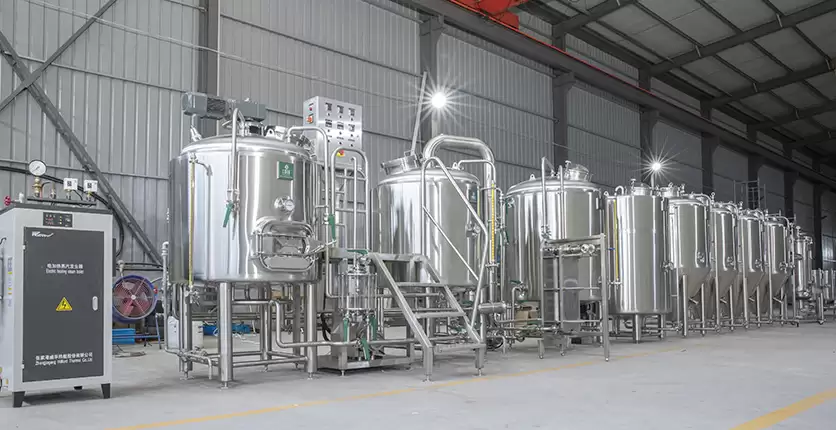
A 25,000-gallon steel storage tank can weigh between 3,305 and 37,400 pounds, depending on its construction. The table below lists a typical example:
| Tank Size | Dimensions | Material Specifications | Weight (lbs) |
|---|---|---|---|
| 25,000 | 12′-0″ x 30′-0″ | 1/4″ lower 6′-0″ of shell, 3/16″ remainder of shell and cone roof, 1/4″ bottom | 12,200 |
25,000-gallon tanks are used in many industries, such as agriculture, fire safety, and chemical storage. The weight of the tank varies depending on the type of steel, tank shape, and manufacturer. Stainless steel is a commonly used material due to its high strength and ease of cleaning. Ningbo Kefu Machinery Co., Ltd. is known for manufacturing durable and reliable storage tanks.

Steel thickness is critical to the weight of a tank. The thicker the steel plate, the heavier the tank. Engineers select the appropriate steel thickness based on the specific application of each tank. They also consider the intended use of the tank. Tanks used for storing chemicals or high-viscosity liquids require thicker steel. The grade of the steel is also important. Higher-grade steels, such as stainless steel, are stronger and have a longer service life. Stainless steel storage tanks manufactured by Ningbo Kefu Machinery Co., Ltd. are very popular. They are not only safe and reliable but also durable. The thicker or higher grade of steel, the heavier the tank. This is why a 25,000-gallon steel storage tank can weigh between 3,305 and 37,400 pounds.
Tanks this big must follow strict safety rules. Workers check the tanks every month. They make sure the tanks follow all laws. These rules help keep the environment safe and protect people.
The shape and size of a storage tank affect its weight. Most 25,000-gallon steel storage tanks come in three shapes: vertical cylindrical, rectangular, and horizontal cylindrical. Each shape uses steel differently, which affects the tank’s weight.
| Shape | Dimensions (approx.) |
|---|---|
| Vertical Cylindrical | Diameter: 3.21 m, Height: 2.4 m |
| Rectangular | Length: 3.21 m, Width: 2.4 m, Height: 2.4 m |
| Horizontal Cylindrical | Longer length, less vertical clearance |
Vertical cylindrical tanks of the same size use less steel, making them lighter than rectangular tanks. Horizontal tanks require additional support, making them heavier. The specific dimensions and design of the tank also affect weight. Wall thickness and reinforcement measures are also important.
COFF tanks meet safety and environmental requirements and are made of robust stainless steel. This facilitates recycling and extends the service life of the tanks.
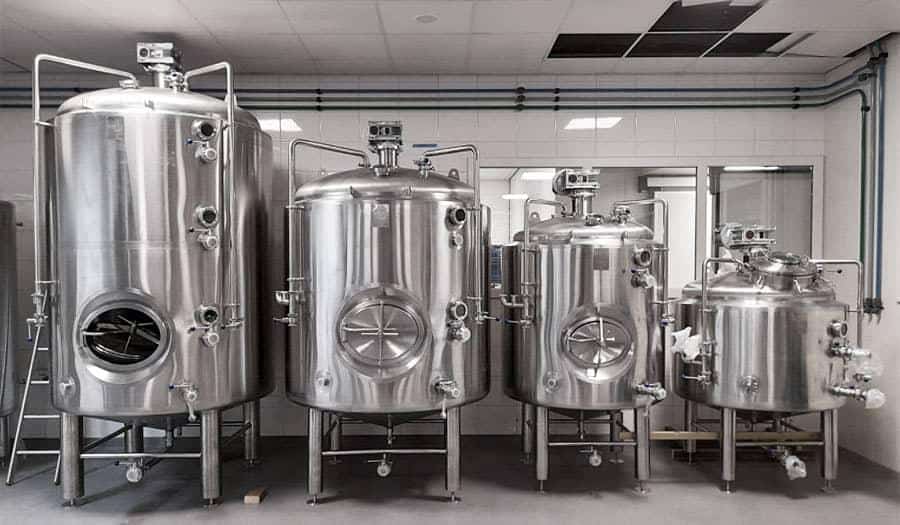
To calculate the weight of a 25,000-gallon steel tank, engineers use a simple formula. They need to consider the amount of steel used, the density of the steel, and the dimensions of the tank. This formula helps them estimate the weight of the tank before construction.
The table below lists the main variables used in the calculation:
| Variable | Description |
|---|---|
| m | mass (lb or kg) |
| ρ | density of steel (lb/ft³ or kg/m³) |
| V | volume of steel used (ft³ or m³) |
| W | weight (lb or kg) |
| g | gravity (9.81 m/s², for physics) |
The basic formula looks like this:
Weight = Volume of steel × Density of steel
Engineers measure the volume of steel by looking at the tank’s wall thickness, shape, and size. They use the density of stainless steel, which is about 490 lb/ft³.
Tip: Always use the same units for volume and density to get the correct answer.
Let’s look at how to estimate the weight of a standard 25,000-gallon steel can. Assume the can uses 250 cubic feet of steel.
Weight = 250 ft³ × 490 lb/ft³ = 122,500 lb
This figure represents the total weight of the steel in the can. Actual steel cans may use more or less steel, depending on the design. For example, cans with thicker walls or additional support will be heavier. Cans with thinner walls will be lighter.
The weight of a 25,000-gallon steel can may vary due to differences in design and materials used by each manufacturer. Always consult the manufacturer for the most accurate data.
The shape of the tank affects its weight. Upright tanks stand upright, while horizontal tanks lie on their sides. The two designs use steel differently. Upright tanks generally require less steel for support. Horizontal tanks require more steel to maintain their shape and hold the same amount of liquid.
The table below shows the differences:
| Tank Type | Capacity | Weight |
|---|---|---|
| Vertical | 25,000 gal | 7,540 lbs |
| Horizontal | 25,000 gal | 76,771 lbs |
A 25,000-gallon upright steel tank is generally much lighter than a horizontal steel tank. For example, an upright tank weighs 7,540 lbs, while a horizontal tank weighs 76,771 lbs. This significant difference is because horizontal tanks require more steel to ensure strength and stability.
Size and shape will also differ. Vertical tanks are taller and take up less space. Horizontal tanks are longer and require more space. Here is an overview of their dimensions:
| Tank Type | Capacity | Dimensions (H x W x L) |
|---|---|---|
| Vertical | 25,000 gal | 13′ 11″ x 22′ |
| Horizontal | 25,000 gal | 154″ x 144″ x 432″ |
Choosing between vertical and horizontal tanks depends on space, weight, and how the tank will be used.
The number of walls in a storage tank also affects its weight. A single-walled tank has only one layer of steel. A double-walled tank has two layers of steel, offering greater safety. Double-walled tanks are heavier due to the use of more steel.
A 25,000-gallon single-walled steel tank weighs approximately 10,999 pounds. Double-walled tanks are heavier due to the additional layer of steel. The extra wall helps prevent leaks and provides extra protection, which is crucial for storing chemicals or fuels.
Design choices such as the shape and wall type of a tank affect its final weight. Engineers choose the optimal design based on factors such as safety, space utilization, and cost.
The weight of a storage tank is very important. It helps in planning how the tank will be installed and used long-term. Heavy-duty storage tanks require a robust base to ensure safety and prevent tipping. Engineers must understand the tank’s weight before construction begins. They will inspect the ground and select the optimal foundation. A level base prevents the tank from shifting or being damaged.
| Foundation Essentials | Description |
|---|---|
| Foundation Type | Use a flat, level, smooth monolithic concrete foundation, or a PPC-certified support pad large enough to support the full weight of the tank. |
| Site Preparation | Conduct a soil survey to determine soil bearing capacity and select a suitable foundation type. Check for groundwater or expansive soil, which can affect stability. |
| Grading & Leveling | Level the ground to ensure the foundation is completely level. Any unevenness can create unexpected stress on the tank’s base plate. |
Tank operators must record the contents of the tank. They also need to inspect the tank frequently. Tanks with a capacity of 25,000 gallons or more require extra attention. Staff will check for leaks or changes in the stored material. This ensures both environmental safety and smooth business operations.
Moving a 25,000-gallon steel storage tank is a challenging task. The tank’s weight affects its movement and installation. Heavy-duty tanks require specialized trucks and tools. Drivers need specialized training to move these tanks safely. Companies must comply with regulations regarding weight, safety, and the environment.
| Challenge | Description |
|---|---|
| Regulatory Compliance | Operators must adhere to local and international standards for weight, safety, and hazardous materials. |
| Maintenance | Regular inspection of valves, hoses, tank integrity, and braking systems is critical for safe operation. |
| Driver Training | Specialized training in handling bulk liquids, emergency response, and spill containment is essential. |
| Routing Efficiency | GPS and fleet management software optimize delivery routes, reducing fuel consumption and delivery times. |
| Environmental Protection | Secondary containment and leak detection systems help prevent ecological damage. |
Picking a good company like Ningbo COFF Machinery Co., Ltd. is smart. They give you the right weight for each tank. Their team helps with setting up and gives support after. Customers get training and help with taking care of the tank. This makes everything safer and easier.
Tip: Always work with experienced manufacturers. They help with planning, installation, and long-term care for your tank.
A 25,000 gallon steel tank can weigh from 3,305 lbs to 37,400 lbs. The weight depends on things like how thick the steel is and what grade it is. The shape of the tank and the type of wall also matter.
For the correct tank weight and detailed information, consult a trustworthy company such as Ningbo Kefu Machinery Co., Ltd. Using calculation methods will help you plan and install your tank safely.
A 25,000-gallon stainless steel tank filled with liquid can weigh over 230,000 pounds. This includes the weight of the tank itself and the weight of the liquid inside.
Many industries use these tanks, including brewing, dairy, chemical production, water storage, and fire safety. Each industry places great importance on the strength and cleanliness of the tanks.
Stainless steel has rust-resistant properties, helping to maintain product purity. It has a longer service life than many other materials. Many companies rely on stainless steel for safe storage.
Workers should inspect the tanks monthly. Regular inspections help detect leaks or damage early, ensuring the tank’s safety and proper functioning.
Yes. COFF’s engineering team can design tanks for special purposes. They offer customized features, dimensions, and accessories to meet the needs of different industries.