

COPYRIGHT © 2022 COFF International Co., ltd. ALL RIGHTS RESERVED

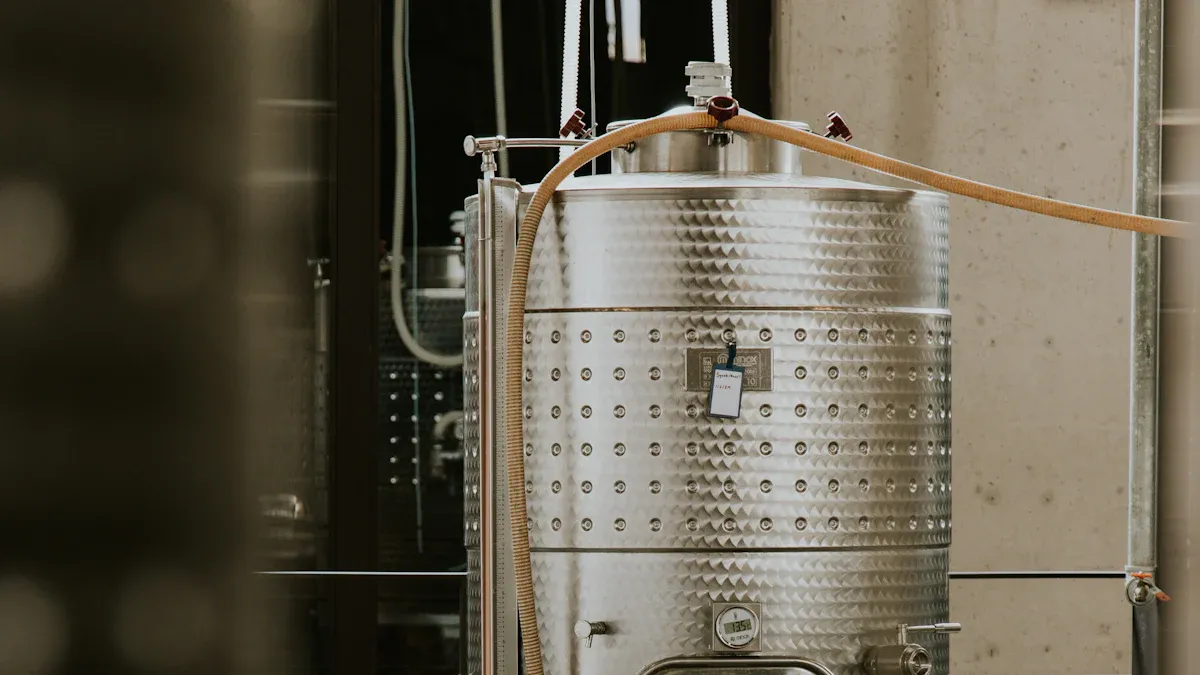
Yes, it is safe to keep wine in a stainless steel tank, often referred to as a craft brewery equipment. Many wineries choose stainless steel tanks because they are clean, durable, and reliable. While some may believe that using a stainless steel tank could alter the taste of wine or be costly, these wine tanks actually maintain the purity of the wine, last for many years, and are fully recyclable. Even a 200L fermentation tank offers the same benefits for smaller-scale production.
A stainless steel tank provides wine with a neutral and secure environment.
Wine tanks are cost-effective over time since they require minimal maintenance.
Stainless steel tanks are environmentally friendly because they can be recycled.
Stainless steel tanks keep the wine’s taste and smell the same. They do not change how the wine tastes or smells. These tanks are simple to clean and take care of. This helps keep the wine safe and clean. Stainless steel tanks last a long time and can be recycled. This makes them good for the environment and winemakers.
Many winemakers use a stainless steel tank for wine storage. These tanks have many good points. They meet tough rules, like SUS304 stainless steel. This type of steel does not rust easily. Stainless steel tanks are used in lots of places. But as a wine tank, they help keep wine safe and high quality.
A stainless steel tank does not change the wine’s taste. The wine keeps its real flavor and smell. Winemakers use these tanks for wines that taste fruity and fresh. The table below shows how stainless steel and oak barrels change wine flavor:
Method | Flavor Profile | Characteristics |
|---|---|---|
Stainless Steel | Fruit-forward, fresh | Neutral aging, allows grape varietal expression, maintains terroir |
Oak Barrels | Complex, creamy texture | Adds aromas like vanilla, caramel, and spices, allows for oxygenation benefits |
Stainless steel tanks are simple to clean. Their smooth surface stops germs from sticking. Studies show cleaning agents work well on stainless steel. They can remove almost all harmful germs. SUS304 stainless steel has a lot of chromium. This makes a shield that keeps the tank strong and safe from damage. Winemakers like this because the tank lasts a long time.
Tip: Stainless steel tanks do not get damaged by grape juice acids. This helps keep the wine good.
Stainless steel tanks can close very tightly. The seams and valves are made with care to keep air out. This tight seal stops air from getting in. It keeps the wine from going bad or changing taste. The table below explains how airtight sealing helps wine:
Evidence Type | Description |
|---|---|
Airtight Sealing | Stainless steel tanks are made with careful seams and strong seals and valves. |
Prevention of Oxidation | The tight seal keeps out oxygen, which is important for keeping wine fresh. |
Impact on Wine Preservation | Oxygen can spoil the wine’s taste and smell, so airtight storage is very important. |
Winemakers pick stainless steel tanks to keep wine fresh, safe, and tasting like it should.
Stainless steel tanks help keep wine fresh. They make a safe space for wine. This helps the wine keep its smell and taste. Stainless steel does not change the wine’s flavor. The real taste of the grapes stays strong. Winemakers use these tanks to show off fruity flavors and natural acidity.
The table below shows how these features help:
Feature | Benefit |
|---|---|
Air-tight seals | Stop oxygen from getting in, so wine stays fresh and keeps its smell. |
Neutral nature of stainless steel | Does not change the taste, so the grapes’ real flavor stands out. |
Temperature control | Keeps the wine at the right temperature, so it stays fresh and smells good. |
Stainless steel tanks keep air out. This means less oxygen touches the wine. The wine keeps its bright fruit taste and natural acidity.
Oxygen can change wine’s taste and smell. Stainless steel tanks keep air away from wine. Tight seals and strong walls stop oxygen from getting in. Oak barrels let in some air, which can change the wine.
Stainless steel tanks keep air out and protect the wine.
They help the wine stay fresh and fruity.
Oak barrels let in air slowly, which can change the wine.
Winemakers can control how much air touches the wine. This helps keep the wine’s real taste and smell.
It is important for wine to taste the same every time. Stainless steel tanks keep the temperature steady and are easy to clean. This helps winemakers make wine that tastes the same in every batch. Stainless steel is smooth, so cleaning is simple. This lowers the chance of germs and keeps wine safe.
Stainless steel tanks last a long time. If cared for, they can be used for over 20 years. This helps winemakers make good wine for many years. The tanks also help with careful fermentation, which is good for all wineries.
Ningbo COFF uses smart ways to make wine tanks. Their tanks have systems to control temperature and watch fermentation. These things help winemakers get good results. Careful parts and strong checks make sure each tank is high quality.
Tip: Picking a stainless steel tank with new features can make fermenting wine easier and more dependable.
Stainless steel tanks help winemakers keep wine good. The safe space, smart tools, and strong build all help protect the wine’s freshness, smell, and taste.
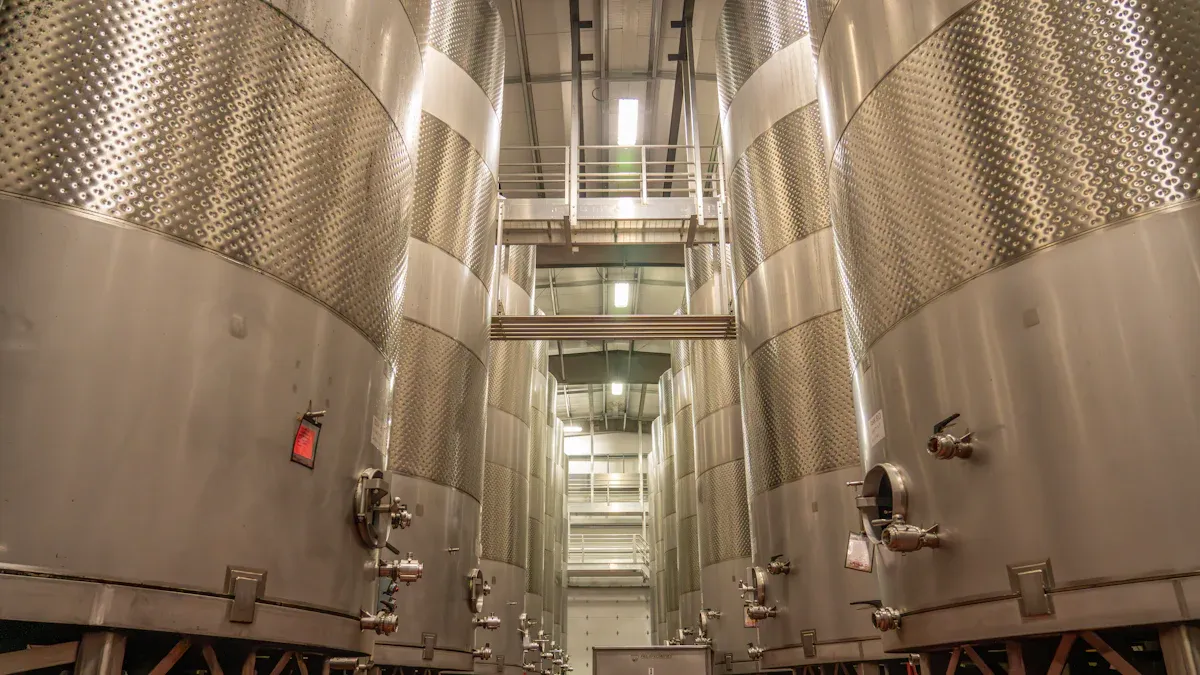
Stainless steel tanks let winemakers control the temperature closely. This helps them decide how fast the wine ferments. It also changes how the wine tastes and smells. These tanks often have cooling jackets and probes. Winemakers use control panels to set the temperature. Stainless steel spreads heat well, so the tank stays at the right temperature. New tanks can heat or cool as needed. Keeping the temperature right helps yeast do its job. It also stops bad bacteria from growing. Winemakers use probe thermometers to check the temperature. They write down the readings every day. These steps help keep the wine’s taste and smell the same.
Temperature control changes how fast wine ferments.
It helps make the wine taste good.
It affects the final taste of the wine.
Stainless steel tanks use cooling jackets and probes.
Heating and cooling systems keep the temperature steady.
Stainless steel tanks work for many kinds of wine. Winemakers use them for red, white, and sparkling wines. The tanks keep the space controlled for even fermentation. They have conical bottoms to help remove sediment easily. Stainless steel tanks do not add any flavors. This means the wine keeps its real taste. Some tanks can handle high pressure, which is needed for sparkling wines.
Feature | Benefit for Wine Types |
|---|---|
Temperature Control | Needed to keep the best temperature for red, white, and sparkling wines. |
Sediment Management | Conical bottoms make it easy to separate wine from sediment, which helps all wine types. |
Neutral Flavor Profile | Keeps the grape’s real taste, so the wine tastes true. |
High Pressure Resistance | Special tanks for sparkling wine can handle pressure, which is important for bubbly drinks. |
Stainless steel tanks are good for small and big wineries. These tanks are strong and do not rust, so they last a long time. They are a smart buy because they stay in good shape. Winemakers can pick the size and features they need. Stainless steel helps keep wine fresh and tasting like the grapes. The tanks seal tightly, which protects the wine’s flavor and acidity. They are easy to clean and take care of, so they last longer. Stainless steel tanks help winemakers make wine that tastes the same every time.
Tip: Custom stainless steel tanks can help wineries work better and reach their goals.
Stainless steel tanks are easy for wineries to clean. The smooth surface stops things from sticking. Workers can get rid of tartaric acid, yeast, and other stuff easily. Cleaning after each use keeps the tank in good shape. High-pressure and steam can help with tough stains. Food-grade cleaners keep the tank safe for wine. Rinsing after cleaning helps protect the wine. Tanks should be kept in a clean, dry place. The temperature and humidity should not change much. Checking tanks often helps find problems early and keeps wine safe.
Clean tanks after every use
Deep clean every few weeks if used a lot
Clean and treat unused tanks sometimes
Use high-pressure and steam for cleaning
Pick food-grade cleaners
Store tanks in clean, dry places
Check tanks often for safety
Tip: Stainless steel tanks help wineries make good wine with less work.
A stainless steel tank is strong and does not rust. It lasts longer than other tank types. It does not get damaged by acids or cleaners. The table below shows how tanks compare:
Type | Durability | Maintenance Requirements |
|---|---|---|
Plastic | Not very strong, scratches easily | Easy to clean but does not last long |
Stainless Steel | Very strong, does not rust | Easy to clean, needs checks sometimes |
Oak Barrels | Does not last long, wears out | Needs cleaning and sulfur often |
Concrete Tanks | Somewhat strong, can crack | Hard to clean, needs sealing |
Stainless steel tanks can last for many years. Wineries do not need to replace them often. They work well for a long time.
Wine makers must follow rules to keep wine safe. Stainless steel tanks meet food safety rules from groups like the FDA and EFSA. These tanks help save water and energy, which is good for the environment. ISO rules make sure tanks are made safely and with good quality. Food-grade stainless steel is needed for wine tanks.
Regulatory Standard | Description |
|---|---|
Food safety standards | Rules from FDA and EFSA to keep tanks clean and safe. |
Environmental regulations | Rules to use less water and energy when making wine. |
ISO compliance | International rules for safe and good tank making. |
Material safety regulations | Rules to use food-grade stainless steel for wine tanks. |
Note: Following these rules keeps wine safe and helps wineries make good products.
Stainless steel tanks do not add flavors to wine. Oak barrels give wine extra taste and texture. Some people like the vanilla, spice, or caramel notes that oak brings. Stainless steel keeps wine crisp and fresh. The wine stays light and clean. The fruit flavors stand out more. The acidity stays sharp. Many winemakers choose stainless steel for wines that need a bright and pure taste.
Stainless steel wines show crisp acidity and bright fruit flavors.
The wine keeps a clean profile and lighter body.
The absence of oak helps preserve freshness and fruit-forward character.
Winemakers who want complex flavors often use oak barrels. Stainless steel tanks work best for wines that need a simple and fresh style.
Not every wine fits well in a stainless steel tank. Bold reds and full-bodied whites need oak barrels. Oak helps these wines develop deeper flavors and more structure. Cabernet Sauvignon, Merlot, and Chardonnay often age in oak. These wines gain special tastes and benefits from the wood.
Bold reds and full-bodied whites are less suitable for stainless steel tanks.
Wines like Cabernet Sauvignon, Merlot, and Chardonnay benefit from oak aging.
Winemakers must pick the right tank for each wine style. Stainless steel works best for wines that need freshness and fruit.
Note: Stainless steel tanks can have some challenges. Common issues include temperature changes, noise, condensation, and surface maintenance. The table below shows these problems and solutions.
Issue | Description | Solution |
|---|---|---|
Temperature Fluctuations | Inconsistent temperature from heat or thermostat problems. | Place tank away from heat and check thermostat often. |
Excessive Noise | Loud sounds from compressor or fan. | Check for loose parts and keep tank level. |
Condensation and Humidity Issues | Too much moisture or low humidity affects corks. | Watch humidity and add water if needed. |
Stainless Steel Surface Maintenance | Fingerprints and scratches on tank. | Clean with soft cloth and mild soap. |
LED or Lighting Malfunctions | Flickering or dim lights. | Check power and replace lights. |
Shelf or Rack Misalignment | Shelves not lined up right. | Follow weight rules and inspect shelves. |
Door Seal and Alignment Problems | Door not sealing well. | Replace gaskets and adjust hinges. |
Picking the right wine tank means knowing what you need. Wineries should measure their space first. They need to plan where tanks will go for easy use. The tank size should match how much wine they make. This helps keep wine good and stops waste. Tanks with lids that move can hold different amounts. Wide openings help make red wine faster. Tanks with temperature controls keep fermentation steady. COFF makes stainless steel tanks that can be changed. Wineries can pick features that work best for them.
Key factors to consider:
Pick a tank size that fits how much wine you make.
Choose strong materials like AISI 304 stainless steel.
Look for tanks with lids that move and temperature controls.
Tip: Custom stainless steel tanks let wineries choose what they need.
Certifications prove a wine tank is safe and high quality. COFF’s tanks have important certifications like ASME and AS1210. These show the tanks are safe for wine and follow world rules. The table below lists some certifications and what they mean:
Certification | Description |
|---|---|
ASME | Shows safety and quality for pressure tanks |
CE | Meets European safety rules |
ISO | Follows world quality standards |
FDA | Uses safe materials for food and drinks |
Stainless steel tanks are easy to clean. Workers should clean tanks after each use. Deep cleaning every few weeks helps too. Food-safe cleaners and strong rinsing remove leftover stuff. This keeps tanks safe for wine. Checking tanks often helps find problems early. COFF’s stainless steel tanks have smooth surfaces and are easy to reach. This makes cleaning and care simple.
Note: Cleaning tanks well helps them last longer and keeps wine safe.
Stainless steel tanks keep wine safe and fresh. Experts say these tanks help wine stay tasty and easy to clean. Winemakers like them because they save money and last long. These tanks work well for people who want wine to taste the same every time. They also help make wine quickly and keep it good.
Stainless steel tanks do not add flavors to wine. They help preserve the natural taste and aroma of the grapes.
Winemakers use stainless steel tanks for fermenting in tanks. These tanks work well for white, rosé, and sparkling wines.
Winery staff use food-safe cleaners and rinse tanks with water. Regular cleaning keeps tanks safe and ready for the next batch.