



COPYRIGHT © 2022 COFF International Co., ltd. ALL RIGHTS RESERVED


Stainless steel fermenter tanks look cool to many brewers for a good reason. They are strong and do not rust, so they last much longer than plastic or glass. Look at these numbers:
Material | Average Lifespan (Years) | Corrosion Resistance |
|---|---|---|
Stainless Steel | 20+ | Excellent |
Plastic | 5-10 | Poor |
Glass | 5-10 | Fair |
People who want clean brewing often choose a 100L stainless steel fermenter, as this type of fermenter tank keeps flavors pure and is easy to clean. Stainless steel fermenters also help brewers control temperature more effectively. Anyone thinking about a fermenter tank—whether a basic model or a larger stainless steel tank—should consider their goals and budget. These fermenters cost more at first, but they are worth it over time. Homebrewers and professionals alike notice the improved quality and reliability that stainless steel fermenters provide.
Stainless steel fermenters can last more than 20 years. This makes them a good choice for brewers who want to invest for a long time. – These fermenters are simple to clean. This helps keep things sanitary and stops bad tastes from getting in the beer. – Stainless steel helps control temperature very well. This lets brewers get the same good results with every batch. – Stainless steel fermenters cost more at first than plastic or glass. But they save money later because they are strong and do not need much care. – Both new and skilled brewers can use stainless steel fermenters. They make brewing better and easier for everyone.
Stainless steel fermenters are popular in brewing. Many brewers pick them for better results and easy brewing. These tanks have many good points for homebrewers and pros.
Stainless steel fermenters are tough. They last a long time and do not scratch easily. Brewers do not worry about dents or cracks.
Cleanliness is important in brewing. Stainless steel fermenters have a smooth surface. Cleaning is easy and bad flavors stay away. Brewers trust these tanks to keep beer tasting good.
Temperature control is a strong feature. Stainless steel fermenters handle heat well. Brewers can change temperatures exactly. This helps make beer taste the same every time.
Many brewers like how stainless steel fermenters look. These tanks have a shiny design. They make brewing setups look professional. People say the special features make brewing fun and simple.
Stainless steel fermenters help brewers make better beer. The tanks help with good fermentation and flavor. Brewers notice better results in every batch.
Tip: Stainless steel fermenters like the ones from NingBo COFF Machinery Co., ltd. come in different sizes and transfer heat well. These features help brewers reach their goals and make better beer.
Stainless steel fermenters have some bad points. Brewers should know these before buying.
Price is the biggest problem. Stainless steel fermenters cost more than plastic ones. New brewers or people with less money may think the price is too high.
Weight is another issue. Stainless steel fermenters are heavier than plastic. Moving them when full is hard.
Brewers must think about these bad points and good points. Many brewers believe the better quality and long life make stainless steel fermenters a good choice.
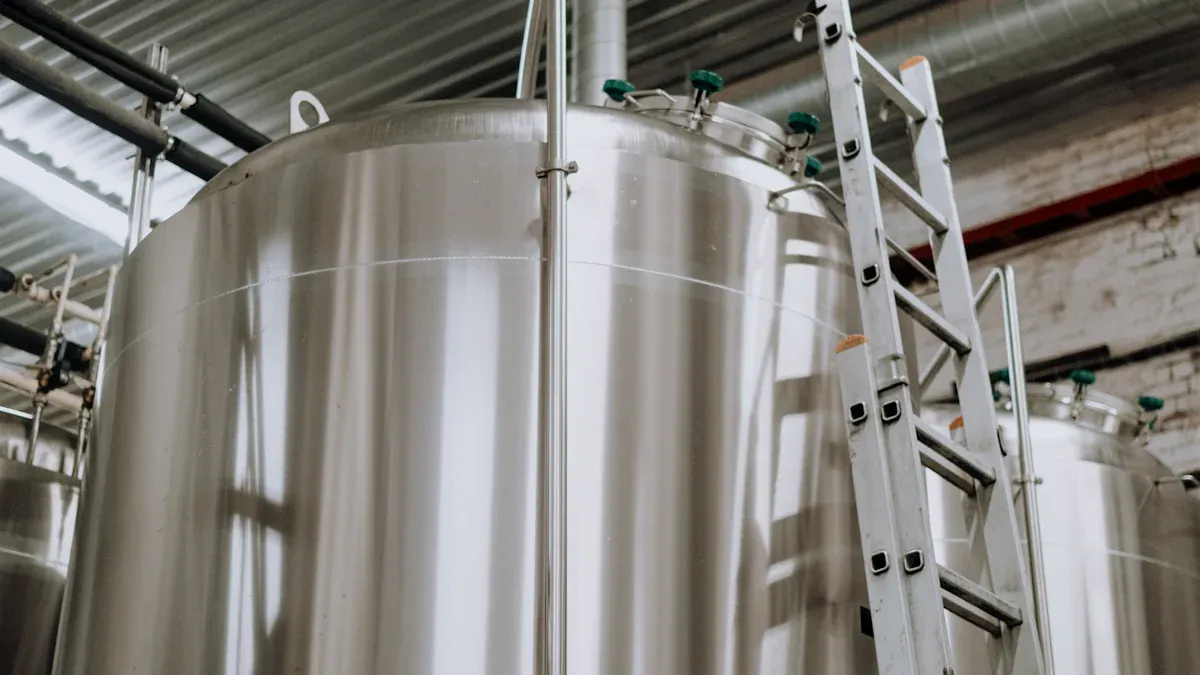
Stainless steel fermenters are very strong. They last much longer than plastic or glass. Many breweries use them because they do not rust or break easily. The smooth surface keeps the tank safe from scratches and cracks. This means you do not need to fix or replace them often. If you clean them well, they can last 25–30 years or more. This makes them a smart choice for people who want to brew for a long time.
Brewers see that stainless steel fermenters keep their shape and strength for years. The shiny surface stops stuff from sticking and can handle hard cleaning. Stainless steel fermenters are safe for food, so they keep beer safe to drink. Both homebrewers and pros trust them because they last a long time.
Note: Stainless steel fermenters from NingBo COFF Machinery Co., ltd. are strong and come in many sizes. These tanks are high quality and help brewers make more beer without losing quality.
Stainless steel fermenters work better than plastic in big breweries because they are cleaner, easier to control, and last longer.
The smooth surface stops flavors or colors from sticking and does not scratch easily.
Stainless steel gives the same flavor every time and costs less over many years.
Keeping things clean is very important in brewing. Stainless steel fermenters are easy to clean. Their smooth surface does not let dirt or germs hide. Brewers can clean and sanitize these tanks fast, so the beer stays safe. Food-grade stainless steel does not get ruined by cleaning products.
Plastic fermenters can get rough and need to be replaced more often. Glass fermenters are easy to clean but can break. Stainless steel fermenters are both easy to clean and strong. Brewers can use strong cleaners without hurting the tank. This keeps the beer good and stops germs from getting in.
Stainless steel fermenters are easier to clean and last longer than plastic ones.
Glass fermenters are smooth and easy to clean but break more easily than stainless steel.
All fermenters need to be cleaned before use, but stainless steel makes it simple and works well.
Stainless steel fermenters help make better beer. The smooth surface keeps flavors pure and smells fresh. Brewers get better taste and smell with stainless steel fermenters. These tanks do not change the taste of beer or cider. They also help keep out oxygen, so the beer stays good.
Brewers can watch the brewing process and fix problems fast. This helps make better beer every time. Stainless steel fermenters can handle pressure, which helps make better cider and beer. The BrewMonitor System lets brewers check fermentation all the time, so they keep quality high.
Benefit | Description |
|---|---|
Corrosion Resistance | Stainless steel does not rust, so the tank stays strong. |
Durability | The strong material helps the tank last longer and saves money. |
Ease of Cleaning | The smooth surface is easy to clean and keeps germs away. |
Non-Reactive Nature | The tank does not react with beer, so the taste stays the same. |
Structural Integrity | The tank is strong and good for making lots of beer. |
Stainless steel fermenters keep beer good for a long time and work well.
Brewers notice better smells and tastes in their beer and cider.
Stainless steel fermenters are the best for pros who want great results.
Controlling temperature is important in brewing. Stainless steel fermenters help control temperature very well. They use special systems like cooling jackets or heaters. Brewers can set the right temperature for brewing. This keeps the process steady and makes better beer.
You can pick the right size and get good heat transfer with stainless steel fermenters. Brewers can choose what they need. Good heat transfer means the tank cools down fast and keeps brewing even. This saves money and helps make better beer.
Feature | Impact on Brewing Efficiency |
|---|---|
Tailored Capacities | Lets brewers make the right amount of beer. |
Thermal Efficiency | Keeps temperature steady, which is important for brewing. |
Customizable Options | Lets brewers change things for new recipes. |
Efficient Heat Transfer | Cools down fast and keeps brewing even, saving money. |
Fermenter Type | Temperature Control Features |
|---|---|
Stainless Steel | Has cooling jackets or heaters for perfect temperature. |
Oak Barrels | No temperature control, so brewing can change a lot. |
Concrete Tanks | Keeps temperature steady but not as good as stainless steel. |
Stainless conical fermenters also help keep out oxygen and keep flavors good. Brewers trust stainless steel fermenters to make good beer and cider every time. The shiny look of stainless steel fermenters makes any brewing setup look better.
Tip: Stainless steel fermenters from NingBo COFF Machinery Co., ltd. are safe for food, come in many sizes, and move heat well. These things make them the best for long-term use and great brewing.
Stainless steel fermenters cost more than other choices. New brewers might be surprised by the price. Some homebrewers worry about spending so much money. They wonder if buying one is worth it later. Stainless steel fermenters last a long time and are safe. But the high price can be hard for people with less money. Brewers who want to brew for years see the value. They know strong tanks mean fewer replacements and safer batches.
Stainless steel fermenters are heavier than plastic or glass. The extra weight makes moving them harder when full. Some tanks have features that help with carrying. For example:
Handles make lifting easier.
Some stainless steel fermenters weigh like plastic carboys, so moving is not too hard.
The tank’s shape and size can change how easy it is to lift.
Homebrewers sometimes worry about lifting heavy tanks. They want strong tanks but also want to move them easily.
Taking care of stainless steel fermenters helps them last longer. Brewers need to clean and store their tanks the right way. Good care keeps the tank safe and strong. Here is a table with important routines:
Maintenance Routine | Description |
|---|---|
Proper Storage Techniques | Keep tanks in a clean, dry place. Use covers and keep tanks off the ground outside. |
Avoiding Physical Damage | Handle tanks gently. Check for dents and scratches often. Fix problems quickly. |
Long-Term Maintenance | Clean and passivate tanks often. Make a schedule for cleaning and checking. |
Cleaning Frequency | Clean tanks after every use. Do a deep clean every few weeks. |
Effective Cleaning Methods | Use high-pressure or steam cleaning. Scrub hard-to-reach spots by hand. |
Safe Cleaning Agents | Use food-grade cleaners. Stay away from harsh chemicals. Rinse well after cleaning. |
Stainless steel fermenters need regular care to stay strong and safe. Brewers who follow these steps get better results and protect their tanks.
Stainless steel fermenters are good for the environment. They last for decades and can be recycled. This means less waste and better use of resources than plastic or glass.
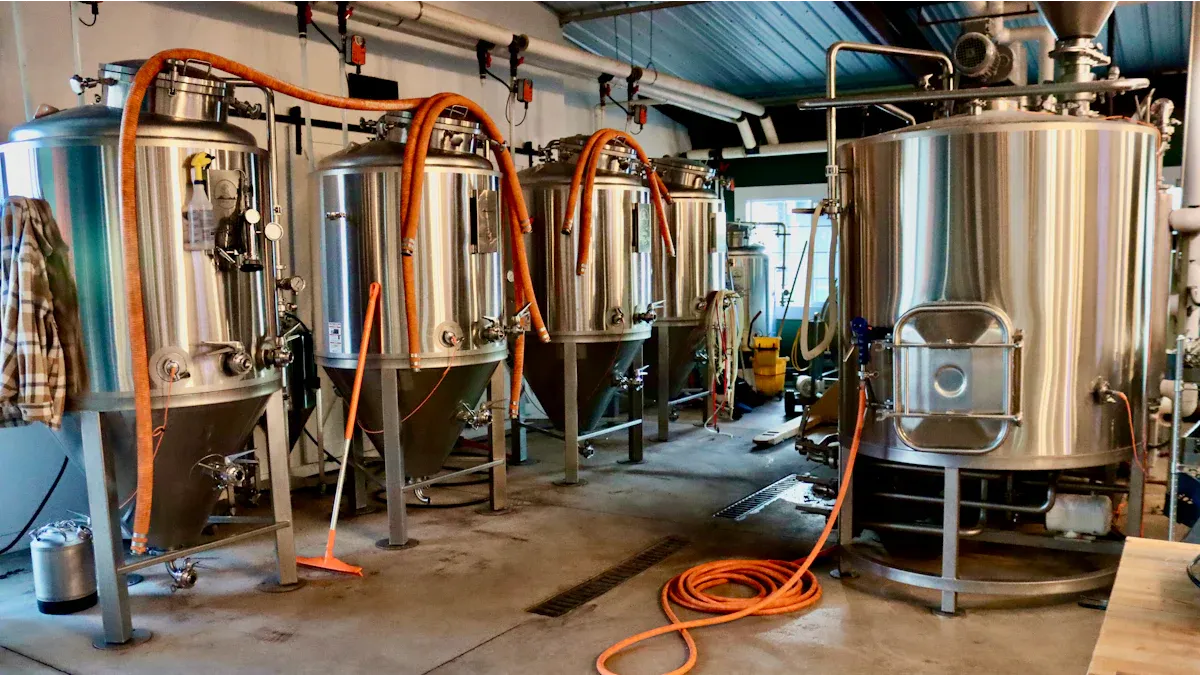
Brewers want to know how stainless steel and plastic fermenters compare. Stainless steel fermenters are strong and last a long time. They do not scratch easily and stay clean. This helps keep the tank safe for food. Plastic fermenter tanks cost less and are lighter. But they scratch fast and can hold germs. Stainless steel fermenters control temperature better. Some have cooling systems to keep brewing steady. Plastic tanks do not handle heat well. This can change the smell and taste of the brew. Many cider makers and homebrewers pick stainless steel fermenters. They trust them for safe brewing and good results.
Feature | Stainless Steel Fermenters | Plastic Fermenters |
|---|---|---|
Durability | Long-lasting, scratch-resistant | Prone to scratches, less robust |
Sanitation | Easy to clean, non-porous | Difficult to sanitize, porous material |
Temperature Control | Better heat resistance, built-in cooling options | Limited heat tolerance, less precise control |
Cost | Generally more expensive | Cost-effective, lightweight |
Glass fermenter tanks let brewers see inside while brewing. But glass breaks easily and is hard to move. Stainless steel fermenters are very strong and do not break. They are good for long-term use. Glass tanks can crack if the pressure or heat gets too high. This can be unsafe and hurt the brew. Cleaning glass tanks can be tricky. Scratches in glass can hold germs. Stainless steel fermenters use safe materials for food. Many have cleaning systems to stop germs. Cider makers trust stainless steel fermenters because they last and work well.
Feature | Glass Fermenters | Stainless Steel Fermenters |
|---|---|---|
Risk of Breakage | Brittle, can break or crack under shock or thermal stress. Once damaged, typically irreparable. | Robust, excellent strength and impact resistance, less likely to shatter. |
Handling | Heavy, cumbersome, and dangerous when full. | Designed for ease of handling with structural reinforcements. |
Contamination Risk | More prone to contamination during handling due to the need to open the vessel for sampling. | Integrated systems allow for cleaner operations, minimizing exposure to contaminants. |
Cleaning and Maintenance | Cleaning can be awkward, and scratches can harbor microbes. | CIP systems allow for cleaning without opening the vessel, reducing contamination risk. |
Brewers should think about a few things before picking a tank. The size matters because it changes how much they can make. The material is important for strength and keeping things clean. Stainless steel fermenters are safe for food and work well. Cooling systems help control temperature and keep brewing steady. Cleaning is easier with stainless steel fermenters. Extra features like sample ports or gauges help a lot. Glass tanks let brewers watch the process but break easily. Plastic tanks are light and cheap but may not last or stay clean. Brewers who want good results and safe brewing often pick stainless steel fermenters.
Tip: Stainless steel fermenters help brewers get better smells, safer brewing, and great results for homebrewers and cider makers.
Stainless steel fermenters can shock new brewers with their price. The cost is high when you compare it to plastic or glass. Many homebrewers ask if paying more is worth it. Stainless steel fermenters have strong features and are safe for food. These tanks are known for being tough and high quality. Over time, brewers do not need to replace or fix them as much. This saves money after brewing many times.
Stainless steel fermenters cost more at first because they are built well and have special designs.
Over time, you save money because you do not need to buy new tanks or fix them often. The tanks also keep brewing safe and steady.
Food-grade stainless steel helps keep every batch clean and safe.
Brewers who care about quality and want to brew for years pick stainless steel fermenters. They know the money spent brings better smells and the same results every time. Professional cider makers also use these tanks for safe brewing and pressure fermentation.
Note: Stainless steel fermenters help brewers save money in the long run because they last longer and keep brewing good.
Stainless steel fermenters keep their value when sold used. Many cider makers and breweries sell their old tanks for good prices, even after years. The tanks are strong and safe for food, so buyers want them. Used stainless steel fermenters can cost thousands, depending on the brand and shape. Brands like Arsilac and Criveller show that good tanks keep their value.
Fermenter Type | Average Resale Value | Lifespan (Years) |
|---|---|---|
Stainless Steel | $2,695 – $18,480 | 20+ |
Plastic | Low | 5-10 |
Glass | Moderate | 5-10 |
Brewers think stainless steel fermenters are a smart buy. The tanks last for many years and work well. The safe materials and strong build mean less worry about safety or quality. Stainless steel fermenters are a good choice for people who want to brew for a long time.
Homebrewers sometimes worry about fitting stainless steel fermenters in their space. They should check how tall the cellar is and how much floor space they have. It is smart to pick fermenters that match the size of their brewing batches. This makes brewing easier and smoother. If brewers plan to grow, they can save money and avoid problems later. The table below shows what to think about when choosing and placing tanks:
Key Consideration | Description |
|---|---|
Brewhouse Match | Fermenters should be sized as multiples of the brewhouse batch size to optimize workflow. |
Turnaround Time | Different fermentation times for ales and lagers affect tank capacity needs. |
Sales Velocity & Mix | Understanding product sales speed helps determine the number and size of tanks needed. |
Number of Tanks | A starting point of 4-6 fermenters and 1-2 brite tanks supports continuous brewing cycles. |
Physical Space | Accurate measurements of cellar height and floor space dictate tank dimensions and layout. |
Future Growth | Planning for expansion ensures long-term efficiency and cost-effectiveness in equipment choices. |
Brewers who measure their space and plan ahead find stainless steel fermenters fit well. This helps them keep brewing without trouble.
Keeping stainless steel fermenters clean is very important for good beer. Brewers use a simple cleaning routine to keep tanks safe. They use strong cleaners and special sanitizers to protect taste and smell. Here is a cleaning routine many homebrewers use:
Pre-Brew Preparation: Clean all tools before sanitizing. Use sodium carbonate and pick no-rinse sanitizers like Star San or Iodophor.
Post-Brew Cleaning: Clean right after brewing. Take out any leftover stuff, rinse with hot water, and use sanitizer.
Deep Cleaning: Every few months, soak the equipment in a strong cleaner. Check for any buildup or damage.
Cleaning tanks often helps stainless steel fermenters last longer and work better. Brewers who clean right after brewing see fewer problems and better results.
Tip: Brewers who use stainless steel fermenters notice their beer smells fresh and stays safe every time.
Many homebrewers start with plastic or glass fermenters. Later, they switch to stainless steel for better quality and strength. They want equipment that lasts for years and works well. Stainless steel fermenters give long-term value and pro results. Brewers who upgrade find cleaning is easier and brewing is more controlled. Their beer also tastes better. Professional cider makers pick stainless steel for steady brewing and strong tanks.
Homebrewers who upgrade see their brewing area looks more pro. They have fewer problems with germs and enjoy better smells in each batch. Stainless steel fermenters help brewers reach their goals and keep brewing fun.
Some brewers worry that stainless steel fermenters might change beer taste. They think the metal could add flavors or take away from the brew. But tests show beer from stainless steel fermenters tastes just as good as beer from other tanks. Experts did blind taste tests and found no big differences in flavor.
Study Type | Findings |
|---|---|
Sensory Evaluation | Blind taste tests found no real flavor changes between stainless steel and other materials. |
Comparative Brewing Trials | Side-by-side tests showed beer tasted the same in stainless steel and other tanks. |
Stainless steel fermenters keep beer pure and safe. They do not react with the beer, so the quality stays high. Brewers trust these tanks to keep every batch tasting great.
Stainless steel fermenters make brewing easier for everyone. They have features that help both new and experienced brewers. Many tanks have big openings, built-in cleaning systems, and strong handles. These things save time and make cleaning simple. The table below shows how these tanks help with brewing:
Feature | Contribution to Ease of Use |
|---|---|
Durability | Lasts a long time and does not need to be replaced often. |
Easy Cleaning | Makes cleaning and sanitizing fast and simple. |
Better Temperature Control | Lets brewers set the right temperature for better beer. |
Built-in Functionalities | Adds helpful features to make brewing easier. |
Brewers like that stainless steel fermenters are strong and safe. They use special connections and have ports for easy cleaning. These tanks help keep brewing safe and smooth.
Some people think only pros use stainless steel fermenters. That is not true. Many beginners start with these tanks and find them easy to use. They like that the tanks are simple to set up and do not change the taste of the beer. Here are some common thoughts from brewers:
One brewer switched from glass to stainless steel and got better results.
Beginners like these tanks because they are easy to clean and use.
The tanks help new brewers focus on making good beer and staying safe.
Many experts say stainless steel fermenters are good for everyone.
Some homebrewers think stainless steel fermenters are always best, but it depends on what you need. Others worry about not seeing the beer inside, but many tanks have ways to check. There are also cheaper options, so price does not have to stop you.
Tip: Professional brewers get good help from the companies that make these tanks. They can get help with fixing tanks and finding parts fast, so brewing stays safe and high in quality.
Stainless steel fermenters are a good choice for serious brewers. Experts say these tanks last a long time and are safe for food. They help brewers control the brewing process for many years. Homebrewers and cider makers get better beer and cider every time. These tanks give the same results with each batch. People who want pro equipment should look at brands like NingBo COFF Machinery Co., ltd. Fermenter Tank. Brewers can read reviews and talk to other cider makers before buying. They should pick the right size for their brewing needs. Buying these tanks helps brewers make great drinks and saves money over time.
Most stainless steel fermenters stay strong for over 20 years. Brewers see these tanks keep their shape and work well after many batches. Good cleaning helps them last even longer.
Yes, beginners can use stainless steel fermenters. These tanks have simple designs and easy cleaning steps. Many new brewers start with stainless steel and enjoy better results right away.
No, stainless steel fermenters do not change beer flavor. The metal does not react with the brew. Brewers notice pure taste and fresh smell in every batch.
Stainless steel fermenters clean up fast. The smooth surface does not hold germs or dirt. Brewers use basic cleaners and get good results with less effort.