


COPYRIGHT © 2022 COFF International Co., ltd. ALL RIGHTS RESERVED


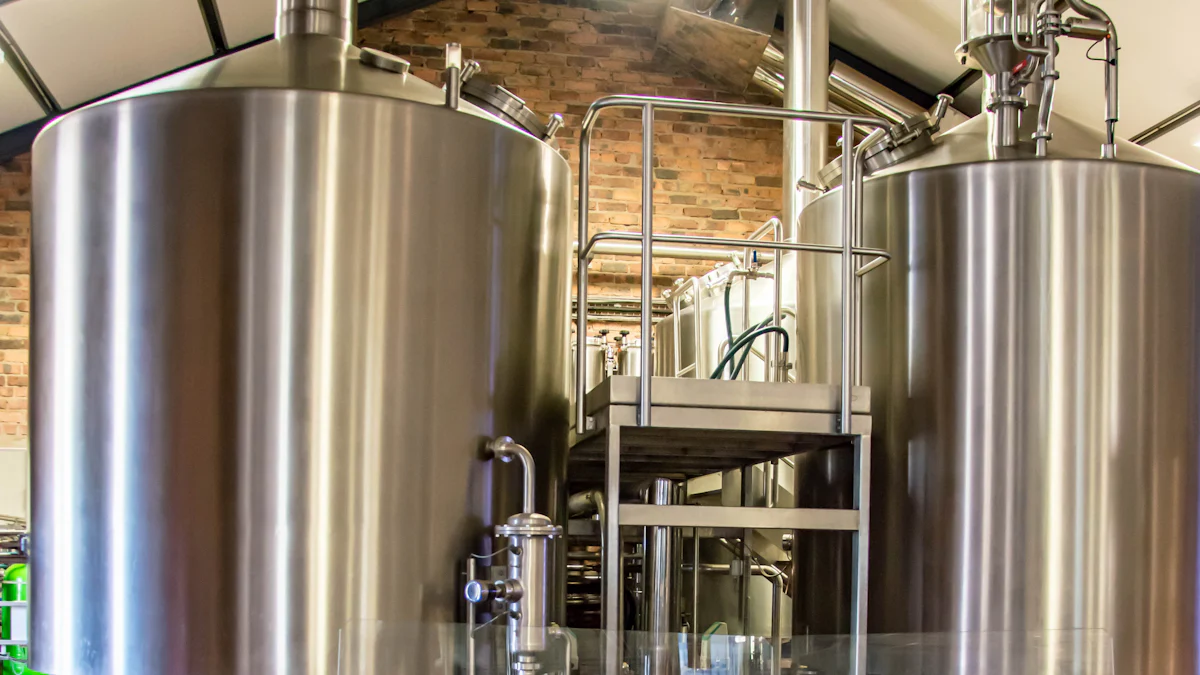
A stainless steel tank can have an impressive life expectancy, lasting anywhere from 15 to 50 years. With regular care, some tanks can exceed 30 years, and a few exceptional tanks may even last up to 100 years. Ningbo COFF utilizes SUS304 stainless steel, known for its strength and cleanliness. The smooth surface effectively prevents rust, moss, and bacteria from developing. Proper maintenance is crucial for maximizing the tank’s life expectancy, as the location and usage of the tank also significantly influence its longevity.Ningbo COFF offers a variety of stainless steel tank products ,and is also a manufacturer of pro tanks.
Stainless steel tanks can last from 15 to 50 years. Some tanks last up to 100 years with good care. The quality of stainless steel, like SUS304, affects how strong the tank is. It also helps the tank resist rust and corrosion. Regular maintenance is very important for the tank. This means checking the tank and cleaning it the right way. Doing this helps the tank last longer. Things like humidity and saltwater can change how long the tank lasts. Pick a good place to put the tank. Choosing the right tank material is important. Follow what the manufacturer says to keep the tank working well and safe for many years.
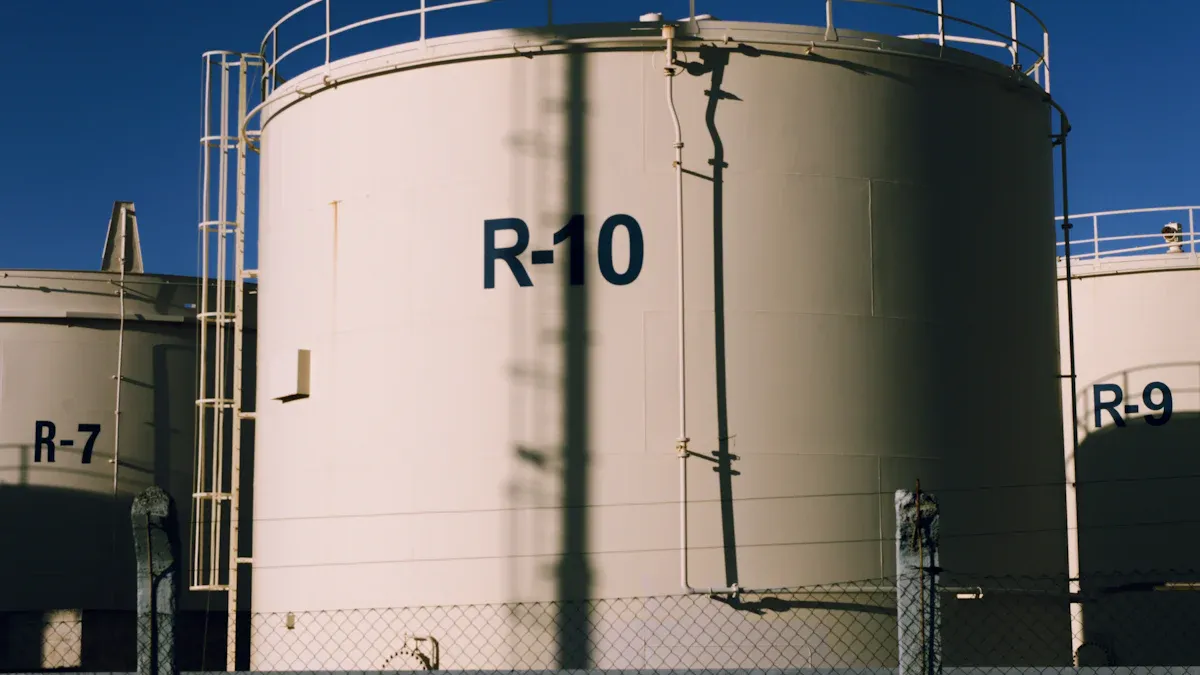
Stainless steel tanks are known to last a long time. Most tanks in food and drink businesses last 15 to 20 years. Some tanks can last 50 years or more with good care. A few tanks might last up to 100 years if kept in perfect conditions. The life expectancy of a stainless steel tank depends on many things. These include the quality of the material and how people use the tank.
Ningbo COFF Machinery makes tanks with SUS304 stainless steel. This material is strong and does not rust easily. Tanks made from SUS304 stainless steel last longer than tanks made from weaker materials. COFF’s tanks follow international rules. This helps make sure they are safe and strong.
Stainless steel tanks can be used in many industries for a long time. They are a smart choice for people who want something that lasts.
Many things can change how long a stainless steel tank will last. The most important things are the quality of the material, where the tank is placed, and how well it is cared for.
Material Quality: Tanks made from high-grade stainless steel like SUS304 do not rust or break down as fast as tanks made from weaker steel.
Certifications: Tanks with international certifications, like ISO9001-2005 and EU CE, are made to higher standards. These certifications mean the tank has passed tough tests for safety and strength.
Tank Name | ISO9001-2005 | ISO14001-2015 | OHSAS18001-2007 | EU CE Certification |
|---|---|---|---|---|
Chenma Stainless Steel Tank | Yes | Yes | Yes | Yes |
Gpi Stainless Steel Tank | Yes | Yes | Yes | Yes |
Southern Tank | Yes | Yes | Yes | Yes |
Prettech Tank | Yes | Yes | Yes | Yes |
Intranox Tank | Yes | Yes | Yes | Yes |
Maintenance: Taking care of a tank can help it last much longer. Good care means checking the tank often, keeping it dry, and cleaning it the right way.
Maintenance Practice | Impact on Longevity |
|---|---|
Regular Inspections | Finds rust or damage early |
Keep Dry | Stops rust from too much water |
Proper Cleaning | Keeps the tank clean and stops germs from growing |
Environment: Tanks in tough places, like areas with lots of water or chemicals, may not last as long. Tanks in clean and dry places usually last longer.
A stainless steel tank from COFF, made with SUS304 and built to international rules, can work well for many years. Good care and the right place help the tank last as long as possible.
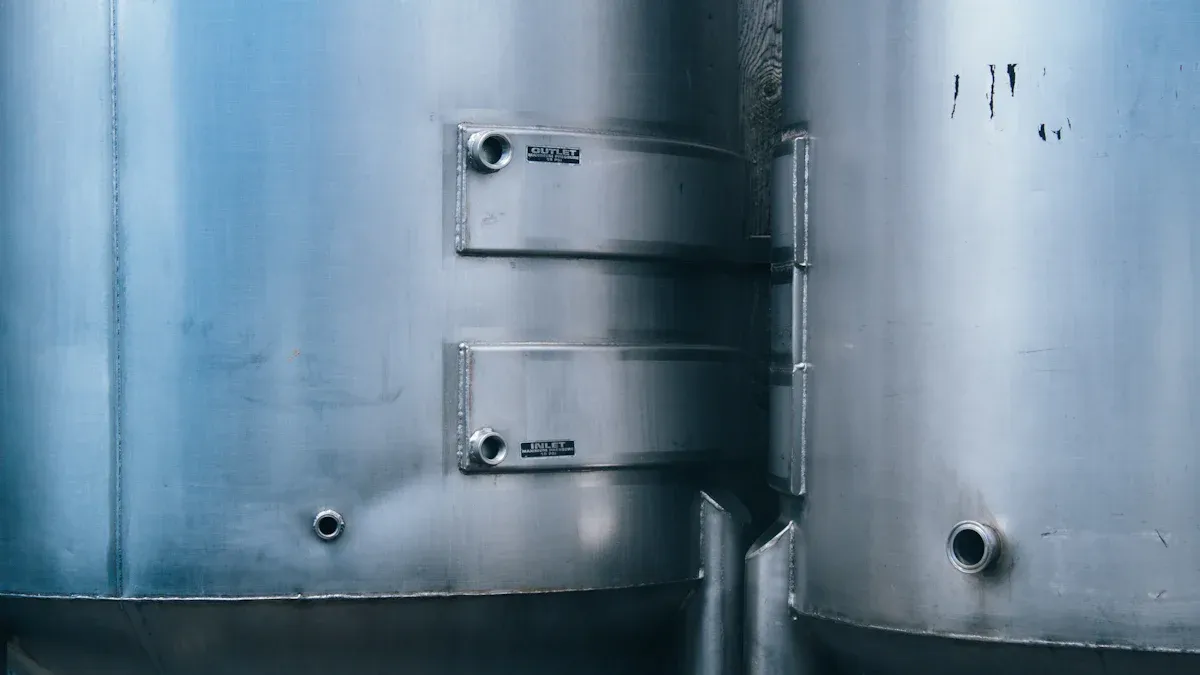
The type of stainless steel matters a lot for corrosion. SUS304 is used in many industries. It works well where there are not many harsh chemicals or salt. SUS316 protects even better. Molybdenum in SUS316 helps against saltwater and chlorides. This makes SUS316 best for outdoor use and marine places. It is also good for industries needing strong corrosion resistance.
SUS304 works for regular storage and processing.
SUS316 is best for places with salt, chemicals, or lots of moisture.
SUS316 lasts longer in tough spots because it stops pitting and local corrosion.
Picking the right grade helps a stainless steel tank last longer.
Where a tank is placed affects how long it lasts. Tanks near the sea or in wet climates have more problems. Saltwater can cause pitting and corrosion. Lots of moisture makes water drops form, which speeds up rust and weakens the metal. Coastal areas also have strong sunlight and storms that test the tank’s strength.
Tip: Tanks in wet or salty places need extra care to stay strong for years.
Some common issues are bottom plate corrosion from water in the ground and corrosion from acidic gases in the air. Changes in temperature also affect tanks. Stainless steel gets bigger when it gets hot, which can make parts move or get stressed. High heat can weaken the tank’s protective layer, so corrosion starts more easily.
To keep tanks safe in tough places, makers use anti-corrosion treatments. These treatments help protect the tank and lower the cost to take care of it.
Environmental Factor | Effect on Stainless Steel Tank |
|---|---|
Saltwater | Causes pitting and local corrosion |
High Humidity | Speeds up rust and weakens metal |
Temperature Fluctuations | Makes metal expand and raises corrosion risk |
UV Exposure | Can harm the surface and structure |
A tank made with the right material and put in a safe place will last longer and work better.
Stainless steel tanks last much longer than plastic tanks. Most stainless steel tanks work for 20 to 50 years. They do not rust or corrode easily. Plastic tanks usually last only 10 to 20 years. Sunlight and damage can make plastic tanks break sooner. Stainless steel tanks do not need to be replaced as often.
Advantage/Disadvantage | Stainless Steel Tanks | Plastic Tanks |
|---|---|---|
Durability | Lasts a long time; does not get damaged by sunlight | Gets weaker from sunlight and hits |
Corrosion Resistance | Does not rust easily | Can rust in some places |
Maintenance | Simple to clean | Needs cleaning more often |
Food-Grade Quality | Always safe for food | Sometimes not safe for food |
Sustainability | Can be recycled | Harder to recycle |
Temperature Control | Keeps temperature steady | Does not keep temperature well |
Customization | Can be made in many ways | Not many choices |
Appearance | Looks modern | Not as nice looking |
Resilience | Stays strong in bad weather | Breaks easier |
Investment Value | Costs more at first, saves money later | Costs less, needs replacing more |
Stainless steel tanks are cleaner and better for the environment. They also keep water at the right temperature.
Stainless steel tanks work better than carbon steel tanks in wet or chemical places. Stainless steel does not rust easily. Carbon steel needs special treatments to stop rust. Carbon steel tanks rust faster, especially with chemicals. Stainless steel tanks stay strong for many years.
Stainless steel tanks need cleaning and special care in places with chloride.
Carbon steel tanks need lots of care. If not cared for, they break faster.
Stainless steel tanks can hold strong chemicals safely.
Carbon steel tanks need extra care to stop rust.
Both tanks need care, but stainless steel tanks need less work.
Stainless steel tanks last 30 to 40 years in water plants. Concrete tanks do not have a set life because they break in different ways. Concrete tanks often crack or rust inside. Stainless steel tanks can get rust spots or small holes, but these are easier to fix.
Tank Material | Common Failure Modes |
|---|---|
Concrete | Cracks, rust inside, gets worn out |
Stainless Steel | Rust spots, stress cracks, small holes |
Stainless steel tanks last longer and are easier to take care of than concrete tanks.
Taking care of stainless steel tanks helps them last longer. Good maintenance keeps tanks clean and safe. Many companies suggest these steps:
Maintenance Protocols | Description |
|---|---|
Regular Inspections | Look for damage two times each year. |
Cleaning Procedures | Empty the tank, clear out dirt, wash, rinse, and dry it. |
Inspect Seals and Gaskets | Check for old parts and change them to stop leaks. |
Water Quality Monitoring | Test water for problems or bad things. |
Preventive Measures | Keep tanks out of sunlight and control temperature changes. |
Professional Maintenance | Get experts to check and fix tanks when needed. |
Addressing Corrosion | Fix rust fast with cleaners or call experts for help. |
Cleaning and checking tanks often stops rust and keeps germs away. These actions protect the tank and save money on repairs. If you do not take care of the tank, it can rust, leak, or cause health problems.
Putting in the tank the right way helps it last longer. Using the tank carefully also matters. Mistakes can make tanks break sooner. Here are some tips:
Use the right parts so the tank does not leak.
Do not use carbon steel tools, as they can leave iron and cause rust.
Pick the right stainless steel grade for what you need.
Make sure welds are smooth and have no problems.
Design tanks so cleaning and fixing them is easy.
COFF uses special cutting, welding, and polishing. These steps help stop problems and make sure tanks are high quality.
Tip: Always follow what the maker says for putting in and using the tank. This helps the tank last longer and stay safe.
Picking the right tank helps it work well for a long time. Buyers should think about:
How much the tank can hold and its size.
Rules and safety standards for your business.
The type of tank that fits your product.
Special features for your needs.
COFF lets you choose custom designs. Their team can change the tank’s size, parts, and finish to fit your needs. Every tank gets tested for pressure and checked before shipping. This careful work helps tanks last a long time.
A good tank that is cared for can work well for many years.
Ningbo COFF makes stainless steel tanks for many businesses. Their engineers design tanks for breweries, wineries, dairy plants, and more. They also help pharmaceutical and chemical companies. Every tank follows strict safety and hygiene rules. COFF lets customers pick the size, finish, and features they want. People can choose tanks that fit their work. COFF’s team listens to what clients need and gives good advice. Their tanks help companies store, mix, and process things safely.
COFF’s tanks help keep food safe and products clean. Their custom tanks help companies follow rules and work well.
COFF uses strong quality checks to help tanks last longer. Their team follows a careful maintenance plan. They use good parts and keep records for each tank. These steps help protect tanks and stop problems.
Quality Control Measure | Description |
|---|---|
Multi-Tiered Maintenance Schedule | Regular care keeps tanks safe and stops big problems. |
Sourcing Quality Components | Good parts help tanks work well and stay strong. |
Effective Record-Keeping | Records show what was done and help plan future care. |
COFF also gives great help after you buy a tank. Their workers check and fix tanks often. They give cleaning products and services to breweries and other places. COFF’s experts share tips and help prevent problems to keep tanks working well.
Checking and fixing tanks often helps them last longer.
COFF gives good cleaning products and full care for breweries.
COFF’s skilled workers offer special help and care to keep tanks working their best.
Professional care has many good points. Tanks last longer, work better, and keep things safe inside.
Benefit | Description |
|---|---|
Long life ensured | Stainless steel stays strong, so tanks last longer. |
Increased productivity | Clean tanks work better and help companies do more. |
Enhanced security | Things inside tanks stay clean and safe, meeting health rules. |
Regular care and help from COFF let companies get the most from their tanks. Their checks and service make COFF a good choice for strong, long-lasting tanks.
Stainless steel tanks can last from 15 to 50 years. Some tanks last even longer. COFF’s tanks are strong and well made. Many things affect how long a tank lasts:
Key Factor | Description |
|---|---|
Material Composition | Good stainless steel makes tanks last longer. |
Corrosion Resistance | Water and the environment can cause corrosion. |
Maintenance and Care | Cleaning and checking tanks stops damage. |
Installation and Usage | Putting in and using tanks the right way helps. |
Environmental Factors | Heat and sunlight can make tanks wear out faster. |
Experts say these steps help tanks last longer:
Do regular maintenance and clean tanks every year.
Pick the best tank material for strength.
Put tanks far from things that cause rust.
Buying a good stainless steel tank and taking care of it helps it work safely for many years.
Most experts say to clean the tank two to four times a year. Cleaning often gets rid of dirt and germs. This helps the tank last longer and keeps things inside safe.
Look for rust spots, leaks, or odd smells. If you see dents or color changes, the tank may need fixing. Fixing problems early stops bigger issues later.
Stainless steel tanks can hold many kinds of chemicals. SUS304 is good for mild chemicals. SUS316 is better for strong chemicals. Always make sure the tank matches the chemical before using it.
Where you put the tank is important. Tanks in dry, clean places last longer. Tanks in wet or coastal areas can rust faster. Putting the tank in a good spot helps protect it.
Buyers should look for certifications like ASME, ISO9001, and EU CE. These show the tank is safe and high quality. Certified tanks are more reliable.