

COPYRIGHT © 2022 COFF International Co., ltd. ALL RIGHTS RESERVED

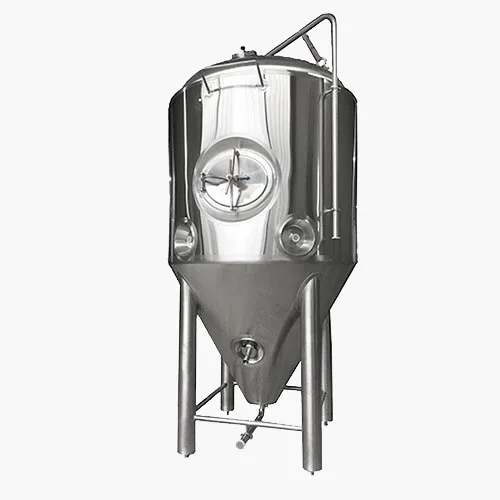
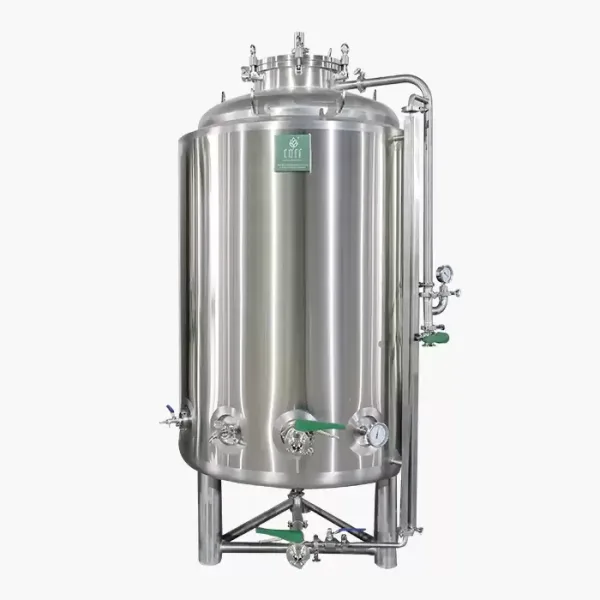
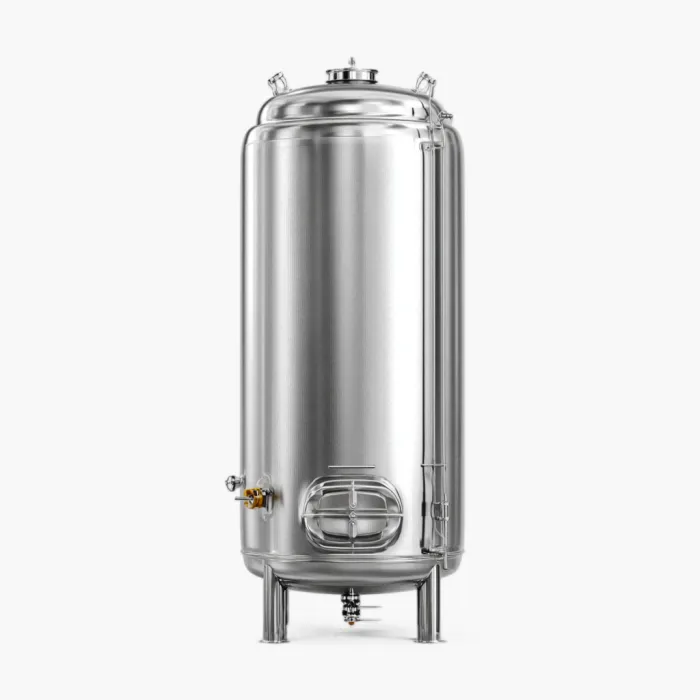
Stainless steel is a safe and good choice for fermentation. Many brewers and makers use stainless steel fermentation tanks from Ningbo COFF Machinery Co., Ltd. These tanks are used at home and in big factories. People often wonder about safety, taste, and which equipment to pick. The main worries are cleaning, pressure, leaks, mixing, and temperature. The table below shows how these problems can change fermentation and gives ways to fix them.
| Concern | Impact on Quality | Solution Highlights |
|---|---|---|
| Cleaning & Sanitation | Bad tastes, germs | Careful cleaning, shiny tanks |
| Pressure Control | Safety risks, carbonation issues | Pressure relief valves, checking tools |
| Leakage & Faulty Seals | Spoiled product, germs | Good gaskets, clean welds |
| Agitation & Mixing | Uneven product | Mixers, tanks with cone bottoms |
| Temperature Control | Bad fermentation control | Glycol jackets, insulation, automatic systems |
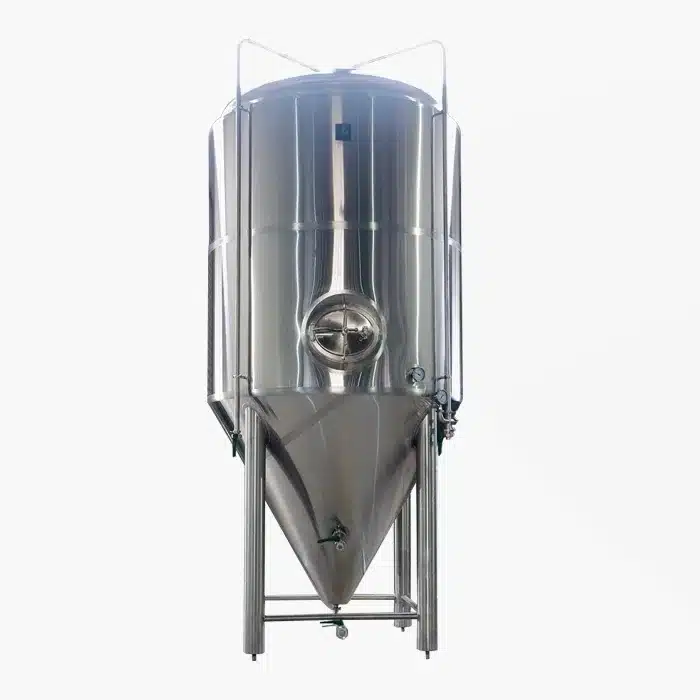
Stainless steel does not react with acids, making it ideal for fermentation. It preserves the pure taste of wine and other beverages. The surface of stainless steel has a special protective layer that protects the inside of the container and prevents odors from seeping in. Many people appreciate stainless steel because it helps retain the natural flavor of beverages.
Stainless steel is stronger and cleaner than glass or plastic. Plastic can get scratches that hold bacteria. Glass does not react, but it can break easily. Stainless steel tanks are safer and last longer in busy places.
304 and 316L stainless steel are widely used in tanks. Both are resistant to rust and corrosion, remaining robust and durable even with strong cleaners or exposure to salt spray. 316L stainless steel is particularly suitable for coastal areas. 304 stainless steel is strong, durable, and has a long service life.
The table below lists the service life of various materials:
| Material | Average Lifespan |
|---|---|
| Stainless Steel | 20 to 50 years |
| Plastic | 10 to 20 years |
| Carbon Steel | Shorter than stainless steel, needs more checks for rust |
| Concrete | Lasts long but can crack and need repairs |
Stainless steel tanks can last for many years if cared for. This makes them a smart buy for people who want equipment they can trust.
Many companies use stainless steel tanks for fermentation. Food and beverage manufacturers, pharmaceutical laboratories, and chemical plants all use stainless steel tanks. They choose stainless steel because it does not rust, is durable, and is easy to clean. These properties help ensure that products are protected from bacterial contamination.
Pharmaceutical and research laboratories require very clean tanks. Stainless steel helps maintain a sterile environment. Wineries use stainless steel because it does not alter the taste of the wine. Chemical companies seek safer and more environmentally friendly production methods. Stainless steel also plays an important role in this regard.
Stainless steel tanks used for food and beverages must meet stringent regulations. These tanks typically meet 3-A hygiene standards. This means they are safe for use in food. Therefore, regardless of size, stainless steel is the best choice for fermentation operations.
Tip: Stainless steel tanks often have cooling jackets. These help control the temperature during fermentation. This is important for making good products every time.
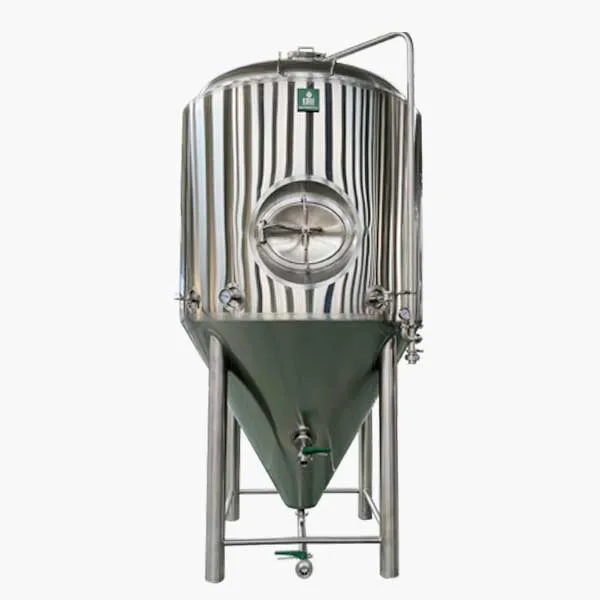
Stainless steel tanks are easy to clean. Their smooth surface doesn’t easily harbor bacteria or stains. You can clean these tanks with a soft sponge and a safe detergent. Stainless steel won’t scratch or develop odors, so the tanks stay clean and new. Plastic tanks easily absorb odors and are prone to breakage over time. Stainless steel tanks have a longer lifespan and ensure a safe fermentation process. Many breweries and wineries use stainless steel tanks to prevent contamination and maintain cleanliness. COFF’s tanks are made of 304 and 316L stainless steel. These materials offer rust and damage resistance. Therefore, they are ideal for users who need robust and durable tanks for home or workplace use.
Maintaining the right temperature is crucial for winemaking and other beverage production. Stainless steel tanks typically feature cooling jackets or insulation, which helps keep temperatures stable during fermentation. Winemakers utilize these properties to control the fermentation process, thus ensuring wine quality. Sealed tanks isolate the wine from oxygen, preventing it from ruining its flavor and acidity. Sealed tanks also help preserve the wine’s aroma and flavor. COFF’s tanks are equipped with digital monitors and automatic control systems, making temperature management more convenient and ensuring temperature stability.
Stainless steel does not alter the taste of wine or other beverages. While oak barrels can add flavor, stainless steel reveals the true character of the wine itself. It helps the wine retain its natural acidity and freshness. Many winemakers appreciate this characteristic because they want to bring out the true fruit flavors of the wine. COFF’s tanks are renowned for their superior quality and reliability. Customer feedback indicates that these tanks perform exceptionally well, producing wines that are pure and natural.
Tip: Stainless steel tanks are good for home and business fermenters. They last long, are easy to clean, and have good controls. This helps everyone make great products.
Choose a fermentation tank that matches the size of your batch. This prevents overflow and helps fermentation proceed smoothly. Experts recommend fermentation tanks with cooling jackets and sampling valves. These features help you control the temperature and easily take samples. Studies show that the size of the fermentation tank affects the flow of heat and oxygen, as well as the mixing of solids during fermentation. These factors all influence the taste, aroma, and texture of the wine. Fermentation tanks made of 304 stainless steel are robust and durable, suitable for both home and commercial use.
Tip: Make sure your tank has ways to control temperature. This keeps the taste and acidity the same.
Cleaning tanks the right way keeps them safe to use. Start by rinsing with cold water at high pressure. Then use a strong alkaline cleaner to get rid of food waste. Rinse again with cold water after cleaning. Use hot water or steam to sanitize the tank deeply. Finish with a last rinse using hot, clean water. Cleaning-in-Place systems make cleaning easier and better. Workers should learn the right steps and use safe cleaners for stainless steel. Check tanks often to find damage early.
| Cleaning Agent Type | Examples | Effectiveness |
|---|---|---|
| Alkaline Cleaners | Sodium hydroxide, PBW | Removes organic soil |
| Acid Cleaners | Nitric acid, citric acid | Removes mineral scale, helps passivate |
| Sanitizers | Peracetic acid, iodophor | Sanitizes surfaces |
| Specialty Products | Beer stone removers | Targets specific residues |
Adding accessories can make tanks work better. Many people use stainless steel manways for safe cleaning and access. Sanitary sight glasses let you watch the process and check quality. Weighing systems help you know how much is in the tank without opening it. Other good tools are temperature controls, pumps, and lid gaskets. These help keep the process safe and the product the same every time.
| Accessory Type | Description |
|---|---|
| Stainless Steel Manways | Safe openings for different pressure needs |
| Sanitary Sight Glasses | Let you see inside for quality checks |
| Weighing Systems | Show how much is in the tank |
Note: The right accessories help the process go smoothly and keep the product safe.
Stainless steel resists rust and does not react with acids. It keeps drinks safe and clean. Many people choose it because it lasts a long time and is easy to sanitize.
Stainless steel keeps the natural flavors of crisp white wines. It does not add extra tastes. Winemakers use it to highlight the fruit and freshness in every bottle.
Stainless steel tanks seal tightly and control temperature well. This helps drinks keep their crisp acidity. The result is a fresh and lively taste.
Oak adds flavors like vanilla and spice. Stainless steel keeps the wine pure and bright. The impact of oak vs stainless steel depends on the style the winemaker wants.
Home brewers can use stainless steel tanks for beer, cider, or wine. These tanks come in many sizes. They work well for both small and large batches.