

COPYRIGHT © 2022 COFF International Co., ltd. ALL RIGHTS RESERVED


Choosing the right wine fermentation container is very important. It helps keep wine safe and good. Studies show a stainless steel wine tank lasts a long time. It does not rust and keeps wine clean. It also stops bad things from getting in. COFF is a top stainless steel tank manufacturer in Ningbo, China. They make new tanks that help winemakers keep real flavors. The fermenter you pick changes how you control temperature. This can change how the wine smells and tastes.
Tank Type | Impact on Wine Quality and Safety |
|---|---|
Stainless Steel | Lasts long, does not rust, easy to clean, keeps wine safe, keeps flavor pure. |
Conical Tanks | Best for red wines, helps remove sediment, changes yeast work and flavor. |
Cylindrical Tanks | Used a lot, can make wine with less flavor, changes how much air gets in. |
Oval/Spherical Tanks | Makes special wine because yeast and air mix in new ways. |
Picking the right container is important for good wine. Stainless steel tanks are strong and keep wine safe and fresh.
Stainless steel tanks control temperature very well. This is important for steady fermentation. It helps keep the wine’s taste and smell.
Different containers change the wine’s flavor. Oak barrels give special flavors. Stainless steel keeps the wine’s natural taste.
Think about your batch size and budget before you choose a container. Stainless steel tanks cost more at first. They last longer and save money over time.
COFF has many stainless steel tanks with new features. Their tanks work for home and business winemakers. They help make wine safe and good quality.

Winemakers use different containers to ferment wine. Each container changes how the wine tastes and stays safe. Stainless steel wine tanks are strong and keep wine fresh. Oak barrels give wine extra flavors and help it age. Glass carboys are good for small amounts and keep flavors clean. Plastic fermenters cost less but do not last as long. Ceramic vessels look old-fashioned and keep the temperature steady.
The best container depends on the wine style, how much you make, and your goals. Stainless steel wine tanks keep grape flavors and help wine stay fresh. Oak barrels add vanilla and spice flavors. Glass carboys do not change the wine’s taste. Plastic containers are easy to use but can take on flavors after a while. Ceramic vessels keep wine cool but need to be cleaned well.
Tip: Many winemakers pick stainless steel wine tanks. They are easy to clean and control temperature well. These tanks last many years and keep wine safe.
The table below lists the main features, good points, and bad points of popular wine fermentation containers:
Container Type | Key Features | Advantages | Disadvantages |
|---|---|---|---|
Stainless Steel | Airtight, does not rust, easy to clean, controls temperature well | Keeps wine fresh, does not change taste, lasts long, good for big batches | Costs more at first, heavier than plastic |
Oak Barrels | Has tiny holes, adds flavors, helps wine age | Makes wine taste complex, adds vanilla and spice, helps with malolactic fermentation | Needs care, lets in air, does not last as long |
Glass Carboys | Does not react, you can see inside | Keeps flavors pure, easy to watch, good for small batches | Breaks easily, small size, no temperature control |
Plastic Fermenters | Light, cheap, simple to use | Saves money, easy design, easy to find | Gets scratched, can take on flavors, not as strong |
Ceramic Vessels | Keeps temperature steady, looks classic | Helps wine mature, does not change taste much | Heavy, needs careful cleaning, not used often |
Winemakers like stainless steel wine tanks because they are easy to use and make good wine. These tanks last over 20 years and do not rust. Cleaning is easy with new tools. Oak barrels need more care and do not last as long. Glass carboys and plastic fermenters are good for home use or small batches. Ceramic vessels look special but need more care.
Stainless steel wine tanks cost more at first but save money later because they last longer and need less work.
Oak barrels must be replaced every few years, so they cost more over time.
Plastic fermenters are cheap but may not keep wine as safe as other containers.
Winemakers should think about the wine type, how much they want to make, and their budget when picking a container. The right container helps make safe, tasty wine with the flavors you want.
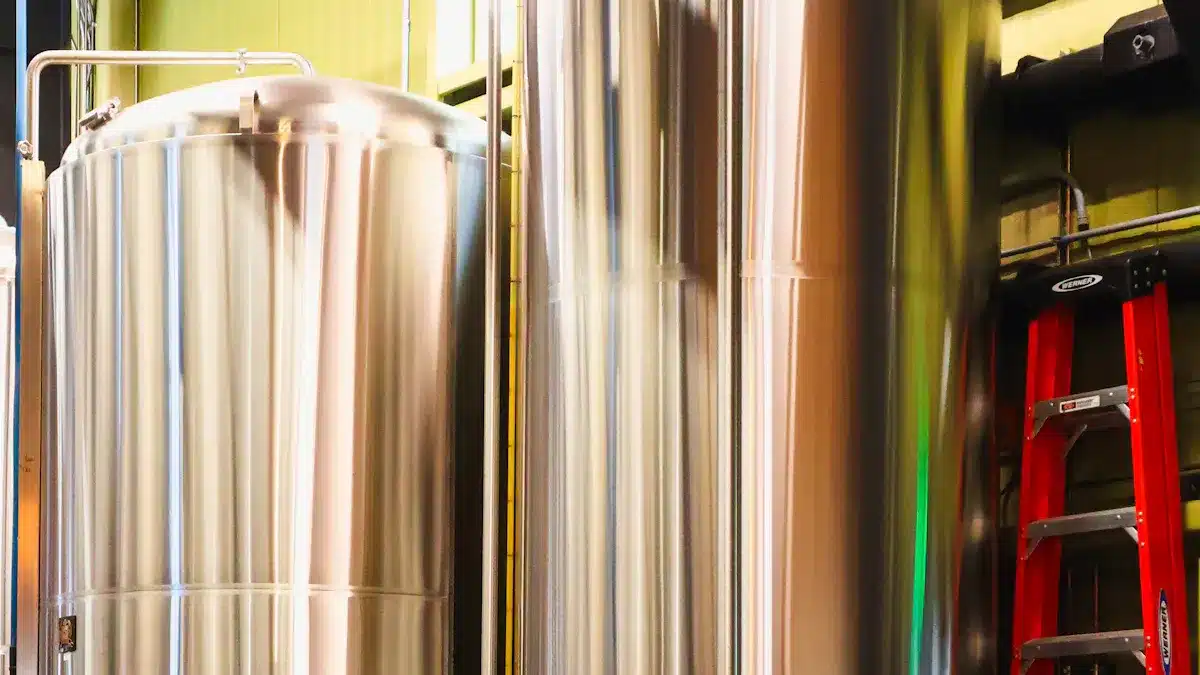
Stainless steel wine tanks are strong and easy to keep clean. Their smooth surface stops bacteria from growing. Winemakers clean these tanks with water or steam. They use special cleaners to get rid of leftover grape juice. The tanks do not get damaged by acids in grapes. This helps them last for many years. Stainless steel tanks follow strict safety rules like ISO9001 and FDA. These rules make sure the tanks are safe for food and drinks.
Material Type | Surface Characteristic | Impact on Microbial Contamination | Cleaning Implications |
|---|---|---|---|
Stainless Steel | Non-porous, smooth | Prevents bacterial growth | Easier and more effective cleaning |
Oak Barrels | Porous | Can harbor microbes | Cleaning is more difficult |
Concrete Tanks | Porous | Can harbor microbes | Cleaning is more difficult |
Stainless steel wine tanks need less work to keep clean. Their smooth surface keeps bacteria away. This helps keep wine safe during fermentation.
Ways to clean stainless steel wine tanks include:
Using special cleaners to break down leftovers.
Spraying cleaning foam with a pressure washer.
Washing with strong water or steam.
Wooden barrels need gentle cleaning by hand. Strong cleaners can hurt the wood. Pressure washers work well for stainless steel tanks but not for wood.
Controlling temperature is important when making wine. Stainless steel wine tanks often have cooling jackets. These jackets help winemakers set the right temperature. Keeping the temperature steady helps wine taste the same every time. The tanks stop problems like getting too hot or cold.
Container Type | Temperature Control |
|---|---|
Stainless Steel Tanks | Excellent temperature regulation with integrated cooling jackets; critical for managing fermentation heat. |
Oak Barrels | Poor temperature control; relies on external climate control. |
Concrete Tanks | Provides stable thermal inertia, maintaining consistent fermentation temperatures. |
Cooling jackets help winemakers control fermentation.
The tanks keep the process steady for both red and white wines.
Stainless steel wine tanks work for small and big batches. Some tanks can change size for different amounts of wine. Special lids keep air out and help wine stay fresh. Tanks can hold from 250 to 8,000 gallons. Closed-top tanks hold between 396 and 2,641 gallons. Winemakers use these tanks for many wine types and sizes.
Stainless steel tanks fit small wineries and big ones.
The tanks keep wine safe from air.
Winemakers cool the tanks to control fermentation.
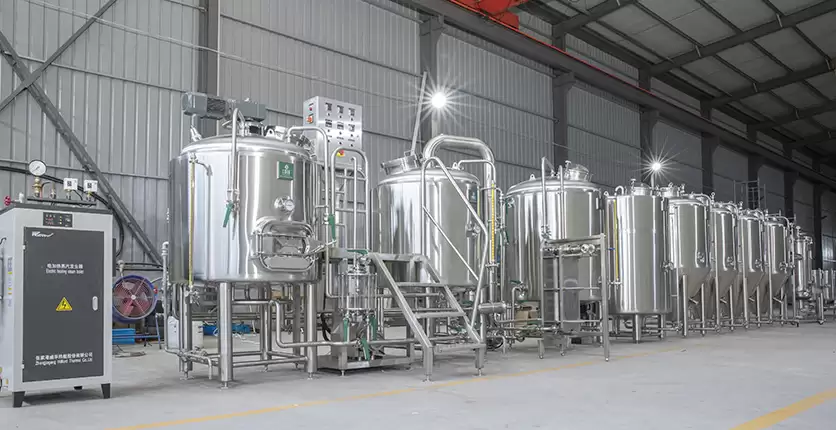
COFF makes new types of stainless steel wine tanks. The company has many tank styles for different needs. Each tank uses strong stainless steel and smart features.
Tank Type | Key Features |
|---|---|
Variable Capacity Tank | Flexible floating lid with inflatable gasket, high-grade SUS304 stainless steel, prevents oxidation. |
Floating Lid Tank | Movable lid on wine surface, sealed with food-grade inflatable ring for air contact prevention. |
Jacketed Wine Tank | Dual-wall cooling jacket for temperature regulation, ensuring hygiene and durability. |
Square Wine Tank | Compact rectangular structure, easy stacking, efficient cleaning, and strong durability. |
Conical Wine Fermenter | Cone-shaped bottom for sediment collection, built with sanitary stainless steel for easy cleaning. |
COFF wine tanks have important safety certificates. These include AS1210 for Australia, ASME for pressure tanks, and API for equipment. COFF sells tanks to wineries in over 18 countries. The company gives full support and advice. Winemakers trust COFF for strong tanks and good service.
Winemakers pick glass carboys for small wine batches. These vessels do not react with wine. They help keep the wine’s flavor pure. Glass carboys are simple to clean and use again. They do not change how the wine tastes. Many people making wine at home use glass carboys first. You can watch the wine as it ferments. Glass keeps air out, so the wine stays safe.
Tip: Glass carboys are great for beginners or small batches.
Plastic fermenters are easy and cheap to use. They are light and simple to move around. Many people start with plastic for their first wine. Plastic comes in many shapes and sizes. But scratches can hold bacteria. Some plastics let air in, which can hurt the wine. This can lower wine quality if you are not careful.
Plastic fermenters are good for saving money.
They are easy to find and work well for short use.
Oak barrels are still used for aging and fermenting wine. These barrels add flavors like vanilla and spice. The kind of oak and how it is toasted changes the taste. Oak barrels need careful cleaning and care. They cost more and do not last as long as others. Winemakers use oak barrels for special flavors and unique wine.
Ceramic vessels look classic and keep temperature steady. Some winemakers use them for old ways of making wine. Ceramic does not change the taste much. But it needs careful cleaning. These vessels are heavy and not used as much now. They are good for people who want to try old methods.
Experts say non-stainless containers have some problems. The table below shows common issues:
Material | Limitations |
|---|---|
Glass | Heavy and breaks easily, but does not let air in. |
Plastic | Can let air in and get scratched, which can trap germs. |
HDPE | Lets some air in, like oak barrels, which can hurt wine if too much. |
Winemakers should think about these problems before picking a container. Each type has good points, but only stainless steel gives strength, cleanliness, and safety for most needs.
Pick a wine fermenter that matches your batch size. If the fermenter is too small, wine can spill out. If it is too big, air can get in and spoil the wine. Winemakers should use a vessel that fits how much wine they want to make.
Use the right size fermenter to stop spills.
Small fermenters can lose wine when bubbling.
Big fermenters leave space for air, which can ruin wine.
Small tanks or carboys work well for home winemaking. Big wineries need large tanks for bigger batches.
Wine fermentation vessels have different prices. Some are cheap, and some cost a lot. The table below shows price ranges:
Container Type | Price Range (SGD) |
|---|---|
Glass | $12.11 – 16.20 |
Stainless Steel | $7,624.36 – 8,762.75 |
Plastic | $0.79 – 5.26 |
Plastic and glass are good for beginners because they are cheap. Stainless steel costs more but lasts longer and has better features.
The vessel you choose changes how the wine tastes. Each material affects the wine in its own way.
Container Type | Characteristics | Flavor Impact |
|---|---|---|
Concrete Tanks | Stable, porous, sanitary | Keeps grape taste, shows terroir |
Oak Barrels | Adds tannins, spices, lets wine breathe | Makes wine taste richer and smell better |
Stainless Steel | Neutral, no air gets in | Makes wine taste sharp and clear |
Oak barrels give wine flavors like vanilla and spice. Stainless steel keeps the wine’s true taste. Concrete tanks help show the grape’s real flavor.
Taking care of wine vessels keeps wine safe and tasty. Stainless steel tanks are easy to clean and last a long time. They do not need much care. Plastic fermenters can get scratched and hold germs. Oak barrels need careful cleaning to stop germs.
Stainless steel tanks are simple to clean and last longer.
Plastic fermenters can get scratches that trap germs.
Oak barrels need lots of cleaning to stay safe.
Stainless steel tanks are a smart buy for the future. They last many years, need little care, and save money over time. Oak barrels add special flavors but wear out faster and need more work, which costs more later.
Tip: Buying a good stainless steel wine tank saves money and work for many years.
Home winemakers want tanks for small batches. They also want tanks that are easy to clean. Many people pick small wine tanks with floating lids. These tanks have smooth insides. This helps keep wine safe and fresh. Speidel makes a popular tank. It holds 1600 liters. The tank has a cooling jacket and a drainage system. It comes with a floating lid, a strong valve, and a tough gasket. Speidel gives a 25-year warranty. The tank costs $6,556.00 after discount. The table below lists the main features:
Feature | Details |
|---|---|
Capacity | 1600 L |
Cooling Jacket | Yes |
Drainage System | Complete dish bottom |
Warranty | 25 years |
Price | $6,556.00 |
Additional Features | Floating lid, reinforced valve, gasket |
Tip: Home winemakers should choose a tank that fits their batch size. They should also think about how easy it is to clean.
Big wineries need tanks for large batches. They want tanks with good temperature control. Some tanks have open tops and automatic controls. These features help manage yeast and keep fermentation steady. Santa Margherita winery uses a special cooling system. It has thermostat valves to keep tanks at the right temperature. This helps make high-quality wine. Wineries also want cooling that saves energy. They look for tanks made from eco-friendly materials.
Feature | Description |
|---|---|
Temperature Control | Precise systems for steady fermentation |
Open-top Options | Better cap management |
Automated Controls | Real-time monitoring and predictive maintenance |
Sustainable Features | Energy-efficient and eco-friendly materials |
Size & Capacity | Tanks for small or large-scale production |
COFF sells many types of wine tanks. They have tanks for home and commercial use. Home winemakers can pick tanks with floating lids. These tanks are flexible. Commercial wineries can choose jacketed tanks with automatic controls. These tanks help control temperature better. COFF tanks use strong stainless steel. They meet strict safety rules. COFF engineers help customers pick the best tank. COFF supports customers from design to installation and care.
Note: Winemakers should think about tank size, temperature control, and cleaning when picking a COFF tank.
Stainless steel wine tanks from COFF are a top pick for winemakers. These tanks last a long time and are simple to clean. They let winemakers control temperature very well. The tanks do not change the taste of wine. People who use COFF fermenters often make better wine and spend less money. Some winemakers pick other containers if they want to save money or need better insulation.
Alternative Container | When It Might Be Suitable |
|---|---|
Concrete | Costs less and keeps heat better |
Plastic | Good for small batches and low budgets |
Oak | Adds special flavor and helps with aging |
Winemakers should think about tank size, price, and what it is made of when choosing COFF’s wine tanks.
Stainless steel wine tanks resist rust and damage. They keep wine clean and safe. Winemakers can control temperature easily. These tanks last many years and do not change the taste of wine.
Home winemakers often choose small stainless steel tanks. These tanks are easy to clean and manage. They help keep wine fresh and safe. Many brands offer tanks for small batches.
Oak barrels add flavors like vanilla and spice. Stainless steel tanks keep the wine’s natural taste. Glass and ceramic do not change the flavor. Plastic may affect taste if used for a long time.
Stainless steel tanks have smooth surfaces. Winemakers clean them with water or steam. Glass carboys are also easy to clean. Oak barrels and ceramic vessels need more care.
COFF provides expert advice for winemakers. Their engineers help select the best tank. They offer support from design to installation. Winemakers receive help with maintenance and troubleshooting.