


COPYRIGHT © 2022 COFF International Co., ltd. ALL RIGHTS RESERVED

Milk tanks have many good points, but they also have some bad sides. They can cause hygiene problems if people do not clean them well. Milk tanks often cost a lot to use and fix. Changes in temperature inside milk tanks can hurt milk quality after milking. Big milk tanks need special setup and lots of room. Moving milk tanks can make leaks or contamination happen, especially after milking. These tanks also use a lot of water and energy, which is bad for the environment.
Milk tanks are crucial in dairy farms, but they can also cause bacterial problems. Milk may contain pathogens. Sometimes, people get sick from drinking uncooked or even heated milk. Unclean milk can introduce harmful bacteria into the milk processing area. These bacteria can adhere to machinery and are difficult to remove. Some bacteria can even survive and multiply in the cold milk tanks. Bacteria on parts that heat milk can lead to excessively high bacterial levels in the milk. Some bacteria, such as Listeria monocytogenes, can survive even after milk has been heated and can recontaminate it. If workers don’t maintain proper hygiene, both workers and those who drink the milk can become ill.
Cleaning milk tanks and machinery is a demanding task. Workers must clean and sterilize all parts after each use. The dairy industry requires clean water that meets stringent standards. Workers must use safe cleaning agents and adhere to cleaning protocols for all parts that come into contact with milk. Machines should be designed for easy cleaning and proper waste disposal. Milk storage areas must be kept clean to prevent any contamination. If workers do not clean the machines thoroughly, bacteria can proliferate, making the milk unsafe. Stainless steel tanks, like COFF milk tanks, help inhibit bacterial growth, but frequent cleaning remains crucial.
Tip: Make a habit of cleaning milk machines before every use. This keeps milk safe and follows dairy rules.
Buying a commercial milk tank costs a lot of money. Most dairy farms pay about $65,000 for a new tank. This price helps keep Grade A raw milk safe and follows strict rules. Farmers must plan their money carefully so they do not lose milk or miss good prices.
Milk tanks require careful maintenance to function properly. Over the long term, repair and maintenance costs can be quite high. After each milking, regardless of the amount of milk remaining, the tank must be cleaned. Cleaning requires labor, specialized cleaning agents, cold water, hot water, and pump power. These costs accumulate quickly, especially for large farms.
| Cost Type | Description |
|---|---|
| Fixed Costs | Includes cleaning the tank after each milk pick-up, no matter how much milk is made. |
| Cleaning costs include workers, cleaning agents, cold water, hot water, and pump power. | |
| Variable Costs | Depends on how much milk is cooled, including power and maintenance costs. |
| Maintenance Costs | Can be paid by dairies, either for free or through bills or contracts. |
Tanks made from stainless steel last longer, but they still need regular care. Farms use Clean-in-Place systems to wash tanks after milking. If tanks are not checked often, repairs can cost even more.
Milk tanks consume a significant amount of energy daily. Dairy farms typically use 200 to 350 kilowatt-hours of electricity daily for milking, cooling, and cleaning. Such high energy consumption leads to increased costs and environmental damage. Large farms produce more milk with less manpower, resulting in lower costs per unit of milk. Small farms, due to their lower efficiency, have higher costs per gallon of milk.
Note: Regular care and careful energy use help keep costs low and support safe milking.
Temperature control plays a crucial role in maintaining milk safety after milking. Unstable tank temperatures can rapidly degrade milk quality. Scientific research shows that temperature variations affect the fat and protein content of milk, components essential for proper milk production. Increased temperatures lead to rapid bacterial growth, accelerating milk spoilage and reducing quality. Therefore, dairy farmers must closely monitor tank temperatures during milking and storage. Otherwise, milk production will be affected, and the milk may become unsafe for consumption.
Tip: Always check the tank’s temperature controls before and after milking. This helps keep milk production safe and steady.
Milk can spoil quickly if tanks do not stay clean or cold. After milking, milk can pick up bacteria from dirty equipment, the air, or even the cow’s udder. The first germs in milk decide how long it will last. If the tank is not clean, the total number of bacteria in the milk goes up. This makes milk spoil faster and lowers the quality of milk production.
When tanks do not keep milk cold enough, studies show that bacteria can grow much faster. This growth can cut the shelf life of milk by a lot. For example, milk stored at the wrong temperature can have a much higher bacteria count than milk kept cold. This means milk production will not last as long, and more milk will go to waste.
Note: Clean tanks and steady cold temperatures help keep milk safe and fresh after every milking.
Putting milk tanks in a dairy needs many steps. Each step helps keep milk safe. Workers must follow strict rules when they set up tanks. These rules protect milk and people who drink it.
Dairy tanks must meet 3-A Sanitary Standards. They must also follow FDA Grade ‘A’ Pasteurized Milk Ordinance. These rules cover materials, finishes, design, and how tanks are made.
Tip: Always check that all milking equipment and tanks meet local and national safety standards before installation.
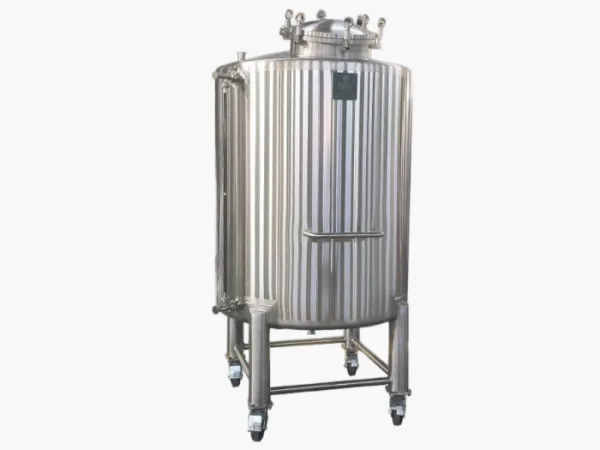
Space constraints on dairy farms limit the installation of milk tanks. Many farms choose vertical tanks because they save space. Vertical tanks are well-suited for small areas, especially for farms where layout changes are not feasible. Every inch of space is crucial.
Sometimes, farms may have enough space to install horizontal tanks. If the facility space allows, installing horizontal tanks may be less expensive. However, if space is limited, the cost of building new space for horizontal tanks may exceed the cost of the tanks themselves. Choosing the right tank depends on the size of the space and the farm’s specific needs.
When space is limited, farms must plan carefully. They must consider the placement of milking equipment and how it works together. Good planning helps avoid costly changes later.
Milk tankers move large amounts of milk from farms to processing plants. These tankers face special risks on the road. When a tanker is only partly full, the milk inside can slosh back and forth. This movement, called “sloshing,” can make the truck hard to control. Drivers may find it difficult to stop or turn safely. Some tankers do not have baffles, which are walls inside the tank that slow down the movement of milk. Without baffles, the risk of losing control increases, especially during sudden stops or sharp turns.
Accidents can happen if the milk shifts too much. A heavy load that moves quickly can tip the tanker over. This puts the driver and other people on the road in danger. Even skilled drivers must stay alert when hauling milk. Weather, road conditions, and traffic can make these risks worse.
Tip: Drivers should check the load and drive carefully to reduce the chance of accidents.
Transporting milk in tankers brings more risks. Old or used tankers may have weak spots or cracks. These problems can cause leaks during the trip. Leaked milk not only leads to product loss but also creates a mess on the road. If the tanker is not sealed well, outside dirt or water can get inside. This can contaminate the milk and make it unsafe to drink.
A table below shows common transport risks:
| Risk Type | Description |
|---|---|
| Leakage | Cracks or weak seals let milk escape |
| Contamination | Outside dirt or water enters the tank |
| Product Loss | Milk spills lead to waste and lower profits |
Drivers must inspect tankers before each trip. They should look for leaks, check seals, and make sure the tank is clean. Regular checks help prevent problems and keep milk safe.
Note: Clean and well-maintained tankers protect milk quality during every trip.
Milk tanks need lots of water and cleaning chemicals. Workers clean tanks after every use to stop bacteria. Cleaning uses water and special chemicals. The amount depends on the tank size.
These chemicals remove impurities from milk and kill bacteria, but they generate waste that must be handled carefully. Improper disposal of this waste can harm the natural environment. Water used for cleaning must be treated before being released into the environment. Farms that use excessive amounts of water or chemicals face higher taxes and stricter regulations.
Tip: Farms should use only the water and chemicals needed for each cleaning.
Milk tanks consume energy to keep milk cold and safe. Cooling systems operate continuously, thus increasing electricity consumption. Many farms are striving to conserve energy and reduce carbon emissions. New milk tanks prioritize sustainability and efficiency. Some tanks use environmentally friendly refrigerants that do not deplete the ozone layer. Others utilize solar cooling to reduce fossil fuel power consumption.
Smart technologies help farmers monitor and control tank temperatures in real time. These systems prevent waste and keep milk fresh. Automated milking systems help save energy and improve efficiency. Mechanical ventilation systems keep cows healthy, meaning better milk quality and less waste.
Note: Farms that use new technology can help the environment and save money over time.
Bacteria can grow inside a dirty tank. This can spoil the milk and make people sick. Regular cleaning keeps milk safe and fresh.
Milk tanks must keep milk cold all the time. Cooling systems run day and night. This uses a lot of electricity.
Yes, leaks can happen if the tank has cracks or weak seals. Drivers must check tanks before each trip to prevent spills.
Not always. Some tanks need a lot of space. Farms must measure their buildings before buying a tank.
Milk tanks use water, chemicals, and energy. Wastewater and chemical use can harm nature if not managed well.