


COPYRIGHT © 2022 COFF International Co., ltd. ALL RIGHTS RESERVED

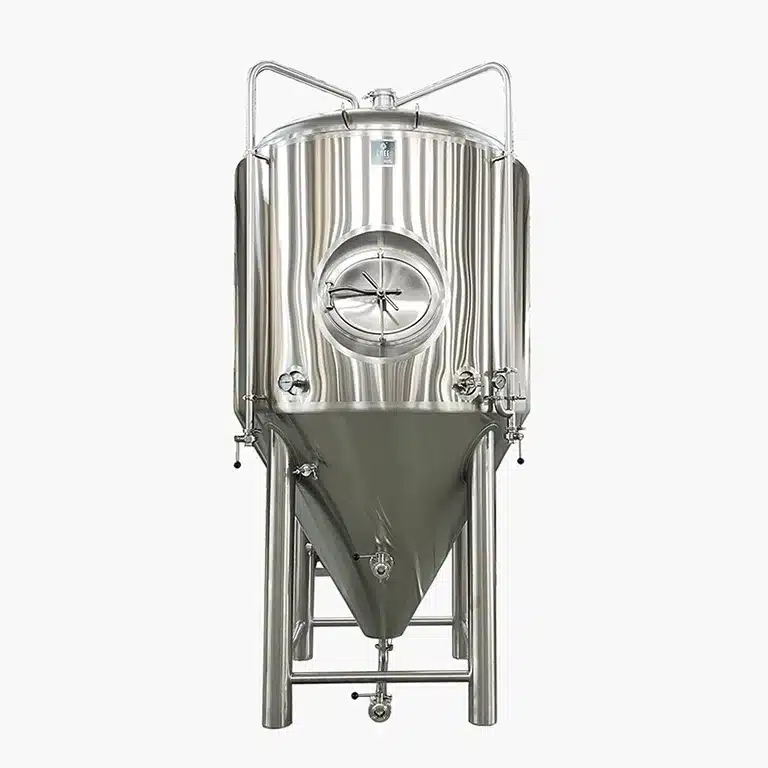
Home wine fermentation is allowed in the United States if you follow rules. Federal and state laws say how much you can make and who can do it. People can use a wine tank or other containers at home for themselves. A wine fermentation tank helps keep things clean and safe. You cannot sell homemade wine unless you have a license. Following these rules makes home winemaking legal.
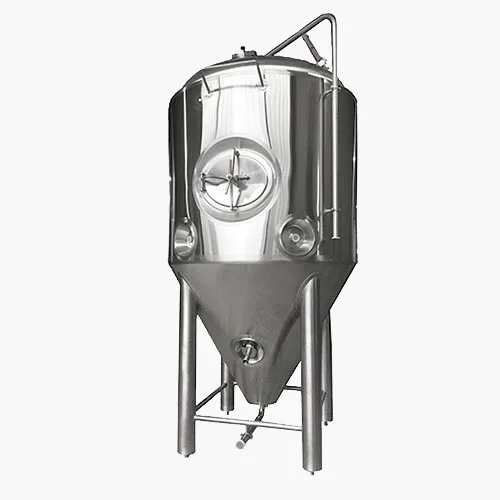
Federal law has rules for how much wine you can make at home. If only one adult lives in a house, they can make up to 100 gallons of wine each year. If there are two or more adults, they can make up to 200 gallons per year. These rules stop people from making too much wine without the right papers.
The law says only adults can make wine at home. You must be at least 21 years old. People younger than 21 cannot make wine for themselves.
Federal rules like 27 CFR 24.75 let adults make wine for themselves or their family without paying tax. The law calls someone an adult if they are old enough in their state, but federal law says this is 21 years old. The wine must be for you or your family only.
Federal law makes a big difference between making wine for yourself and selling it. People who make wine at home can share it with family, friends, or use it in contests. They cannot sell their homemade wine or try to sell it. Selling wine needs a special paper and you must follow hard rules.
| Aspect | Personal Use | Selling Wine |
|---|---|---|
| Sale | You cannot sell or try to sell wine | You need papers and must follow rules |
| Production Location | Home winemaker rules are used | Must be made in a special winery |
Federal rules say you can show your homemade wine in contests or shows. You can let people taste it at supply stores if no one pays to drink it. These things are not the same as selling.
Federal law does not let people make spirits at home. You cannot use home tools to make spirits or other strong drinks. Only wine and beer are allowed for personal use by these rules.
Tip: Always look at both federal and state laws before you start making wine at home. State laws might have more rules.
Some states and counties have very strict regulations regarding homebrewing. Many states have Prohibited Counties. These places do not allow people to brew or sell alcoholic beverages. If you live in a Prohibited County, you cannot brew at home, even if federal law permits it. The table below lists the states with Prohibited Counties and the impact of these regulations on homebrewing.
| State | Dry County Status | Impact on Home Fermentation |
|---|---|---|
| South Dakota | Yes | Restricted |
| Kansas | Yes | Restricted |
| Texas | Yes | Restricted |
| Arkansas | Yes | Restricted |
| Kentucky | Yes | Restricted |
| Tennessee | Yes | Restricted |
| North Carolina | Yes | Restricted |
| Florida | Yes | Restricted |
People need to look up local laws before they start making wine at home. Dry counties can stop you from making wine even if your state says it is okay.
Each state has its own rules for making wine at home. Some states use the same limits as federal law. Other states have more rules or give more freedom. Arkansas and California let people make wine at home without a license. They use the same amount limits as federal law. Vermont lets people make wine and beer at home. People can take their homemade wine to tastings if they follow the rules. Virginia does not make people get a license to make wine at home. The law says you must use the wine for yourself.
States can change their rules at any time. People should check state websites or ask local leaders for new rules.
Cities and counties can make their own rules about making wine at home. Some places limit how much wine you can make or keep. Others have rules about moving homemade wine. Some local rules do not let people make wine in apartments or shared homes. People must follow city and county rules along with state and federal laws.
Tip: Always check city and county websites for new rules. Local laws can change fast and may change what you can do at home.
Home winemakers have a variety of fermentation tanks to choose from. Stainless steel, wooden, and concrete tanks are commonly used. Each type has its own advantages. Stainless steel tanks are durable and easy to clean. Wooden tanks impart richer flavors and aromas to the wine. Concrete tanks help maintain a stable temperature. Using fermentation tanks or other containers at home is legal as long as all laws and regulations are followed. The law does not prohibit people from using stainless steel, wooden, or concrete tanks for personal winemaking. Certified fermentation tanks ensure the safety and quality of the wine. They prevent bacterial growth and spoilage.
Note: Certified tanks help save energy and support green practices. They also meet food-grade standards, which keeps wine quality high.
Many people believe wrong ideas about wine fermentation tank legality. Some think the law limits tank size or needs special storage. Federal law does not limit the size or type of wine tank for home use. Owners can use big or small stainless steel tanks, wood tanks, or concrete tanks. The law only limits how much wine you make, not the equipment.
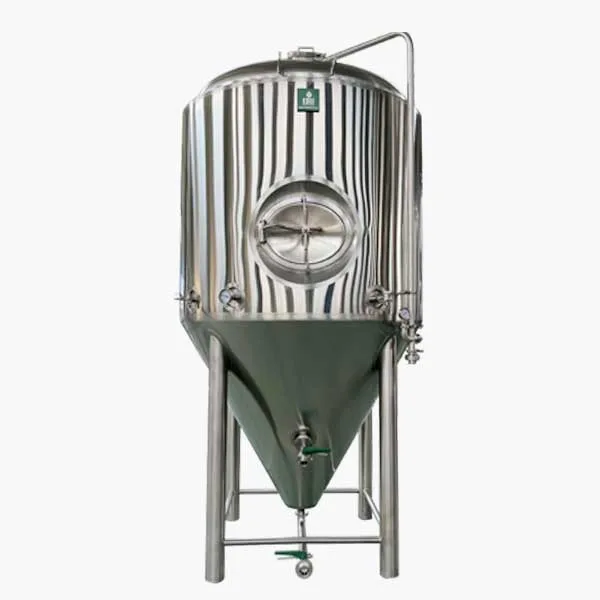
There are clear rules for making wine at home. People must follow these rules to stay out of trouble. If you break the rules, you can get in big trouble. Here are the main things you cannot do:
Note: You can share homemade wine at family events or contests. But you cannot give it away for money or prizes.
If you break home winemaking laws, you can get punished. Police and alcohol boards check for illegal actions. The punishment depends on what rule you break and how bad it is.
| Violation Type | Possible Penalties |
|---|---|
| Selling without a license | Fines, loss of equipment, jail time |
| Exceeding production limits | Fines, seizure of wine |
| Underage production | Fines, community service, probation |
| Illegal distilling | Heavy fines, felony charges |
Officers may check homes or ask for proof you followed the law. They can take your wine, tanks, or other tools if you break the rules. If you break these laws, you might not be allowed to make wine at home again.
Always follow the rules so you do not get in trouble. Knowing the rules and being careful makes home winemaking safe and fun.
Home winemakers need to follow simple steps to stay legal. They should use certified tanks that control temperature. Stainless steel tanks, like COFF tanks, keep wine safe. These tanks help keep wine tasting good. Winemakers must check all laws before making wine. They need to watch how much wine they make each year. They cannot go over the limits set by law. Only adults who are 21 or older can make wine at home. Winemakers must not let kids help. They must not sell or trade homemade wine.
Tip: Good winemakers check for new laws and use safe equipment.
Mistakes can cause trouble. Some mistakes are wrong labels, labels that do not match the wine, and not checking alcohol after aging. Winemakers must watch these things to avoid problems.
Maintaining thorough records helps winemakers demonstrate compliance if questioned by authorities. Document the type, quantity, and alcohol content of each batch produced. Record the ingredients used and any steps taken to render wine unsuitable for consumption if applicable.
For bottled wine, keep a log of bottling dates and volumes. For sparkling wine, note the production method and any losses during processing. If shipping wine for personal use—such as to contests or family members—limit shipments to no more than 12 cases per year, verify recipient age, and label packages appropriately. Keep records of all shipments.
Accurate documentation not only supports legal compliance but also helps you track production quality and improve your craft over time.
Winemakers should ask a lawyer if they have questions about rules or licenses. Lawyers help winemakers follow trade rules and laws. They should talk to a lawyer when buying brands, doing promotions, or joining events. Legal advice helps winemakers handle hard situations and avoid mistakes.
Note: Winemakers who follow steps and ask for help stay legal and keep their wine safe.
U.S. federal law allows home winemaking, but it must adhere to the following rules: Applicants must be at least 21 years old; single-person annual production must be ≤100 gallons (two-person ≤200 gallons); and unlicensed sales are strictly prohibited.
State and local regulations vary significantly (some counties completely prohibit it), so be sure to check local laws before brewing. There are no size restrictions on equipment, as long as it is used legally. Violations may result in fines, confiscation, or even criminal charges.
Key compliance points: Strictly adhere to production limits, do not cross legal boundaries, keep records, regularly check laws, and consult a lawyer if necessary.
No. Only adults 21 years or older can legally make wine at home in the United States. This rule helps keep alcohol away from minors.
Yes. The law does not limit the size or type of wine tank for personal use. People can use large or small tanks if they follow all other rules.
Yes. People can give homemade wine to friends or family as a gift. They cannot sell or trade it for money or goods.
Authorities may fine the person or take away the extra wine. They may also take equipment. Staying within the legal limit helps avoid trouble.