
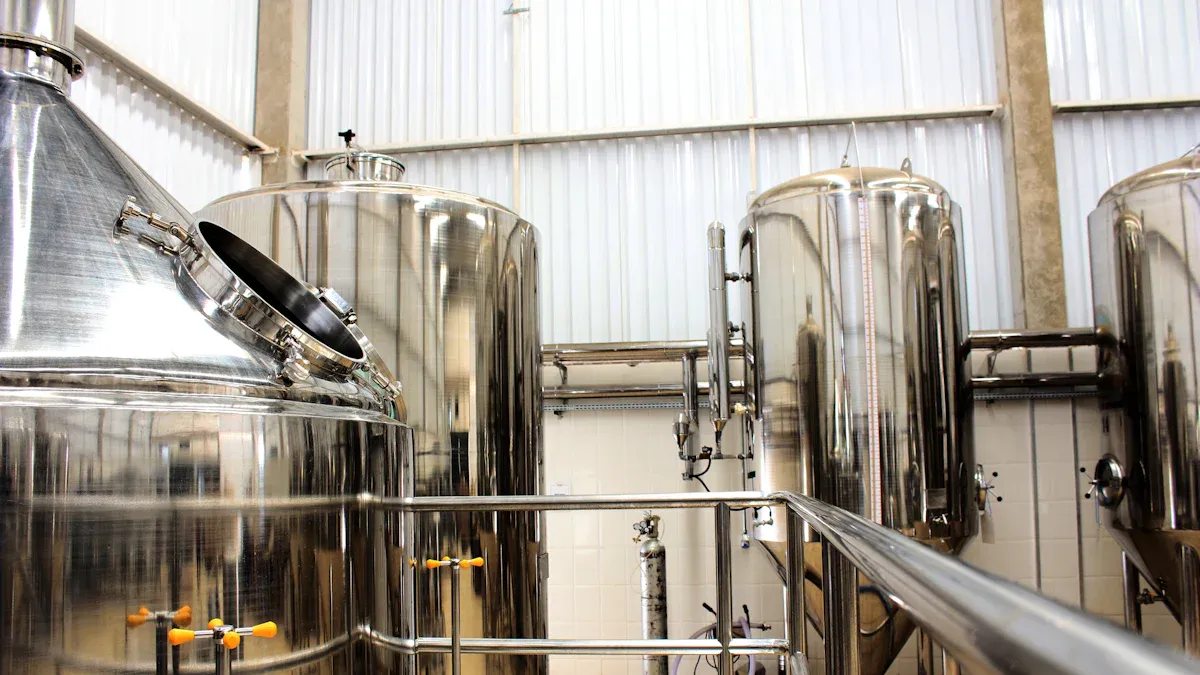


COPYRIGHT © 2022 COFF International Co., ltd. ALL RIGHTS RESERVED

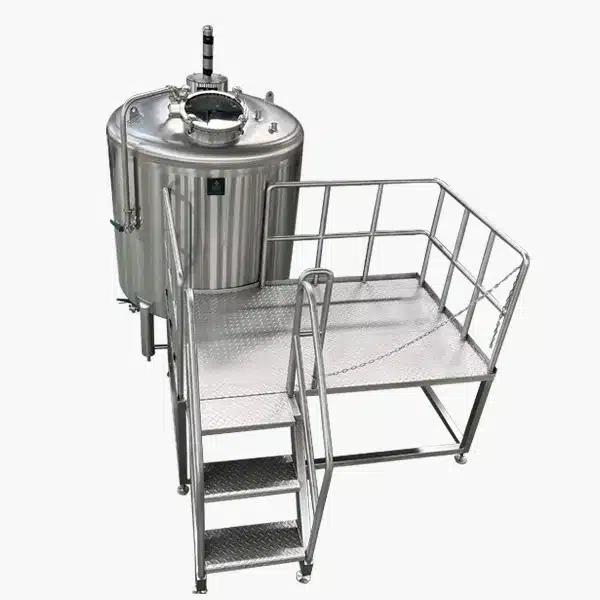
Mixing tanks utilize mechanical, bubbling, or pumping mechanisms to mix, dissolve, and blend materials into a homogeneous and fine mixture, which is crucial for food, pharmaceutical, and chemical production. As demand grows in these industries, COFF offers reliable and customizable mixing tanks designed to ensure consistent mixing results and minimize waste.
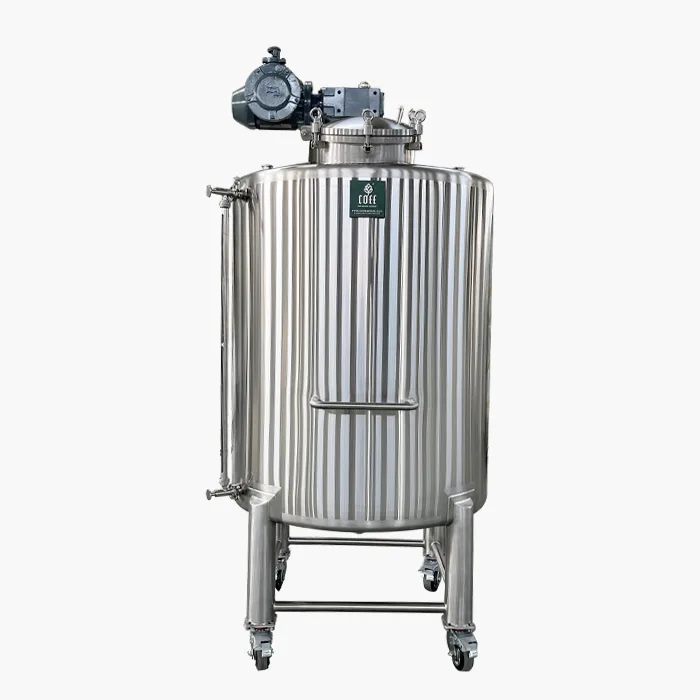
Mixing tanks use different ways to mix things together. Each way works best for certain jobs and types of liquids or solids.
Mechanical mixing uses rotating components (impellers and agitators) to stir materials within a container. The shape, size, and rotational speed of the impeller determine the mixing efficiency. Power requirements depend on the impeller size, rotational speed, and fluid viscosity.
| Factor | Description |
|---|---|
| Flow Pattern | How the liquid moves changes how much power is needed. |
| Impeller Size | A bigger impeller moves more liquid at the same speed. |
| Power Calculation | The shape, size, and speed of the impeller, plus how thick the liquid is, matter. |
| Turbulent Flow | Fast mixing happens when the liquid moves in all directions. |
Mechanical mixing works for many materials:
Some tanks use baffles to stop swirling and help mixing. Tall tanks may need more than one impeller to mix everything well. Variable speed drives save energy by changing how fast the agitator spins.
Bubble mixing uses gas, like air or nitrogen, to move the liquid. The gas goes in at the bottom and rises as bubbles. These bubbles lift and mix the liquid as they go up. This way does not use moving parts inside the tank, so it is easier to take care of.
Bubble mixing is used in big tanks and in the chemical industry. It works well for mixing liquids that should not touch metal parts. It also helps when gases need to be added, like in fermentation.
| Benefit | Bubble Mixing | Mechanical Mixing |
|---|---|---|
| Energy Consumption | Uses less energy in big tanks | Uses more energy |
| Mixing Efficiency | Makes strong currents with bubbles | Uses spinning blades |
| Oxygen Transfer | Adds little oxygen | Adds a lot of oxygen |
| Maintenance | Fewer parts to fix | More parts to check |
How fast things mix depends on how much gas goes in. For example, more gas flow makes mixing faster. Bubble mixing is good for gentle mixing and for keeping the tank clean.
Pump mixing, or recirculation, uses pumps to move the liquid out and back in through nozzles. These nozzles spray the liquid to keep everything moving and mixed. The system can change the nozzle size to match how much liquid is moving. This keeps mixing even and helps solids stay in the liquid.
Pump mixing is important in cleaning water and in tanks where solids should not settle. It works well for big tanks and for mixing thick or sticky stuff. Engineers use computers to design these systems for the best mixing.
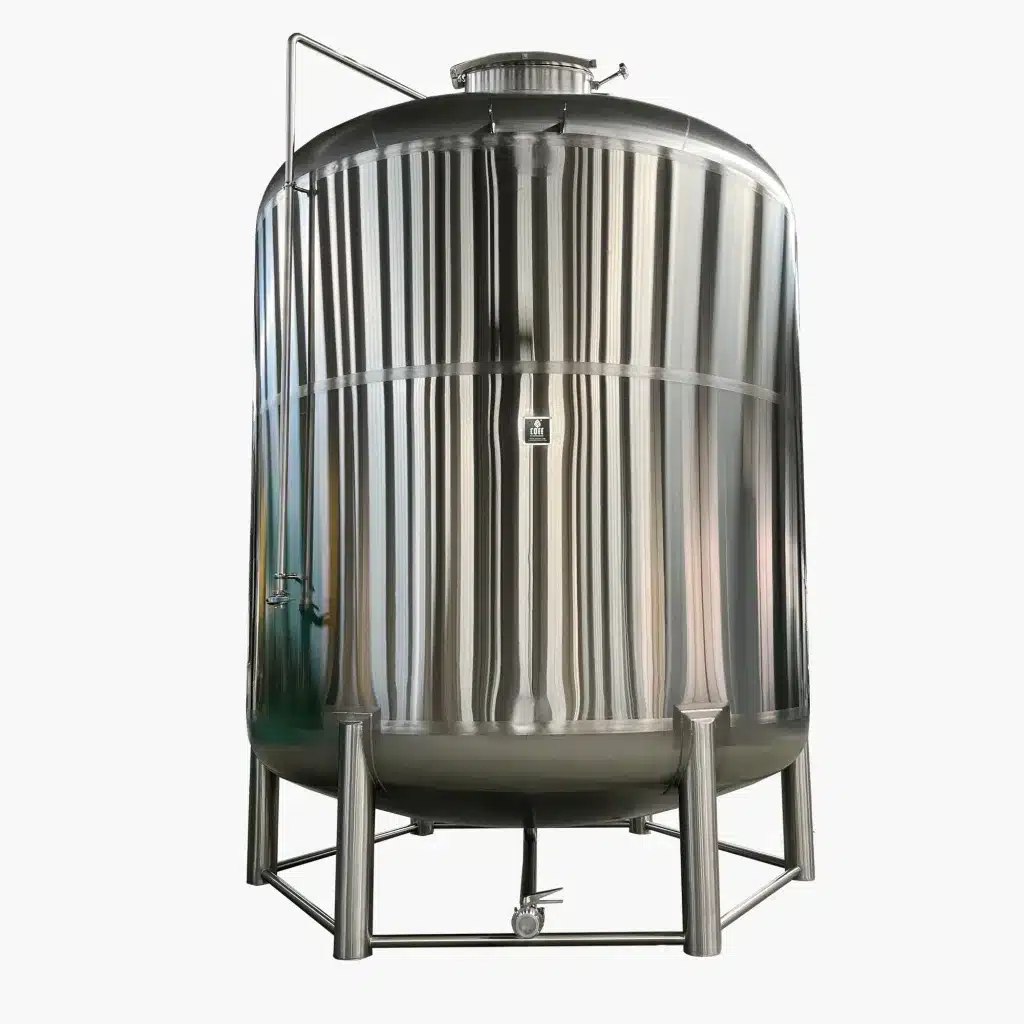
A jacketed tank features a double-wall construction: the inner layer holds the product, while the outer jacket circulates heating or cooling fluid. This design enables precise temperature control essential for melting, crystallization, and maintaining reaction stability.
Key Features of Jacketed Mixing Tanks
| Feature | Description |
|---|---|
| Twin-Pane Structure | Double-wall design allows circulating fluid for uniform temperature control |
| High Precision Control | Simultaneous heating and cooling capabilities for exact process requirements |
| Application-Specific Mixing | Used across food, pharmaceutical, and chemical industries |
| Superior Grade Materials | Stainless steel construction resists corrosion and ensures cleanliness |
| Effective Mixing Process | Integrated agitators ensure even blending alongside temperature control |
COFF’s jacketed tanks utilize food-grade stainless steel, delivering reliable performance for sensitive applications.
Insulation is very important in jacketed mixing tanks. The tank has layers of insulation, vapor barriers, and covers. This design keeps the temperature steady and protects from outside weather. Insulation stops heat from leaving or coming in. It helps the tank keep heat or cold, which saves energy. Poly tank insulation keeps chemicals at the right temperature. This is important for safety and keeping products good.
Temperature control is needed in food, medicine, and chemical factories. Jacketed mixing tanks help keep high quality. They handle things that need careful temperature control and keep things clean. In food factories, jacketed mixing tanks help cook and cool foods. They help make soups, sauces, dressings, and ice cream. The tanks stop chocolate from burning by keeping the right melting temperature. In medicine making, jacketed mixing tanks keep the temperature right. They help make important medicine ingredients and keep quality high.
Note: Jacketed mixing tanks from COFF give many benefits. They keep the temperature steady, save energy, and mix well. These features help make food, medicine, and chemicals with care.
| Advantages | Disadvantages |
|---|---|
| High process efficiency and quality | Higher maintenance requirements |
| Works across a wide viscosity range | Potential overheating and noise |
| Scalable and customizable | Shorter equipment lifespan under heavy use |
Mechanical mixing delivers rapid, intense blending but requires regular upkeep and may generate heat and noise.
Bubble mixing offers low maintenance and gentle action, making it suitable for shear-sensitive or fermentation processes. However, operational energy costs can be higher over time, and oxygen transfer is limited compared to mechanical systems.
Pump mixing provides flexibility for large volumes and prevents solids settling. Static mixer configurations offer long life with minimal maintenance, while dynamic systems allow variable speed control and easier inspection.
| Aspect | Static Mixers (No Moving Parts) | Dynamic Mixers (With Moving Parts) |
|---|---|---|
| Scalability | Needs specific pipe runs | Needs overhead clearance |
| Cleaning Procedures | Almost no maintenance, hard to inspect | Needs routine maintenance, easier access |
| Reliability | Long lifespan, no moving parts | Mechanical parts, defined failure modes |
| Control | Flow-dependent performance | Variable speed control |
Tip: Each mixing way has good points. The best one depends on what is being mixed, how it is done, and what the company needs.
Picking the right mixing tank helps companies make good products. It also helps them work faster and better. There are many things to think about:
Stainless steel tanks work with many chemicals and can handle hot or cold. Polypropylene and polyethylene tanks are good for some chemicals. But they do not work with strong oxidizers.
Every company has its own mixing needs. Custom tanks help solve problems and make better products. COFF gives many choices:
| Customization Option | Description | Benefit to Product Quality |
|---|---|---|
| Material Selection | Stainless steel or polyethylene | Matches chemical needs for safety |
| Agitation Mechanisms | Designed for viscosity and mixing goals | Ensures even mixing and consistency |
| Temperature & Pressure Control | Systems for safe and efficient processing | Maintains product quality and safety |
| Modular Designs | Easy to add to existing setups | Adapts to changing production needs |
| Advanced Features | IoT and automation technologies | Improves monitoring and process control |
COFF offers variable mixing speeds, custom agitators, CIP systems, and jacketed designs to meet specific batch sizes, viscosities, and hygiene requirements.
COFF uses certified food-grade stainless steel and adheres to ASME or AS1210 standards. Every tank undergoes factory testing before shipment.
| Aspect | Details |
|---|---|
| Design and Production | Certified materials, rigorous quality testing |
| After-Sales Service | Installation guidance, remote/on-site support, three-year warranty |
| Lifecycle Support | Maintenance tips, fast issue resolution |
Mixing tanks ensure consistent product quality and operational efficiency across food, pharmaceutical, and chemical industries. Jacketed designs enable precise temperature control, essential for texture, flavor, and stability. Selecting the right tank involves evaluating agitator type, vessel size, material compatibility, and customization needs.
COFF delivers tailored solutions with robust support, helping customers achieve reliable, repeatable results.
COFF mixing tanks can mix many things. They work with liquids, powders, and thick pastes. Stainless steel tanks do not rust. They keep food, medicine, and chemicals safe.
A jacketed tank has two walls. Hot or cold fluid moves between the walls. This keeps the inside at the right temperature for mixing.
Tip: Controlling temperature keeps products safe and high quality.
Yes! COFF gives lots of choices. Customers can pick the tank size and shape. They can choose the agitator type and add features like automation or cleaning systems.
| Custom Option | Example |
|---|---|
| Agitator Type | Anchor, propeller |
| Tank Shape | Vertical, horizontal |
| Extra Features | Heating, cooling, CIP |
Operators use cleaning-in-place (CIP) systems or wash by hand. Smooth tank walls and special coatings stop build-up. This makes cleaning easier.
Many industries use COFF tanks. Food, beverage, chemical, cosmetic, and pharmaceutical companies use these tanks for safe and even mixing.