

COPYRIGHT © 2022 COFF International Co., ltd. ALL RIGHTS RESERVED

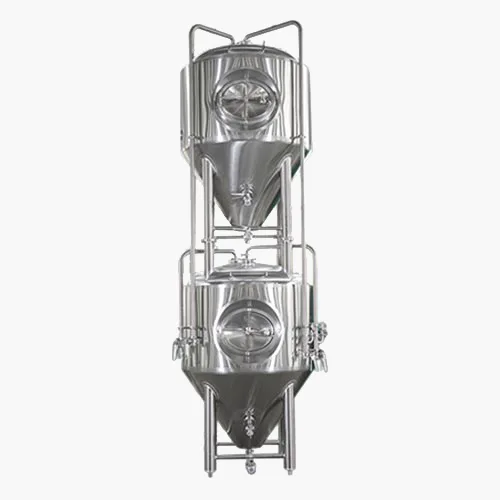
Yes, wine can absolutely be fermented in stainless steel tanks. In fact, stainless steel has been the standard in the winemaking industry for the past 50 years, and its widespread adoption was accelerated by the rapid development of the California wine industry in the 1970s and 80s. Stainless steel tanks are highly regarded for their ease of cleaning, precise process control, and ability to fully preserve the flavor of the wine. Today, they remain a staple for wineries of all sizes, enabling winemakers to produce consistently high-quality wines that fully express the true characteristics of the grapes.
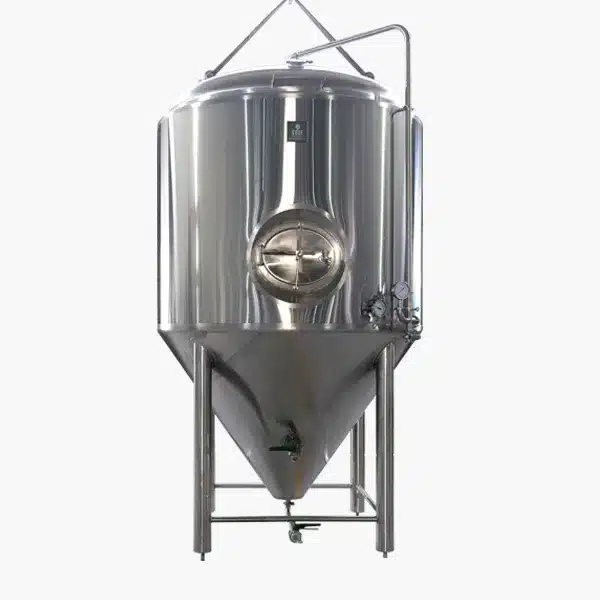
Today, winemakers increasingly value wines with rich fruit aromas and stable palates, striving to showcase the unique terroir and varietal characteristics of the grapes—and stainless steel tanks are the ideal choice for achieving this goal. Unlike traditional materials that can alter the flavor of wine, stainless steel tanks give winemakers complete control over the fermentation process, allowing for real-time monitoring of temperature, fermentation progress, and environmental conditions.
Sustainability is also paramount in modern winemaking, and stainless steel tanks perfectly align with this trend: their easy-to-clean design reduces water and chemical usage, their decades-long lifespan minimizes waste, and their flexible size options are suitable for both small-batch artisanal production and large-scale commercial production.
Tip: Stainless steel tanks support wineries in reducing their environmental footprint while maintaining full control over wine quality.
For centuries, winemakers have used a variety of different fermentation vessels, each with a unique impact on the quality of the final wine. The table below lists the main differences between stainless steel and other common fermentation vessels:
| Material | Oxygen Control | Flavor Impact | Typical Lifespan | Hygiene & Sanitation |
|---|---|---|---|---|
| Stainless Steel | Fully controllable airtight seal | Completely neutral, no added flavors | 30+ years | Excellent, non-porous surface resists bacteria buildup |
| Oak Barrel | Uncontrolled micro-oxygenation | Adds vanilla, caramel, and woody notes | 3–5 years | Difficult, porous wood traps bacteria and residue |
| Concrete | Moderate, semi-porous | Neutral, subtle textural smoothing | 10–20 years | Medium, porous surface requires intensive cleaning |
Stainless steel tanks produce wines with bright, crisp acidity and vivid fruit flavors, such as fresh apple, citrus, or tropical notes in white wines, and bright berry character in rosés. Oak barrels add secondary flavors and richness, while concrete tanks add subtle texture without altering flavor — but neither can match the consistency, hygiene, and control of stainless steel.
Temperature is the single most critical factor in successful fermentation, and stainless steel tanks give winemakers unmatched precision over this variable. Yeast requires a stable, consistent temperature to convert sugar to alcohol effectively, and even small fluctuations can lead to off-flavors, stuck fermentation, or inconsistent quality.
Stainless steel tanks are fitted with integrated cooling jackets that maintain precise, customizable temperatures throughout the entire fermentation process:
This level of control ensures every batch of wine meets the same high quality standard, eliminating the variability that comes with traditional fermentation vessels.
Note: Precise temperature control in stainless steel tanks locks in delicate flavor compounds, preserves aromatic integrity, and eliminates the risk of temperature-related fermentation failures.
Stainless steel’s airtightness and non-reactive properties are its greatest advantages, maximizing the preservation of wine’s natural freshness and aroma. Unlike porous materials that allow oxygen to enter or alter flavor, stainless steel does not add any secondary flavors to the wine, allowing the true characteristics of the grapes to be fully expressed.
The airtightness also prevents unwanted oxidation, which dulls the color, weakens the aroma, and diminishes the fresh fruitiness of the wine. Therefore, stainless steel is ideal for wines with a crisp palate, rich aroma, and a bright, prominent fruit flavor, while also ensuring consistency in flavor and aroma across batches.
The smooth, non-porous surface of stainless steel prevents residues, bacteria, and yeast from accumulating inside the container—a common problem with porous oak and concrete tanks. This makes sterilization quick, easy, and efficient: a quick rinse with hot water or steam is sufficient, eliminating concerns about batch-to-batch cross-contamination.
This level of hygiene is crucial for winemaking, as even small amounts of bacterial contamination can degrade the quality of an entire batch of wine. Furthermore, the corrosion resistance of stainless steel allows it to withstand repeated washing without deteriorating over time.
Stainless steel tanks are suitable for nearly every wine style, with customizable designs to support specific fermentation needs. The table below breaks down the key benefits for common wine types:
| Wine Type | Key Benefits of Stainless Steel Fermentation | Ideal Varieties |
|---|---|---|
| White Wines | Preserves fresh fruit flavors, bright acidity, and delicate floral aromas | Riesling, Sauvignon Blanc, Pinot Gris, Melon, Albarino |
| Rosés | Locks in bright berry aromas and a clean, crisp finish | All rosé varieties |
| Sparkling Wines | Enables precise temperature control for secondary fermentation, maintains crispness and carbonation | Most sparkling wine styles |
| Light-Bodied Reds | Preserves fresh red fruit character, avoids over-extraction of harsh tannins | Pinot Noir, Gamay |
Their flexible sizing also works for both small-batch experimental wines and large-scale commercial production, giving winemakers full flexibility to expand their offerings as needed.
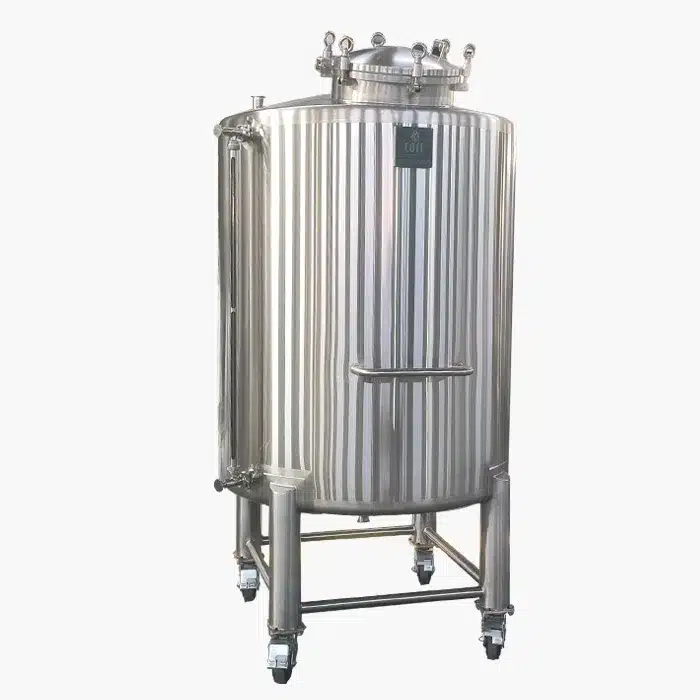
Fermenting wine in stainless steel tanks follows a controlled, standardized process to ensure consistent quality and avoid common fermentation issues:
Tip: Strict adherence to sanitation and temperature control eliminates the risk of off-flavors, stuck fermentation, and batch spoilage.
Follow these industry best practices to ensure consistent, high-quality results from stainless steel tank fermentation:
Stainless steel tanks have revolutionized modern winemaking for obvious reasons: they offer unparalleled precision, consistency, and quality control while preserving the authentic flavors of the grapes in every bottle. For winemakers seeking fruity, consistent quality, minimal waste, and maximum control over the winemaking process, stainless steel fermentation is undoubtedly the gold standard.
With a 30+ year service life, easy sanitation, and versatile design, stainless steel tanks offer exceptional long-term value for wineries of all sizes, from small craft producers to large commercial operations. COFF’s industry-leading stainless steel wine tanks are engineered for winemaking excellence, with high-grade food-safe stainless steel, precision jacketed temperature control, and customizable designs to support reliable, high-quality fermentation for every wine style.
Winemakers use stainless steel tanks for white, rosé, red, and sparkling wines. These tanks help preserve fruit flavors and freshness. Some wine styles need oak barrels for extra taste, but stainless steel works for most varieties.
Stainless steel tanks have tight seals and smooth surfaces. These features keep air out and protect the wine from oxidation. Winemakers rely on these tanks to maintain the wine’s color and aroma.
Stainless steel tanks have smooth surfaces. Workers clean them quickly with hot water or steam. This helps prevent bacteria and keeps the wine safe. Many winemakers choose these tanks for their hygiene.
The COFF Wine Tank uses high-grade stainless steel. It offers variable capacity, floating lids, and jacketed designs for temperature control. Winemakers trust COFF for durability, easy cleaning, and precise fermentation.
Stainless steel tanks do not add flavors to wine. They keep the wine’s original taste and aroma. Winemakers use these tanks to highlight the grape’s natural character.