


COPYRIGHT © 2022 COFF International Co., ltd. ALL RIGHTS RESERVED

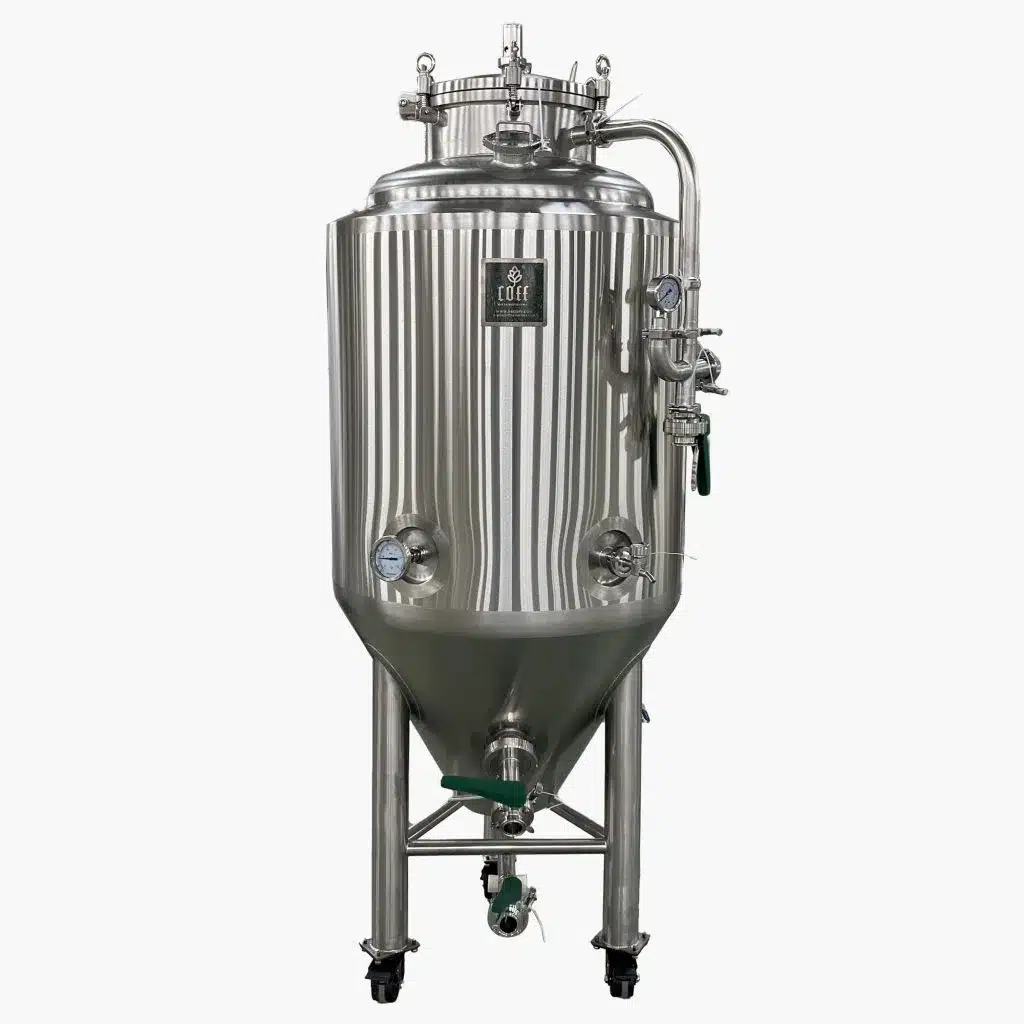
A stainless steel tank typically lasts 15 to 50 years, with some units reaching 100 years when properly maintained. As a trusted manufacturer of stainless steel storage systems, COFF uses premium SUS304 stainless steel in every tank to deliver exceptional strength, corrosion resistance, and long-term reliability. Built to protect water quality and ensure safe storage, these tanks represent a cost-effective, long-lasting solution for water, food, beverage, chemical, and pharmaceutical applications across industries.
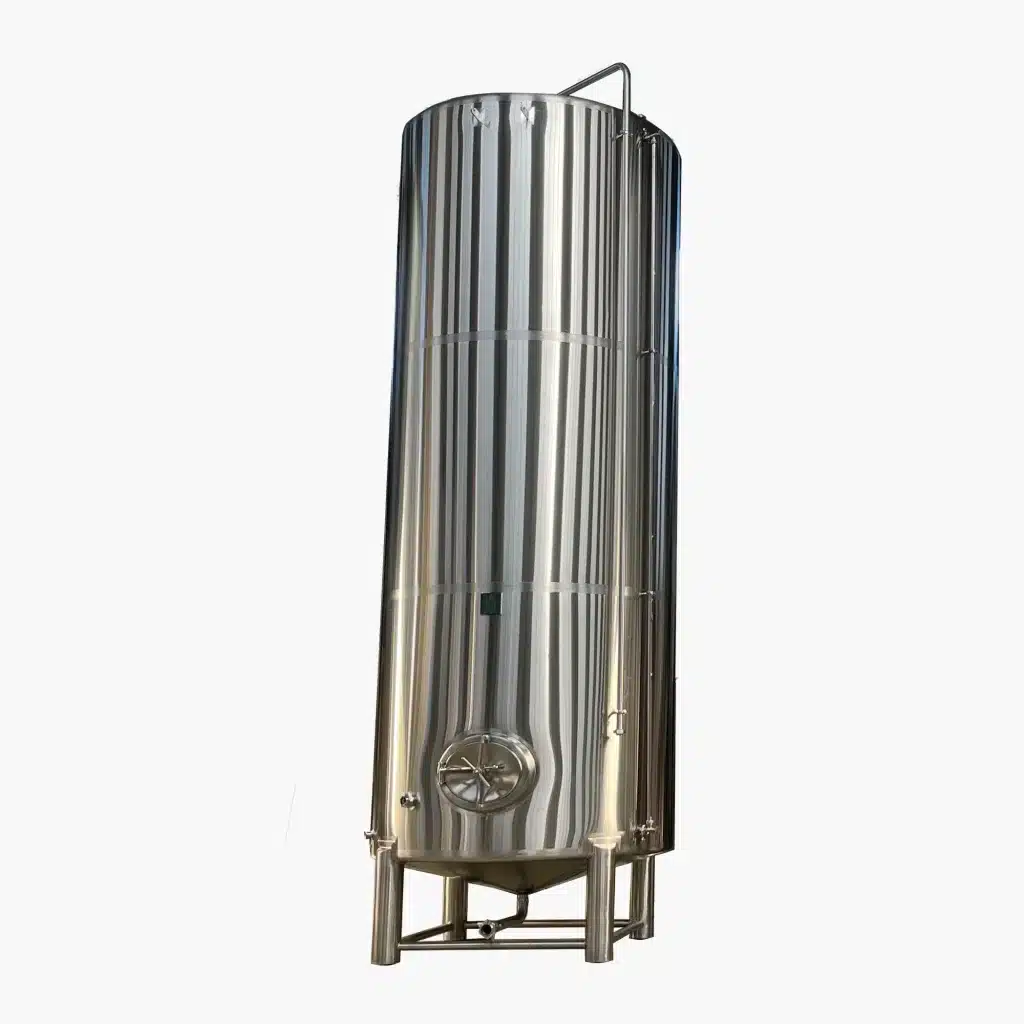
Material grade is one of the most important factors in tank longevity. Premium SUS304 stainless steel, which contains approximately 18% chromium and 8% nickel, is widely regarded as the industry standard. These elements form a self-repairing passive oxide layer that resists rust and corrosion. Under normal conditions, SUS304 tanks can easily last more than 50 years without significant degradation.
| Key Points | Details |
|---|---|
| Grade Impact | Higher-quality 304-grade steel delivers superior corrosion resistance and durability. |
| Protective Layer | Chromium creates a passive barrier that shields against oxidation and rust. |
| Alloy Contribution | Nickel improves structural stability and performance in challenging environments. |
| Maintenance | Proper care further extends the service life of stainless steel tanks. |
Well-built tanks feature robust wall thicknesses and strong, precise welds to enhance structural integrity and long-term performance.
Location and environment directly influence how long a stainless steel tank lasts. Outdoor tanks face greater stress from moisture, temperature swings, UV exposure, and airborne contaminants. Coastal areas with salt air are particularly harsh and can accelerate corrosion. Indoor installations typically last longer due to stable temperatures and protected environments.
Regular maintenance is critical to extending tank life. Simple cleaning and inspections can catch small issues before they become costly failures. Gentle, regular cleaning is recommended, without harsh chemicals like bleach, which can damage the protective oxide layer.
Properly designed tanks often include user-friendly features to simplify long-term care and ensure stable performance.
How often a tank is used also affects its lifespan. Frequent filling, emptying, and cleaning can create gradual wear over time. However, stainless steel’s high durability means annual wear rates are typically less than 1%.
Industrial-grade tanks are engineered to handle both light and heavy operating intensities, ensuring reliable performance over time.
Tip: Always follow the manufacturer’s operating and maintenance guidelines to maximize service life.
Stainless steel water tanks are widely used in residential, commercial, and municipal applications. Under normal pressure and regular maintenance, most last 20 to 50 years, with some exceeding 100 years. Their corrosion-resistant nature keeps stored water clean and safe.
A range of standard and custom stainless steel water storage systems is available to meet diverse capacity and installation needs.
Note: Stainless steel tanks significantly outlast carbon steel tanks, which usually only last about 15 years.
In food, beverage, and brewing applications, tanks require frequent cleaning, temperature cycling, and strict hygiene standards. Most stainless steel tanks in these industries last 30 to 50 years, and even longer with proper care.
| Factor | How It Supports Longevity |
|---|---|
| Corrosion Resistance | Prevents rust and maintains structural strength |
| Easy Cleaning | Smooth surfaces reduce bacterial buildup |
| Regular Inspections | Catch damage early to avoid major failures |
| Sanitization | Ensures food-safe operation over time |
Fermentation tanks, brite tanks, and storage systems built for high-sanitation environments all benefit from the durability of stainless steel.
Chemical and pharmaceutical applications demand high resistance to corrosive media and strict regulatory compliance. Stainless steel tanks here generally last 30 to 60 years, and can exceed 100 years when handling mild chemicals with proper maintenance.
| Alloy Element | Effect on Longevity |
|---|---|
| Molybdenum | Improves chloride resistance |
| Nickel | Enhances structural stability |
| Chromium | Forms anti-corrosion protective layer |
Tip: Always select the right tank grade and design for your stored media to ensure safety and longevity.
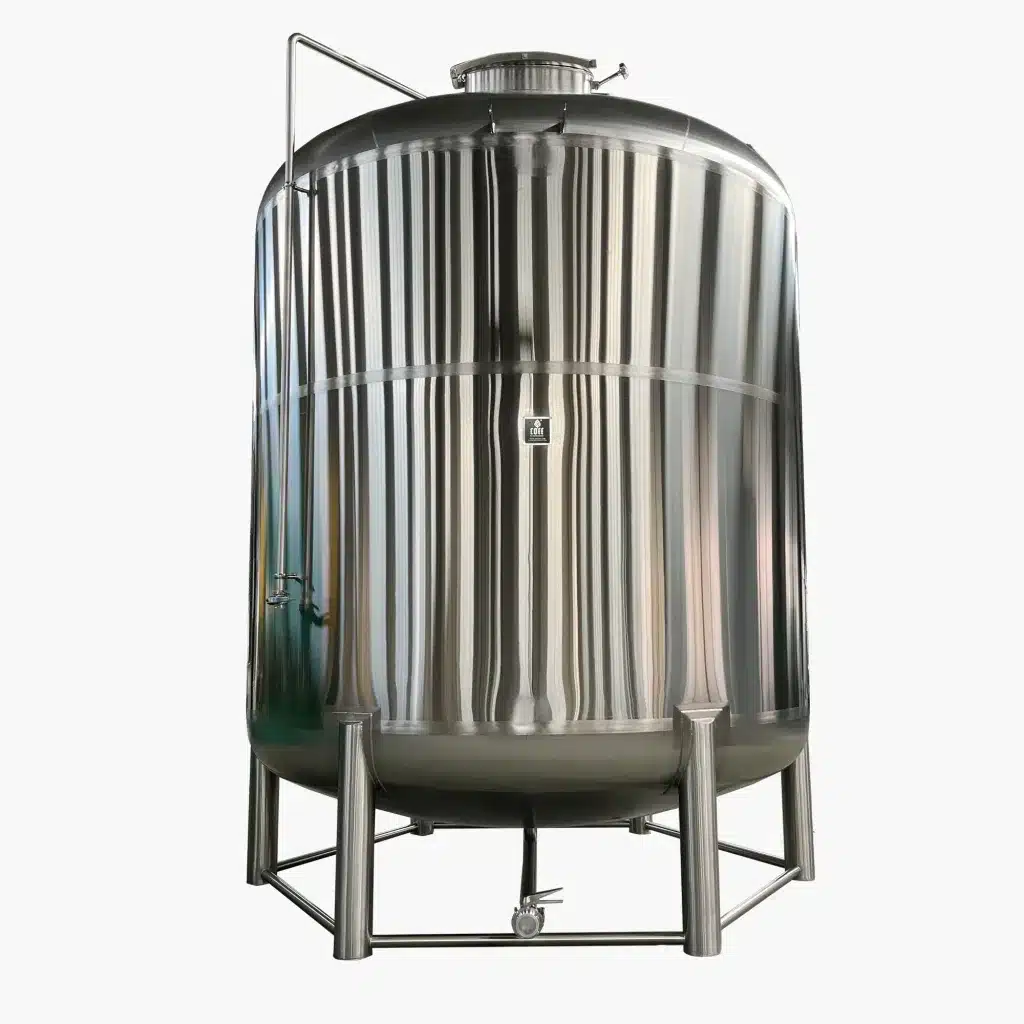
Regular inspections are very important for making tanks last longer. They help workers find problems before they get worse. During checks, workers look at welds, seams, and other parts for damage. This helps them fix things fast and keeps the tank safe. Inspections also look for rust, leaks, or cracks. Some teams use special tools to find hidden problems, like ultrasonic or radiographic testing.
Cleaning tanks and stopping rust are important for long life. Machines like rotary brushes and spray jets make cleaning easier and better. These machines save time and money. Workers also check tanks by hand during cleaning to find small problems. Putting on anti-rust coatings can stop rust, especially in wet places.
| Coating Type | Protection Duration | Cost per Liter | Best For |
|---|---|---|---|
| Zinc-Based | 3-7 years | 20−50 | Moderate humidity, non-chemical exposure |
| Epoxy | 5-10 years | 50−100 | Chemical tanks, fuel storage |
| Ceramic | 8-15 years | 80−150 | Marine, industrial, high-salinity environments |
Proper installation on a level, stable foundation prevents structural stress. Annual inspections and correct operation help maintain performance over time. Reputable manufacturers provide clear installation and maintenance instructions, often backed by a warranty for manufacturing quality.
| Maintenance Tips | Description |
|---|---|
| Regular cleaning | Use approved cleaners or CIP systems to prevent buildup |
| Weld & seal checks | Inspect gaskets, fittings, and connections for leaks |
| Environmental control | Limit exposure to harsh chemicals and extreme temperatures |
| Liquid monitoring | Ensure stored materials are compatible with stainless steel |
| Mechanical protection | Avoid impact or scratching to the tank surface |
| After-sales support | Access technical guidance and service when needed |
| Warranty | Coverage against manufacturing defects for a set period |
Stainless steel tanks offer exceptional service life, typically ranging from 15 to 50 years, and can last a century with proper care. Grade, environment, usage, and maintenance all play key roles in determining longevity.
To maximize lifespan, choose the right tank design for your application, follow recommended maintenance practices, and partner with a reputable manufacturer like COFF. As a leader in stainless steel storage solutions, COFF exclusively uses high-grade SUS304 stainless steel, combined with precision engineering and robust construction, to deliver tanks that stand the test of time, and ensuring your investment delivers long-term value.
People should inspect tanks at least once a year. More frequent checks help catch problems early. Regular inspections keep tanks safe and working well.
SUS304 is a type of stainless steel. It contains chromium and nickel. This mix helps the steel resist rust and last longer. Many industries trust SUS304 for its strength and safety.
Yes, stainless steel tanks can store many chemicals safely. The right tank design and steel grade matter. Always check with the manufacturer for chemical compatibility.
COFF offers technical support, maintenance advice, and a three-year warranty. Their team helps with setup, inspections, and answers questions to keep tanks in top condition.