


COPYRIGHT © 2022 COFF International Co., ltd. ALL RIGHTS RESERVED

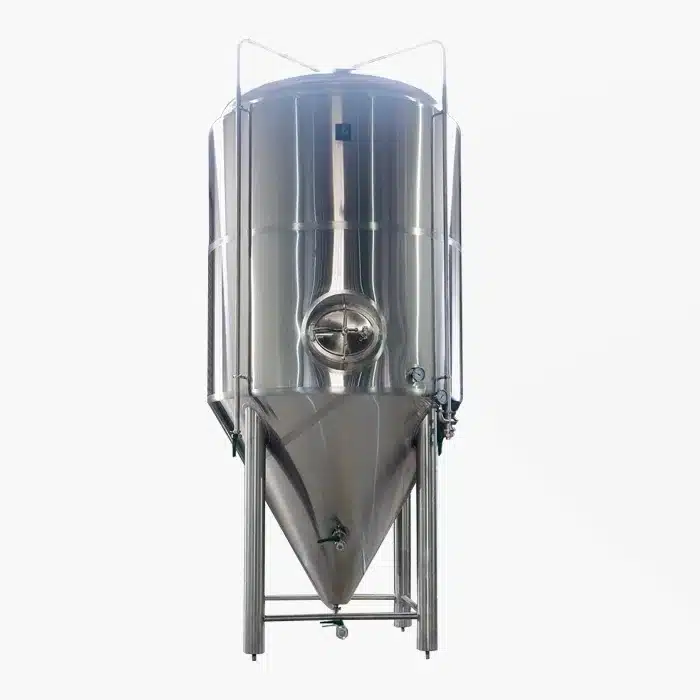
A fermentation tank gives a safe place for fermentation to happen. It lets people control the process very carefully. This control keeps the taste, texture, and alcohol level the same in things like beer, wine, and dairy. Producers use these tanks to watch and change important settings. This helps make sure the quality stays high and batches do not change much. COFF is a leader because it makes tanks that help fermentation work well and smoothly.
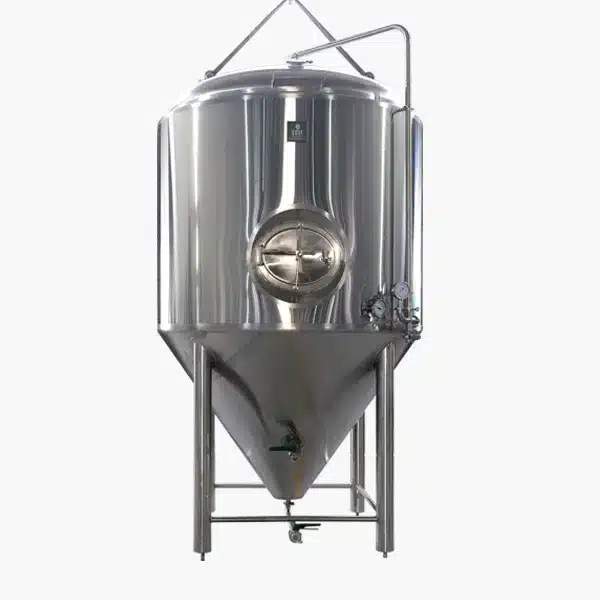
A fermentation tank is the main container for brewing and wine. It gives a safe space for yeast and bacteria to change raw materials into useful products. The system inside the tank controls temperature, pressure, and oxygen. This helps yeast turn sugars into ethanol and carbon dioxide when brewing. Bacteria also make lactic acid, which is important in dairy production. The system helps make biofuels and medicines by guiding how microbes work.
Fermentation tanks are big containers for brewing and wine fermentation tanks. They let producers grow yeast, bacteria, or fungi. The system keeps temperature, pressure, and pH at the right levels. This makes sure fermentation works well. The system helps make beer, wine, and medicines with the same quality every time.
Sensors and control systems in the fermentation tank check pH, temperature, and oxygen. The system changes settings fast to keep things just right. This helps brewing and wine fermentation tanks make good products every time.
Fermentation tanks are very important for brewing and wine fermentation tanks. They hold a lot of liquid during fermentation. The system makes the process faster and keeps results the same. Controlling temperature, pressure, and oxygen is important for good fermentation.
A fermentation tank gives a safe space for brewing and wine fermentation tanks. The system lowers the chance of contamination and makes results more steady. Automatic systems help producers keep quality high. The system helps turn raw materials into beer, wine, and medicines. COFF makes fermentation tanks with smart systems for these jobs. Their tanks are strong, clean, and work well for brewing and wine fermentation tanks all over the world.
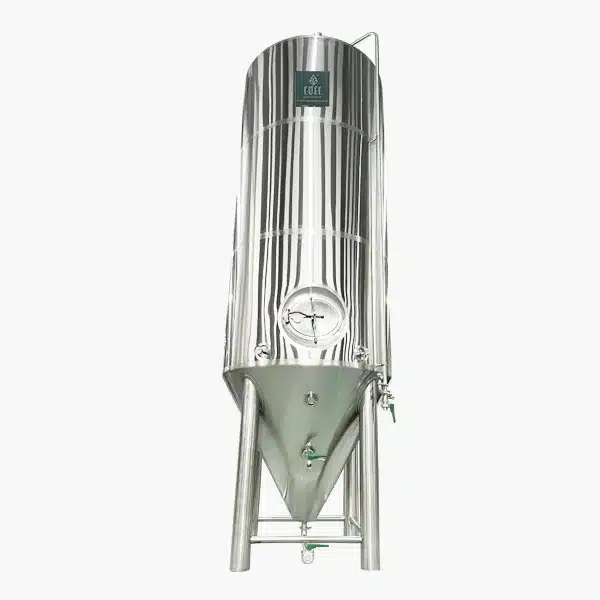
Modern fermentation tanks are made to keep fermentation safe and easy. COFF makes its tanks from stainless steel that is certified. This metal does not rust and is simple to clean. Clean tanks help stop germs from getting in. The tanks have many parts that help control fermentation.
| Component | Contribution to Process Control |
|---|---|
| Stainless Steel | Stops germs and lasts a long time. |
| Temperature Control | Keeps the right heat for yeast and bacteria. |
| CIP System | Cleans the tank by itself for better safety. |
| Pressure Rating | Lets the tank hold pressure and keeps out oxygen. |
| Conical Bottom | Makes it simple to get yeast and solids out. |
| Insulation & Cladding | Holds in heat and saves energy. |
COFF makes tanks in different shapes and sizes. Some tanks are conical, some are round, and some are flat. People can pick things like cooling jackets, insulation, and pressure relief. These choices help many businesses, like brewing and medicine. COFF checks every tank with tests and inspections. This makes sure each tank works well before it is sent out.
Keeping the right temperature is very important for fermentation. COFF tanks use cooling jackets and digital tools to keep the heat steady. This helps yeast and bacteria do their jobs well. The best temperature is between 20˚C and 85˚C. This gives good results and more product. If it gets too cold, fermentation slows down. If it gets too hot, bad things can form.
Keeping the same temperature helps yeast and keeps taste the same.
Cleaning is also very important. COFF tanks use CIP systems that clean the inside without taking the tank apart. This saves time and lowers the chance of germs. People clean tanks with strong cleaners and follow rules to keep them safe. Good cleaning stops spoilage, protects the tank, and keeps the product safe.
COFF’s smart features, like automatic cleaning and real-time checks, help people run fermentation safely and well.
Fermentation tanks are crucial for brewing high-quality beer. They help maintain consistency in the taste, color, and aroma of each batch. Fermentation tanks use specialized control systems to set the appropriate temperature and pressure, ensuring that yeast and bacteria function in the same way in every batch. The U.S. Food and Drug Administration’s (FDA) Process Analytical Technology (PAT) program aims to improve control over the production process. Using these fermentation tanks, the protein content variation between batches of beer is less than 50%. Modeling and data checks also help prevent significant fluctuations during brewing.
COFF tanks help people make good beer every time. They keep the quality the same in all batches.
Stopping germs is very important in brewing. Fermentation tanks are closed and clean to keep out bad germs. Tanks use smart sensors and cleaning tools to stop germs from getting in. Machine learning now finds problems faster than old ways. These models look at real brewing data and spot germs quickly. The table below shows how tanks help stop germs:
| Key Findings | Description |
|---|---|
| Machine Learning Models | The study compares ML-based models with conventional methods, showing improved detection accuracy and robustness. |
| Practical Utility | Demonstrates application to real fermentation datasets, highlighting efficiency in detecting contamination events. |
| Recommendations | Identifies important process variables contributing to contamination and provides recommendations to reduce risks. |
COFF tanks use special cleaning systems that wash the tank without opening it. This keeps brewing safe and stops germs. People have fewer recalls and safer beer.
Fermentation tanks help speed up brewing and streamline the brewing process. Automated systems can automatically move the tank lids and clean the tanks, reducing manual labor. Smart sensors monitor the brewing process, helping to brew higher-quality beer. Well-insulated fermentation tanks can save up to 96.5% on energy. Cleaning systems can reduce water and chemical usage by 30%. The following list illustrates how fermentation tanks can help improve brewing efficiency:
COFF tanks help people make more beer with less waste. They help sell bottles for more money, lose less product, and use resources better. Tanks also help the planet by using less energy and water.
Fermentation tanks come in many shapes and sizes. They are made for different brewing jobs. In brewing, people use vertical and horizontal tanks. These tanks are made from stainless steel. Most tanks have systems to control temperature. This helps manage fermentation. Food fermentation tanks are smaller. They are used for things like yogurt and kimchi. Some have agitators to mix the batch well. Genetic fermentation tanks are called bioreactors. They are important in making medicine. These tanks focus on being very clean and safe.
COFF has many sizes and types of fermentation tanks. People can pick mobile tanks for small batches. They can also choose big tanks for large brewing needs. COFF’s tanks work for home brewing and big factories.
| Factor | Details |
|---|---|
| Capacity | Small breweries use tanks from 1 barrel to a few barrels. Large producers use tanks up to 1000 barrels. |
| Space | Craft breweries use vertical tanks for tight spaces. Large breweries use horizontal tanks. |
| Design Features | Craft tanks are simple. Industrial tanks have insulation, cooling jackets, and pressure ratings. |
| Customization | Small breweries have fewer options. Large producers get more custom features. |
Fermentation tanks are used in many industries. Brewing uses tanks to control temperature. This keeps flavor and quality the same. Winemaking also needs temperature control for good fermentation. Dairy production needs tanks that are easy to clean. This keeps the process even. Pharmaceuticals need tanks that are very clean and safe.
| Industry Sector | Specific Requirements |
|---|---|
| Brewing | Temperature control, flavor and quality consistency |
| Winemaking | Temperature control for fine-tuning fermentation |
| Dairy Production | Hygiene, uniform fermentation |
| Pharmaceuticals | Sterile conditions for safe fermentation |
Biotechnology has changed with better fermentation tanks. Bigger tanks and better controls help companies make more at once. The U.S. uses new bioreactors the most. This shows how important these systems are.
COFF is a top company for fermentation tanks. Customers like how strong and good COFF tanks are. The company uses new technology and helps customers well. COFF works with partners like MoreBeer in the U.S. This shows they care about quality and service. Theirs tanks help both small and big producers make cider and beer.
COFF Fermentation Tanks are made from stainless steel. This metal does not rust. It keeps the tank strong for a long time. Stainless steel is easy to clean. It also helps stop germs from getting in.
A fermentation tank has cooling jackets and sensors. These tools keep the temperature the same. This helps yeast and bacteria do their jobs well. The final product turns out better.
Yes, COFF has many sizes and shapes. Customers can pick things like insulation and pressure ratings. They can also choose mobile tanks. COFF works with each customer to fit their needs.
Clean tanks stop germs from growing. Good cleaning keeps the product safe for people. COFF tanks have automatic cleaning systems. This makes cleaning easy and always works well.