


COPYRIGHT © 2022 COFF International Co., ltd. ALL RIGHTS RESERVED

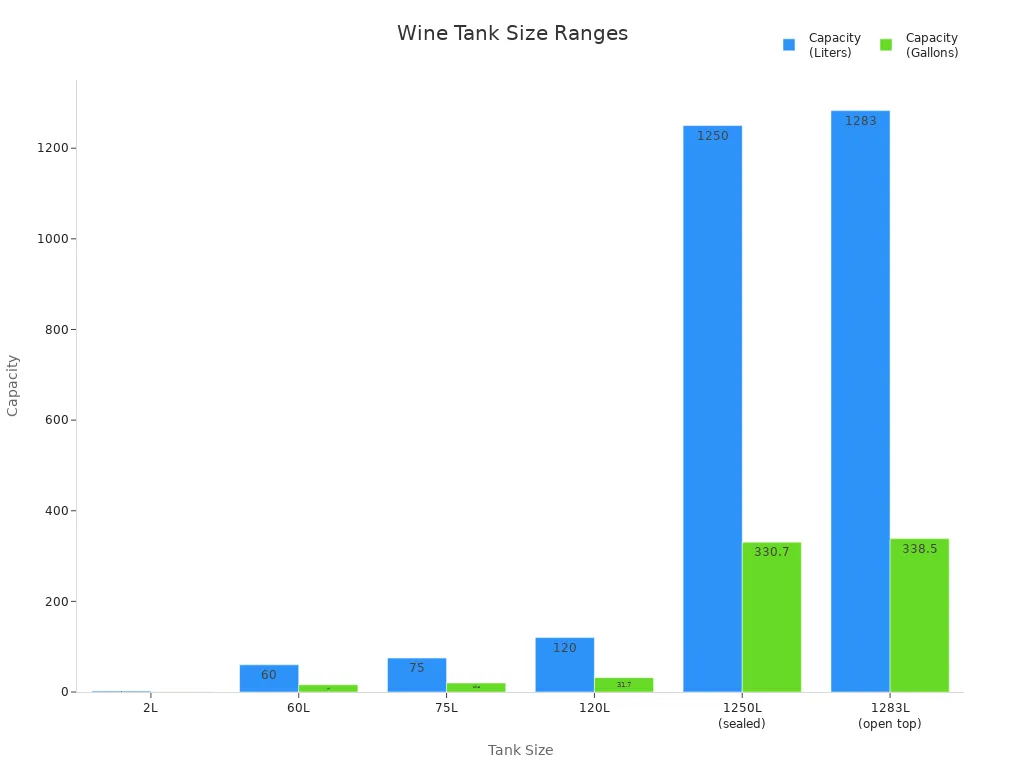
Wine tanks can be very small or very big. Some tanks hold just 2 liters. Others can hold more than 50,000 liters. Most wineries use stainless steel tanks. Plastic and clay tanks are also used. Each material has its own size range and benefits. Picking the right size helps winemakers make enough wine. It also helps store the wine safely.
| Capacity (Liters) | Capacity (Gallons) |
|---|---|
| 2L | 0.52 gal |
| 60L | 15.9 gal |
| 75L | 19.8 gal |
| 120L | 31.7 gal |
| 1250L (sealed) | 330.7 gal |
| 1283L (open top) | 338.5 gal |
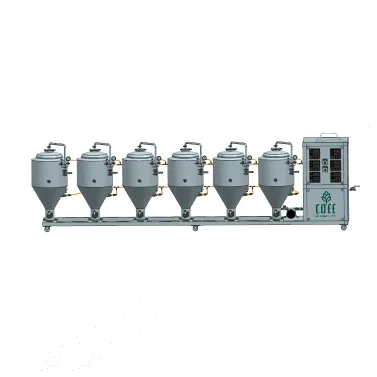
Small wine tanks are important for people who make wine at home or in small batches. These tanks can be as little as 15 liters and as big as 500 liters. That is about 4 to 132 gallons. Many people who make wine for fun or in small wineries use these tanks. They use them for fermenting, storing, and making sparkling wine. Small tanks can be made from plastic, clay, or stainless steel. Each material has its own good points. Some are easy to clean. Others give the wine a special taste.
| Size Range (Liters) | Size Range (Gallons) | Usage Context |
|---|---|---|
| 15 – 109 | 4 – 29 | Home fermentation, small batches |
| 110 – 500 | 29 – 132 | Small winery production, larger home batches |
Small tanks are used for many steps in making wine. They help with fermenting, storing, aging, making sparkling wine, and getting wine ready for bottles.
Plastic tanks can be as small as 20 liters or as big as 1,000 liters. That is about 5 to 264 gallons. Stainless steel and clay tanks also come in these sizes. This gives winemakers many choices for their needs.
Tip: Small tanks let winemakers try new recipes or grapes without making a lot of wine.
Medium wine tanks are used by both home winemakers and bigger wineries. These tanks hold between 227 liters and 3,785 liters. That is about 60 to 1,000 gallons. Small wineries often use tanks that hold about 60 gallons for special wines or testing. Medium-sized wineries use tanks from 600 to 1,000 gallons for their main wines.
Most medium tanks are made from stainless steel. This is because they last a long time and are simple to clean. These tanks often have temperature controls and other features. These help winemakers control how the wine ferments and ages.
Large wine tanks are needed for big wineries and factories. These tanks can hold from 5,000 liters up to more than 100,000 liters. That is about 1,320 to 26,417 gallons. Stainless steel, fiberglass, and mixed tanks are common for big jobs. Some stainless steel tanks can hold over 50,000 liters. Some companies even make tanks bigger than this if needed.
| Tank Type | Size Range | Purpose |
|---|---|---|
| Large (Industrial) | 5,000–100,000+ liters | Bulk wine, export, high-volume production |
| Fiberglass | 4,000–50,000 gallons | Durable, moderate cost |
| Combination Fermentation/Storage | 500–13,000 liters | Multiple uses |
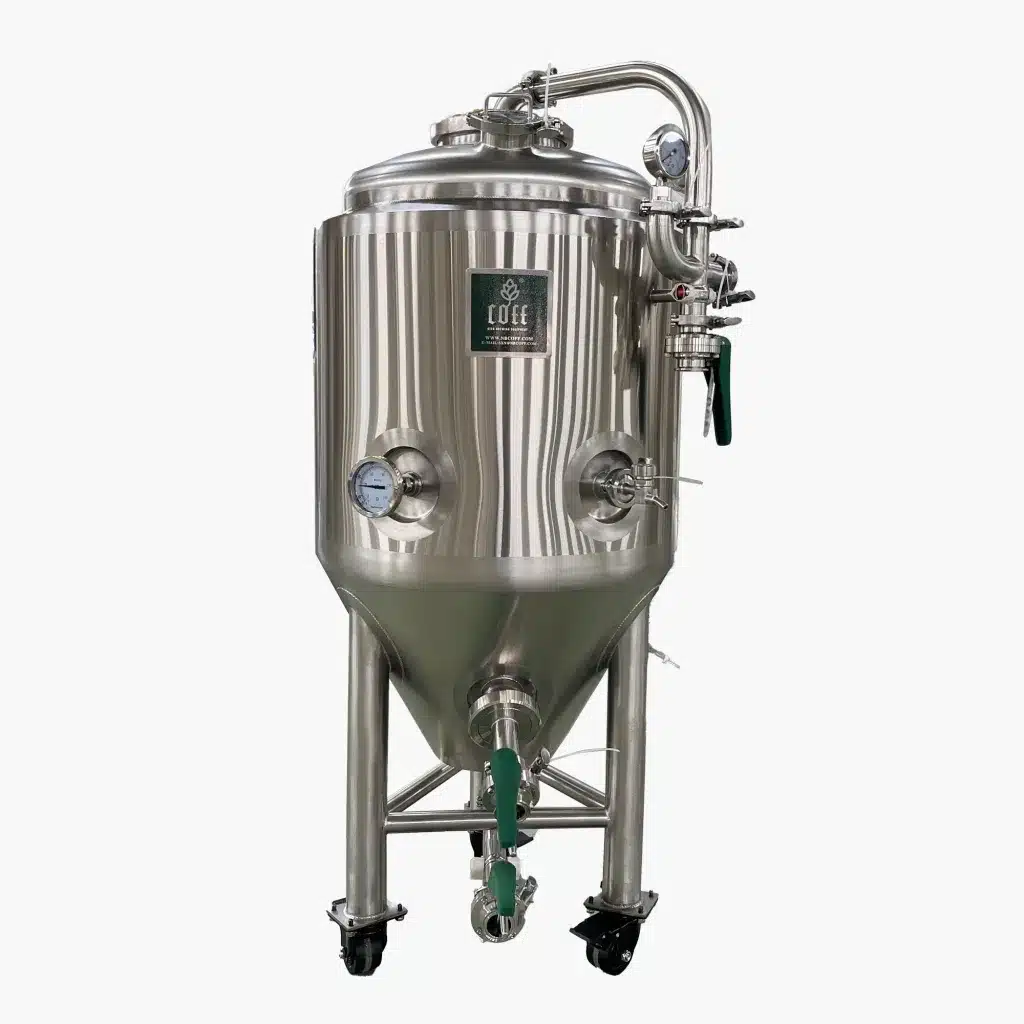
Ningbo COFF Machinery Co., Ltd. makes stainless steel wine tanks from 1 gallon to 8,000 gallons. That is about 3.8 to 30,000 liters. This means they have tanks for home use, small wineries, and big producers. Some companies can make custom tanks over 50,000 liters for special needs.
Note: Large tanks help wineries make and store lots of wine. This helps them work better and keep their wine the same every time.
Production goals play a big role in choosing the right wine tank. Wineries must think about how much wine they want to make each year. They select tank sizes that match their batch size and allow for future growth. During fermentation, tanks need extra space at the top, called headspace, to prevent overflow. Winemakers usually leave about 25% of the tank empty during primary fermentation. This helps control foaming and keeps the wine safe from spoilage.
Different types of wine need different tank sizes and materials. Stainless steel tanks work well for both small and large wineries. These tanks can range from 500 to 13,000 gallons. Oak barrels are smaller, usually between 225 and 860 liters, and are used for premium wines. The choice of tank material can change the flavor and aging process of the wine. Some winemakers use concrete or clay for special styles.
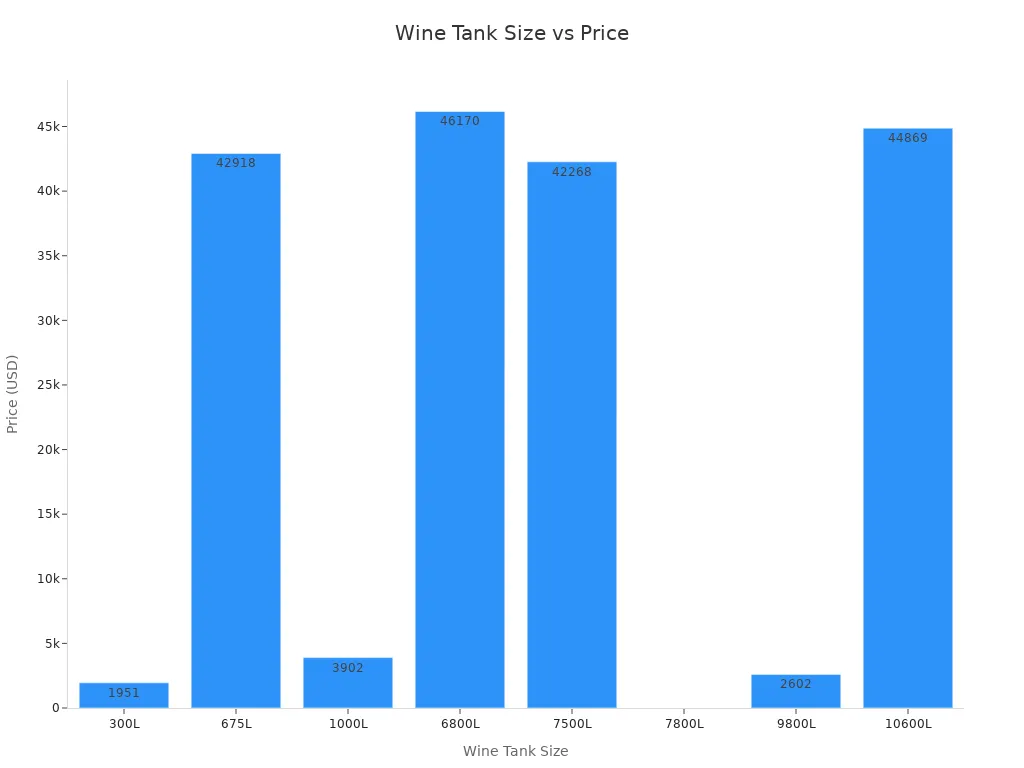
Space and budget are important when picking a wine tank. Wineries often have limited room, so they must use their space wisely. Taller tanks can help small wineries increase capacity without taking up more floor space. Cleaning and maintenance also require extra room around each tank. The cost of tanks varies by size and material. Larger tanks usually cost more, but they can improve efficiency for big producers.
| Wine Tank Size | Price |
|---|---|
| 300L | $1,951.00 |
| 1000L | $3,902.00 |
| 9800L | $2,602.00 |
| 6800L | $46,170.00 |
| 10600L | $44,869.00 |
| 675L | $42,918.00 |
| 7500L | $42,268.00 |
| 6000L | $48,120.00 |
Tip: Wineries should consider both the cost of the tank and the space needed for cleaning and movement.
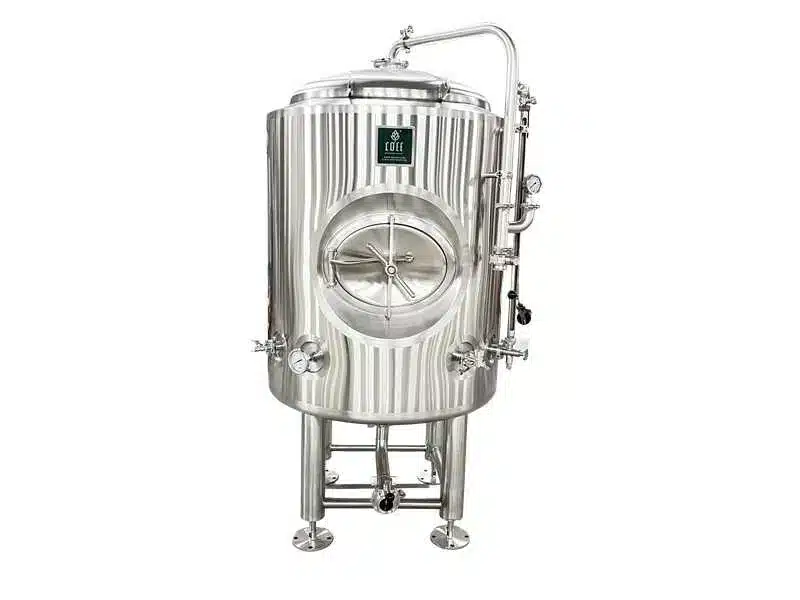
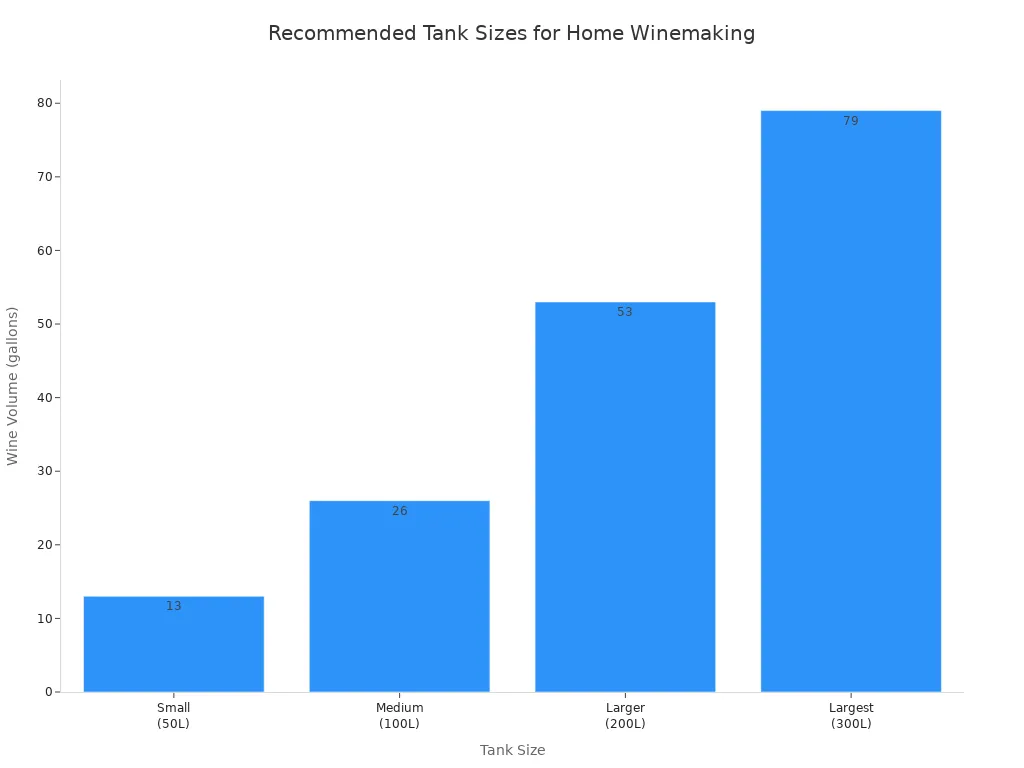
People who make wine at home usually start small. They need to pick a tank that matches how much wine they want to make. It is important to leave space in the tank for safe fermentation. For example, a 50-liter tank holds about 13 gallons. This size works well for most home winemakers. The table below lists common tank sizes for home use:
| Tank Size | Approximate Wine Volume | Suitable Winery Scale |
|---|---|---|
| Small (50L) | ~13 gallons | Home use |
| Medium (100L) | ~26 gallons | Small wineries |
| Larger (200L) | ~53 gallons | Medium wineries |
| Largest (300L) | ~79 gallons | Large wineries |
Home winemakers should think about what the tank will be used for. It can be for fermentation, storage, or both. If using the tank for fermentation, keep about 25% empty. This helps with foaming and keeps things safe. People can use plastic tubs, glass carboys, or stainless steel tanks. Each type has its own good points.
Tip: Beginners should use smaller tanks. This helps them learn and not waste money.
Small wineries need to think about how much wine they want to make. They also need to think about space and money. These wineries often use tanks from 60 to 264 gallons. These tanks are used for both fermenting and storing wine. Stainless steel tanks are popular because they are easy to clean. They also help control the temperature. Small wineries should plan for the future. They should pick tanks that fit their space.
Small wineries often start with smaller tanks. As they grow, they get bigger tanks. They should measure their space before buying new tanks. Good planning helps them avoid buying tanks they do not need.
Note: Picking the wrong tank size can cause spills or spoil the wine. It can also make the wine taste different in each batch.
Big wine companies need large tanks to make lots of wine. They use tanks that hold from 500 to 13,000 gallons or even more. Many places use custom tanks to fit their work style. Special features like ports, valves, and stacking help them work better.
Custom tanks give companies more choices and help keep wine quality the same. Talking to experts like COFF can help. These experts look at how much wine you make, your style, and your budget. Then they suggest the best tank for you.
Tip: Talking to wine tank experts helps you pick the right tank now and for the future.
Small wineries often use tanks between 500 and 1,000 liters (132–264 gallons). These sizes work well for both fermentation and storage. Stainless steel tanks are popular because they are easy to clean and help control temperature.
Yes, home winemakers can use stainless steel tanks. These tanks start as small as 1 gallon (about 4 liters). Stainless steel keeps wine safe and clean. Many people choose them for their durability and easy cleaning.
Winemakers look at how much wine they want to make each year. They also check their space and budget. They pick a tank that fits their needs and leaves room for safe fermentation.
Tip: Always leave extra space in the tank for foaming during fermentation.
Yes, many manufacturers offer custom wine tanks. Companies like Ningbo COFF Machinery Co., Ltd. design tanks for unique spaces or production needs. Custom tanks can include special features like extra ports or stacking options.