
COPYRIGHT © 2022 COFF International Co., ltd. ALL RIGHTS RESERVED


Choosing the right mash tun distillery shapes the success of your spirits. You need a mash tun that gives you precise temperature control, as this step transforms starches into fermentable sugars and sets the stage for flavor and quality. The right equipment ensures every batch meets your standards. COFF stands out as a trusted source for high-quality mash tuns and distillery solutions. Use this guide to avoid costly mistakes and make a smart investment.

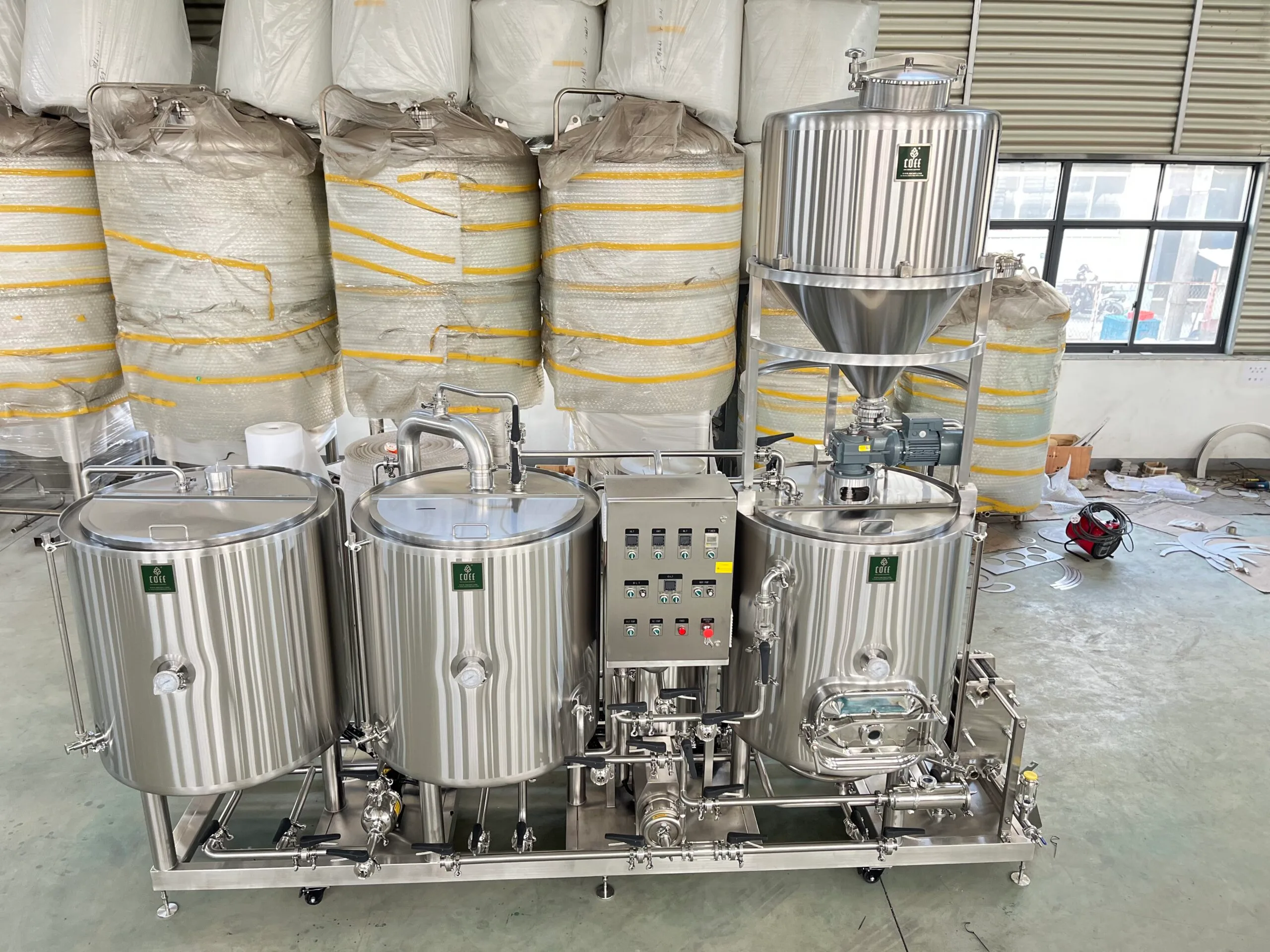
A mash tun stands at the center of your distillery’s production. You use it to mix hot water with malted grains. This process extracts sugars that you need for fermentation. The mash tun creates a mash where enzymes break down starches into fermentable sugars. You can control the temperature with features like agitators and steam jackets. This lets you start with cold mash water and grain, heat the mixture to the right conversion temperature, and then chill it for fermentation—all in one vessel.
Tip: Look for a mash tun that allows easy temperature adjustments. This helps you manage each stage of the process and improves your results.
Here are the main temperature stages you will use in a mash tun:
You need a mash tun for producing beer, whiskey, and other spirits. This vessel supports grain-in fermentation and works with your fermenting vessel to complete the process.
The mash tun affects every batch you make. You rely on it to convert starches in grains into fermentable sugars. Good temperature control and enzyme activity in the mash tun improve the efficiency of starch conversion. This step shapes the flavor and alcohol content of your final product.
COFF offers mash tuns designed for precise control and easy operation. You can trust their equipment to support your distillery’s growth and maintain high standards.
You need to choose a mash tun that matches your production goals. Start by thinking about how much mash you want to process in each batch. The right capacity helps you avoid waste and keeps your workflow smooth. You should look at several factors before deciding:
Tip: COFF offers mash tuns in a wide range of capacities. You can find a system that fits your current needs and leaves room for future growth.
You must measure your available space before you buy a mash tun. The right setup keeps your distillery safe and efficient. Use the table below to check common space requirements:
| Requirement | Specification |
|---|---|
| Footprint | 10-15 square meters for small systems; 50+ for larger systems |
| Height Clearance | At least 2-3 meters above the tallest part of the system |
| Surrounding Space | 1-2 meters clearance around the system for access |
| Ventilation | Adequate space for exhaust fans and ductwork to handle heat and steam |
| Integration | Space for pipes, valves, and control cables for connection to other equipment |
You should always allow extra room for maintenance and upgrades. COFF’s engineering team can help you plan your layout and make sure your mash tun fits perfectly in your facility.
You find traditional mash tun stills in many classic breweries. These vessels use a simple design and require hands-on control. You add hot water to the grains and stir the mixture manually. The process takes about 10 hours for mashing. You must monitor temperature and add water as needed. Traditional mash tun stills often use decoction mashing, which brings out more malt flavor and authenticity in some beers. You get increased brewhouse efficiency and break down gummy glutens that can cause stuck sparges.
Here is a quick look at the pros and cons of decoction mashing in a dedicated mash tun:
| Advantages of Decoction Mashing | Disadvantages of Decoction Mashing |
|---|---|
| Adds more malt flavor and authenticity to some beers. | Labor intensive, requiring extra propane, time, and patience. |
| Breaks down gummy glutens that cause stuck sparges. | Not an exact science; requires careful temperature monitoring. |
| Increases brewhouse efficiency. | No ‘set it and forget it’ approach; must check mash conversion. |
| Reduces troublesome dough balls during mashing. |
You need patience and skill to operate a traditional dedicated mash tun. You must check mash conversion often. This method suits small-scale production or those seeking classic flavors.
Tip: COFF offers dedicated mash tun stills with robust construction for those who value tradition and hands-on control.
Modern mash tun stills use advanced features to improve efficiency and consistency. You complete mashing in 4 to 6 hours, much faster than traditional methods. Modern combination mash tun designs include sparge rings and stirring arms. These features help you control the process and boost extraction. Grist hydrators ensure even moistening of grains, which leads to higher extract yields and consistent attenuation.
Modern mash tun stills offer several benefits:
You can see the difference in efficiency and waste reduction between traditional and modern mash tun stills:
| Feature | Traditional Mash Tuns | Mash Filter Press |
|---|---|---|
| Fermentable Sugar Loss | Up to 30% | Nearly 0% |
| Grain Usage | 100% | 90% |
| Water Usage | 100% | 70% |
| Waste Reduction | High | Low |

You get reliable results and save resources with a modern combination mash tun. COFF’s engineering team can help you select a dedicated mash tun or combination mash tun stills that match your production needs and quality goals.
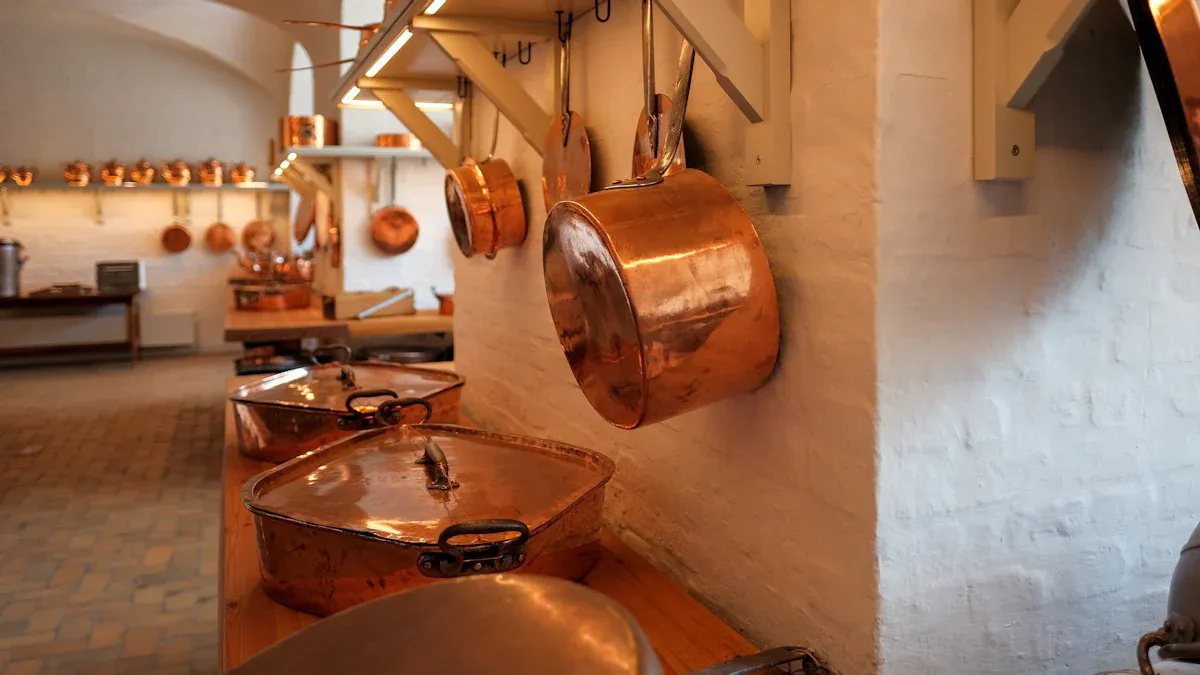
You need to choose the right material for your mash tun. The material affects how your equipment performs and how easy it is to maintain. Most distilleries use either copper or stainless steel. Each material offers unique benefits for your production process.
| Material | Benefits |
|---|---|
| Copper | Enhances the flavor of the spirit, highly valued in whisky production. |
| Stainless Steel | Long-lasting, easy to clean, resistant to corrosion, but does not enhance flavors. |
Copper works well if you want to boost flavor, especially for whisky. Stainless steel gives you durability and easy cleaning. You also get resistance to corrosion, which helps your equipment last longer. COFF uses high-grade stainless steel for mash tuns. This ensures you get reliable performance and simple maintenance for every batch.
Tip: Stainless steel mash tuns from COFF meet strict industry standards and help you keep your production running smoothly.
Insulation plays a big role in energy efficiency. Good insulation keeps your mash at a stable temperature. This means you use less energy and get better results from your production.
| Aspect | Impact on Energy Efficiency |
|---|---|
| Insulation Quality | Maintains stable mash temperatures |
| Energy Use | Reduces energy consumption |
| Brewing Efficiency | Enhances overall brewing performance |
You want insulation that holds heat well. This helps you avoid temperature swings that can hurt your mash. COFF designs mash tuns with advanced insulation. You save on energy costs and improve your brewing efficiency. You also get more consistent results in every batch.
Note: Always check the insulation quality before you buy. Good insulation supports steady production and lowers your operating costs.
You can choose electric heating for your mash tun if you want easy control and installation. Electric systems work well for smaller distilleries. You get precise temperature adjustments, which help you manage each stage of mashing. HERMS (Heat Exchange Recirculating Mash Systems) keeps your mash from overheating and prevents bitter flavors. RIMS (Recirculating Infusion Mash Systems) heats wort directly, but it does not work as efficiently for mash heating.
Here is a quick look at the pros and cons of electric heating systems:
| Pros of Electric Heating Systems | Cons of Electric Heating Systems |
|---|---|
| Suitable for smaller setups | Less common in large distilleries |
| Easy to control and install | May not provide steady heat like steam |
| Good for precision temperature control | Operational costs can vary based on energy use |
Tip: If you want a mash tun that is simple to install and control, COFF offers electric systems designed for precision and reliability.
Steam heating gives you even and consistent heat throughout your mash tun. You avoid hotspots and scorching, which protects the quality of your beer or spirits. Steam systems use less energy to reach the same temperature, so you save on operational costs over time. You can set precise temperatures with automatic controls, making your process smoother. Steam also helps sanitize your equipment, reducing the risk of bacteria.
Note: COFF’s steam-heated mash tuns deliver efficient, hygienic, and reliable performance for distilleries that want top-quality results.
Manual agitation systems let you control the mixing process by hand or with simple mechanical devices. You use paddles, stirrers, or basic motors to move the mash. This method gives you direct control over the speed and pattern of mixing. You can adjust the process based on the type of grain or recipe you use.
Manual systems require regular maintenance to keep them working well. You need to inspect moving parts, check lubrication, and clean impellers often. The table below shows typical maintenance tasks for different manual agitator types:
| Agitator Type | Maintenance Tasks |
|---|---|
| Top-entry agitators | Inspect shaft, bearings, and seals; Check lubrication; Clean impellers; Check motor brushes. |
| Side-entry agitators | Inspect shaft, bearings, and seals; Check lubrication; Clean impellers; Inspect cooling system. |
| Bottom-entry agitators | Inspect shaft, bearings, and seals; Check lubrication; Clean impellers; Inspect support bearings. |
| Portable agitators | Inspect shaft, bearings, and seals; Check lubrication; Clean impellers; Inspect gearbox. |
| Static mixers | Check mixing elements; Clean mixing vessel; Inspect housing gaskets. |
| Magnetic mixers | Inspect magnetic drive components; Check lubrication; Clean impellers. |
| Jet mixers | Check nozzles; Inspect seals and bearings; Clean impellers. |
| Inline mixers | Check mixing elements; Clean mixing vessel; Inspect seals and bearings. |
Tip: COFF’s mash tuns feature robust manual agitation options. You get reliable performance and easy access for cleaning and inspection.
Automated agitation systems use motors and programmable controls to mix the mash. You set the speed, timing, and pattern with a control panel. The system handles the mixing for you. You get uniform results every time.
Customizable automation improves mash consistency by allowing precise control over mixing. You reduce manual labor and ensure ingredients blend evenly. Automated brewhouses record and repeat recipes, manage temperature, time, and agitation automatically. This reduces operator fatigue and lowers the chance of mistakes.
Advanced automation lets you control temperature and pressure with accuracy. You boost process efficiency and get consistent mash quality. You spend less time on manual tasks and more time focusing on other parts of your distillery.
Note: COFF offers automated agitation systems with advanced controls. You achieve high-quality results and save labor costs with every batch.
When you compare mash tun suppliers, you want to see clear proof of quality and reliability. COFF stands out with strong certifications and a global reputation. You can trust their equipment to meet strict safety and food standards. The table below shows the certifications COFF holds and what they mean for your distillery:
| Certifications | Description |
|---|---|
| ASME | Ensures safety and quality in manufacturing |
| AS1210 | Compliance with pressure vessel standards |
| FDA | Adherence to food safety regulations |
| HACCP | Hazard analysis and critical control points for food safety |
COFF’s equipment meets these standards, so you get safe and dependable performance. Many distilleries around the world choose COFF because they value long-term partnerships and consistent results. You benefit from a supplier that focuses on both product quality and customer satisfaction.
You need more than just equipment. You need a partner who supports you at every step. COFF offers a full range of customer service and engineering expertise:
Tip: When you choose COFF, you gain a partner who cares about your success. Their team helps you avoid common mistakes and keeps your distillery running at its best.
You need to plan your budget before you buy a mash tun distillery. The price depends on the type, size, and features you choose. Basic single infusion mash tuns cost less, while fully-automated and insulated models cost more. You should compare options to find the best fit for your production needs. Use the table below to see typical price ranges:
| Type | Price Range |
|---|---|
| Basic single infusion mash tun | $30,000 – $50,000 |
| Upgraded step/decoction mash tun | $40,000 – $60,000 |
| Fully-automated, insulated mash tun | $50,000 – $100,000+ |
You must also think about installation, shipping, and setup costs. COFF offers transparent pricing and helps you understand all expenses up front. You avoid surprises and can plan your investment with confidence.
Tip: Always ask for a detailed quote that includes every cost. This helps you compare suppliers and make smart decisions.
You should look beyond the initial price and consider long-term value. The right mash tun saves money over time and boosts your production efficiency. Stainless steel models resist corrosion and last longer, while copper offers unique benefits but costs more. Electric heating gives you precise control, but steam systems use less power and offer better temperature accuracy.
| Consideration | Pros | Cons |
|---|---|---|
| Stainless vs Copper | Resists corrosion, Better seals | Expensive, Difficult fabrication |
| Electric vs Gas Heat | Precise control, Cleaner, Efficient | Higher energy costs, Complex system |
| Steam vs Electric | Accurate temperatures, Less power | Slow heating, Condensation, Licensing |
| Automation | Consistency, Labor saving, Data tracking | Additional cost, Complexity |
| Square vs Round | Better draining, Maximizes volume | Limited customization, Dead spaces |
You increase value by choosing features that match your production goals. Automated systems save labor and improve consistency. COFF helps you select equipment that delivers the best return on investment. You get reliable support and high-quality materials, which means fewer repairs and lower operating costs.
Note: Investing in quality equipment from COFF supports your production and helps your distillery grow.
You need to get an accurate quote before you buy a mash tun. Start by gathering details about your brewing process. You should know how much malt you use in a typical batch. This helps you decide the right size for your equipment. You also need to think about the depth of the grain bed. A proper depth helps you filter the mash and avoid cloudy beer.
Follow these steps to request a quote from a leading supplier like COFF:
You should prepare key information before you contact COFF or any supplier. This makes the quote process faster and more accurate. Use the table below to see what details you need:
| Factor | Considerations |
|---|---|
| Design & features | Vessel shapes, customization options |
| Heating methods | Direct fire, steam, hot liquor |
| Level of automation | Manual valves vs automated systems |
| Construction quality | Surface finish; weld inspection |
| Warranty & support | Documentation provided, ease of service |
| Company reputation | Industry experience, client references |
| Budget | System price; options affordable |
Tip: COFF’s engineering team helps you review your requirements and provides a clear, detailed quote. You get expert advice and transparent pricing.
After you approve your quote, you need to plan for delivery. You should confirm the timeline with your supplier. Ask about shipping options and expected arrival dates. Make sure your facility is ready to receive the mash tun. You may need to clear space and arrange for unloading equipment.
COFF coordinates delivery to match your schedule. Their team communicates shipping updates and helps you prepare for installation. You get support for customs paperwork and logistics if you order internationally.
Note: COFF’s customer service team guides you through every step, from shipping to setup. You receive updates and support until your mash tun is ready to use.
You need to prepare your facility before installing your mash tun. Clear the area where you plan to place the equipment. Make sure the floor can support the weight. Check that you have enough space for plumbing, power connections, and access to controls. COFF’s team helps you plan the layout and guides you through each step. You receive support for mounting, connecting utilities, and testing all systems.
Here is a table showing the main setup procedures:
| Function | Procedure |
|---|---|
| Installation | Floor mounting or platform, connect plumbing, power, sensors, test heating, stirring, controls |
| Operation | Add grains, mix water based on recipe, activate heating to reach mash temperature, stir mash at intervals |
| Sparging | Recirculate wort until clear with pumps, gradually add hot sparge water |
| Cleaning | Remove spent grains, clean with caustic or acid process after use |
Tip: You should schedule installation with COFF’s technicians. They provide training and ensure your equipment works correctly from day one.
Regular maintenance keeps your equipment running smoothly. You need a proactive plan to avoid delays and costly repairs. Inspect and clean your mash tun often. Look for signs of wear or damage during each inspection. Check for leaks and make sure temperature gauges work properly. Clean the vessel after every batch to prevent buildup.
COFF offers after-sales support, training, and maintenance services. Their team helps you set up a maintenance schedule and provides guidance for troubleshooting. You get reliable help to keep your equipment in top condition.
Note: A good maintenance routine extends the life of your mash tun and supports consistent production.
You can purchase the right mash tun distillery by following these steps:
| Factor | Description |
|---|---|
| Heating Mechanisms | Steam, electric, or direct fire |
| Agitation Methods | Paddle or mechanical |
| Temperature Control | Essential for every batch |
You get reliable mash tun distillery equipment when you work with COFF. Their high-quality materials, certifications, and customer service help you avoid mistakes. Reach out to COFF for advice and a quote. Take the next step and upgrade your mash tun distillery today.
You should choose a mash tun that matches your batch size. For small distilleries, a 500 to 1,000-liter mash tun works well. COFF offers custom sizes to fit your needs.
You should clean your mash tun after every batch. Regular cleaning prevents buildup and keeps your equipment running smoothly. COFF mash tuns feature easy-to-clean designs.
Yes, you can upgrade your mash tun as your business grows. COFF provides flexible solutions and supports future expansion with modular equipment.
Look for mash tuns with ASME and AS1210 certifications. These show the equipment meets safety and quality standards. COFF mash tuns carry these certifications.
Yes, COFF offers full installation support. Their team helps you set up your mash tun, provides training, and ensures everything works correctly.