

COPYRIGHT © 2022 COFF International Co., ltd. ALL RIGHTS RESERVED


Proper sanitization of a milk tank follows a standardized 5-step process: pre-rinse, alkaline wash, acid rinse, sanitizer application, and final rinse & drying. This sequence effectively reduces microbial contamination, removes organic and mineral residues, and maintains the hygienic conditions required for safe milk storage. Each step plays a specific role in ensuring cleaning effectiveness and preventing bacterial growth in dairy processing environments.
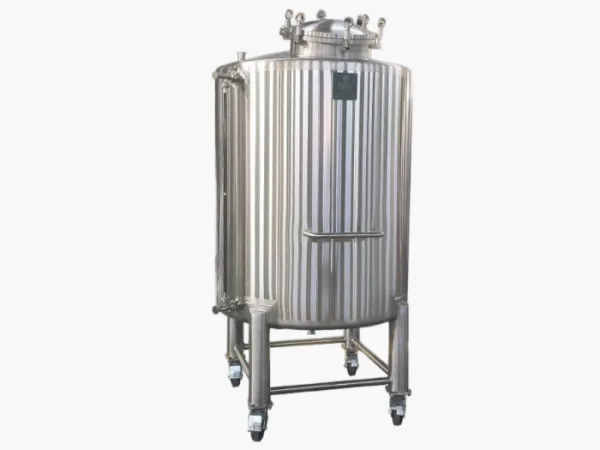
This procedure complies with FDA Grade A Milk Ordinance and 3-A Sanitary Standards. It applies to all stainless steel bulk milk tanks used for collection, cooling, and storage.
Start the process immediately after emptying the tank, while any remaining milk residue is still fresh. Perform these steps in order:
This first step removes approximately 80% of visible milk residue and prepares the tank for deeper cleaning. Skipping it will make subsequent steps much less effective.
Alkaline detergents are designed to break down the fats and proteins that make up most milk residue. For optimal results:
Ensure the solution fully wets all interior surfaces, including the tank walls, bottom, ceiling, and any internal piping.
This step neutralizes alkaline residue and dissolves mineral deposits that can harbor bacteria. It is non-negotiable for long-term tank hygiene:
Skipping this step will lead to permanent milk stone (calcium oxalate) buildup, which is extremely difficult to remove later and provides a perfect hiding place for bacteria.
Sanitization kills any remaining bacteria that survived the cleaning process. Follow these guidelines:
| Sanitizer Type | Recommended Concentration | Required Contact Time |
|---|---|---|
| Chlorine | 50–200 ppm | 5–10 minutes |
| Peracetic Acid (PAA) | 80–150 ppm | 1–2 minutes |
| Iodophors | 12.5–25 ppm | 1–2 minutes |
Chlorine is the most common and cost-effective option, while PAA is ideal for automated CIP systems due to its fast-acting, no-rinse formula.
The final step removes any remaining sanitizer residue and prevents bacterial regrowth:
Never use a towel to dry the tank interior, as this can reintroduce bacteria even after proper sanitization.
⚠️ REGULATORY NOTE: Improper sanitization is the leading cause of high Standard Plate Counts (SPC) in raw milk. Violations can result in fines, product recalls, and loss of Grade A certification.
These are the primary cleaning agents used to dissolve milk fat, protein, and other organic residues. They typically contain sodium hydroxide or potassium hydroxide as the active ingredient, along with surfactants to improve wetting and penetration. For optimal performance, always use them at the recommended concentration and maintain the solution temperature between 120–135°F.
Acid cleaners are used to remove mineral deposits, milk stone, and neutralize alkaline residue left from the previous wash step. Common active ingredients include nitric acid, phosphoric acid, and citric acid. They work best at room temperature to prevent the release of harmful acid fumes and should be used at a pH between 3 and 4.
Three main types of sanitizers are approved for use in dairy operations. Chlorine is the most widely used due to its low cost and broad-spectrum effectiveness against all bacteria. Peracetic acid (PAA) is a fast-acting, no-rinse option ideal for automated CIP systems. Iodophors are gentle on equipment and leave a visible residue that confirms coverage, making them popular for manual sanitization.
Commercial dairy facilities rely on specialized equipment to ensure consistent and effective cleaning. The most essential items include:
The design of the milk tank itself also plays a critical role in cleaning effectiveness. Tanks made from 304 or 316 stainless steel have smooth, non-porous surfaces that resist bacterial growth. Hygienic designs with no dead spots, rounded corners, and self-draining floors make cleaning much easier.
Handling concentrated cleaning chemicals requires proper personal protection to prevent injury. Always wear:
🚨 SAFETY WARNING: Never mix different cleaning chemicals. Mixing chlorine and acid produces toxic chlorine gas that can be fatal.
Even small mistakes in the sanitization process can lead to spoiled milk or regulatory violations. The most common errors include:

Establish a regular cleaning schedule to ensure consistent sanitation:
| Frequency | Task |
|---|---|
| After Every Use | Complete 5-step sanitization process |
| Daily | Inspect tank for leaks, cracks, and residue |
| Weekly | Disassemble and clean all valves and gaskets |
| Monthly | Inspect and clean spray balls |
| Quarterly | Perform deep cleaning and descaling |
Regular monitoring is essential to catch issues early. Check for unusual odors, which are often the first sign of bacterial growth. Monitor milk SPC results to identify cleaning issues, and inspect tank surfaces regularly for milk stone buildup. Replace gaskets and seals every 6–12 months to prevent leaks.
Keep detailed records of all cleaning and maintenance activities, including the date and time of cleaning, chemicals used and concentrations, temperatures and contact times, and any problems or repairs performed. Regulatory inspectors will review these records during audits, and incomplete or inaccurate records can result in fines.
Proper milk tank sanitization is essential for safe and consistent dairy production. Following a standardized 5-step process, using approved cleaning agents, and keeping accurate records helps maintain milk quality and ensures compliance with industry requirements.
Proper training and well-maintained equipment also play an important role in reducing contamination risks and extending equipment lifespan. Even small lapses in cleaning procedures can affect product quality and lead to serious operational and regulatory issues.
For detailed technical guidance, refer to relevant dairy hygiene standards or consult qualified milk tank suppliers when needed.
You must clean and sanitize your milk tank immediately after every use. Large dairy operations may need to clean tanks twice daily if they are used for multiple milkings.
Regular household bleach is not recommended for milk tanks. Use only food-grade chlorine products specifically formulated for dairy use. Follow the manufacturer’s instructions for proper dilution.
Skipping the acid rinse allows mineral deposits and milk stone to build up on tank surfaces. Milk stone provides a hiding place for bacteria, leading to persistent high SPCs even after repeated cleaning.
Mild milk stone can be removed by increasing the concentration of acid cleaner and extending the contact time. Severe buildup may require a dedicated milk stone remover product and manual scrubbing.
No-rinse sanitizers are designed to be left on surfaces without rinsing. However, always follow the manufacturer’s instructions to ensure proper concentration and contact time.