


COPYRIGHT © 2022 COFF International Co., ltd. ALL RIGHTS RESERVED

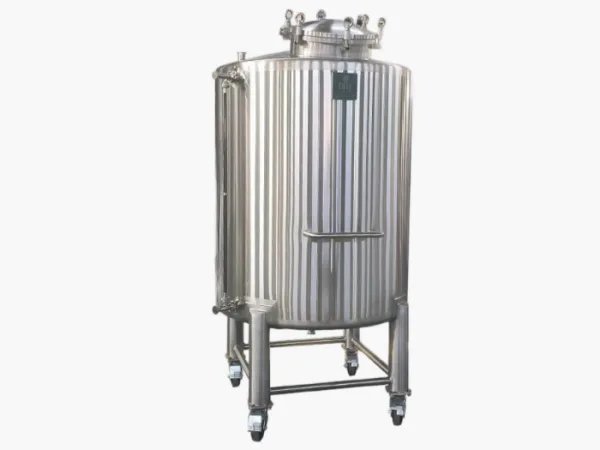
A jacketed tank is a double-walled industrial vessel used for precise temperature control during heating, cooling, mixing, or storage of liquids and semi-solid materials. The outer jacket circulates thermal media such as steam, hot water, or glycol, allowing indirect heat transfer without direct contact with the product.
This design is widely used in industries where temperature stability directly affects product quality and process safety, including food processing, pharmaceuticals, chemicals, and biotechnology.
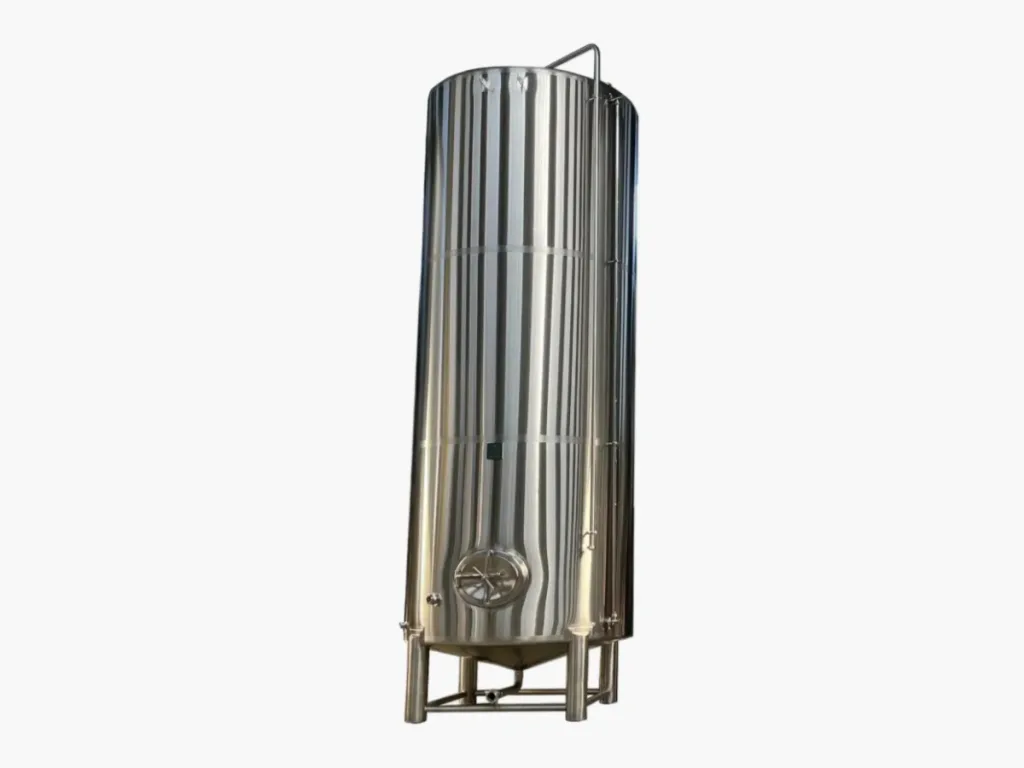
A jacketed tank has two main layers:
As the fluid flows through the jacket, heat is transferred through the vessel wall to either heat or cool the contents. This indirect method prevents thermal shock and protects sensitive materials from sudden temperature changes.
Different jacket designs offer varying heat transfer efficiency and pressure capabilities:
| Jacket Type | Best For | Key Advantages | Limitations |
|---|---|---|---|
| Conventional Jacketed | Large-volume, low-pressure processes | Simple construction, easy to clean | Lower heat transfer efficiency |
| Dimple Jacketed | General-purpose heating/cooling | Lightweight, cost-effective, targeted flow | Not suitable for high pressure |
| Half-Pipe Coil Jacketed | High-pressure industrial processes | Excellent heat transfer, high pressure rating | More complex and expensive to manufacture |
| Internal Coil | Viscous liquids and fast heat transfer | Rapid temperature response | Harder to clean and maintain |
Material selection depends on chemical compatibility, temperature requirements and hygiene standards:
Internal components enhance mixing and temperature uniformity:
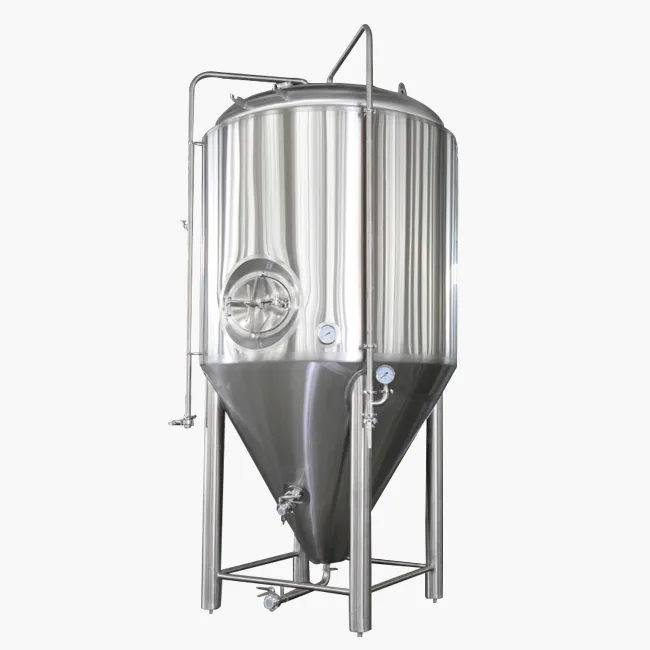
Jacketed tanks are used wherever precise temperature control is required to maintain product quality, safety and consistency. They support a wide range of processes including mixing, fermentation, pasteurization, reaction and storage.
For sanitary industries, jacketed tanks are designed with:
The primary advantage of jacketed tanks is their ability to maintain a consistent temperature throughout the entire vessel. This is critical for temperature-sensitive processes where even small variations can affect product quality, safety or yield.
Jacketed tanks are available in sizes ranging from small laboratory units to large industrial vessels holding thousands of liters. They can be customized with different jacket types, agitators, insulation and control systems to meet specific process requirements.
Jacketed tanks are essential equipment for industrial processes that require stable and precise temperature control. Their flexibility in design, strong thermal performance, and compatibility with sanitary standards make them a core solution in modern manufacturing systems.
As a professional jacketed tank manufacturer, we provide customized stainless steel solutions including different jacket structures, material options, and full system integration for industrial applications.
The main purpose of a jacketed tank is to provide precise, uniform temperature control for industrial processes and storage. It allows indirect heating or cooling of products without direct contact with thermal fluids.
An insulated tank only prevents heat loss or gain, while a jacketed tank actively heats or cools the contents to maintain a specific temperature. Insulation is often added to jacketed tanks to improve energy efficiency.
With proper maintenance, high-quality stainless steel jacketed tanks can last 20-30 years or more. Service life depends on material quality, operating conditions and maintenance practices.
Yes, half-pipe coil jacketed tanks are specifically designed for high-pressure applications. Always ensure the tank is rated for your required operating pressure.
CIP (Clean-in-Place) is an automated cleaning system that circulates cleaning solutions through the tank without disassembly. It is essential for maintaining hygiene standards in food and pharmaceutical applications.