


COPYRIGHT © 2022 COFF International Co., ltd. ALL RIGHTS RESERVED

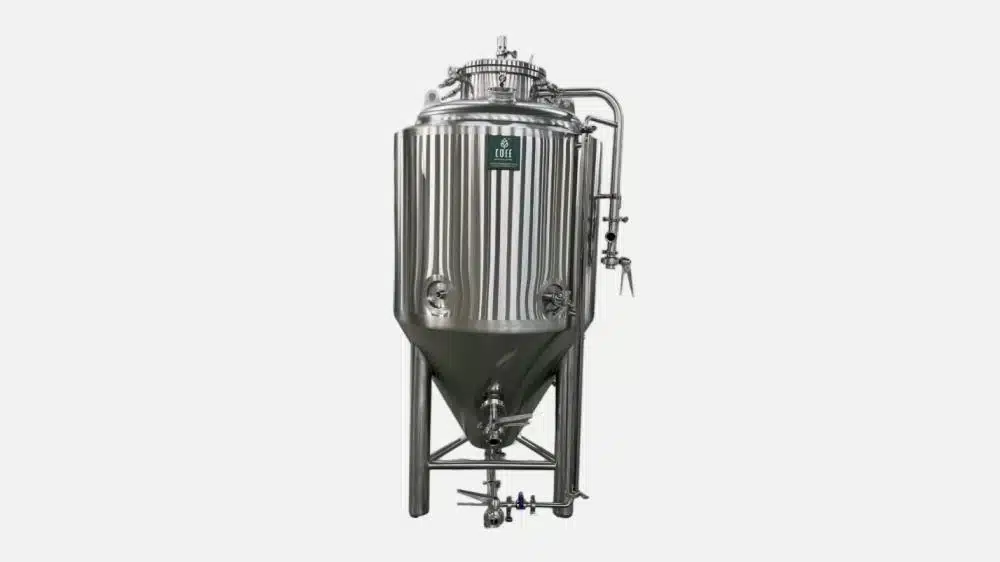
Stainless steel fermentation tanks are widely considered the best choice for fermentation because they are durable, non-reactive, easy to sanitize, and highly resistant to corrosion. They do not affect flavor or aroma, support stable fermentation conditions, and meet strict food-grade safety standards, making them the preferred option for breweries, wineries, kombucha producers, and commercial food processing facilities.
Other metals such as aluminum, copper, and iron can react with acidic fermenting liquids, potentially causing flavor changes, contamination, or long-term equipment damage. Choosing the right fermentation tank material is essential for maintaining product quality, hygiene, and consistent fermentation performance.
Stainless steel is the industry standard for fermentation due to its unique combination of properties. It is highly corrosion-resistant, non-reactive with acids and alcohols, and extremely durable. Food-grade 304 and 316L stainless steel do not leach any harmful substances into the product, preserving the natural flavor and aroma of fermented goods.
Its smooth, polished surface eliminates crevices where bacteria and mold can grow, making cleaning and sanitization fast and effective. Stainless steel fermenters can withstand repeated use, high temperatures and harsh cleaning chemicals without degradation.
Aluminum is lightweight and has excellent thermal conductivity, but it is not recommended for fermentation. It reacts readily with acidic foods and beverages, leaching aluminum ions into the product. This can cause off-flavors and raise potential health concerns with long-term exposure.
While aluminum fermenters are cheaper upfront, they scratch easily, corrode over time and require more frequent replacement. Most commercial producers have abandoned aluminum in favor of stainless steel due to safety and quality issues.
Copper was historically used for distillation and fermentation due to its ability to remove certain sulfur compounds. However, it is not suitable for modern fermentation vessels. Copper reacts with fermentation byproducts, producing off-flavors and potentially toxic compounds. It is also toxic to yeast at high concentrations, inhibiting fermentation.
Regulatory agencies around the world have established strict limits on copper content in food and beverages, making copper fermenters impractical for commercial production.
Iron and cast iron are not suitable for fermentation. They rust rapidly when exposed to moisture and acidic liquids, contaminating the product with iron oxide. This causes metallic off-flavors and discoloration. Excess iron intake can also pose health risks, particularly for individuals with iron overload disorders.
The table below lists the main advantages and disadvantages of each metal during fermentation:
| Metal | Key Advantages | Critical Disadvantages | Recommendation |
|---|---|---|---|
| Stainless Steel | Non-reactive, corrosion-resistant, easy to clean, durable, food-safe | Higher upfront cost, lower thermal conductivity (solved by jacketed designs) | Highly recommended for all applications |
| Aluminum | Lightweight, low cost, good thermal conductivity | Reacts with acids, leaches metal, scratches easily, short lifespan | Not recommended |
| Copper | Removes sulfur compounds (for distillation only) | Reacts with fermentation products, toxic to yeast, regulatory restrictions | Not recommended for fermentation |
| Iron | Low cost, strong | Rusts rapidly, contaminates product, metallic off-flavors | Not recommended |
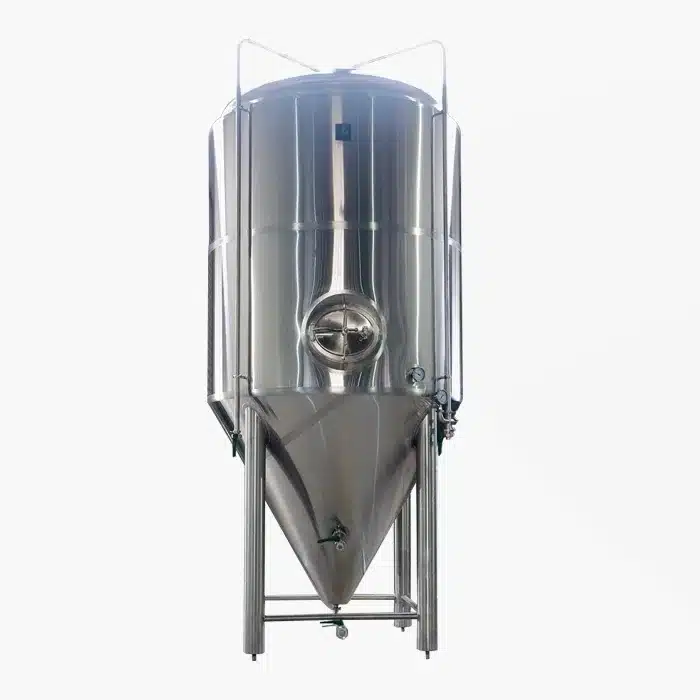
Food-grade stainless steel is completely inert and non-reactive with all common fermentation products, including beer, wine, cider, yogurt, sauerkraut and kombucha. It does not alter the flavor, color or nutritional content of the product, ensuring consistent batch-to-batch quality.
All stainless steel fermenters intended for food use must meet strict international standards such as FDA 21 CFR and 3-A Sanitary Standards, providing assurance of safety and compliance.
Stainless steel fermenters are built to last. They resist dents, scratches and corrosion, even with daily commercial use. With proper maintenance, a high-quality stainless steel fermenter will last 20-30 years or more, far outlasting any other metal option.
This long service life makes stainless steel the most cost-effective choice over time, despite its higher initial investment.
Hygiene is the most critical factor in successful fermentation. Stainless steel’s smooth, non-porous surface prevents bacteria, yeast and mold from adhering and growing. It can be easily cleaned and sanitized using standard food industry chemicals, including caustic cleaners and acid sanitizers.
Stainless steel fermenters can also be equipped with CIP (Clean-in-Place) systems for automated, validated cleaning, which is essential for commercial production facilities.
Stainless steel is compatible with all fermentation temperatures and processes. It can withstand both high-temperature pasteurization and low-temperature lagering. While stainless steel has lower thermal conductivity than aluminum, modern jacketed stainless steel fermenters provide precise, uniform temperature control, eliminating this limitation.
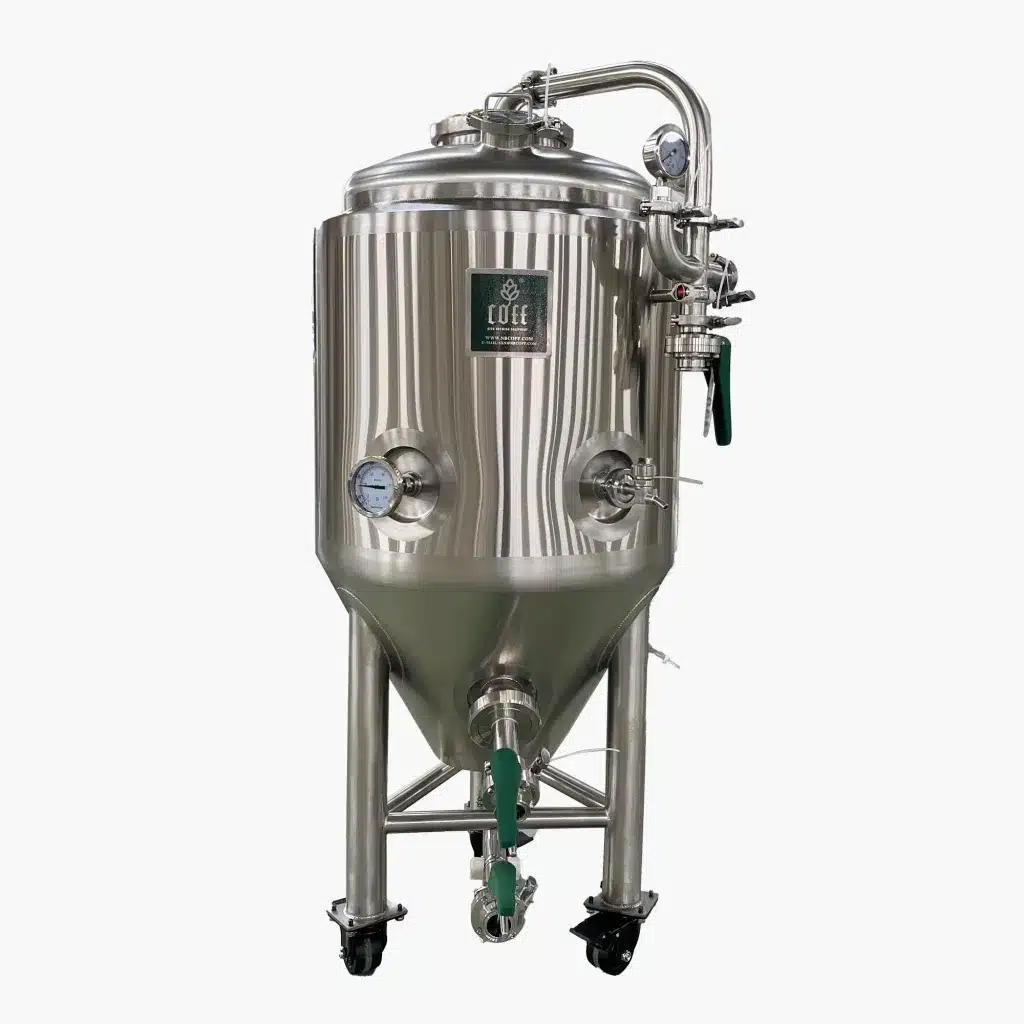
Stainless steel fermenters have a higher upfront cost than plastic or aluminum options. However, their long lifespan, low maintenance requirements and superior performance make them a better long-term investment. For homebrewers, entry-level stainless steel fermenters are now available at affordable price points, while commercial producers can choose from a wide range of sizes and configurations.
Proper maintenance extends the life of your stainless steel fermenter:
Stainless steel fermentation tanks remain the industry standard because they offer excellent corrosion resistance, easy sanitation, long service life, and completely neutral flavor performance. Compared with other metals, stainless steel provides a safer and more reliable environment for consistent fermentation results in both homebrewing and commercial production.
Choosing a high-quality stainless steel fermenter is an investment in product quality, efficiency, and long-term durability. As a professional fermentation equipment manufacturer, COFF supplies food-grade 304 stainless steel fermenters in a variety of configurations, including conical fermenters, jacketed tanks, and unitanks designed for modern brewing and beverage production.
Food-grade 304 stainless steel is the standard for most fermentation applications. For highly acidic or corrosive products, 316L stainless steel offers superior corrosion resistance.
It is not recommended. Aluminum reacts with acidic fermentations, leaching metal ions into the product and causing off-flavors. Stainless steel is a much safer and more reliable option.
Copper is still used in some distillation processes to remove sulfur compounds, but it is not suitable for fermentation vessels. It can react with fermentation products and inhibit yeast activity.
With proper maintenance, high-quality stainless steel fermenters will last 20-30 years or more. They are extremely durable and resistant to corrosion and wear.
Yes. Their smooth, non-porous surface makes cleaning and sanitization fast and simple. Most commercial stainless steel fermenters are also compatible with CIP systems for automated cleaning.